


Power steering pumps
More informationAt the Global Parts automotive store, we offer a wide selection of original used car parts, including power steering pumps for many popular car brands such as BMW, Mini, Mercedes, Audi, Volkswagen, and others. Our power steering pumps undergo quality control to ensure you receive a top-quality product.
GB
Make
Category
Subcategory
Condition
In Stock
Price
Best power steering pumps – power and precision you can rely on
Top quality power steering pumps for BMW, Audi, Mercedes and other popular brands
A power steering pump is an essential component of the steering system that facilitates vehicle maneuvering by reducing the force required to turn the steering wheel. Thanks to a functional power steering pump, driving becomes more comfortable and safer, especially during parking or city driving. In the Global Parts automotive store, you will find a wide selection of used car parts, including power steering pumps, matched to brands such as BMW, Audi, Mercedes, Volkswagen, Mini, and others.
How does a power steering pump work?
A power steering pump is a key element of the hydraulic system that works in conjunction with other components, such as the steering gear and hydraulic hoses. Its main functions are:
- Creating hydraulic pressure – The pump generates pressure that assists steering movement, reducing driver effort.
- Maintaining smooth steering operation – It ensures consistent performance regardless of vehicle speed.
- Reducing steering system load – It protects other system components from excessive wear, increasing their durability. Power steering pumps are driven by a V-belt or a multi-ribbed belt, which transfers energy from the engine.
Construction and purpose of power steering pumps
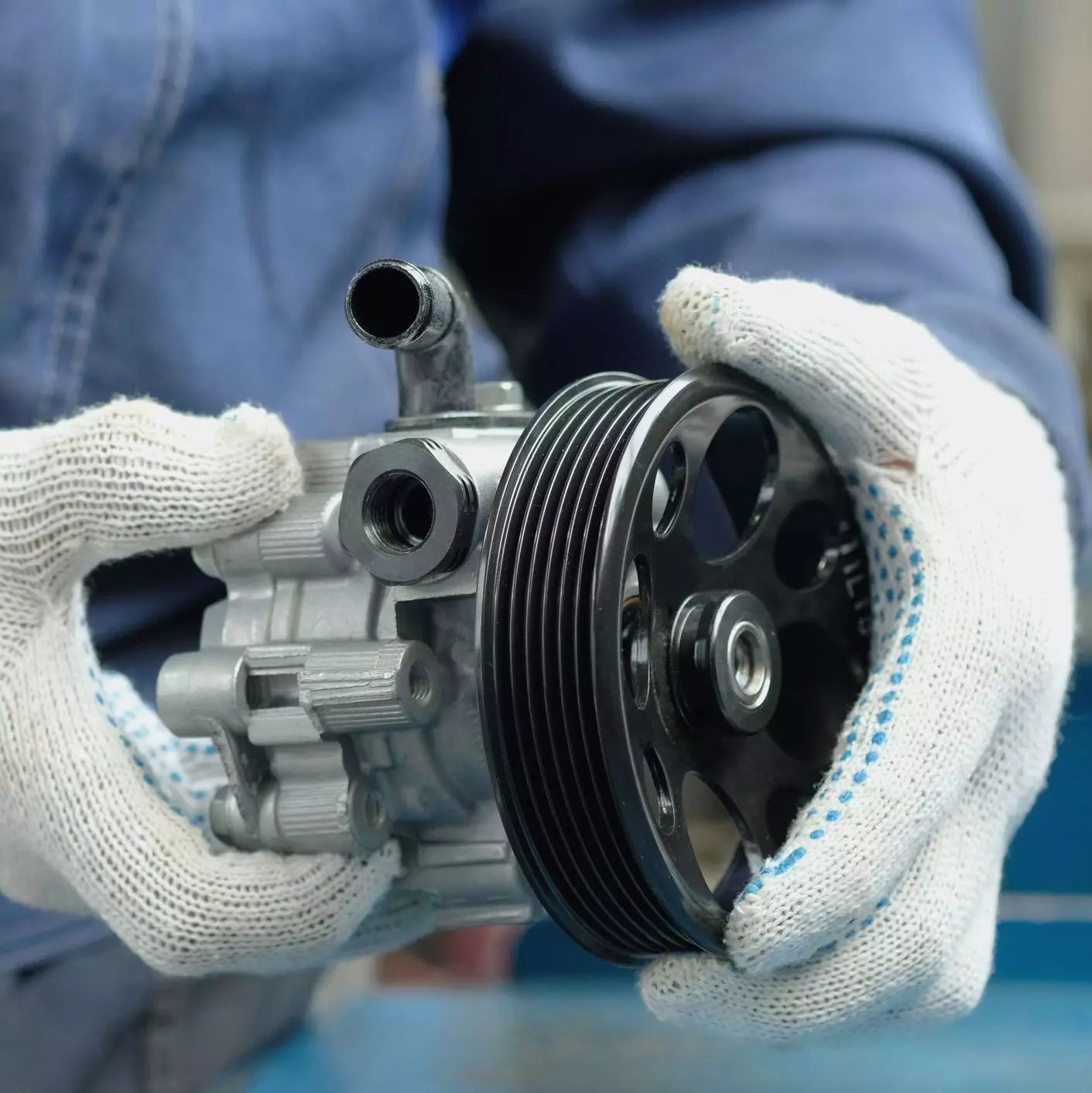
Power steering pumps are components mounted near the engine or in the engine bay, depending on the system type. Their task is to generate the appropriate fluid pressure or power the electro-hydraulic system to reduce steering resistance. A typical unit consists of a housing, a pulley or electric drive, hose connectors, seals, and mounting points. In practice, the OEM number, fuel type, part condition, and interchangeable numbers are important when selecting a part.
Types of pumps and application examples
Depending on the vehicle design, hydraulic, electro-hydraulic, or electric pumps are used. The Mini Cooper is often equipped with a compact power steering pump fan for improved cooling. In the Ford Focus MK2, a power steering hose of a specific diameter and length is used, matched to the specific engine type. Thanks to this, each of these systems provides the appropriate pressure, which translates into smooth and precise handling.
Comparison of power steering pump variants
| Pump type | Characteristics | Cooperating components | What to check before purchase |
|---|---|---|---|
| Hydraulic | Belt-driven, generates fluid pressure in a classic power steering system. | Steering gears and housings, power steering hoses | OEM number, pulley type, connector layout, mounting points. |
| Electro-hydraulic | Combines a hydraulic pump with an electric drive, often mounted outside the engine. | Fluid reservoir, wiring harness, return and pressure hoses | Connector type, number of pins depending on version, bracket mounting, control compatibility. |
| Electric | Used in selected designs, operates without a classic belt drive. | Steering system sensors, electrical installation, control modules | Car version, manufacturer marking, part number, equipment compatibility. |
Why is it worth taking care of the power steering pump?
A worn or damaged power steering pump can lead to serious steering system problems. Typical symptoms of failure include:
- Noises during turning – Whistling or squealing sounds may indicate problems with the pump.
- Difficulty turning the steering wheel – Increased resistance during maneuvering is a signal that the pump is not working properly.
- Power steering fluid leaks – These can lead to damage to the pump and other system components. At Global Parts, we offer used power steering pumps that have undergone detailed quality tests, ensuring their reliability and durability.
Table: Symptoms and possible causes of malfunctions
| Symptom | Possible cause | Recommended action |
|---|---|---|
| Difficulty turning | Low system pressure | Check fluid level and hose condition |
| Squealing when turning | Worn belt or pump bearing | Replace belt or pump |
| Steering wheel vibrations | Uneven pressure in hoses | Inspect hoses and system connections |
| Pump overheating | Cooling problems or contaminated fluid | Check fluid circulation and pump accessories |
How to choose the right power steering pump?
When choosing a power steering pump, several key aspects should be considered:
- Matching the vehicle model – Every steering system has its specific technical requirements. At Global Parts, you will find power steering pumps perfectly matched to BMW, Audi, Mercedes, Volkswagen, Mini, and others.
- Technical condition – A used power steering pump should be free from mechanical damage and leak-proof to prevent fluid loss.
- Pump type – Ensure the pump is compatible with your vehicle, e.g., hydraulic or electro-hydraulic.
Compatibility and installation
Each power steering pump has unique operating pressure, efficiency, and maximum RPM parameters. Thanks to precise OEM matching or verification by VIN, installation is simpler and does not require additional steering system modifications. It is worth comparing the pulley diameter, connector positions, mounting type, and compatibility with elements such as power steering pump parts and steering rods and ends.
Selecting parts by model and OEM number
When looking for parts for a specific model, for example, BMW E90, it is good to verify the engine version, fuel type, and hose routing in the engine bay. When choosing a component like a BMW E46 power steering pump, the OEM number, pulley diameter, and connector compatibility with the car's installation are crucial. If you are looking for a component such as a Mercedes W204 power steering pump, it is worth comparing mounting points, connector type, and manufacturer markings. Diagnostics can be supplemented by material on the fuel system – injectors, pumps, and fuel tank, which shows how to check components by VIN and OEM number.
Why choose used power steering pumps?
Used car parts, such as power steering pumps, are an economical solution that allows for savings while maintaining high quality. By choosing Power steering pumps, you gain:
- Lower costs – Used components are significantly cheaper than new ones but offer equally high quality.
- Ecology – Recycling car parts supports environmental protection and reduces waste.
- Wide offer – In our store, you will find power steering pumps for the most popular car brands.
Advantages of OEM matching and cost savings
Power steering pumps offered at Global Parts are compliant with original OEM numbers, which ensures full compatibility and operational precision. In practice, this means the ability to compare part numbers, interchangeable numbers, and body versions without guessing the fit. It is also worth checking if a given pump works with elements from the Suspension, steering system group and if it fits factory-installed accessories.
How to take care of a power steering pump?
To ensure the power steering pump works reliably for a long time, it is worth following a few rules:
- Regularly check the level and quality of the power steering fluid – low levels can lead to pump damage.
- Replace the power steering fluid according to the manufacturer's recommendations to prevent system contamination.
- Monitor noises and leaks – quick reaction to the first signs of problems will help avoid more serious failures. If you need to replace a power steering pump, at Global Parts you will find suitable used auto parts that will restore full steering system efficiency.
Hose construction and the importance of system tightness
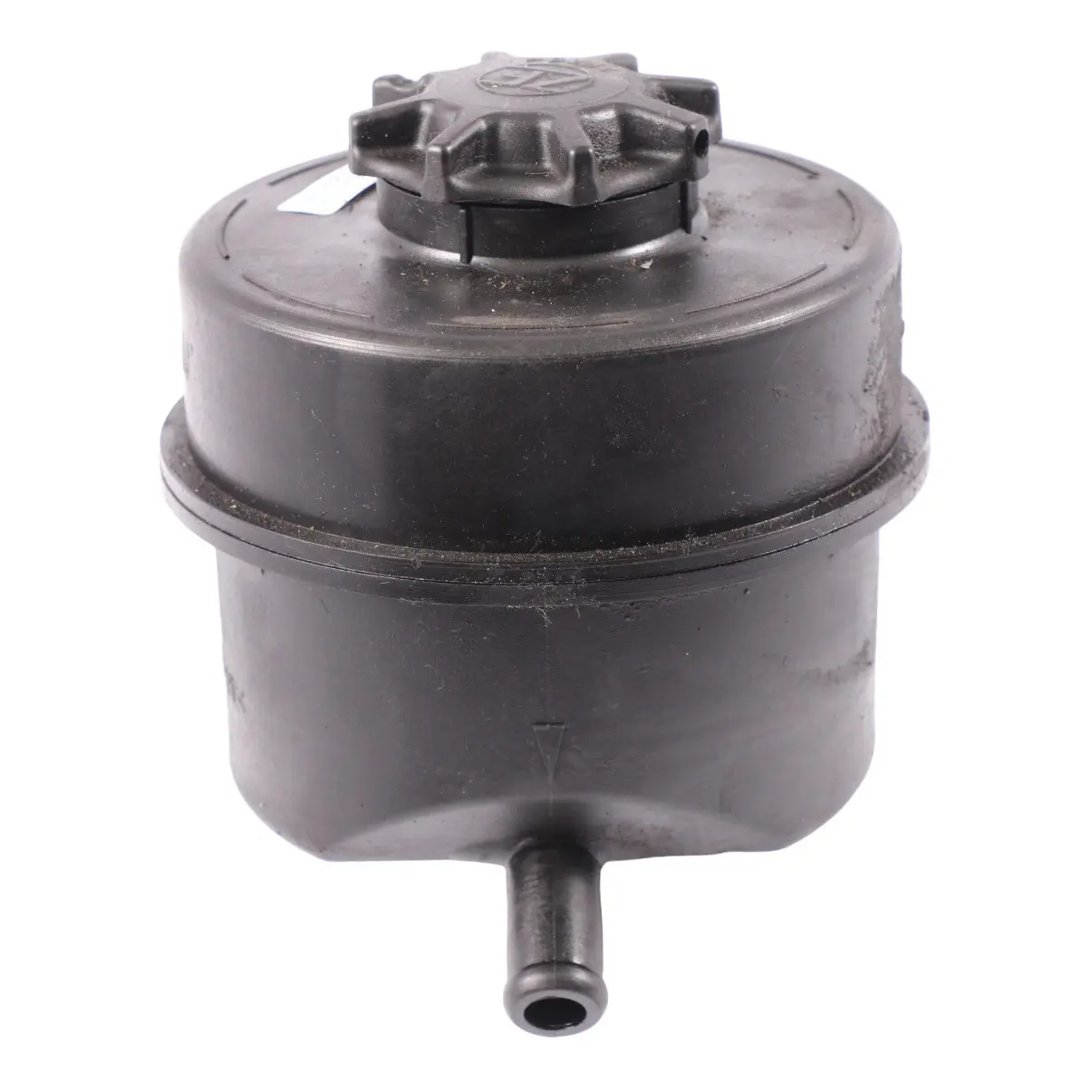
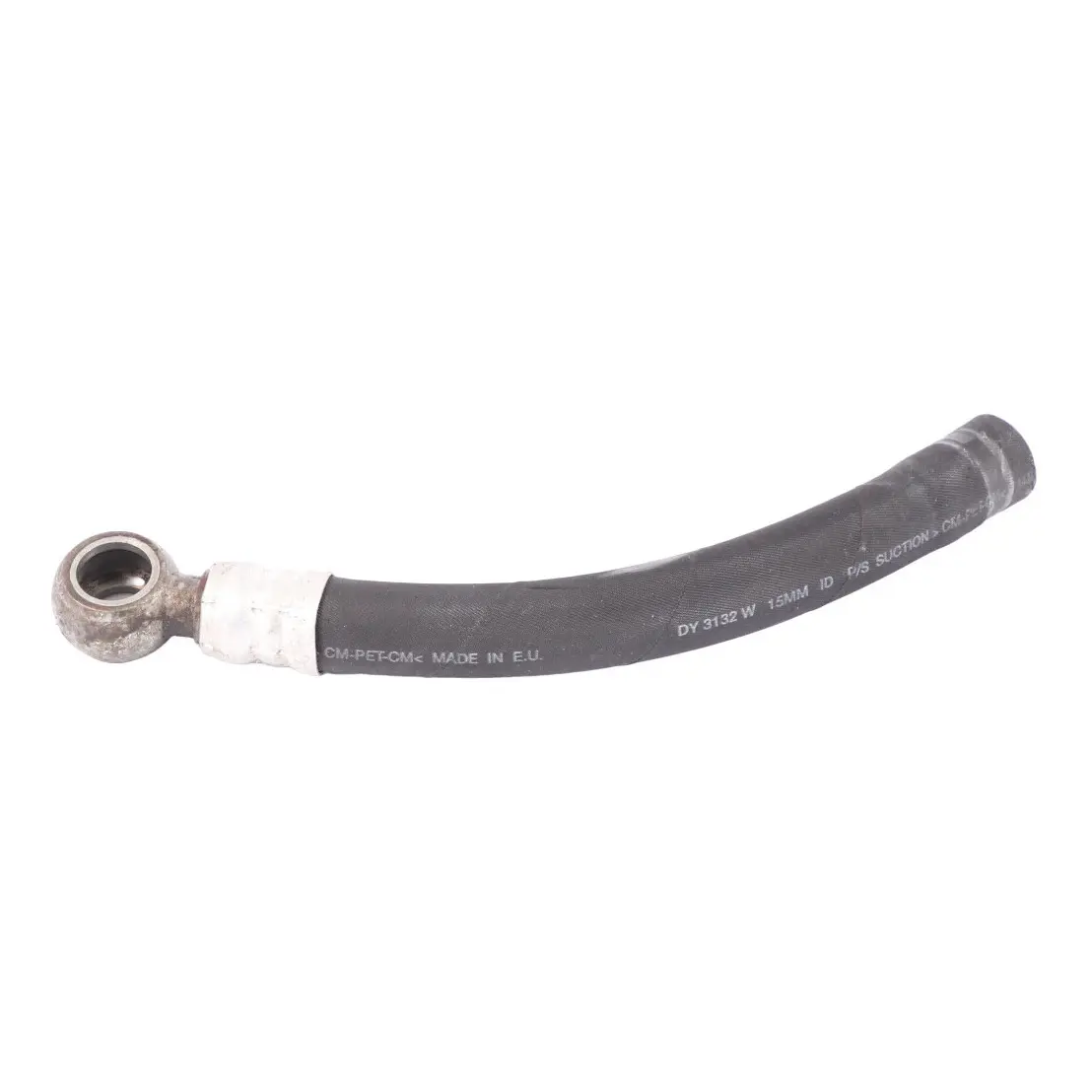
Power steering hoses are elements that transport fluid between the pump, reservoir, and gear. Their tightness directly affects operating pressure, smoothness of operation, and pump durability. Even a well-chosen part will not work properly if the system has leaks, air pockets, or worn clamps, seals, and connectors. Therefore, during installation, it is worth simultaneously assessing the condition of the hoses, connections, and fluid reservoir.
Replacement procedure and performance test
Replacing a power steering pump involves several steps:
- Disconnecting the pressure and return hoses.
- Removing the drive belt and pulley.
- Installing the new pump with sealing and bleeding the system.
- Refilling the power steering fluid and testing system operation. After installation, check the tightness of connections, smoothness of steering while stationary and during a test drive, and any potential bearing or belt noises.
FAQ
| Question | Answer |
|---|---|
| What is the construction and purpose of power steering pumps? | Power steering pumps are steering system components mounted near the engine or in the engine bay, depending on the car's design. They serve to generate fluid pressure or power the electro-hydraulic system, making steering require less force. A typical pump consists of a housing, a mechanical or electric drive, connection ports, seals, and mounting points. |
| What are power steering pumps used for? | Power steering pumps are used to support the steering system during wheel turns. Their operation improves maneuvering comfort, reduces load on the steering gear, and helps maintain smooth steering response at low speeds. In case of pressure drops, heavier steering, noise, and uneven assistance may occur. |
| What role do power steering hoses play? | Power steering hoses are elements connecting the pump, reservoir, and gear into one sealed fluid circuit. They are responsible for the proper flow of the medium under appropriate pressure and for the return of fluid to the reservoir. They differ in length, diameter, connector type, and routing, which is why they must be matched to the engine version and mounting system. |
| How to choose a power steering pump for a specific car? | The safest way is to compare the OEM number, interchangeable numbers, fuel type, engine version, and mounting method. It is also worth checking the pump drive type, connector position, and compatibility with the reservoir and hoses. For used parts, the condition of the housing, tightness, and completeness of accessories are also important. |
| What symptoms indicate problems with the power steering pump? | The most common symptoms are louder operation during turns, increased steering resistance, fluid leaks, and uneven assistance. Sometimes vibrations on the steering wheel or temporary loss of power assistance after starting the engine also occur. Such symptoms should be compared with the condition of the hoses, belt, and fluid level. |
| What does proper installation and startup of a power steering pump involve? | Installation includes removing the old pump, transferring or selecting the correct connections, connecting the hoses, and filling the system with the appropriate fluid. After installing the part, the system must be bled, and all connections checked for leaks. The final test should include idling, turns in both directions, and a short test drive. |
Summary: power steering pumps at the Global Parts automotive store
Power steering pumps are key elements of the steering system that ensure driving comfort and safety. The Global Parts offer includes parts for many car versions, including brands such as BMW, Mercedes, Audi, and others, taking into account data such as OEM number, interchangeable numbers, fuel type, and component condition. This makes it easier to match parts to a specific car version without unnecessary modifications. We invite you to contact us – we are here to help you! For more information and interesting facts, we also invite you to visit our automotive blog.