


Lambda probes and O2 sensors
More informationAt Global Parts, we offer a wide selection of original used car parts, including lambda sensors and O2 sensors for many popular car brands such as BMW, Mini, Mercedes, Audi, Volkswagen, and others. Our lambda sensors and O2 sensors undergo quality control to ensure you receive a top-quality product.
GB
Make
Category
Subcategory
Condition
In Stock
Price
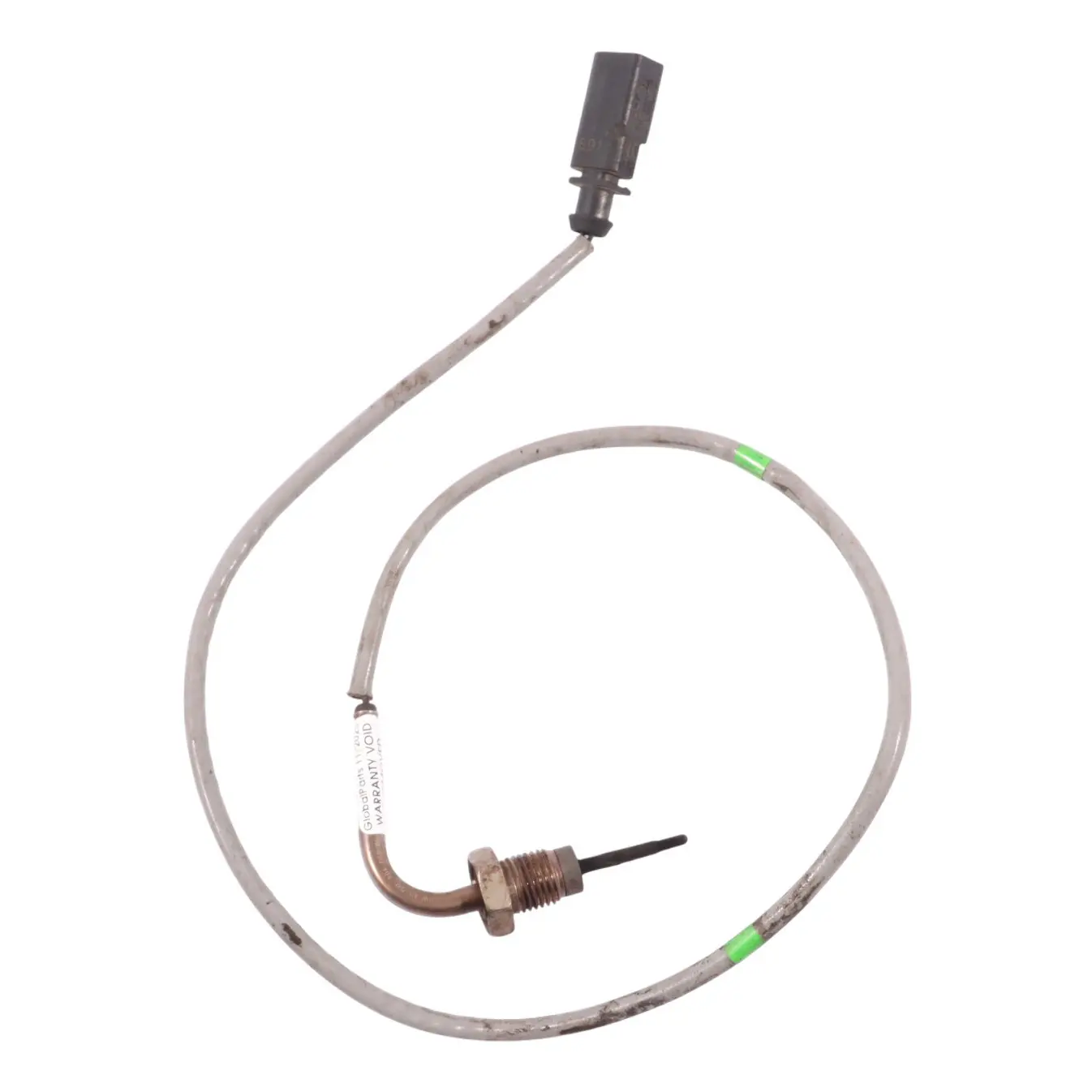
Part no. 04L906088BL
Skoda Octavia 5E Audi A3 8V Exhaust Gas Lambda Probe Oxygen Sensor 04L906088BL
£13.95
Free delivery: Jul 08
If paid before 14:00
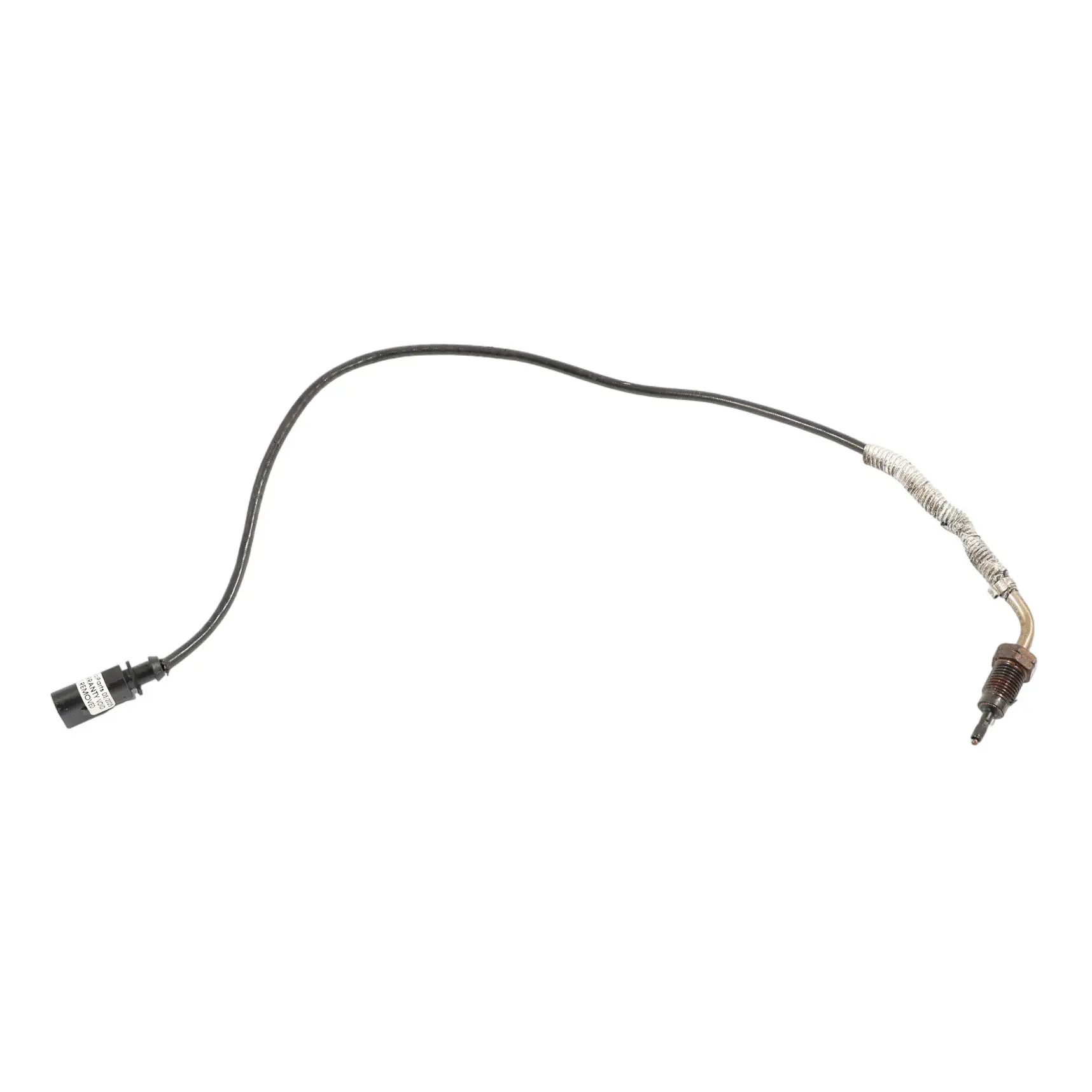
Part no. 04L906088AR
Skoda Octavia 5E 1.6 TDI Exhaust Gas Temperature Lambda Sensor 04L906088AR
£13.95
Free delivery: Jul 08
If paid before 14:00
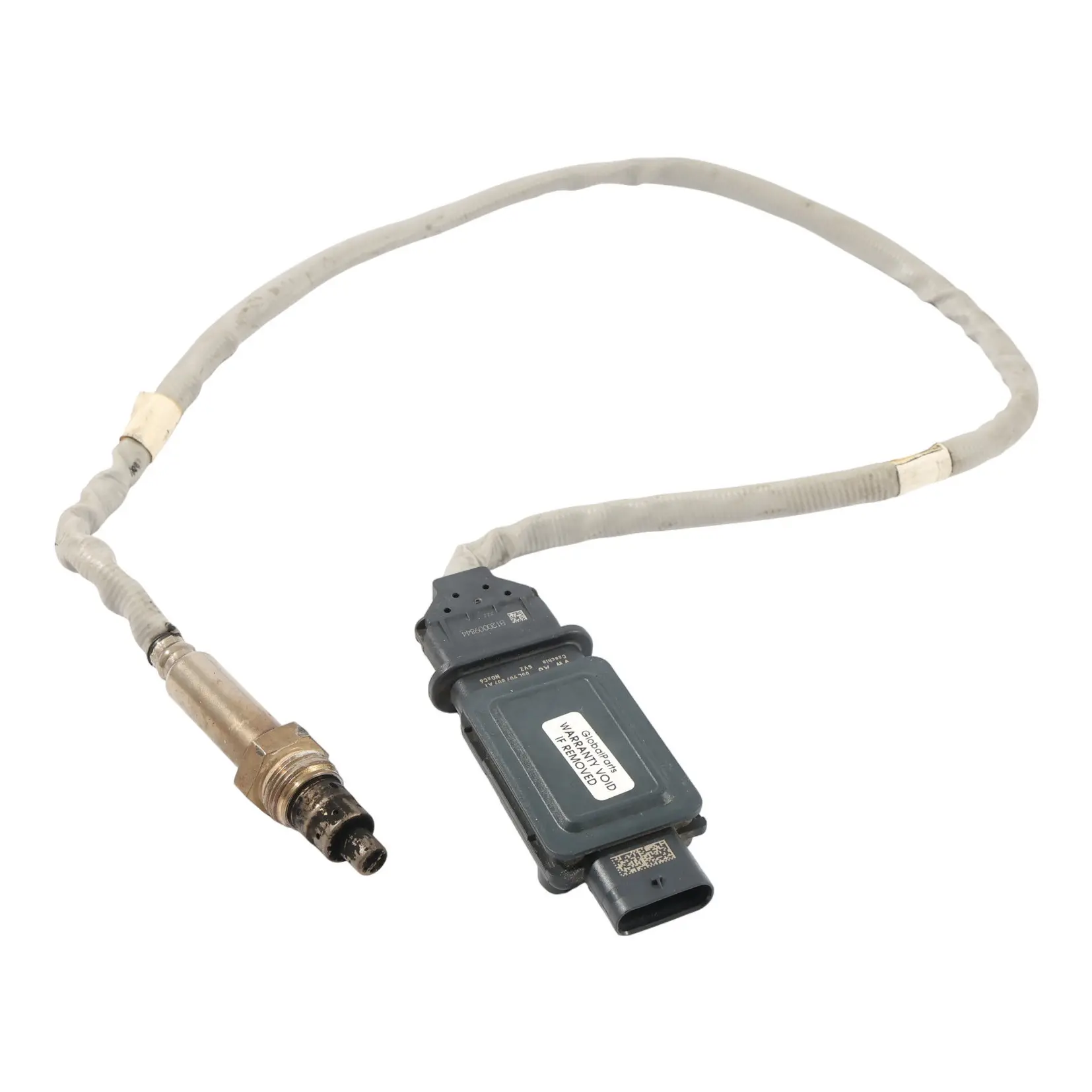
Part no. 05L907807AT
Skoda Karoq NOx Lambda Probe Sensor 2.0 TDI DTRB Diesel 05L907807AT
£279.95
Free delivery: Jul 9 – 16
If paid before 14:00
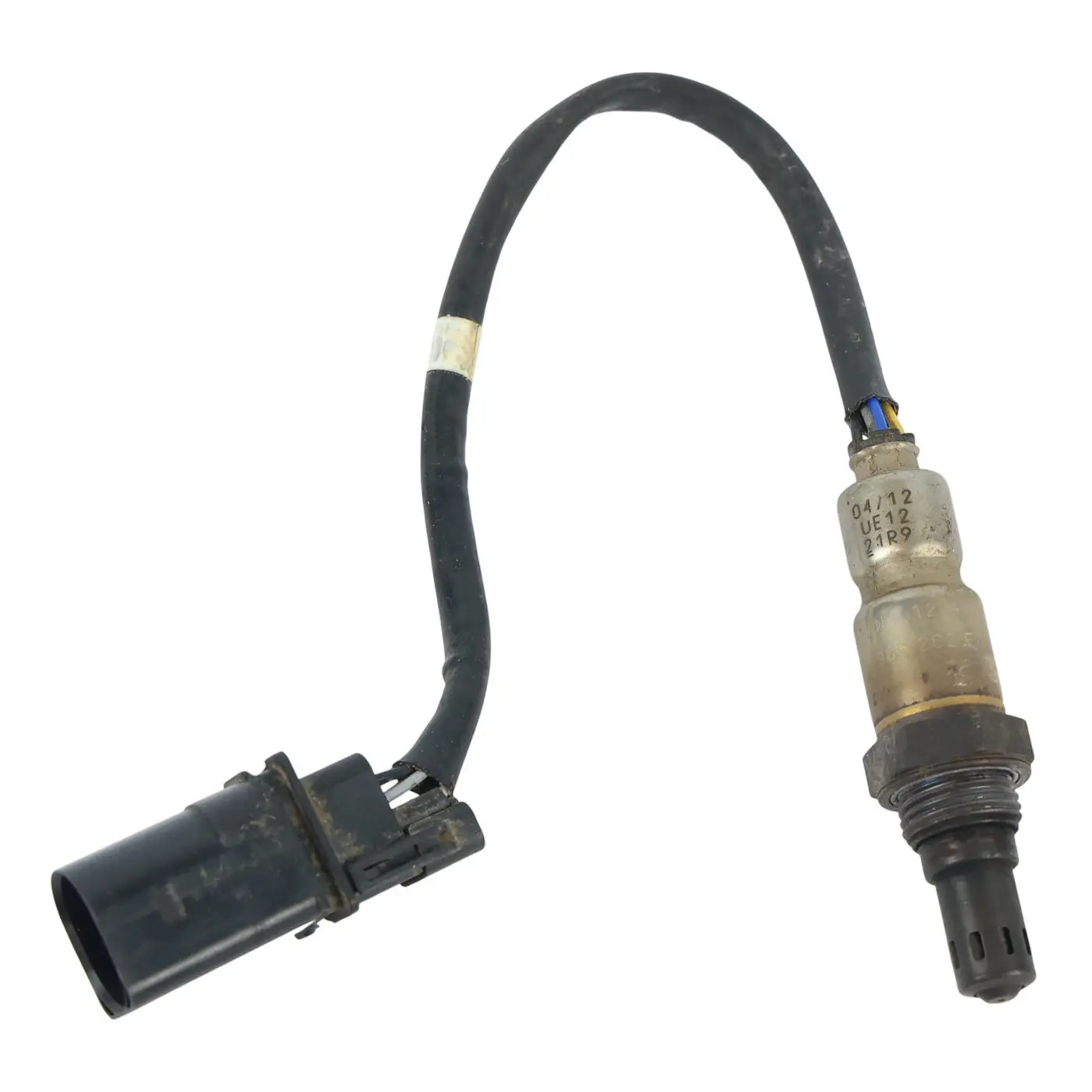
Part no. 03L906262E
Skoda Fabia Mk3 VW Polo Mk5 Seat Ibiza IV Lambda Sensor Probe 1.6 TDi 03L906262E
Product currently unavailable
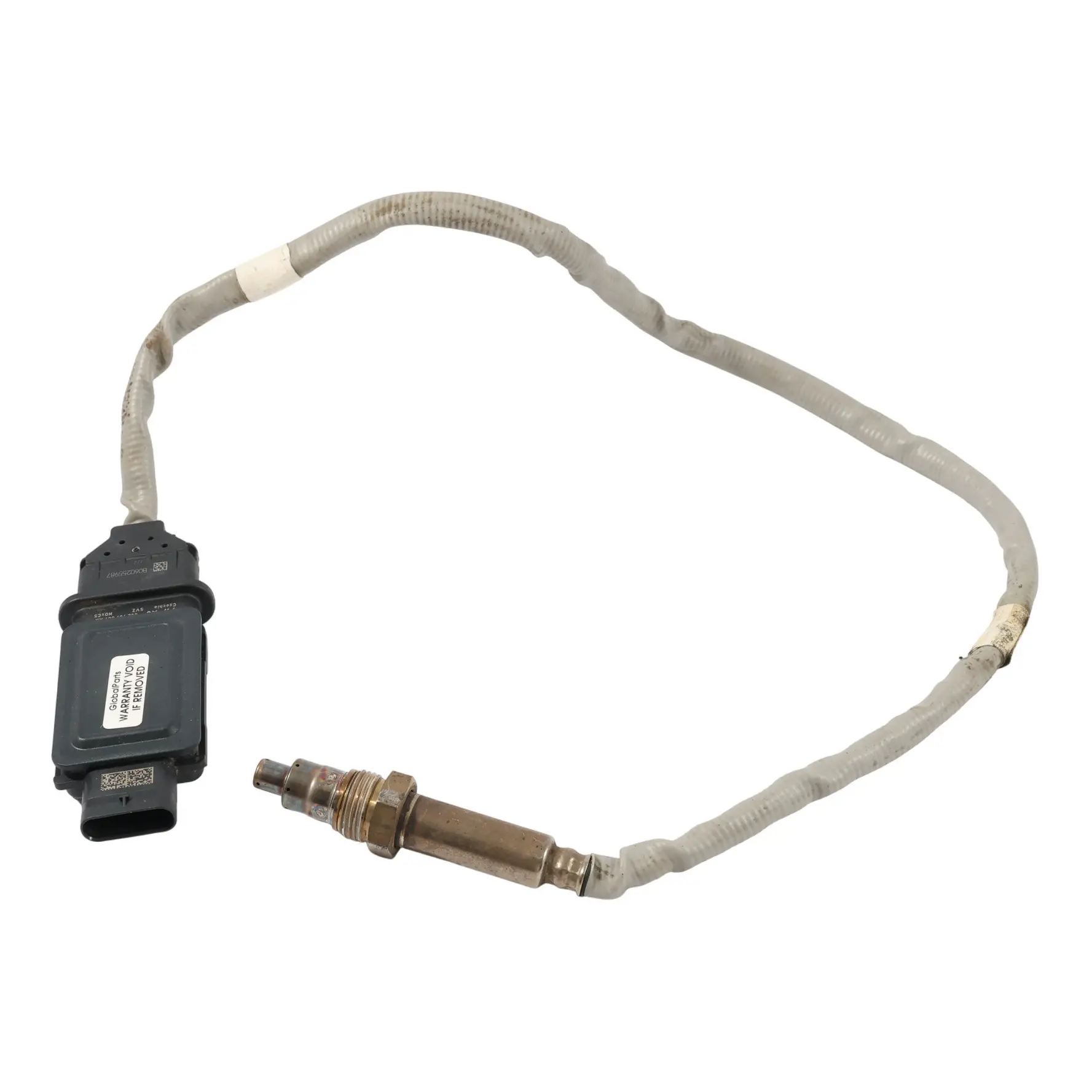
Part no. 05L907807AR
Skoda Karoq NOx Lambda Probe Sensor 2.0 TDI DTRB Diesel 05L907807AR
Product currently unavailable
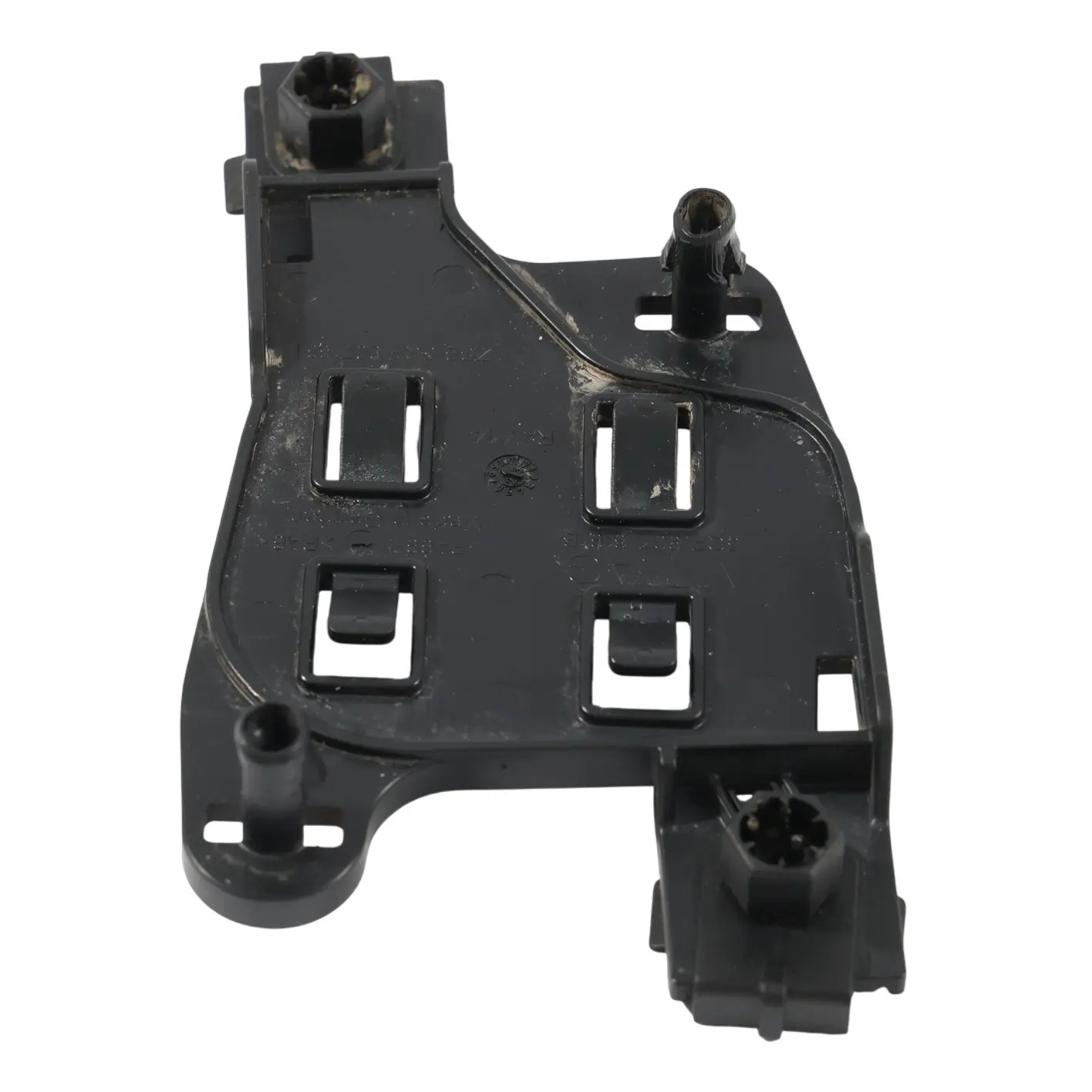
Part no. 5QF907816B
Skoda Karoq NOx Sensor Control Unit Retainer Bracket Housing Holder 5QF907816B
Product currently unavailable
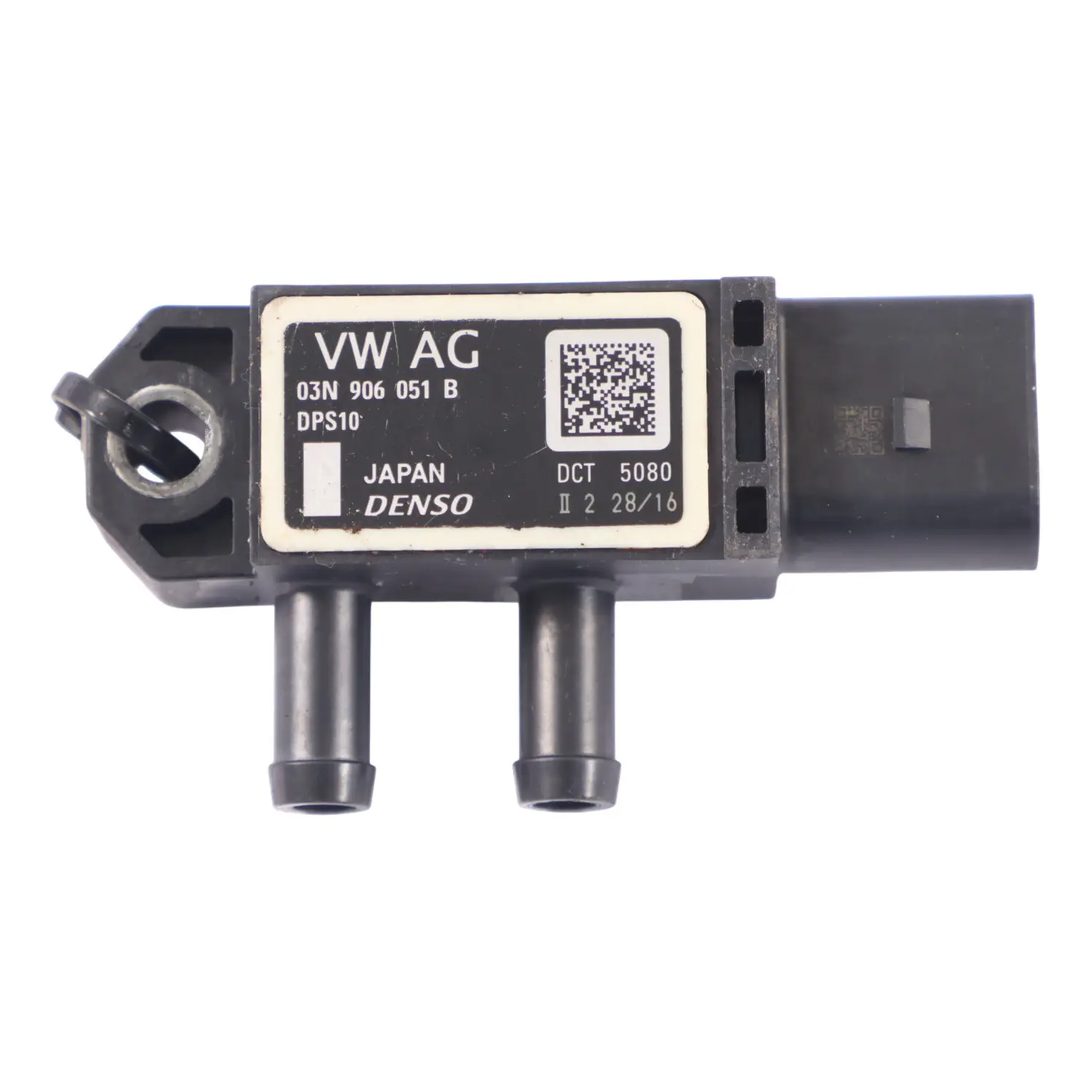
Part no. 03N906051B
Skoda Octavia 5E Exhaust DPF Pressure Sensor 03N906051B
Product currently unavailable
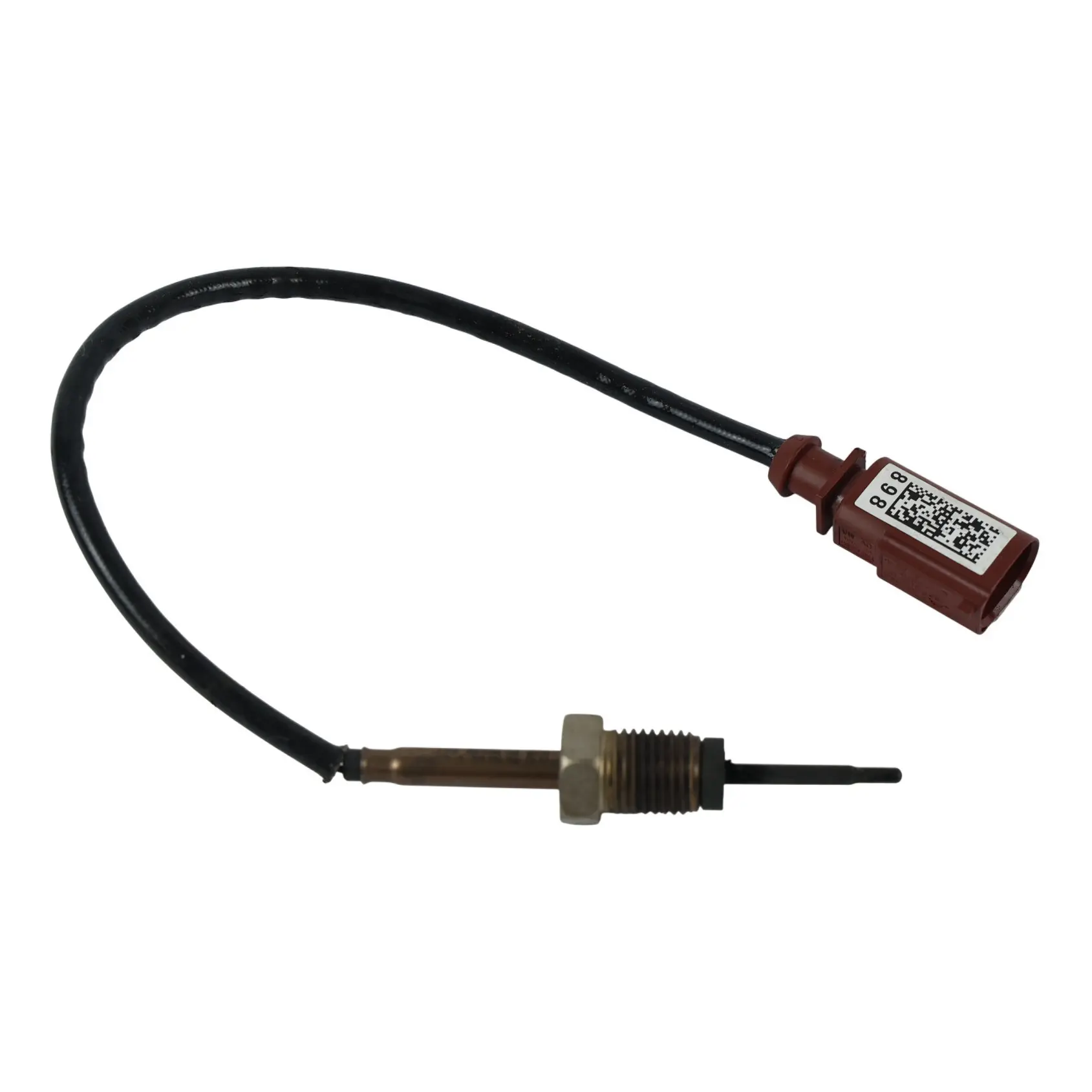
Part no. 05L906088F
Skoda Karoq Lambda Sensor Oxygen NOX Probe 2.0 TDI 05L906088F
Product currently unavailable
Original lambda sensors and O2 sensors – precise exhaust emission control
A wide selection of probes and sensors for BMW, Audi, Mercedes, MINI, Volkswagen and others
Lambda sensors and O2 sensors are essential components of the exhaust system that monitor oxygen levels in exhaust gases, supporting efficient fuel combustion and the reduction of harmful emissions. Their proper operation is necessary to meet emission standards and ensure optimal engine performance. In the Global Parts automotive store, you will find a wide selection of used car parts, including lambda sensors and O2 sensors, ideal for brands such as BMW, Audi, Mercedes, Volkswagen, Mini, and many others.
What functions do lambda sensors and O2 sensors perform?
Lambda sensors and O2 sensors perform key functions in a vehicle's exhaust system:
- Measuring oxygen levels in exhaust gases – Lambda sensors analyze the oxygen content in exhaust gases, providing data to the engine control unit.
- Regulating the air-fuel mixture – Based on sensor measurements, the engine control unit adjusts the fuel and air proportions, ensuring optimal combustion.
- Reducing exhaust emissions – Lambda sensors support the operation of the catalytic converter, helping to reduce the emission of harmful substances.
- Monitoring catalytic converter performance – Lambda sensors placed after the catalytic converter monitor its efficiency, reporting any potential faults. In practice, lambda sensors are divided into narrowband sensors (voltage changes in the range of 0.1–0.9 V) and wideband sensors (providing detailed data over a wider measurement range). Wideband O2 sensors are used in newer Audi and BMW models, among others, as they allow for more precise control of the fuel dose. These differences are important when matching parts – using the wrong sensor can result in engine performance errors.
Construction and purpose of lambda sensors and O2 sensors
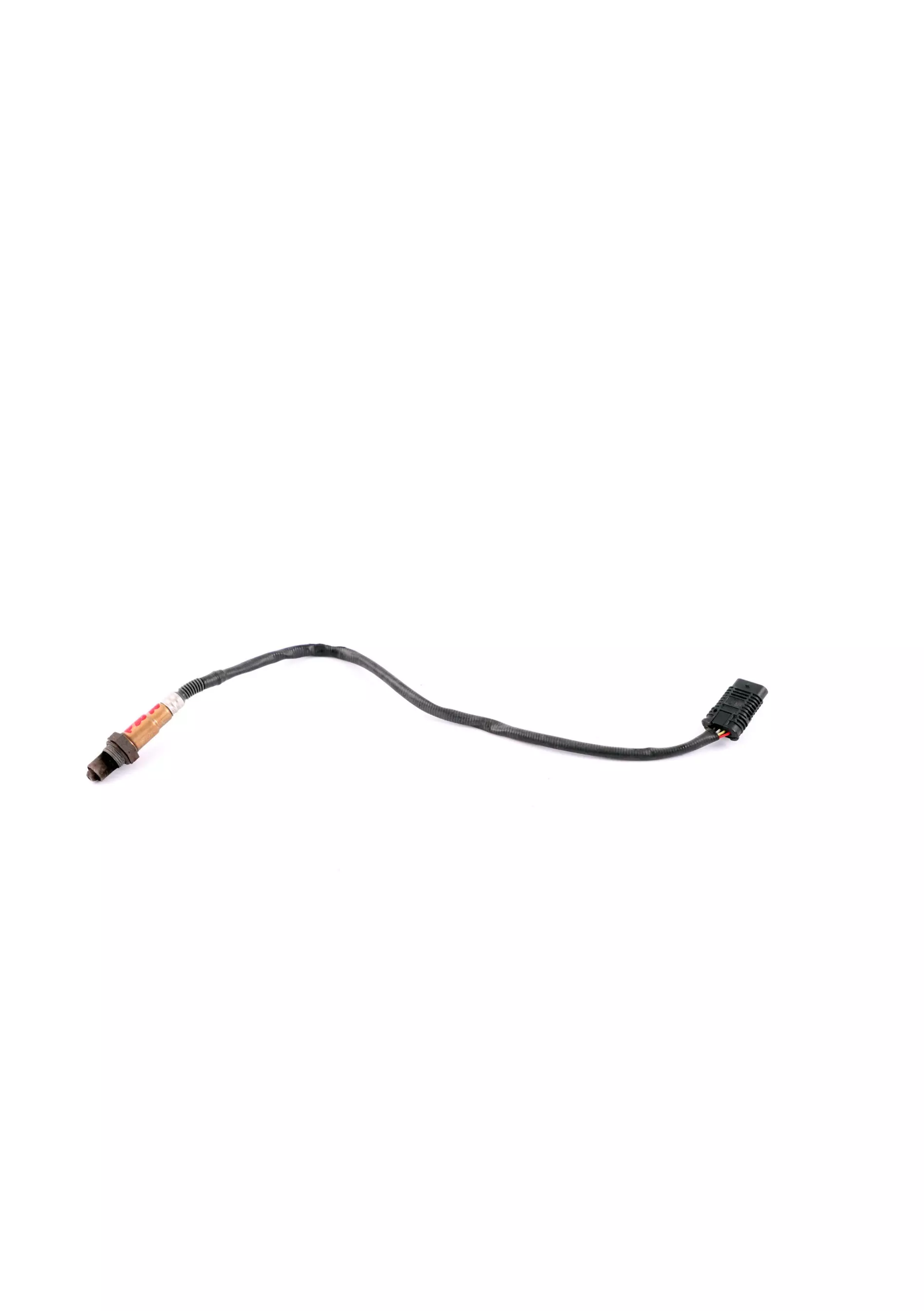
Lambda sensors and O2 sensors are sensors mounted in the exhaust system, most often before and after the catalytic converter. Their task is to read the oxygen content in the exhaust gases and transmit a signal to the engine control unit. A typical component consists of a measuring part, a threaded body, a cable, and an electrical connector. Depending on the car version, the number of wires, plug type, and signal characteristics vary.
Comparison of lambda sensor and O2 sensor types
| Sensor type | Typical number of wires | Operating position | What to check before purchase |
|---|---|---|---|
| Narrowband | 1–4 | Mainly older petrol systems | OEM number, plug type, cable length, position before or after the catalytic converter |
| Wideband | 5–6 | Newer petrol engines and some diesels | Signal type, ECU compatibility, OEM part number, and interchangeable numbers |
| Diagnostic sensor after catalytic converter | Depends on version | Section after the catalytic converter | Mounting location, connector type, compatibility with exhaust system and engine version |
Why is it worth taking care of lambda sensors and O2 sensors?
Damage or wear of lambda sensors and O2 sensors can lead to problems with engine efficiency and exhaust emissions. Typical symptoms of failure include:
- Power loss and rough engine operation – A faulty lambda sensor can cause incorrect adjustment of the air-fuel mixture.
- Increased fuel consumption – Improper lambda sensor operation can lead to a richer fuel mixture, increasing fuel consumption.
- Higher exhaust emissions – Faulty lambda sensors can disrupt the operation of the catalytic converter, causing an increase in harmful emissions.
- Dashboard errors – Problems with lambda sensors are often signaled by the "check engine" light. The typical lifespan of lambda sensors is between 80,000 and 160,000 km, depending on the manufacturer and operating conditions. O2 sensors are exposed to high temperatures (up to 900°C) and contact with fuel residues, which is why replacing them at the right time is important for both ecology and driving economy. Correctly matching the sensor by VIN or model specification guarantees compatibility with the given car's exhaust system. At Global Parts, we offer used car parts, including used lambda sensors and O2 sensors that have undergone detailed quality tests.
The importance of the sensor signal for engine and exhaust system operation
The lambda sensor signal is used for real-time correction of the air-fuel mixture composition. When the reading is incorrect, the control unit may supply a mixture that is too rich or too lean, which affects engine smoothness, fuel consumption, and the effectiveness of exhaust purification. The O2 sensor works not only with the ECU but also with components such as catalytic converters or EGR valves and parts. Therefore, during diagnostics, it is worth looking at the entire system, not just a single error code stored in the control unit's memory.
How to choose the right lambda sensors and O2 sensors?
When choosing lambda sensors and O2 sensors, pay attention to several key aspects:
- Compatibility with the vehicle model – Every exhaust system has its specific technical requirements. In the Global Parts automotive store, you will find lambda sensors and O2 sensors perfectly matched to BMW, Audi, Mercedes, Volkswagen, Mini, and others.
- Type of lambda sensor – Ensure that the selected sensor matches your system (one-, two-, three-, or four-wire).
- Technical condition – Used lambda sensors and sensors should be free from mechanical and electrical damage, and their cables should be in good condition.
Selection by OEM number, connector, and mounting location
Selecting a lambda sensor involves comparing the OEM part number, fuel type, number of pins, and mounting location in the vehicle. The same make and model may have different sensor versions depending on the engine, year, emission standard, and whether the component operates before or after the catalytic converter. For parts such as a BMW E87 116i lambda sensor, it is worth comparing the manufacturer's marking, cable length, and plug version. When choosing a component like a BMW E60 530d lambda sensor, compatibility with the diesel system and the mounting position relative to diesel particulate filters is also important if the specific car version is equipped with one.
Cooperating elements and installation practice
The lambda sensor socket is a threaded point in the exhaust system where the sensor responsible for oxygen measurement is screwed in. During installation, it is necessary to check the condition of the thread, cable routing, distance from hot components, and connector compatibility with the car's wiring harness. If you are looking for a component such as an Audi A4 B8 temperature sensor, you should also compare the connector, seating location, and OEM number, as similar matching principles apply to several cooperating sensors in the exhaust system electronics. Diagnostic support can be found in our guide Used automotive electronics on board – why is it worth choosing second-hand ECU modules and sensors?, which discusses selection by VIN and equipment compatibility.
Why choose used lambda sensors and O2 sensors?
Used car parts, such as lambda sensors and O2 sensors, are a practical solution that allows for savings while maintaining high quality. By choosing used lambda sensors and O2 sensors, you gain:
- Lower costs – Used components are significantly cheaper than new ones but offer equally high quality.
- Ecology – Recycling car parts supports environmental protection and reduces waste.
- Wide selection – In our store, you will find lambda sensors and O2 sensors for the most popular car brands. It is worth noting that many O2 sensors in the Global Parts offer come from premium brand cars, where original parts are known for their high durability. This allows customers to count on excellent fitment for their model and full compliance with factory parameters. This makes purchasing such components an economical and technically safe solution.
How to take care of lambda sensors and O2 sensors?
To ensure lambda sensors and O2 sensors work reliably for a long time, it is worth following a few rules:
- Regularly check the condition of lambda sensors during exhaust system diagnostics, especially if the "check engine" light appears.
- Use high-quality fuel to reduce the amount of deposits and contaminants in the exhaust system.
- Replace lambda sensors according to the manufacturer's recommendations or in case of visible signs of failure.
- If replacement is necessary, at Global Parts you will find suitable used parts for the exhaust system.
FAQ
| Question | Answer |
|---|---|
| What is the construction and purpose of lambda sensors and O2 sensors? | Lambda sensors and O2 sensors are measuring elements mounted in the exhaust system, most often in the manifold, exhaust pipe, or near the catalytic converter. A typical sensor consists of a body with a thread, a measuring part, a cable, and an electrical connector. Their purpose is to read the oxygen content in exhaust gases and transmit data to the engine control unit. Depending on the version, they can operate as control or diagnostic sensors. |
| What are lambda sensors and O2 sensors used for? | Lambda sensors and O2 sensors are used to control exhaust gas composition and correct the air-fuel mixture. Thanks to them, the control unit can maintain proper combustion, reduce fuel consumption, and support the effective operation of the catalytic converter. Their operation also affects idle stability and engine response to load. Incorrect readings can cause emission errors, poorer dynamics, and problems with exhaust system diagnostics. |
| What role does the lambda sensor socket play? | The lambda sensor socket is a threaded mounting point made in an exhaust system component. It serves to stably seat the sensor in a place where exhaust flow allows for accurate oxygen content measurement. Its condition is important for connection tightness, proper tightening, and the safety of the sensor cable. A damaged thread or improper cable positioning can hinder installation and subsequent service. |
| How to choose the right lambda sensor for a specific car? | It is best to compare the OEM part number, interchangeable numbers, fuel type, and mounting location before or after the catalytic converter. It is also worth checking the plug type, number of wires, and compatibility with the engine version. If the car has several equipment variants, verification by VIN will be helpful. |
| What symptoms indicate a problem with a lambda sensor or O2 sensor? | Most often, rough engine operation, higher fuel consumption, poorer throttle response, and a "check engine" light appear. There may also be an increase in exhaust emissions and errors related to mixture correction or catalytic converter efficiency. Symptoms should be confirmed by computer diagnostics and live parameter monitoring. |
| What should be paid attention to when installing a used lambda sensor? | Before installation, you must check the condition of the thread, cable, shield, and electrical connector. It is also important to route the harness correctly away from very hot components and match the part to the specific mounting position. If necessary, it is also worth checking the cooperating exhaust system gaskets: tightness and engine efficiency. |
Summary: lambda sensors and O2 sensors at the Global Parts automotive store
Lambda sensors and O2 sensors are key exhaust system components that ensure optimal fuel combustion and control exhaust emissions. The Global Parts offer includes used components matched to many engine versions and many car models from brands such as Mercedes, Audi, BMW, and others. When choosing, it is worth comparing the OEM number, fuel type, mounting location, and compatibility with exhaust system equipment to select the right part for the specific vehicle configuration. We invite you to contact us – we are here to help! For more information and interesting facts, we also invite you to visit our automotive blog.