


Oil pumps and parts
More informationAt Global Parts, we offer a wide selection of genuine used car parts, including oil pumps and parts for many popular car brands such as BMW, Mini, Mercedes, Audi, Volkswagen, and others. Each oil pump and part we offer undergoes quality control to ensure you receive a top-quality product.
GB
Make
Category
Subcategory
Timing Components & Kits
Condition
In Stock
Price
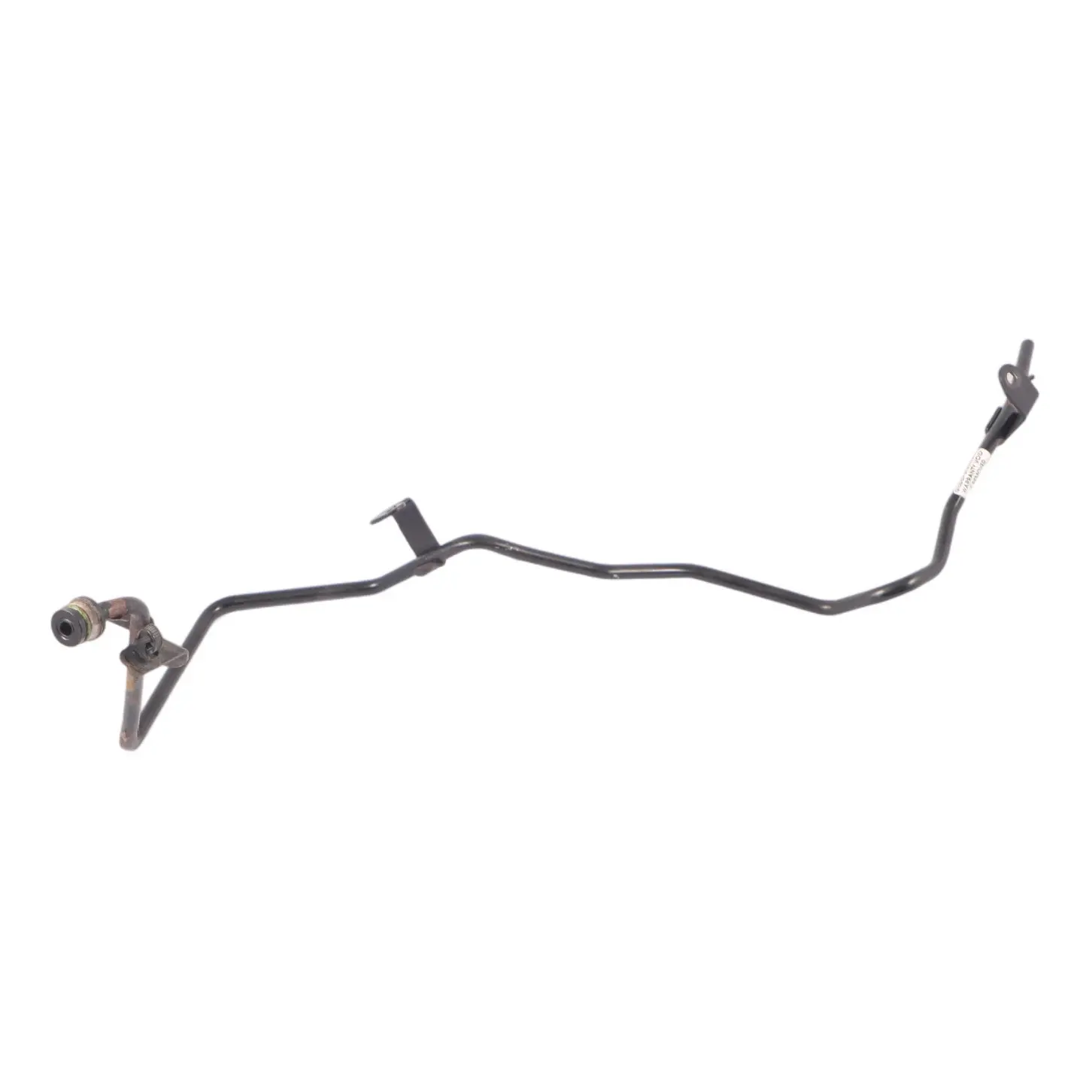
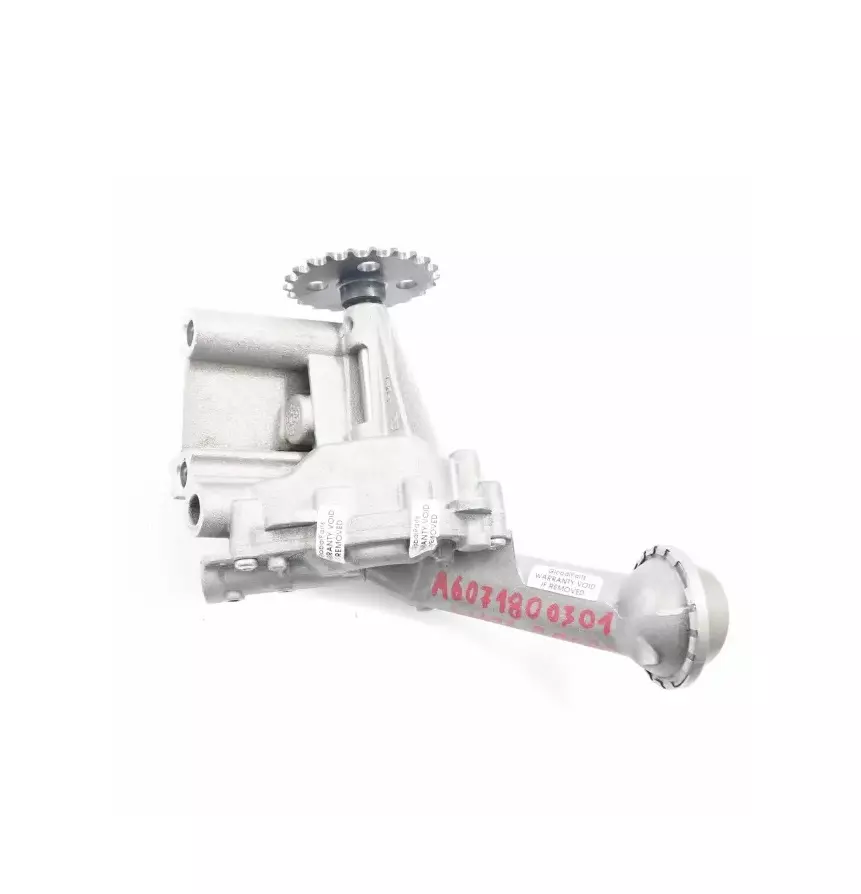
Oil pumps – reliable engine lubrication and component protection
The structure and role of oil pumps in the car lubrication system
Oil pumps and parts: the key to efficient engine lubrication
Oil pumps are the heart of the lubrication system in every car. They are responsible for delivering oil to all key engine components, ensuring proper lubrication and cooling. Without a functional oil pump, the engine can suffer serious damage due to excessive friction and overheating. In the Global Parts automotive store, you will find a wide selection of used car parts, including oil pumps and components, perfectly matched to brands such as BMW, Audi, Mercedes, Volkswagen, Mini and others.
What components do oil pumps and parts include?
Oil pumps and their parts are a set of components that work together to ensure the proper functioning of the lubrication system. The most important elements include:
- Oil pumps – the main device that pumps oil at the appropriate pressure into the lubrication system.
- Gears and drive chains – transfer power from the engine to the oil pump, ensuring its continuous operation.
- Oil filters – remove contaminants from the oil, protecting the engine from damage.
- Gaskets and seals – ensure the tightness of the pump and the entire lubrication system, protecting against leaks.
- Drain plugs – allow for easy oil draining from the oil pan during service.
- Oil pans – store the oil and allow it to circulate within the system. Each of these elements must be in perfect condition to ensure reliable engine operation.
Design and purpose of oil pumps and parts
Oil pumps and parts are a set of components mounted in the lower part of the power unit, usually near the oil pan and the timing or crankshaft drive. Their task is to draw in oil, generate the correct pressure, and direct the lubricant to the engine's oil channels. A typical set works with a suction pipe, oil pickup, relief valve, and sealing elements, which is why it is worth checking the OEM number, fuel type, and compatibility with the engine version when selecting parts.
The role of oil pressure and cooperating components
Oil pressure is used to maintain a lubricating film between moving engine surfaces, such as bearings, the crankshaft, or camshafts. Too low pressure means that oil is not reaching all lubrication points correctly, while too high pressure may indicate a problem with the control valve or system obstruction. For parts such as a BMW E46 oil pump, you must compare the OEM part number, drive method, and compatibility with the oil pan and engine variant.
Comparison of oil pump types
Gear pumps – most commonly used in petrol engines, providing high efficiency at low production costs. Screw pumps – used in some diesel engines, providing uniform oil flow and reducing pressure pulsations. Rotary pumps – characterized by high reliability in high-mileage engines and at elevated operating temperatures.
Differences between oil pump types and elements to check
| Component type | Operating characteristics | Application | What to check before purchase |
|---|---|---|---|
| Gear pump | Simple design, stable oil pumping | Often in petrol engines | OEM number, drive type, housing, mounting points |
| Rotary pump | Smooth operation and good efficiency at various RPMs | In many modern units | Compatibility with engine version, control valve, port diameter |
| Pump with chain or drive gear | Operation depends on drive condition and mounting alignment | Engines with extensive lubrication accessories | Condition of gears, play, compatibility with timing chains, belts, and mounting kits |
| Set with accessories | Pump including seals and auxiliary elements | Comprehensive repairs | Completeness, gasket type, compatibility with gaskets and mounting parts |
Oil pumps used in passenger cars reach a typical operating pressure of 2.5–4 bar at an engine speed of 2000–3000 rpm. The efficiency of gear pumps averages 60–120 l/min, while rotary and screw pumps provide a more uniform oil flow in diesel engines. Pumps are compatible with specific oil pans and filters; for example, in the BMW E46 and E60, pumps matched to specific oil capacities are used to avoid lubrication shortages.
Why is it worth taking care of oil pumps and their parts?
Regular maintenance and replacement of worn oil pump and lubrication system components are the key to long and reliable engine operation. Neglecting this system can lead to:
- Excessive wear of key engine components, such as pistons, crankshafts, or bearings.
- Engine seizure due to lack of lubrication.
- Reduced efficiency and shortened service life of the power unit. At Global Parts, we offer used car parts that have undergone detailed quality tests, ensuring their full functionality.
How to choose the right oil pumps and parts?
When choosing an oil pump and its parts, it is worth paying attention to several key aspects:
- Vehicle model fitment – every car make and model requires specific solutions. At Global Parts, you will find used oil pumps and parts perfectly matched to BMW, Audi, Mercedes, Volkswagen, Mini and others.
- Technical condition – ensure that the components are free from damage and corrosion.
- Oil pump type – depending on the engine design, pumps may have different operating mechanisms, e.g., gear, screw, or rotary.
Selection by OEM number, engine version, and accessories
The relief valve is a control element that limits maximum oil pressure and directs excess oil back into the circuit. Its condition has a direct impact on pump operation, so when purchasing, it is also worth evaluating the housing, seats, and contact surfaces. When choosing an element such as an Audi A4 B7 breather, you should additionally verify the compatibility of the ventilation hoses with the engine version, as the lubrication system works in conjunction with the crankcase ventilation and oil filters.
Inspection and installation procedure for oil pumps
Before installation, you must check the cleanliness of the oil channels, the condition of the contact surfaces, and the completeness of the seals. The oil pump is used to force oil circulation, so even a small leak on the suction side can reduce lubrication effectiveness after starting the engine. If you are looking for a component such as a BMW E90 320i breather, it is worth simultaneously comparing the patency of the hoses and compatibility with the valve cover variant, as ventilation problems often accompany repairs involving oil pans and the lower part of the engine.
- Clean the contact surface of the pump to the engine block.
- Install the gasket or use high-temperature silicone if specified by the manufacturer.
- Bolt the pump according to the tightening torque specified by the manufacturer.
- After starting the engine, check the oil pressure and ensure there are no leaks.
Why choose used oil pumps and parts?
Used car parts are a solution that allows for savings while maintaining high quality. By choosing oil pumps and their components, you gain:
- Lower costs – used components are significantly cheaper than new ones but offer equally high quality.
- Ecology – you support recycling and reduce the amount of automotive waste.
- Wide offer – in our store, you will find a wide selection of car parts, including pumps and parts for the most popular car brands. Oil pumps are often equipped with bypasses and pressure-limiting valves that protect the engine from overload. In the BMW E87 and E90, external pumps integrated with oil filters are used, which simplifies service and reduces the risk of oil shortage in the main engine channels.
How to take care of an oil pump and its parts?
To ensure that an oil pump and its components work reliably for years, it is worth remembering a few rules:
- Regularly change the engine oil and filters to avoid contaminants in the lubrication system.
- Check the tightness of the pump and the condition of gaskets and seals.
- Monitor the oil level in the oil pan to ensure optimal operating conditions for the pump. In practice, it is also worth comparing the OEM part number, interchangeable numbers, technical condition, and fuel type provided with the offer. A helpful supplementary material is the guide VW brand cars: economical restoration of full efficiency thanks to parts from professional dismantling, which shows how to reasonably assemble engine and accessory components.
FAQ
| Question | Answer |
|---|---|
| What is the design and purpose of oil pumps and parts? | Oil pumps and parts are a set of lubrication system components mounted within the engine, most often in its lower part. A typical set includes the pump body, pumping mechanism, control valve, drive, seals, and cooperating elements such as the oil pickup. Their task is to draw oil from the pan and pump it into the lubrication channels at the appropriate pressure. |
| What are oil pumps and parts used for? | Oil pumps and parts are used to ensure constant oil circulation in the engine and maintain proper lubrication pressure. Thanks to this, oil reaches the bearings, crankshaft, pistons, and other loaded components. A functional system reduces friction, supports cooling, and helps remove contaminants to the filter. |
| What is the design and function of an oil pump relief valve? | The oil pump relief valve is a control element responsible for monitoring maximum pressure in the lubrication system. It usually consists of a seat, a plunger or poppet, and a spring matched to the specific engine design. Its task is to open a bypass during excessive pressure increases, which protects seals, the filter, and oil channels from overload. |
| How to choose an oil pump for an engine version? | The safest way is to compare the OEM number, interchangeable numbers, fuel type, and the exact version of the power unit. It is also worth checking the pump drive method, housing shape, mounting points, and compatibility with the oil pan. For engines available in several variants, verification by VIN is also helpful. |
| What symptoms may indicate a problem with the oil pump or accessories? | Typical signals include drops in oil pressure, a lubrication warning light, noise from the lower part of the engine, and delayed pressure buildup after startup. In practice, it is also worth evaluating the condition of the oil pickup, seals, pump drive, and hose patency. These symptoms do not always mean the pump itself has failed, but they require an inspection of the entire system. |
| What should be paid attention to when installing an oil pump? | Clean contact surfaces, proper sealing, and component compatibility with the specific engine are key. You should check the condition of the oil channels, pump drive, and the presence of all mounting elements. After assembling the system, it is worth checking for leaks and confirming correct oil pressure after starting the engine. |
Summary: oil pumps and parts at the Global Parts automotive store
Oil pumps and their parts are the foundation of proper lubrication system operation, which protects the engine from wear and overheating. In the Global Parts offer, you will find components matched to cars from brands such as BMW, Audi, Mercedes, and others, and when choosing, you can rely on data such as brand, condition, OEM part number, interchangeable numbers, and fuel type. This category is useful both for a single pump replacement and when completing a larger repair involving engines and parts. We invite you to contact us – we are here to help you! For more information and interesting facts, we also invite you to visit our automotive blog.