


Leaf springs and springs
More informationAt Global Parts, we offer a wide selection of original used car parts, including leaf springs and struts for many popular car brands such as BMW, Mini, Mercedes, Audi, Volkswagen, and others. Our leaf springs and struts undergo quality control to ensure you receive a top-quality product.
GB
Make
Category
Subcategory
Condition
In Stock
Price
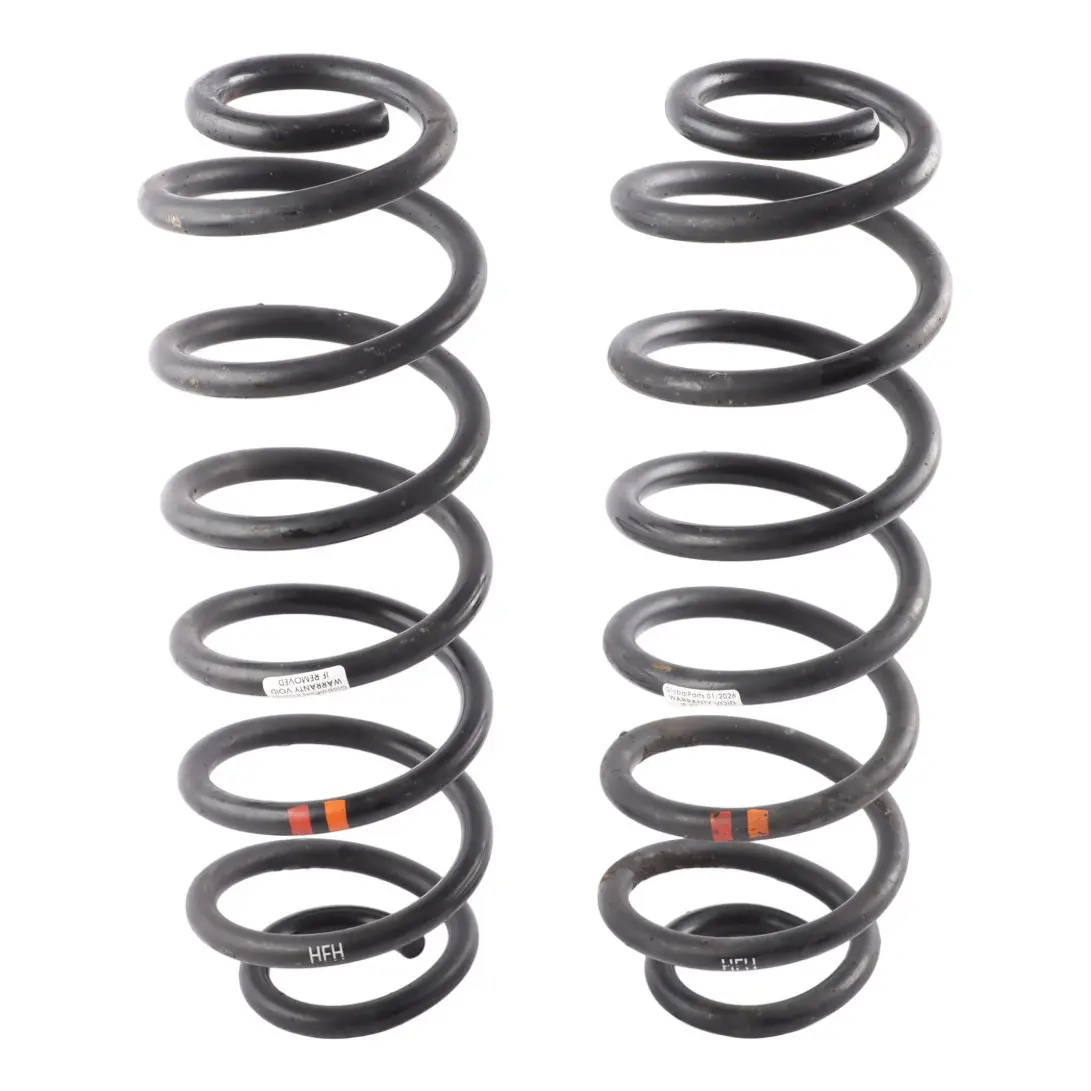
Part no. 1K0511115CM
Skoda Yeti 5L Rear Axle Coil Spring Left Right N/O/S SET Red Orange 1K0511115CM
£66.95
Free delivery: Jul 08
If paid before 14:00
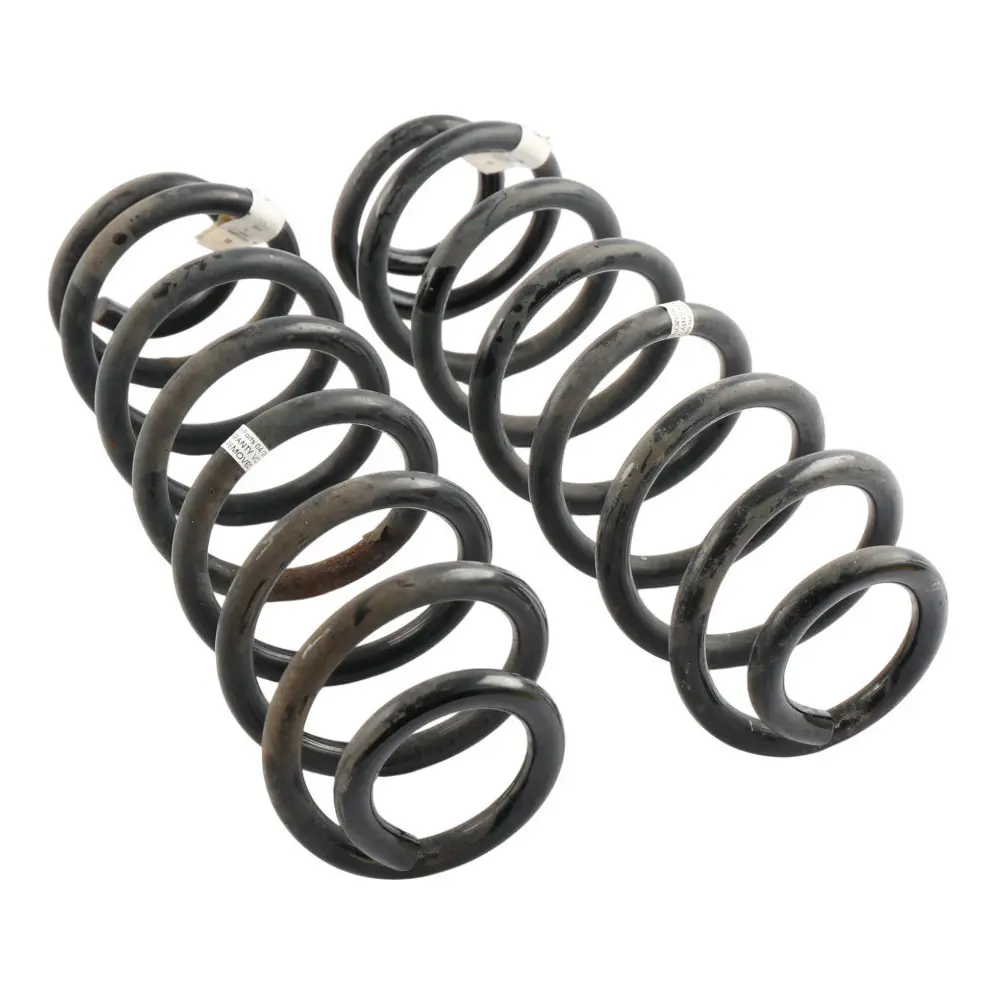
Part no. 3Q0511115M
Skoda Superb Mk3 Rear Suspension Coil Spring SET X2 Left Right N/O/S 3Q0511115M
£56.95
Free delivery: Jul 08
If paid before 14:00

Part no. 1J0511115BC
Skoda Rapid Spaceback NH1 Rear Axle Coil Spring Left Right N/O/S Set 1J0511115BC
£37.95
Free delivery: Jul 08
If paid before 14:00
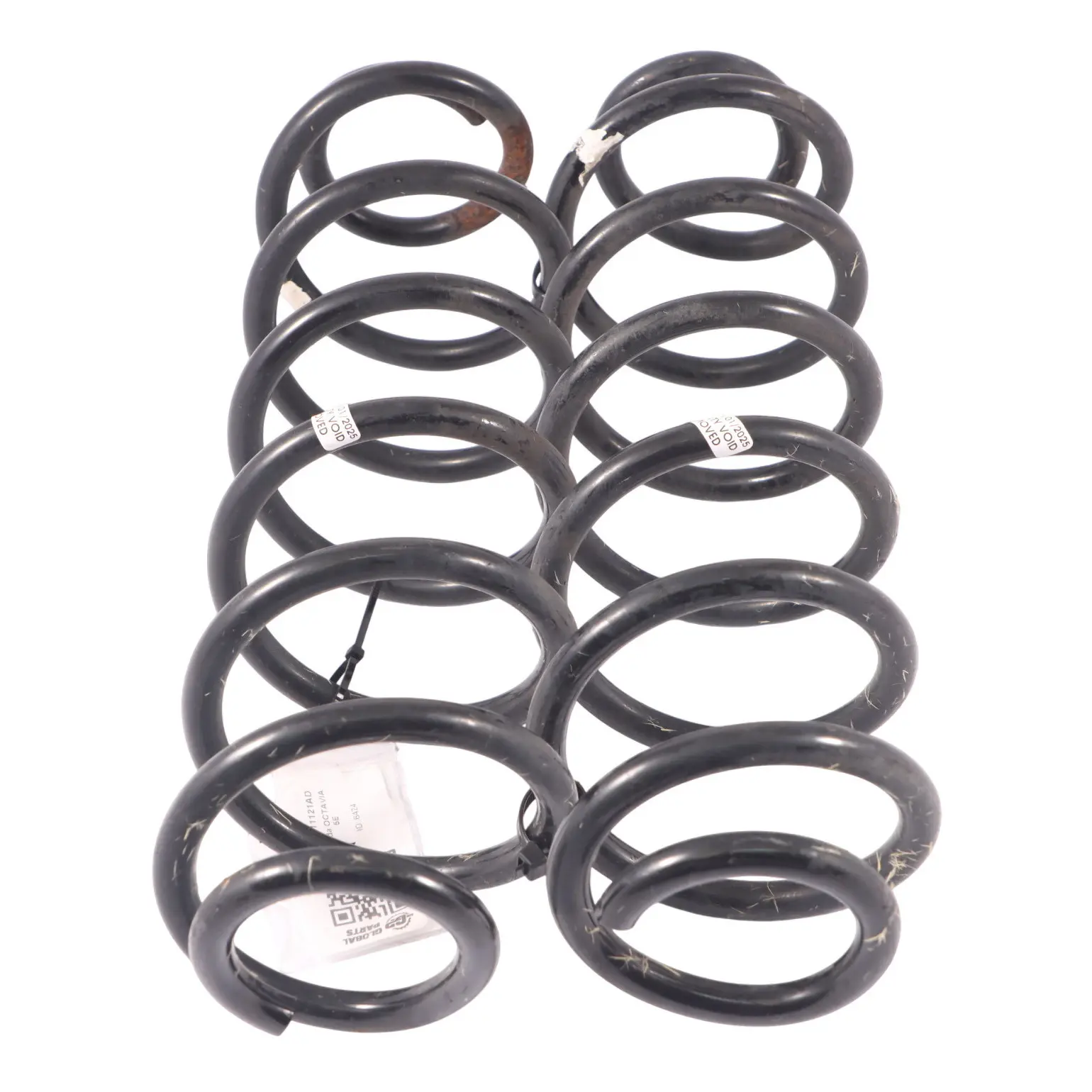
Part no. 5Q0511121AD
Skoda Octavia 5E Rear Axle Spring Coil Left Right N/O/S Set 5Q0511121AD
£18.95
Free delivery: Jul 08
If paid before 14:00
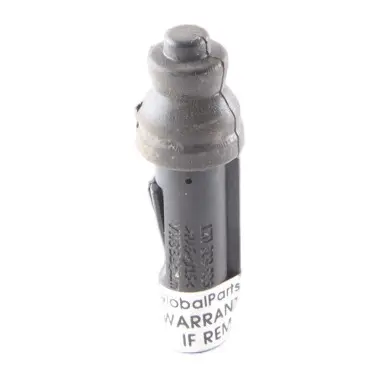
Part no. 1Z0809986
Skoda Octavia II Fuel Cap Spring Buffer 1Z0809986
£13.95
Free delivery: Jul 08
If paid before 14:00
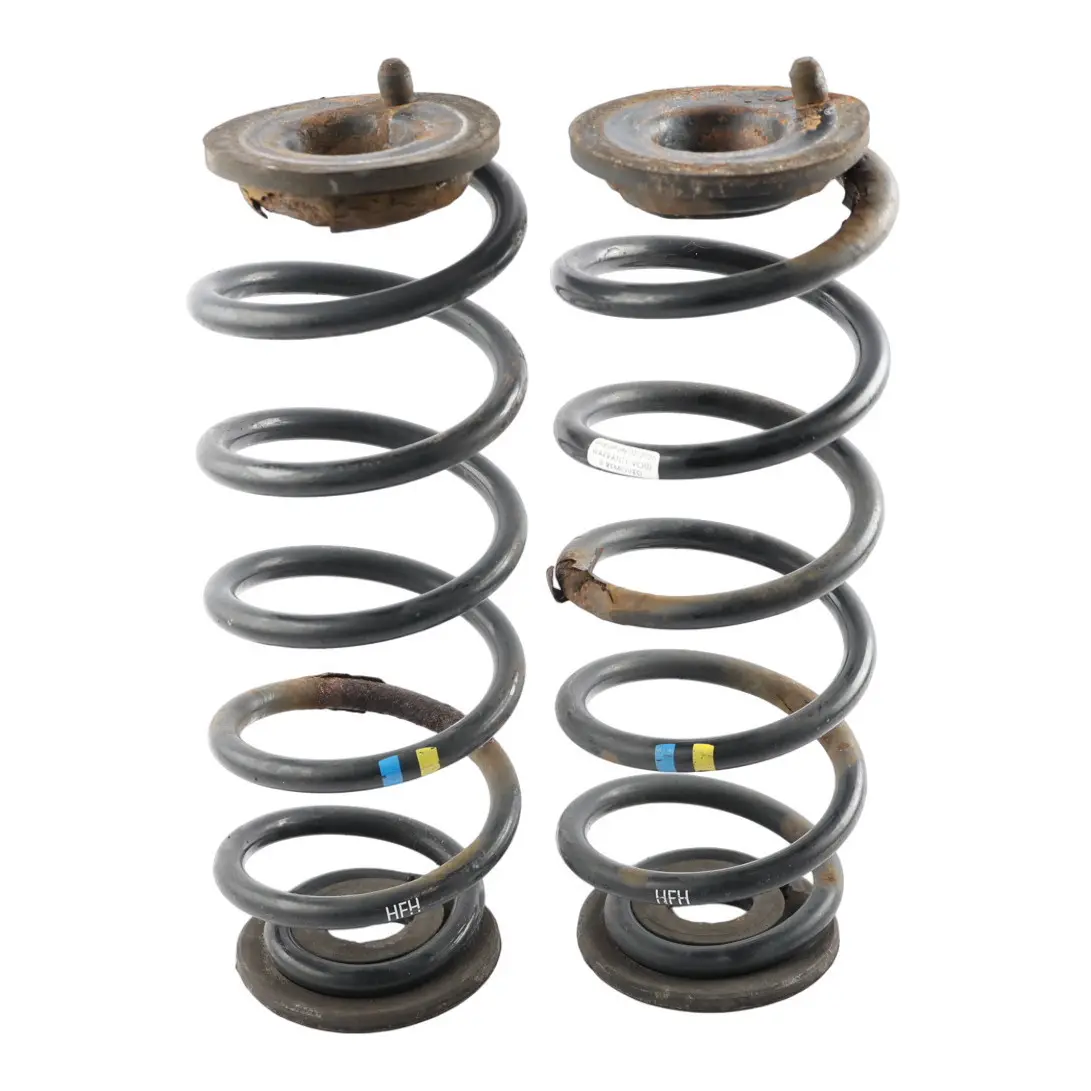
Part no. 1K0511115BR
Skoda Octavia Mk2 Rear Coil Spring Suspension Left Right N/O/S Set 1K0511115BR
£28.95
Free delivery: Jul 08
If paid before 14:00
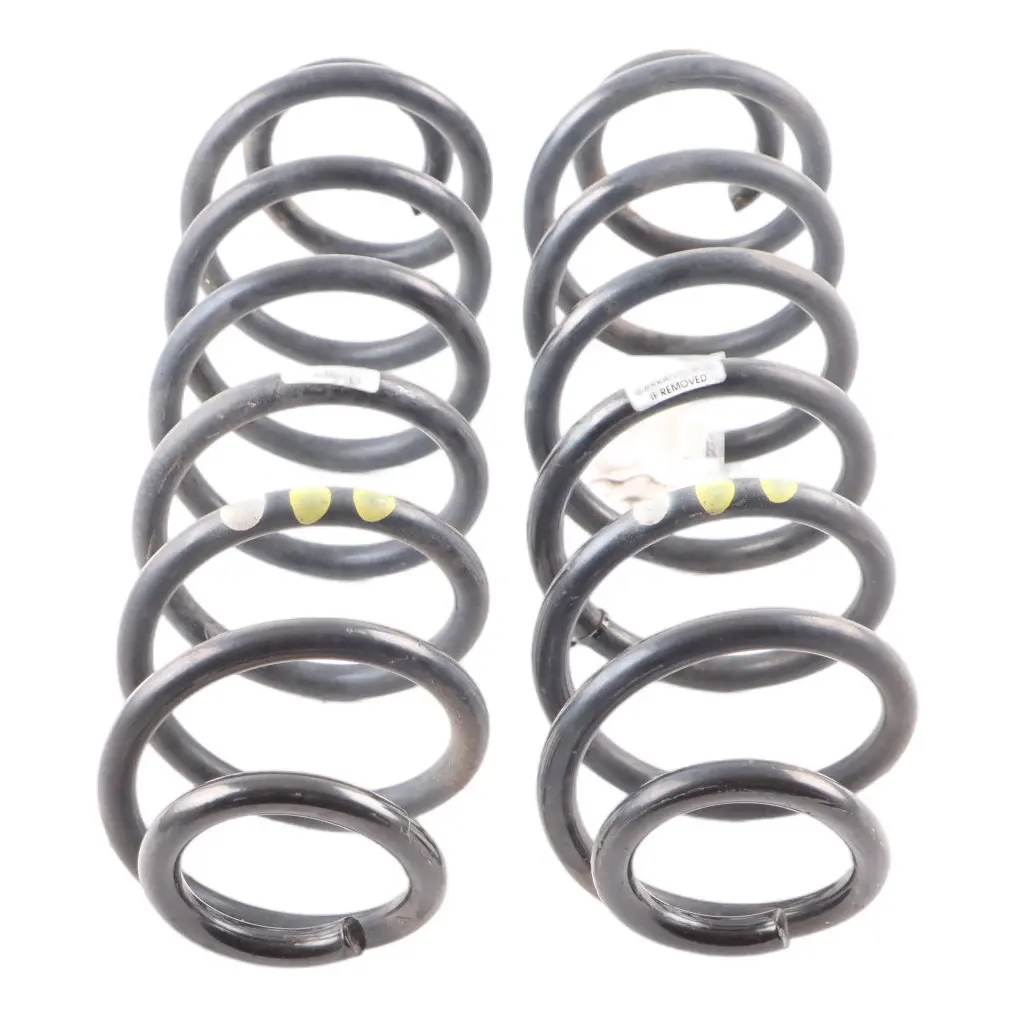
Part no. 1K0511115BE
Skoda Octavia II Coil Spring Suspension Rear Left Right N/O/S Set 1K0511115BE
Product currently unavailable
Leaf springs and suspension springs for comfortable suspension operation
Comfortable leaf springs and springs for the rear and front suspension
Leaf springs and coil springs are key components of the suspension system, responsible for absorbing shocks, stabilizing the vehicle, and ensuring driving comfort. Thanks to their operation, the vehicle's suspension adapts to loads and road conditions, guaranteeing the safety and durability of the entire system. In the Global Parts automotive store, you will find a wide selection of used car parts, including leaf springs and coil springs, ideal for brands such as BMW, Audi, Mercedes, Volkswagen, Mini, and others.
Technical construction of leaf springs and coil springs
Leaf springs are steel strips, usually made of spring steel with high fatigue strength, which form a leaf spring assembly – a load-bearing element used mainly in the rear axle of delivery vehicles, pick-ups, and commercial vehicles. A set of several steel strips of varying lengths works as a flexible pack that bends under load, providing adequate load capacity and stability. Coil springs, most commonly in the form of suspension coil springs, operate on the principle of material elasticity – under pressure, they compress and then return to their original shape. A typical suspension spring in a passenger car can have a wire diameter of 10–16 mm and operate under a load of several hundred kilograms per wheel. In practice, leaf springs are more common in designs with higher load capacity, while coil springs dominate in passenger cars with multi-link suspension or MacPherson struts. Both solutions ensure compatibility with shock absorbers, metal-rubber bushings, and anti-roll bars.
Characteristics of leaf springs and coil springs
Leaf springs and coil springs are elastic suspension elements mounted between the body and the axle or wheel assembly. Their task is to absorb static and dynamic loads and maintain the proper vehicle height. A typical set works with mounts, bushings, bump stops, and shock absorbers, so when evaluating parts, it is worth checking not only the load-bearing element itself but also the mounting points and placement on the vehicle.
What functions do leaf springs and coil springs perform?
Leaf springs and coil springs play a key role in the vehicle's suspension system:
- Shock absorption – leaf springs and coil springs dampen vibrations generated by road irregularities, increasing driving comfort.
- Load distribution – these elements help distribute the vehicle's weight evenly, improving its stability.
- Load-bearing support – coil springs and leaf springs support load transfer when transporting heavy cargo.
The role of elastic elements in suspension operation
An elastic element serves to absorb the energy generated during suspension deflection and release it in a controlled manner. In practice, this means maintaining wheel contact with the road surface, limiting body roll, and ensuring more stable vehicle behavior during braking and driving under load. For parts such as BMW E90 springs, it is important to compare the OEM number, body version, and mounting side, as differences may relate to suspension height and operating characteristics.
Comparison of leaf spring and suspension spring variants
| Element type | Construction | Typical application | What to check when selecting |
|---|---|---|---|
| Leaf spring | A pack of steel leaves of varying lengths, secured with clamps and bushings | Delivery vehicles, commercial vehicles, selected pick-ups | Length, number of leaves, mounting points, axle placement, OEM number |
| Linear coil spring | Coils with constant deflection characteristics | Selected passenger car and light commercial vehicle suspensions | Wire diameter, height, outer diameter, mounting seats, engine version |
| Progressive coil spring | Coils with variable operating characteristics | Passenger cars where a balance between comfort and stability is important | Manufacturer markings, mounting direction, compatibility with shock absorber, suspension version |
Technical parameters and construction differences
Depending on the vehicle model, leaf springs and coil springs differ in:
- total length,
- number of leaves in the pack,
- deflection characteristics,
- maximum axle load. Suspension springs can be linear, i.e., with constant operating characteristics, or progressive, i.e., with variable stiffness. In mid-range vehicles, progressive springs are often used to improve ride comfort while maintaining stability during dynamic driving.
Fitment parameters and cooperating elements
A spring seat denotes the place where the elastic element is seated in the suspension and must correspond in shape to the spring foot and coil diameter. When choosing, it is worth comparing the OEM part number, interchangeable numbers, placement on the vehicle, and compatibility with Shock absorbers and struts. When completing a repair for a specific model, e.g., Audi A4 B8, it is also good to verify the body version, suspension type, and any differences between the front and rear axle.
Why is it worth taking care of leaf springs and coil springs?
Wear or damage to leaf springs and coil springs can lead to suspension problems and reduced driving comfort. Typical symptoms of failure include:
- Vehicle sagging to one side – may indicate leaf damage or a broken spring.
- Noises while driving – knocking or squeaking may be a sign of worn spring elements.
- Uneven tire wear – damage to the suspension system can affect improper load distribution on the wheels. At Global Parts, you will find suitable used parts that will help restore the full functionality of the suspension system.
Table: Symptoms and possible causes in the suspension system
| Symptom | Possible cause | Impact on the vehicle |
|---|---|---|
| Lowered rear of the vehicle | Bent or weakened leaf springs | Reduced stability under load |
| Body swaying | Worn coil spring or shock absorber | Impaired handling |
| Uneven tread wear | Improper axle load distribution | Reduced tire life |
| Knocking when starting | Play in the spring mount | Reduced driving comfort |
How to choose the right leaf springs and coil springs?
When choosing leaf springs and coil springs, several key aspects should be considered:
- Fitment to the vehicle model – every suspension system requires appropriate elements. In the Global Parts automotive store, you will find leaf springs and coil springs perfectly matched to BMW, Audi, Mercedes, Volkswagen, Mini, and others.
- Technical condition – used elements should be free from cracks, corrosion, and deformation.
- Suspension type – choose components compatible with the suspension type in your vehicle, for example, multi-link or leaf spring.
Compatibility, fitment, and installation process
The selection of appropriate leaf springs and coil springs should take into account the engine version, body type, gross vehicle weight, and suspension manufacturer markings. In practice, matching is done by VIN or technical axle parameters. The installation procedure includes:
- Lifting the vehicle and securing the axle.
- Removing the shock absorber and mounting elements.
- Installing the new leaf spring or suspension coil spring.
- Tightening the elements according to the manufacturer's torque specifications.
- Checking suspension geometry after installation. Proper fitment ensures optimal cooperation with shock absorbers, control arm bushings, and wheel bearings, which translates into durability and savings in operating costs.
Selection by OEM number and mounting location
The OEM number is a manufacturer designation that allows you to compare the part with the car's factory equipment and reduce the risk of ordering errors. When choosing an element such as BMW X3 E83 rear springs, it is important to check the axle, mounting side, drive version, and compatibility with other parts from the Control arms and ball joints and Shock absorber and strut mounts sections. If the repair involves a wider scope of work, Suspension replacement kits can also be helpful.
Why choose used leaf springs and coil springs?
Used car parts, such as Leaf springs and coil springs, are a practical and economical solution. By choosing used suspension elements, you gain:
- Lower costs – used components are significantly cheaper than new ones but can still provide high utility quality.
- Ecology – reusing parts supports environmental protection and reduces waste.
- Wide offer – in our store, you will find used leaf springs and coil springs for many car brands.
How to take care of leaf springs and coil springs?
To ensure leaf springs and coil springs work reliably for a long time, it is worth following a few rules:
- Regular inspections – check the condition of suspension elements during periodic technical inspections.
- Avoid overloading the vehicle – excessive load can lead to faster wear of springs.
- Replace damaged elements on time – cracked or deformed components should be replaced with functional ones. If replacement is necessary, it is worth comparing the condition of mounts, bushings, and cooperating suspension elements so that the repair is complete and consistent with the car's design.
FAQ
| Question | Answer |
|---|---|
| What is the construction and purpose of leaf springs and coil springs? | Leaf springs and coil springs are elastic suspension elements mounted at the axle or wheel assembly, whose task is to transfer loads and maintain the proper vehicle height. Leaf springs form a pack of steel strips, and coil springs consist of a coil working under pressure. Selection depends on the car's design, axle load capacity, and mounting method. |
| What are leaf springs and coil springs used for? | Leaf springs and coil springs are used to dampen the effects of road irregularities and stabilize the car during driving and loading. They are responsible for maintaining suspension geometry, limiting body roll, and ensuring proper wheel contact with the road. Without functional elastic elements, handling, comfort, and even tire wear deteriorate. |
| What is the construction and function of a spring seat? | A spring seat is the place where the end of the spring is seated in the body, control arm, or suspension strut. It serves to properly position the coil, transfer forces, and maintain the correct position of the element during operation. Depending on the design, it may work with a rubber pad, insulator, or bump stop. |
| How to choose leaf springs and coil springs for a specific car? | The safest way is to compare the OEM number, interchangeable numbers, placement on the vehicle, and the engine and body version. It is worth checking whether the part is intended for the front or rear, and whether it fits the specific type of suspension. For cars with different equipment variants, verification by VIN is also helpful. |
| What symptoms indicate wear of leaf springs or coil springs? | Typical symptoms include the car sagging on one side, impaired stability, knocking from the suspension area, and faster tire wear. In commercial vehicles, you may also notice the rear lowering under load. Such symptoms should be evaluated together with the condition of shock absorbers, bushings, and mounts. |
| Do I need to check the geometry after installing leaf springs or coil springs? | After replacing suspension elements, it is recommended to check the geometry settings, especially if parts affecting the axle or strut position were removed. This allows confirming correct installation and reducing the risk of uneven tire wear. Additionally, it is worth checking the suspension height and the positioning of parts in the seats. |
Summary: leaf springs and coil springs at the Global Parts automotive store
Leaf springs and coil springs are of great importance for stability, load capacity, and driving comfort, which is why when selecting them, it is worth paying attention to the OEM number, placement on the vehicle, and compatibility with the car version. The Global Parts offer includes used parts for models from brands such as BMW, Mercedes, Audi, and others, which makes it easier to match the right variant to a specific suspension. We invite you to contact us – we are here to help you! For more information and interesting facts, we also invite you to visit our automotive blog.