


Idlers & Tensioners
More informationAt the Global Parts automotive store, we offer a wide selection of original used car parts, including tension and idler pulleys for many popular car brands such as BMW, Mini, Mercedes, Audi, Volkswagen and others. The tension and idler pulleys we offer undergo quality control so that you can be sure that you are receiving a top-class product.
GB
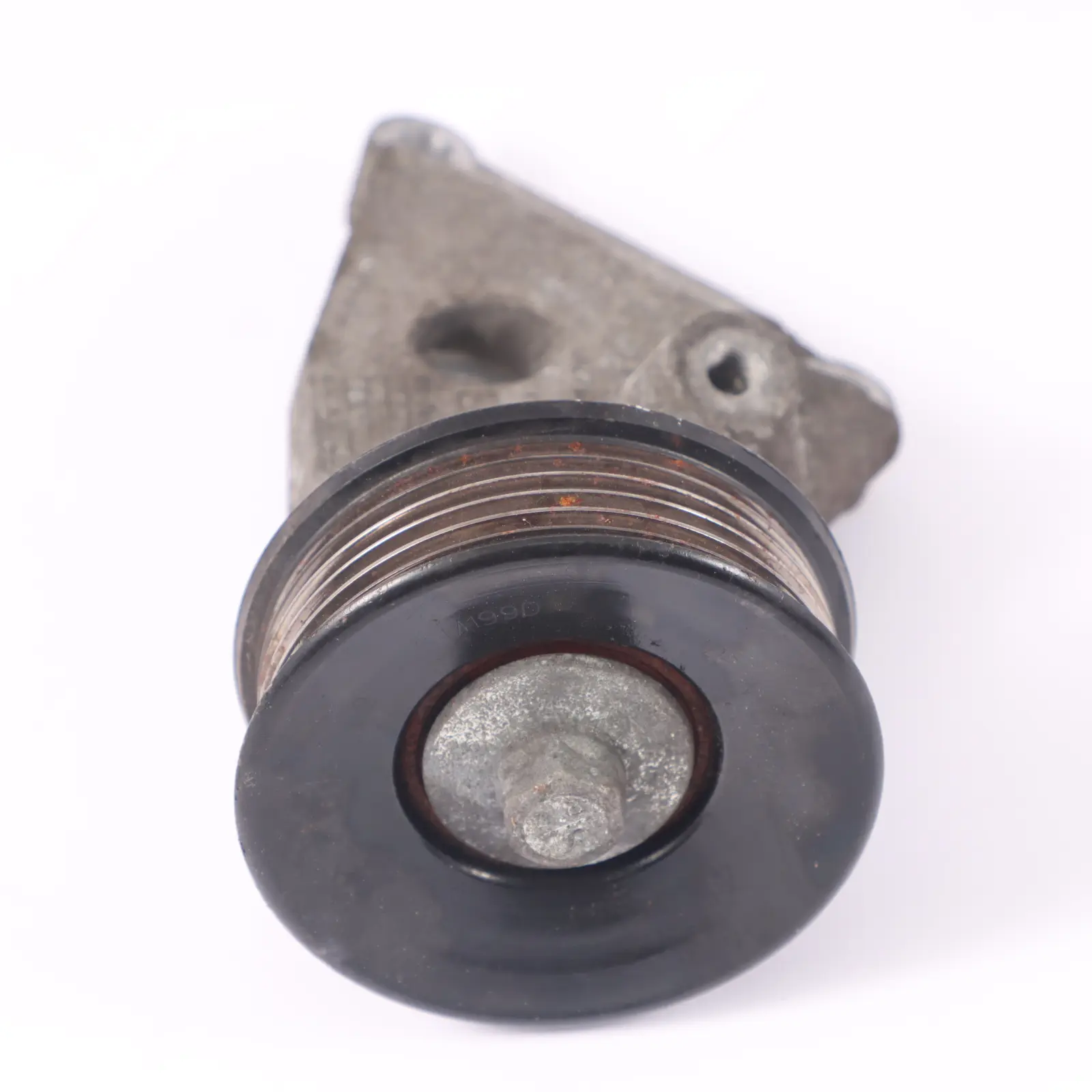
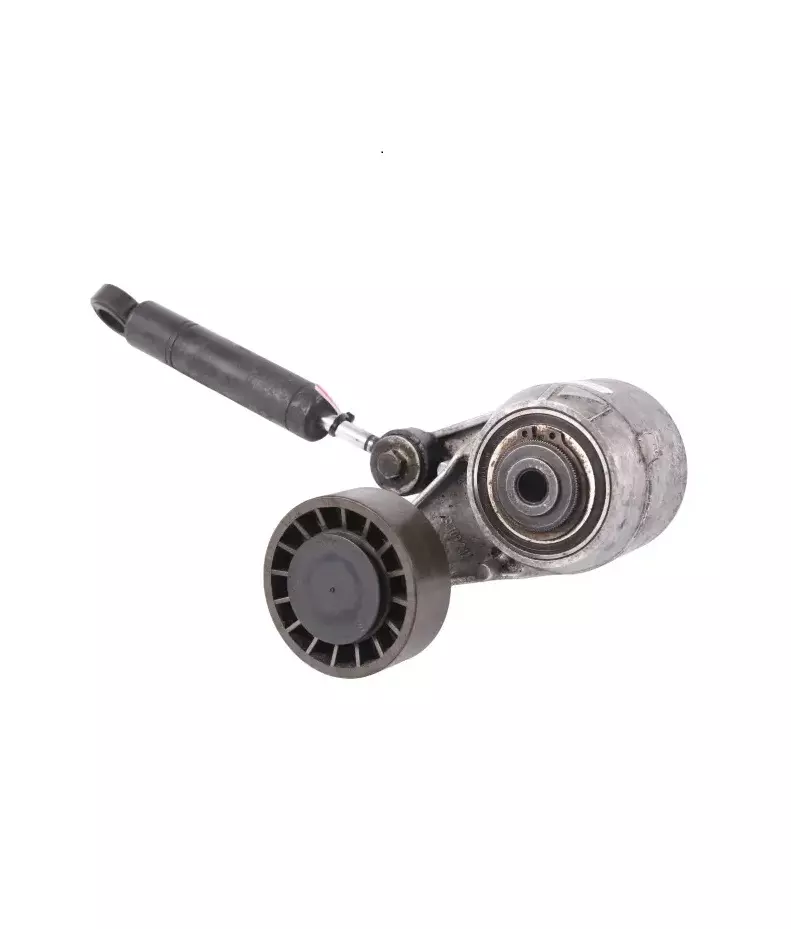
Belt tensioners and pulleys for reliable belt system performance
Reliable tensioners and pulleys for stable drivetrain operation
Tensioner and idler pulleys are essential components of the drive system that ensure the correct tension of V-belts and timing belts, enabling their efficient operation. Their role is crucial in maintaining the smooth performance of the engine and auxiliary systems, such as the alternator or pumps. In the Global Parts automotive store, you will find a wide selection of used car parts, including tensioner and idler pulleys, perfectly matched to brands such as BMW, Audi, Mercedes, Volkswagen, Mini, and others.
What functions do tensioner and idler pulleys perform?
Tensioner and idler pulleys perform key functions in a vehicle's drive systems:
- Maintaining proper tension – They ensure the correct tension of belts, which is essential for their effective operation.
- Minimizing vibrations – They stabilize belt operation, reducing noise and vibrations.
- Improving belt longevity – Through precise tensioning, they prevent excessive belt wear and slippage from the pulleys.
- Supporting auxiliary systems – The pulleys allow for the efficient operation of the alternator, power steering pump, or air conditioning. Used car parts, such as tensioner and idler pulleys, are an economical solution for maintaining the efficiency of drive systems.
Construction and purpose of tensioner and idler pulleys
Tensioner and idler pulleys are belt guidance elements mounted in the engine accessories or the timing system. A typical assembly consists of a roller, a bearing, and a mounting point, and depending on the version, also a tensioner arm or spring. Their task is to maintain the correct belt path and limit slippage during load changes. When selecting, it is worth comparing the OEM part number, roller diameter, track width, and mounting location.
Differences between types of tensioner and idler pulleys
| Component type | Main function | What to check before purchase |
|---|---|---|
| Tensioner pulley | Maintains proper belt tension during engine operation | OEM number, tensioner type, roller diameter, mounting method |
| Idler pulley | Guides the belt along the correct path and stabilizes its run | Track width, position in the system, engine version compatibility |
| Bearing assembly | Ensures smooth roller rotation and reduces noise | Bearing condition, operating clearance, manufacturer markings, belt compatibility |
Cooperating elements and signs of wear
The pulley bearing is the part responsible for the free rotation of the roller under belt load. A worn bearing usually shows signs such as humming, whistling, or uneven belt running, and over time can cause vibrations in the entire accessory drive. In practice, along with the pulley, it is worth checking the V-belts and ribbed belts as well as pulleys, as these components work in the same system and wear out together. If you are looking for a component such as a belt tensioner roller, you must compare not only the diameter but also the roller offset and mounting type.
Why is it worth taking care of tensioner and idler pulleys?
Well-maintained tensioner and idler pulleys are crucial for the efficiency and durability of drive systems. Typical problems include:
- Bearing wear – Damaged bearings can cause noise, excessive vibrations, and reduce system efficiency.
- Loosening of the tensioning mechanism – This can lead to improper belt tension and faster wear.
- Corrosion – Contaminants and moisture can damage the pulley surface, affecting their operation.
- Cracks or deformations – Mechanical damage can disrupt the operation of the drive system. If replacement is necessary, choose used car parts that ensure durability and precision of operation.
How to choose the right tensioner and idler pulleys?
- Matching the vehicle model – At Global Parts, you will find used tensioner and idler pulleys perfectly fitting BMW, Audi, Mercedes, Volkswagen, Mini, and others.
- Technical condition – Used pulleys should be free from mechanical damage, such as cracks or worn bearings.
- Material – Choose pulleys made of durable materials, such as steel or high-abrasion-resistant plastics.
- Belt compatibility – Ensure that the pulleys are adapted to the type of belts in your vehicle (V-belts, timing belts, etc.). Auto parts, such as tensioner and idler pulleys, must be precisely selected to ensure durability and performance.
Selection by OEM number, engine version, and accessories
When selecting components for a version such as BMW E90, it is good to verify the belt mileage, accessory variant, and OEM number compatibility with the specific engine. Data such as brand, condition, OEM part number, interchangeable numbers, and fuel type are helpful in products from this category, as they allow distinguishing visually similar rollers. In cars with a diesel engine, accessory configurations often differ from those in petrol versions, so it is worth comparing the position of the tensioner and adjacent rollers as well. Diagnostics can be supplemented by V-belts, ribbed belts, and parts as well as other belt guidance elements from the Other group.
Installation check and practical service tips
A belt tensioner refers to an assembly that maintains constant belt pressure during engine operation and accessory load changes. Before installation, check if the roller rotates smoothly, has no perceptible play, and maintains alignment with other components. When completing a repair for a specific model, e.g., Mini Cooper S, pay attention to the belt routing and service access, as disassembly of covers and the tensioner varies in different engine bays. A useful supplementary material is the article Go-Kart Feeling XXL: used N18 vs. B48 turbocharger – which one to choose for a Mini Cooper S?, which shows how important it is to combine part selection with verification of cooperating accessories.
How to maintain tensioner and idler pulleys?
- Regular inspection – During technical inspections, check the condition of the pulleys and belt tension.
- Bearing grease – Regularly lubricate bearings to ensure smooth and quiet operation.
- Removing contaminants – Clean pulleys of deposits and dirt to prevent corrosion and excessive wear.
- Repair or timely replacement – In case of damage, choose car parts that will restore full functionality to the drive system.
FAQ
| Question | Answer |
|---|---|
| What is the construction and purpose of tensioner and idler pulleys? | Tensioner and idler pulleys are belt guidance system elements mounted near engine accessories or within the timing system, depending on the vehicle design. A typical element consists of a working roller, a bearing, and a mounting point, and in some versions, it also works with a tensioner arm and spring. Their purpose is to maintain the correct belt path and stable operation of the entire system. |
| What are tensioner and idler pulleys used for? | Tensioner and idler pulleys are used to guide the belt and maintain its proper tension during engine operation. They limit slippage, noise, and vibrations, and also support the proper operation of the alternator, power steering pump, air conditioning, or other belt-driven components. Without functional rollers, the belt may run unevenly and wear out faster. |
| What is the construction and function of a belt tensioner? | A belt tensioner is an assembly responsible for maintaining constant belt pressure under varying operating conditions. It can be mechanical or spring-loaded and usually works with a roller, an axle, and a mounting element. Its function is to compensate for load changes and limit slack that could disrupt the operation of the entire accessory system. |
| How to choose a tensioner or idler pulley for a car? | It is safest to compare the OEM number, interchangeable numbers, engine version, fuel type, and mounting location in the vehicle. It is also worth checking the roller diameter, track width, and mounting method, as visually similar elements may differ in design details. Compatibility with the specific belt mileage is also helpful during selection. |
| What symptoms indicate wear of tensioner and idler pulleys? | The most common symptoms are bearing noise, belt squealing, accessory vibrations, and uneven belt running on the rollers. In some cases, there is also perceptible play, resistance during manual rotation, or signs of overheating on the roller track. Such symptoms should be compared with the condition of the belt and pulleys. |
| What to pay attention to during installation and inspection after replacement? | After installation, check the roller alignment, smoothness of rotation, and correct belt placement on all guides. It is also important to properly tighten the mounting according to the documentation for the given car version and check that there is no excessive play in the system. After starting the engine, it is worth observing whether the belt runs evenly and without noise. |
Summary: tensioner and idler pulleys at the Global Parts automotive store
Tensioner and idler pulleys are essential drive system components that affect the efficiency, durability, and smoothness of a vehicle's operation. The Global Parts offer includes used parts for many brands, including Mercedes, Audi, Volkswagen, and others, which makes it easy to match the right variant by OEM number, engine version, and accessories. This category is important wherever stable belt guidance, correct tension, and quiet system operation matter. We invite you to contact us – we are here to help! For more information and interesting facts, we also invite you to visit our automotive blog.