


Air conditioning regulators
More informationAt the Global Parts automotive store, we offer a wide selection of original used car parts, including air conditioning regulators for many popular car brands such as BMW, Mini, Mercedes, Audi, Volkswagen, and others. Our air conditioning regulators undergo quality control to ensure you receive a top-quality product.
GB
Make
Category
Subcategory
Condition
In Stock
Price
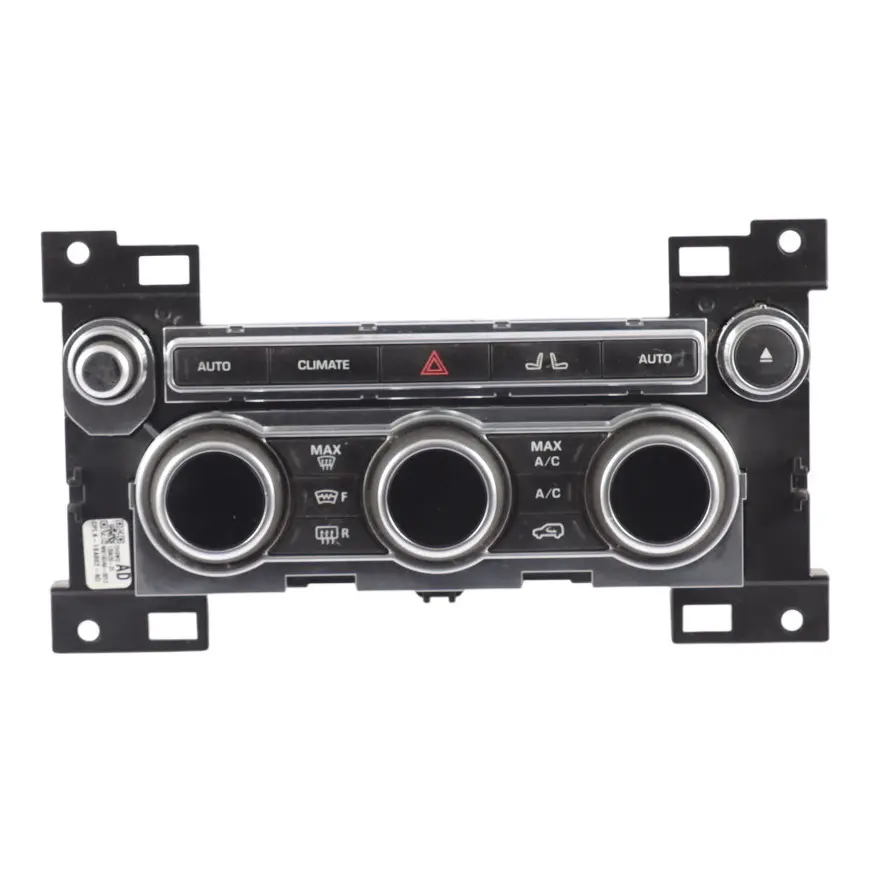
Part no. CPLA-18A802-AD
Range Rover L405 Automatic Air Conditioning Climate Control Panel CPLA-18A802-AD
£28.95
Free delivery: Jul 08
If paid before 14:00
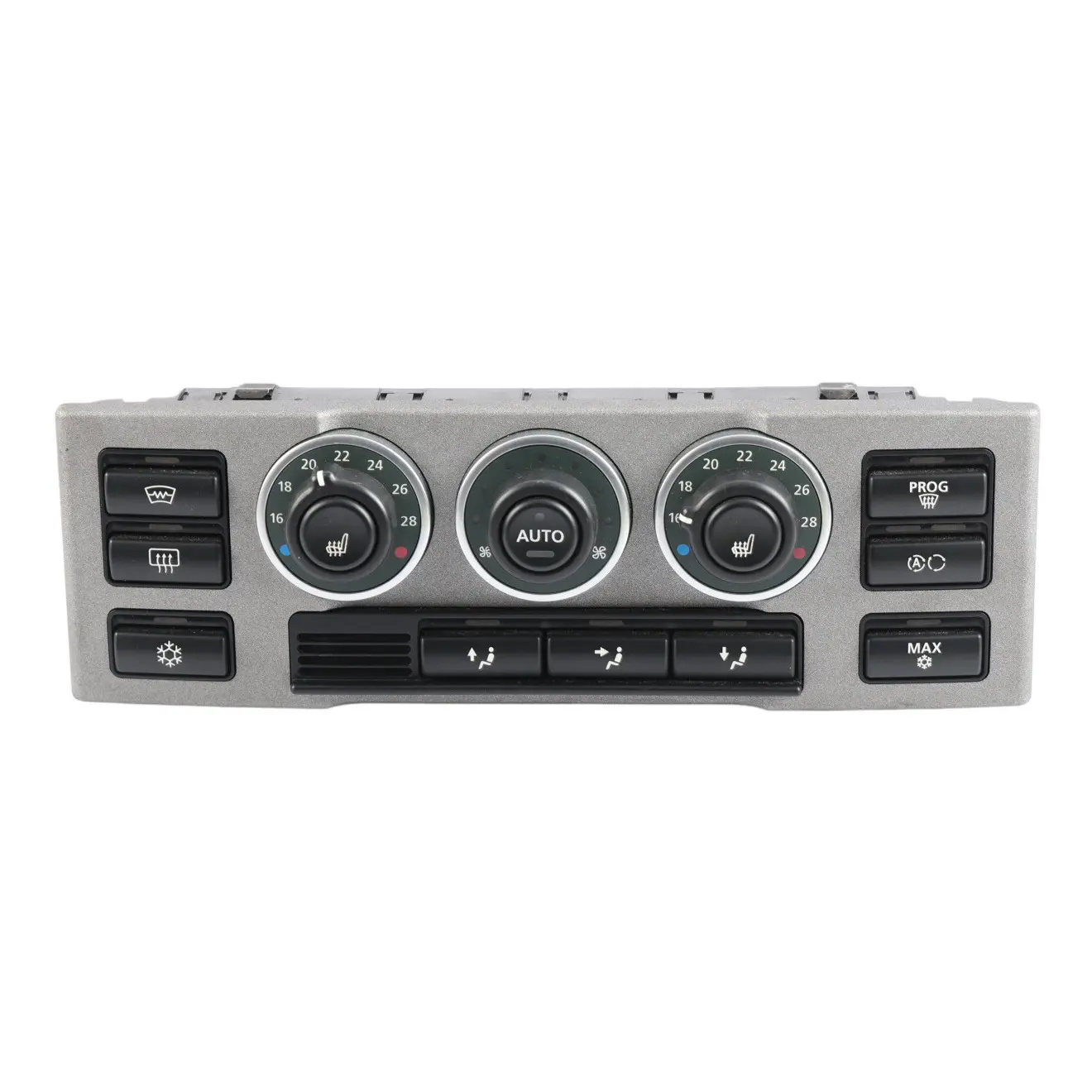
Part no. RHD-JFC500011PUY
Range Rover L322 Automatic Air Conditioning Climate Control Panel JFC500011PUY
£47.95
Free delivery: Jul 08
If paid before 14:00
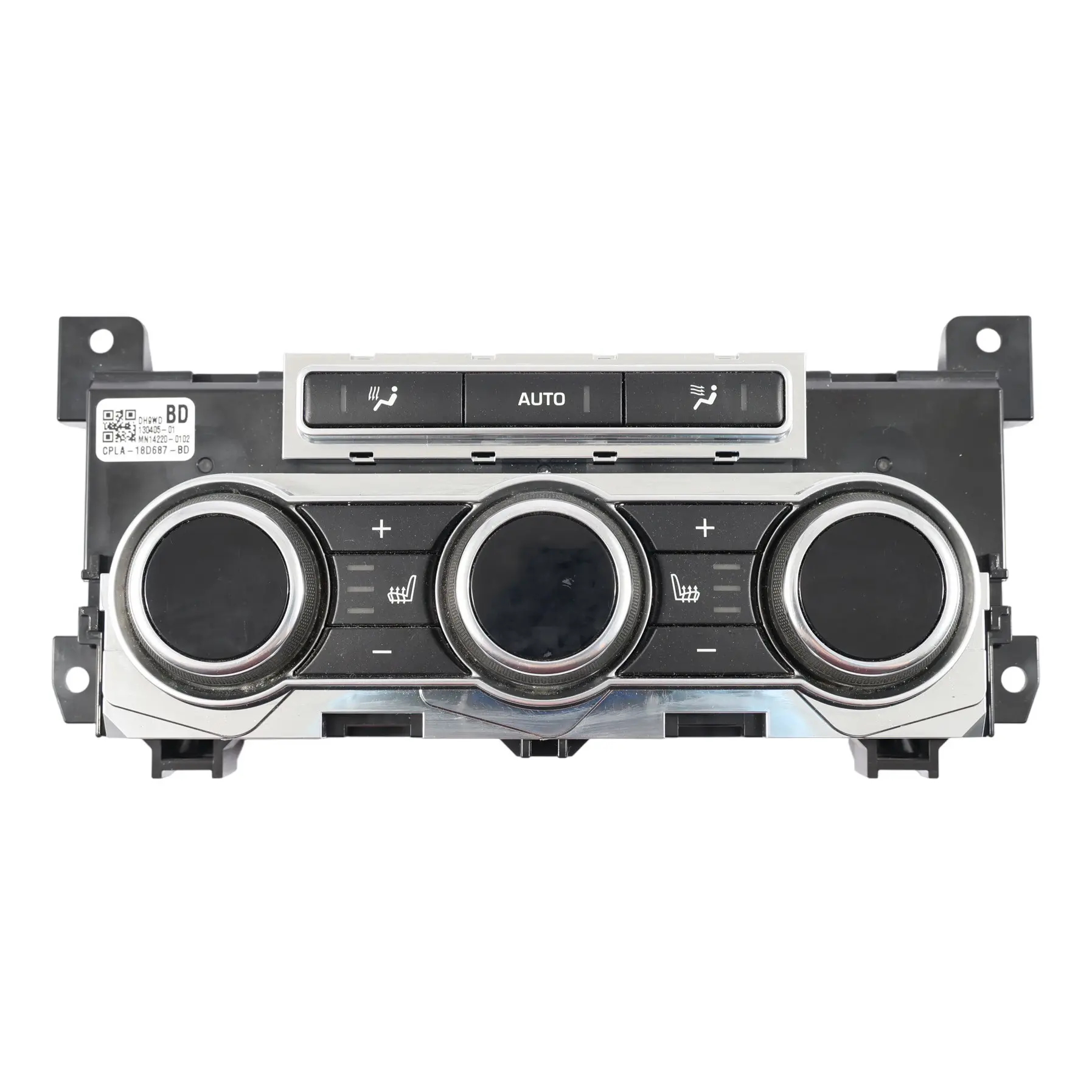
Part no. CPLA-18D687-BD
Range Rover L405 Automatic Air Conditioning Climate Control Panel CPLA-18D687-BD
Product currently unavailable
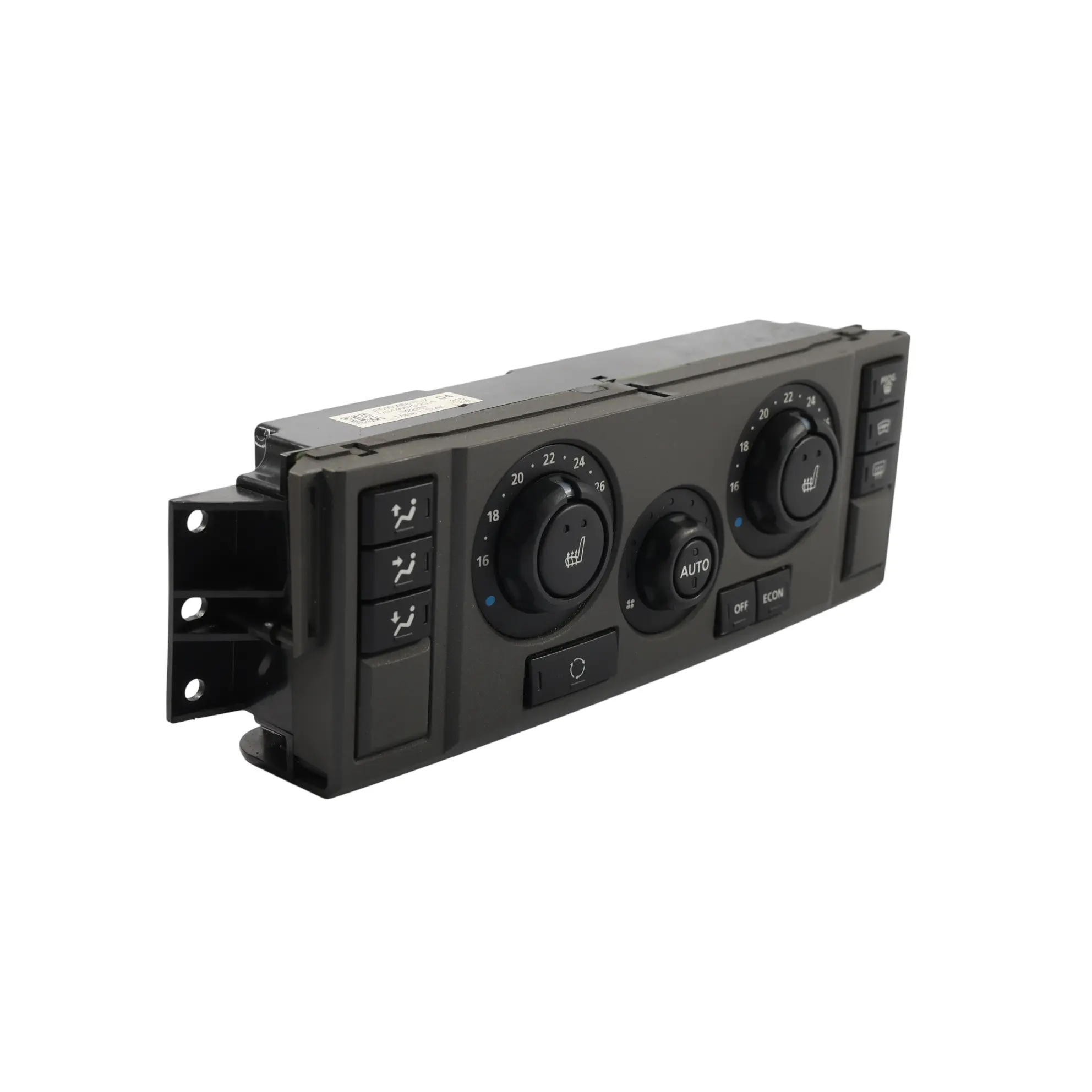
Part no. JFC000658WUX
Range Rover Sport L320 Heater Climate Control Switch Panel JFC000658WUX
Product currently unavailable
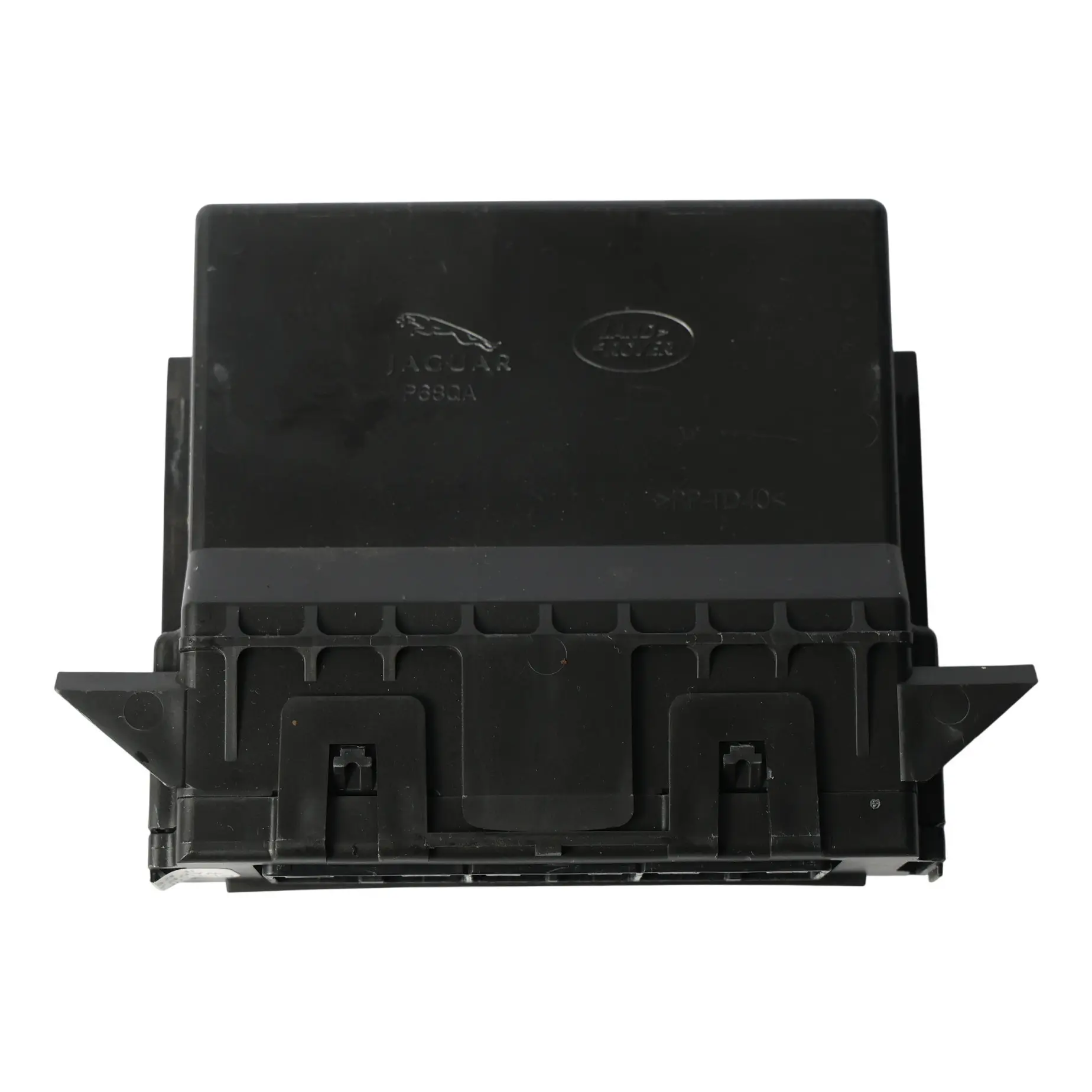
Part no. CPLA-18D493-AE
Land Rover Range Rover L405 A/C Heater Module Control Unit CPLA-18D493-AE
Product currently unavailable
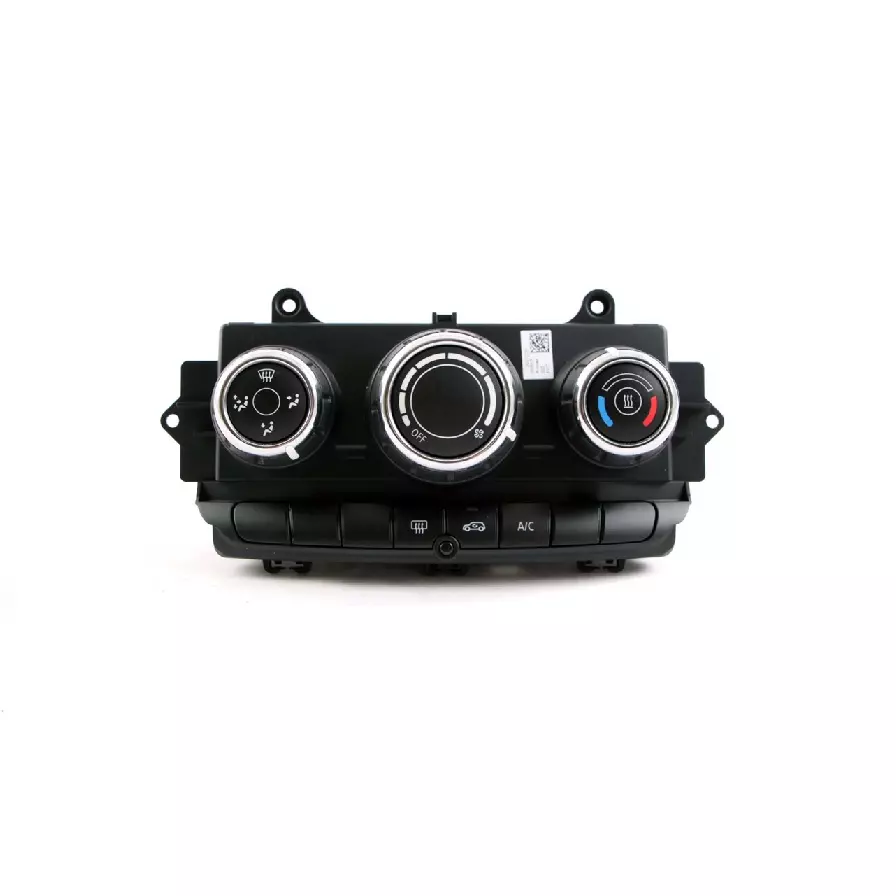
Effective air conditioning regulation for driving comfort in all weather
The importance of air conditioning for travel comfort
Air conditioning controllers are key components of the air conditioning system that manage the flow, temperature, and distribution of air in the vehicle cabin. Thanks to them, you can enjoy optimal thermal comfort, regardless of the weather conditions outside. In the Global Parts automotive store, you will find a wide selection of used car parts, including air conditioning controllers, perfectly matched to brands such as BMW, Audi, Mercedes, Volkswagen, Mini, and others.
Construction and operating principle of an air conditioning controller
An air conditioning controller (also called an air conditioning control panel or HVAC module) is an electronic or electromechanical component responsible for communication between the user and the air conditioning system. Its task is to process signals from knobs, buttons, or a touch panel and transmit them to components such as the air conditioning compressor, blower, air flaps, or temperature sensors. In modern vehicles, the air conditioning controller works with the CAN bus and can manage up to a dozen airflow zones in dual-zone and quad-zone systems.
What functions do air conditioning controllers perform?
Air conditioning controllers play a key role in managing the vehicle's air conditioning system:
- Temperature control – They allow you to set and maintain the desired temperature inside the vehicle.
- Airflow regulation – They control the strength and direction of airflow, ensuring optimal circulation.
- Sensor cooperation – They read data from temperature and humidity sensors to automatically adjust settings.
- System efficiency – They increase air conditioning efficiency, minimizing energy consumption and engine load.
The function of air conditioning controllers in daily operation
Air conditioning controllers are used to control temperature, airflow intensity, and air distribution between the windshield, center vents, and footwell. It is this element that is responsible for transmitting commands to components such as actuator motors or temperature sensors, which perform the actual regulation in the system. When looking for parts such as an Audi A3 8P air conditioning panel, it is worth comparing the OEM number, connector type, button layout, and compatibility with the manual or automatic version.
Air conditioning controller: manual vs. automatic climate control
In manual air conditioning, the controller is mainly responsible for basic airflow and temperature functions, whereas in automatic air conditioning (Climatronic, Climate Control), it analyzes data from several sensors simultaneously – e.g., outside temperature, sunlight, or humidity. This allows the temperature in the cabin to be maintained with an accuracy of up to ±1°C, which significantly affects driving comfort on long journeys.
Comparison of air conditioning controller types and fitment range
| Controller type | Characteristics | Cooperating elements | What to check before purchase |
|---|---|---|---|
| Manual | Usually features knobs or simple buttons and handles basic airflow and temperature functions. | Blower, air distribution flaps, basic sensors. | OEM number, knob layout, backlight type, number of plugs. |
| Automatic dual-zone | Allows independent temperature regulation for the driver and passenger and works with a larger number of sensors. | pressure switches, sensors, flap motors, blower. | Compatibility with car equipment, pre-facelift/post-facelift version, button layout, part code. |
| Advanced HVAC module | Used in more advanced systems, often with additional defrosting, recirculation, and multi-zone control functions. | Air conditioning compressors and clutches, sensors, comfort modules, flap actuators. | OEM number, body version, electrical system type, panel compatibility with the rest of the system. |
Why is it worth taking care of air conditioning controllers?
A malfunction of air conditioning controllers can lead to reduced driving comfort and air conditioning system efficiency. Typical symptoms of failure include:
- No response to setting changes – Temperature or airflow regulation does not work correctly.
- Irregular air conditioning operation – The system works unstably or shuts down randomly.
- Lack of cooling or heating – Temperature regulation does not produce the desired effects.
- Errors on the control panel – These may indicate problems with the controller's electrical system. If a replacement is needed, at Global Parts you will find suitable used car parts that will restore full functionality to your air conditioning system.
The impact of the air conditioning controller on energy consumption
A properly functioning air conditioning controller optimizes the operation of actuators, so the system does not run longer than necessary. This is especially important when expansion valves and cooling performance sensors also work within the system. When completing a repair for a specific model, e.g., Mercedes Thermotronic, it is good to verify not only the panel itself but also the compatibility of zone functions, display type, and communication with the car's installation.
How to choose the right air conditioning controllers?
When choosing air conditioning controllers, you should pay attention to several key aspects:
- Vehicle model fitment – Every air conditioning system has its specific technical requirements. At Global Parts, you will find air conditioning controllers perfectly matched to BMW, Audi, Mercedes, Volkswagen, Mini, and others.
- Technical condition – Used controllers should be fully functional, free from mechanical and electrical damage.
- System compatibility – Ensure that the selected controller works with your vehicle's existing air conditioning system.
Selection by OEM number, equipment, and panel version
The HVAC control panel is a part that is best selected by OEM number and by comparing photos of connectors, buttons, and the housing. Product cards may contain information such as brand, condition, OEM part number, replacement numbers, transmission type, or color, which facilitates verification of compatibility with a specific car version. When choosing an element such as an Audi A6 C7 air conditioning panel, it is important to check the pre-facelift or post-facelift version, the type of air conditioning, and whether the panel works with the vehicle's factory equipment.
Compatibility and installation of the air conditioning controller
The air conditioning controller must be compatible not only with the car model but also with the equipment version (e.g., single- or dual-zone air conditioning). Installation usually involves removing the center console and connecting the electrical wiring plugs – without interfering with the cooling system or air conditioning refrigerant, which shortens installation time.
Why is it worth choosing used air conditioning controllers?
Used car parts, such as used air conditioning controllers, are an economical solution that allows for savings while maintaining high quality. By choosing used air conditioning system components, you gain:
- Lower costs – Used controllers are significantly cheaper than new ones but offer equally high quality.
- Ecology – Recycling parts supports environmental protection and reduces waste.
- Wide offer – In our store, you will find Air conditioning controllers for many car brands.
Related HVAC system elements and their importance
The control panel does not work alone but interacts with many other elements of the ventilation and cooling system. For the entire system to function properly, Cabin filters, pollen filters are also important, as they limit contaminants that affect airflow and cabin comfort. Supplementing knowledge about the operation of premium components can be found in the article Used parts for Mercedes - original parts from dismantling, which shows how to reasonably select original elements for high-class cars.
How to take care of air conditioning controllers?
To ensure air conditioning controllers work reliably for a long time, it is worth following a few rules:
- Regular inspections – Check the condition of the controller during periodic air conditioning system inspections.
- Keep the system clean – Remove contaminants from vents and ducts that may interfere with the controller's operation.
- Avoid overloading – Do not set extreme temperatures for long periods to prevent excessive system load.
- Replace on time – Damaged controllers should be replaced to avoid air conditioning problems.
FAQ
| Question | Answer |
|---|---|
| What is the construction and purpose of air conditioning controllers? | Air conditioning controllers are panels or modules controlling the HVAC system, most often mounted in the vehicle's center console. A typical element consists of a housing, buttons or knobs, control electronics, connectors, and often a display. Their purpose is to transmit commands to the ventilation, heating, and cooling system in the cabin. |
| What are air conditioning controllers used for? | Air conditioning controllers are used to set temperature, airflow strength, air flow direction, and operating modes, such as internal circulation or windshield defrosting. In addition to being operated by the driver and passenger, they influence the cooperation with sensors and system actuators. Without a functional controller, it is difficult to obtain proper control of thermal comfort in the car. |
| What is the construction and function of an HVAC control panel? | The HVAC control panel is a part of the user interface responsible for sending signals to the air conditioning and heating system. It contains operating elements, electronics, and connectors communicating with the car's installation. Its function is not only to change temperature and airflow settings but also to cooperate with comfort modules, flap motors, and sensors responsible for automatic regulation. |
| How to choose an air conditioning controller for a specific car? | It is safest to compare the OEM number, equipment version, number of air conditioning zones, and the layout of buttons and connectors. It is also worth checking compatibility with the model year, pre-facelift or post-facelift version, and the type of installation used in a given model. With used parts, it is also important to compare photos of the element and the housing. |
| What symptoms indicate damage to an air conditioning controller? | Common symptoms include no response to temperature changes, non-working buttons, random airflow shutdown, or errors displayed on the panel. Sometimes one function works correctly while others do not respond due to a problem with the electronics or a connection in the plug. Such symptoms should be compared with the operation of other HVAC system components. |
| What does the installation of an air conditioning controller look like and what to check after replacement? | Installation usually involves removing the panel from the center console, unplugging the connectors, and seating the part in the same mounting points. After replacement, it is worth checking the operation of all buttons, backlighting, temperature regulation, airflow, and operating modes. In some car versions, the correct communication of the module with the rest of the vehicle's electronics is also important. |
Summary: air conditioning controllers at the Global Parts automotive store
Air conditioning controllers are essential elements that ensure thermal comfort and air conditioning system efficiency in a vehicle. In the Global Parts offer, you will find used components matched to many equipment versions and brands such as BMW, Mercedes, Mini, and others. This is a practical choice for those who want to compare the OEM number, part condition, and compatibility with a specific HVAC system without giving up original fitment. We invite you to contact us – we are here to help you! For more information and interesting facts, we also invite you to our automotive blog.