


Engine Oil Coolers & Lines
More informationAt the Global Parts automotive store, we offer a wide selection of original used car parts, including oil coolers and hoses for many popular car brands such as BMW, Mini, Mercedes, Audi, Volkswagen and others. The oil coolers and hoses we offer undergo quality control so that you can be sure that you are receiving a top-quality product.
GB
Make
Category
Subcategory
Condition
In Stock
Price
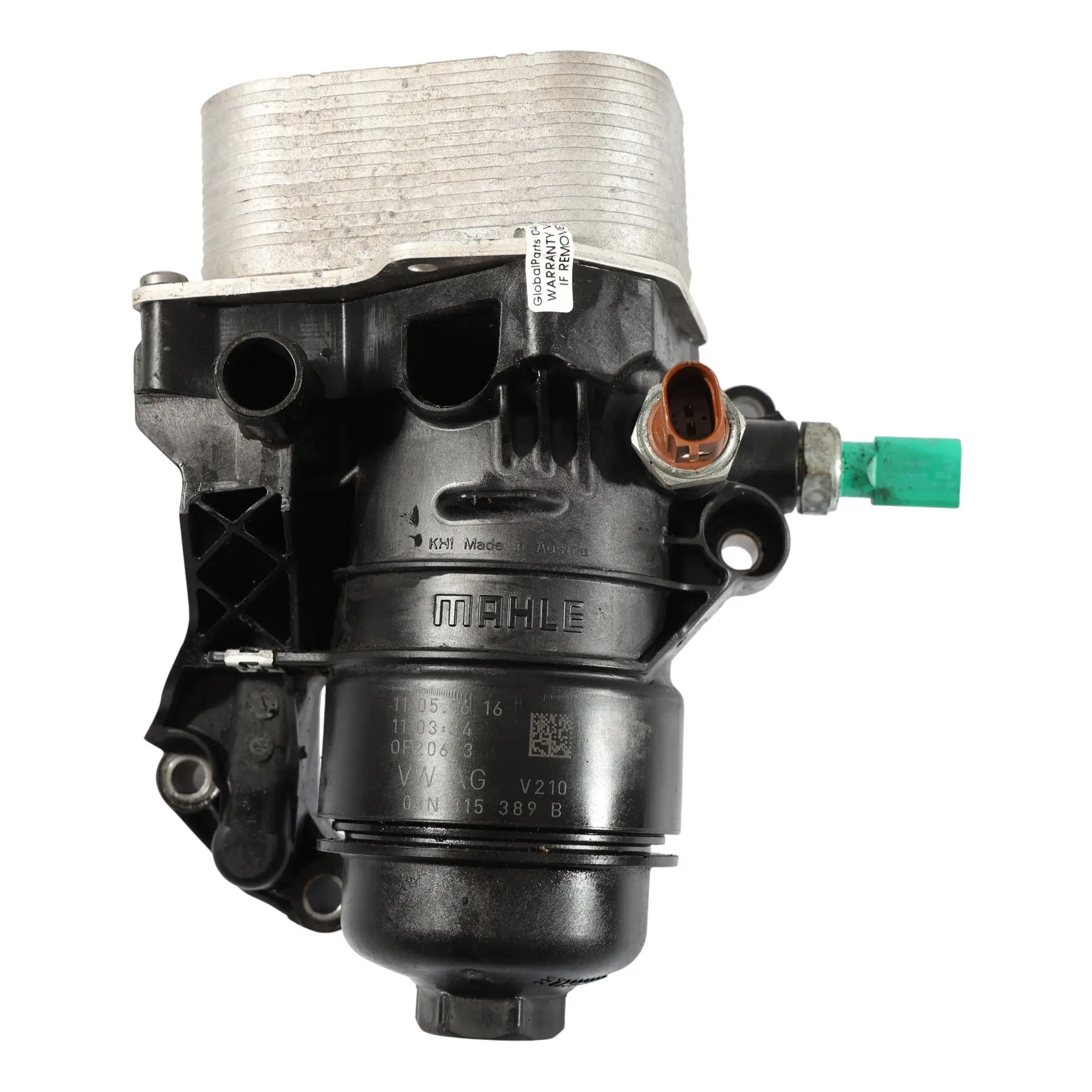
Part no. 03N115389B
Skoda Octavia Mk3 5E Oil Filter Housing Oil Cooler 1.6 TDI Diesel 03N115389B
£28.95
Free delivery: Jul 06
If paid before 14:00
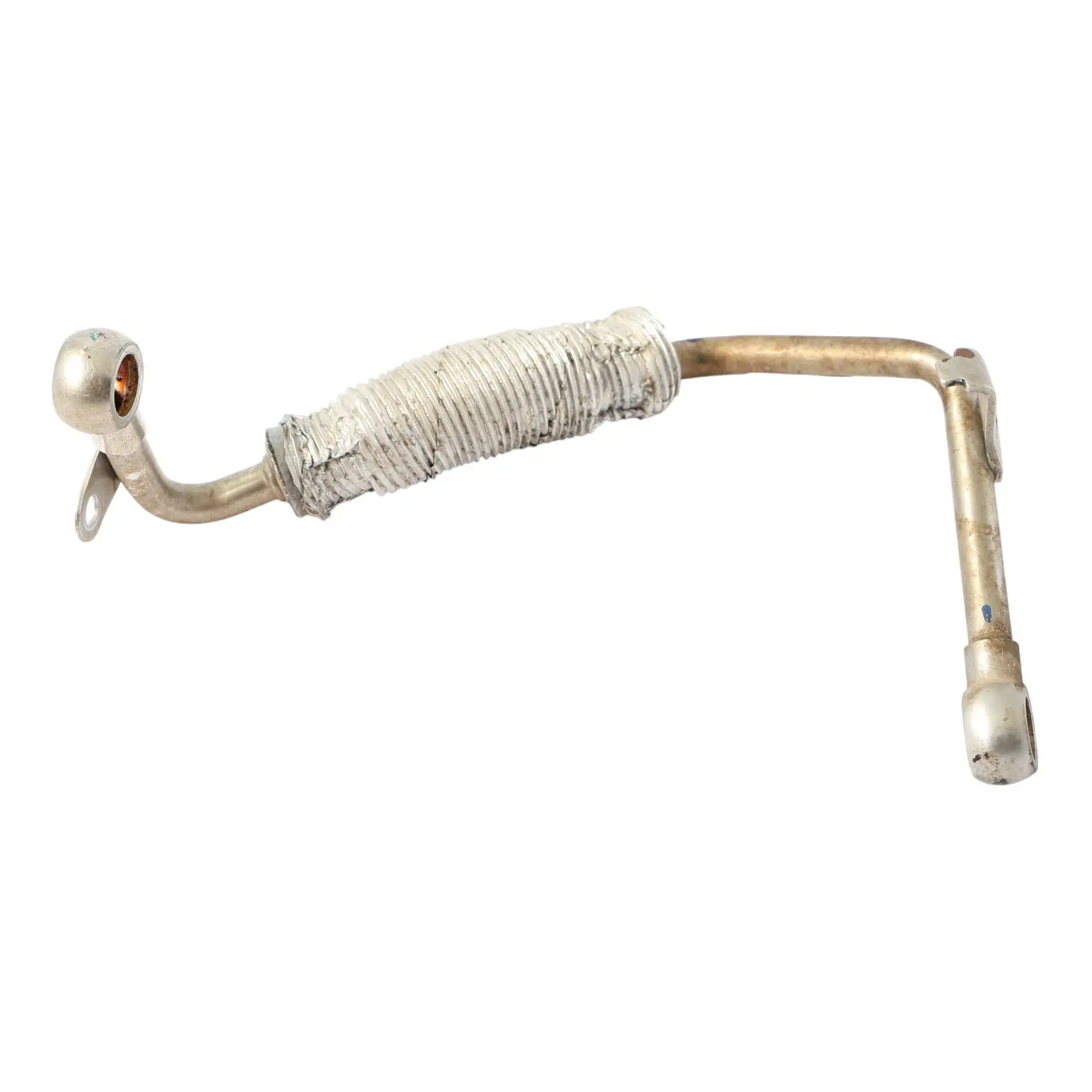
Part no. 06J121497H
Skoda Octavia RS 1Z Turbo Turbocharger Coolant Hose Pipe Line 06J121497H
£18.95
Free delivery: Jul 06
If paid before 14:00
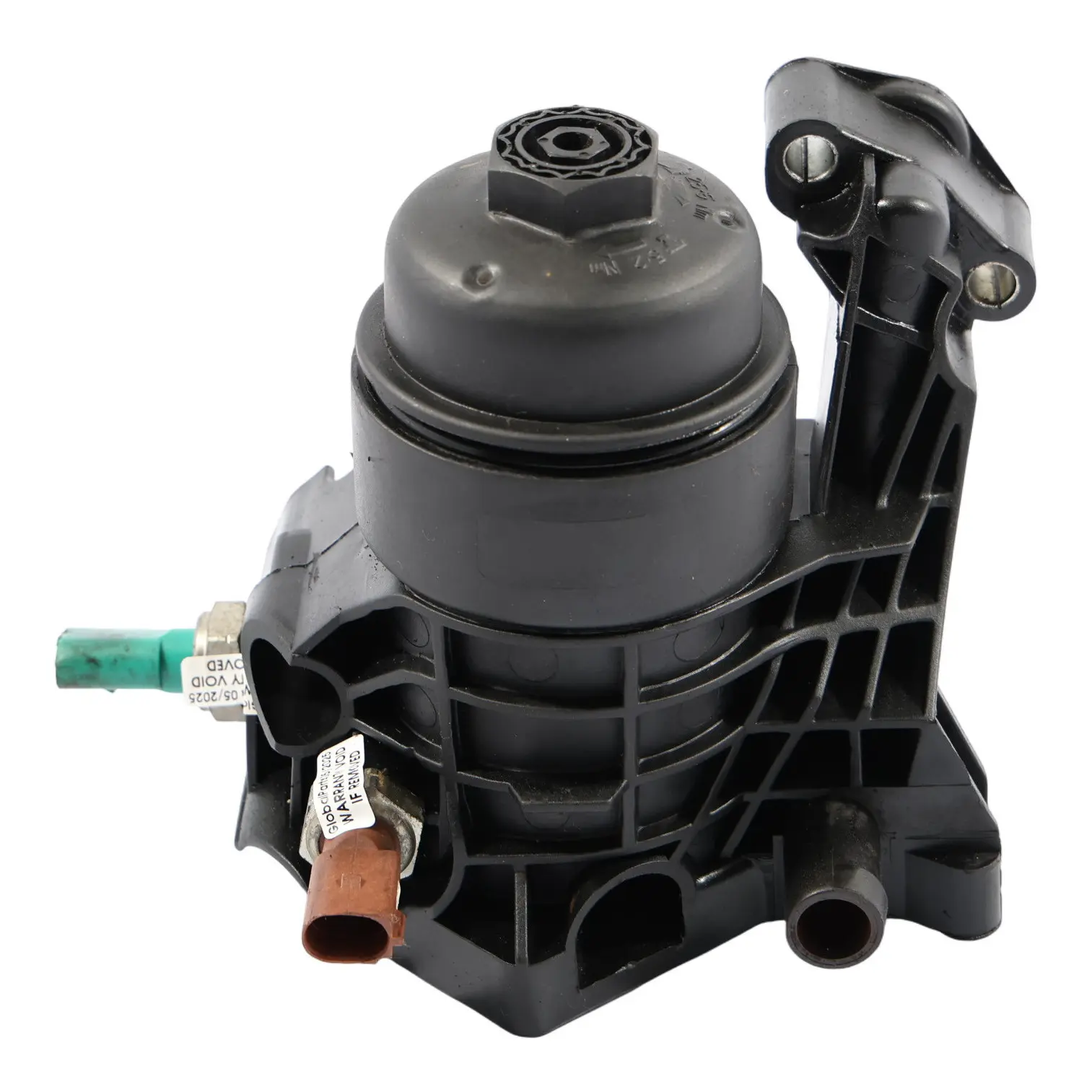
Part no. 03N115389A
Skoda Octavia 5E 1.6 TDI Oil Filter Housing 03N115389A
Product currently unavailable
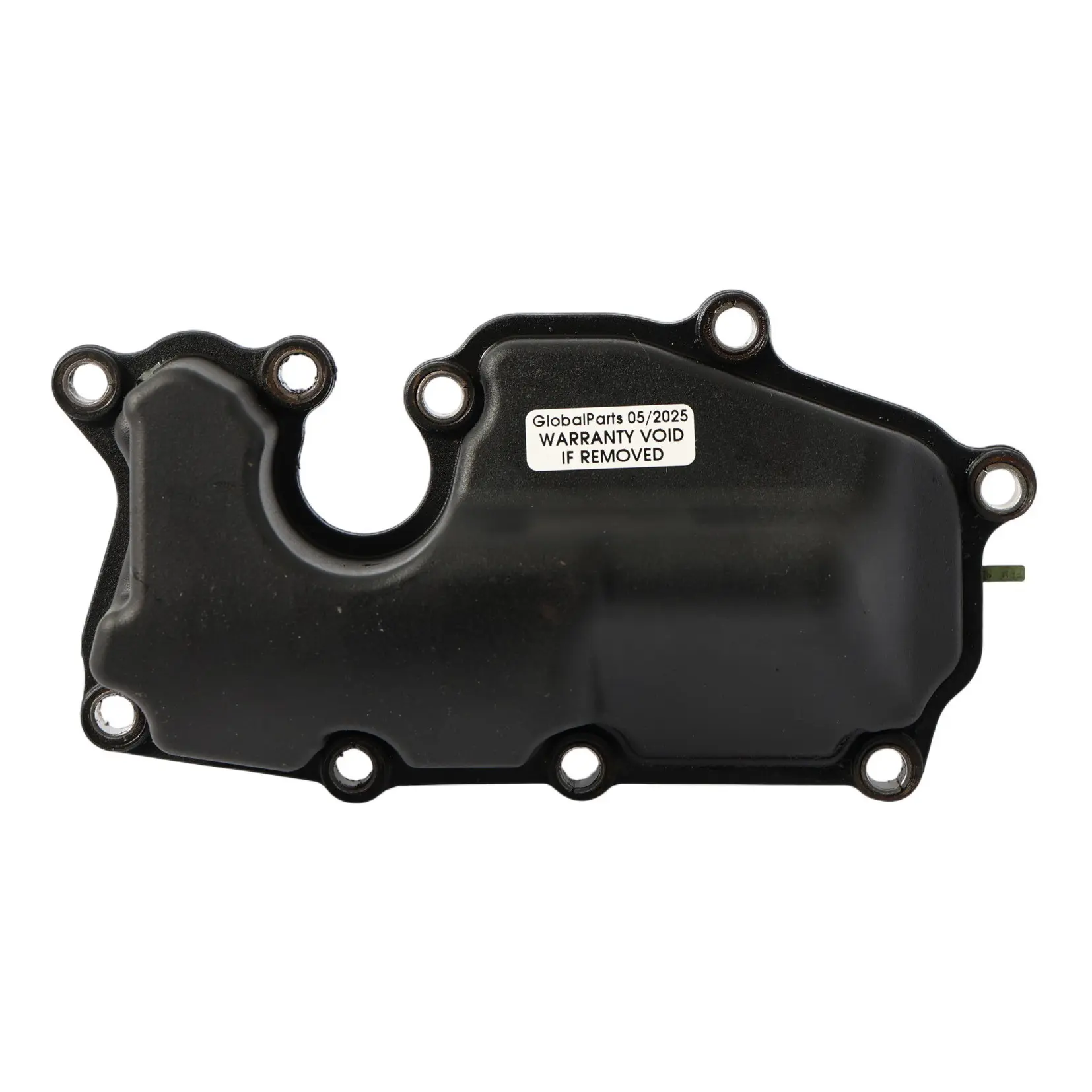
Part no. 06H103464L
Skoda Octavia 1Z Audi A4 B8 TFSI Petrol Engine Oil Separator Cover 06H103495H
Product currently unavailable
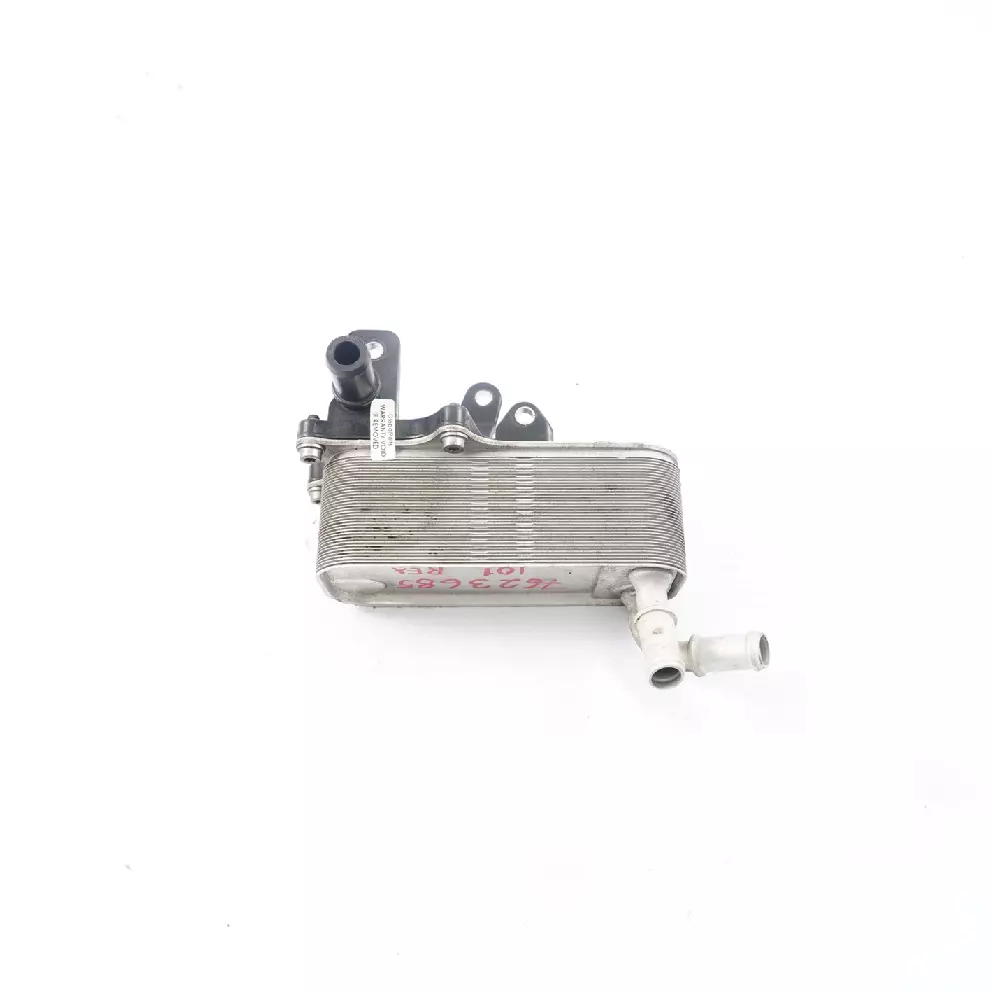
Engine oil cooling systems – hoses, radiators, and efficiency
Efficient engine oil cooling systems for high-temperature driving
Oil coolers and lines are key components of the engine cooling system that ensure the correct oil temperature, thereby supporting its lubricating properties. Effective oil cooling allows for maintaining proper engine performance, reduces the risk of overheating, and extends the service life of the powertrain. In the Global Parts automotive store, you will find a wide selection of used car parts, including oil coolers and lines, perfectly matched to brands such as BMW, Audi, Mercedes, Volkswagen, Mini, and others.
What functions do oil coolers and lines perform?
Oil coolers and their lines play a significant role in maintaining the efficiency of the lubrication system:
- Oil cooling – They lower the oil temperature, preventing overheating that could reduce its lubricating properties.
- Maintaining proper viscosity – Thanks to the cooler, the oil retains its optimal properties even under high engine loads.
- Engine protection – Cooled oil reduces friction and wear on key components, such as crankshafts or pistons.
- Stable oil supply – Oil lines ensure efficient transport of oil between the cooler and the engine.
Construction and purpose of oil coolers and lines
Oil coolers and lines are a set of components responsible for removing excess heat from the oil circulating in the engine or transmission. A typical system consists of a cooler core, connections, rigid or flexible lines, and sealing points that must remain leak-proof under pressure. These elements are mounted in the engine compartment, and their location on the vehicle depends on the powertrain design and equipment version.
Differences between types of oil coolers and lines
| Variant | Construction | Application | What to check before purchase |
|---|---|---|---|
| Engine oil cooler | Core with oil channels, connection ports, seals | Maintaining proper engine oil temperature | OEM number, fuel type, vehicle location, mounting compatibility |
| Transmission oil cooler | Exchanger body, line connections, heat exchange surface | Stabilizing transmission oil temperature | Transmission type, replacement numbers, connector type, car version |
| Oil lines | Flexible hose or metal pipe, ends, clamps, gaskets | Transporting oil between components | Length and routing of the line, mounting points, connection diameter, condition of ends |
Why is it worth taking care of oil coolers and lines?
Damage or malfunction of these components can lead to engine overheating, loss of performance, and costly repairs. Typical symptoms of problems include:
- Increased oil temperature – May indicate problems with the oil cooler or lines.
- Oil leaks – Visible spots under the vehicle may indicate damaged lines or a leaking cooler.
- Low oil pressure – Leaks in the lines can lead to a drop in pressure within the lubrication system.
- "Check Engine" light – Oil temperature issues may be signaled by the vehicle's diagnostic system. If a replacement is needed, at Global Parts you will find suitable used car parts that will restore full functionality to your lubrication system.
The importance of oil cooling for the lubrication system
Oil cooling is used to keep the lubricant parameters within the range specified by the vehicle manufacturer. When the temperature rises too high, the oil loses stability faster, and the entire lubrication system operates under more difficult conditions. In practice, it is also worth checking components from the Engine cooling category, as cooperating parts and the patency of the entire circuit also affect operating temperature.
How to choose the right oil coolers and lines?
When choosing oil coolers and lines, several key aspects should be considered: Matching the vehicle model – Every lubrication system has its specific technical requirements. At Global Parts, you will find oil coolers and lines perfectly matched to BMW, Audi, Mercedes, Volkswagen, Mini, and others.
- Technical condition – Used coolers and lines should be free from leaks, mechanical damage, and corrosion.
- Material quality – Choose components made of durable materials resistant to high temperatures and pressure.
Selection by OEM number, version, and equipment
An oil line is a component connecting the cooler to other parts of the system, responsible for leak-proof oil flow under appropriate pressure. When choosing, compare the OEM part number, replacement numbers, transmission type, fuel type, and the routing of the line in the engine compartment. For parts such as a Mercedes W211 transmission oil cooler, the compatibility of connections, mounts, and mounting location with the specific car version is particularly important.
Cooperating elements and pre-installation inspection
Line sealing refers to the set of surfaces and elements that prevent leaks at the junction of the cooler, line, and engine block or oil filter housing. Before installation, it is worth checking the condition of sockets, gaskets, clamps, and mounts, and comparing the line routing with the existing installation. When choosing an element like a Mercedes W203 cooler, it is also good to verify related parts, such as Cooling system hoses and pipes, Gaskets and sealing rings, and Temperature sensors.
Why choose used oil coolers and lines?
Used car parts, such as used oil coolers and lines, are an economical solution that allows for savings while maintaining high quality. By choosing used lubrication system components, you gain:
- Lower costs – Used coolers and lines are significantly cheaper than new ones but offer equally high quality.
- Ecology – Recycling parts supports environmental protection and reduces waste.
- Wide selection – In our store, you will find used oil coolers and lines for the most popular car brands.
How to take care of oil coolers and lines?
To ensure oil coolers and lines work reliably for a long time, it is worth following a few rules:
- Regular inspection – Check the condition of the cooler and lines during periodic technical inspections.
- Avoid overloading the engine – Excessive load can lead to faster wear of the oil cooling system.
- Remove dirt – Regular external cleaning of the oil cooler improves its efficiency.
- Replace on time – Damaged lines and coolers should be replaced to avoid more serious engine problems. When selecting elements for a version such as the Mercedes W203, it is worth comparing the line routing, mounting points, and compatibility with the equipment in the engine compartment. Further knowledge about dismantled parts can be found in the article Interior transformation: How branded seats from dismantling will drastically improve comfort and increase the value of your car, which shows how important conscious matching of components to a specific vehicle version is.
FAQ
| Question | Answer |
|---|---|
| What is the construction and purpose of oil coolers and lines? | Oil coolers and lines are components of the lubrication and cooling system designed to lower oil temperature and transport it between cooperating components. A typical set includes a cooler core, ports, lines, seals, and mounting points. These parts are mounted in the engine compartment, and in some cars, also near the transmission system. |
| What are oil coolers and lines used for? | Oil coolers and lines are used to stabilize oil temperature and maintain its proper flow in the system. As a result, the oil better retains its lubricating properties, and the engine or transmission operates under more predictable conditions. A functional system limits the risk of overheating, pressure drops, and leaks. |
| What is the construction and function of oil line seals? | Oil line seals are elements that close the connections between the cooler, the line, and the connection points in the engine or transmission. Their function is to maintain tightness during temperature and operating pressure changes. In practice, they include gaskets, rings, and mating surfaces that must be compared with the OEM number and connector type. |
| How to choose oil coolers and lines for a specific car version? | The safest way is to compare the OEM part number, replacement numbers, fuel type, transmission type, and vehicle location. It is also worth verifying the mounting method, shape of connections, and line routing, as these differences often depend on the engine version and equipment. |
| What symptoms indicate a problem with an oil cooler or lines? | Most often, these are oil leaks, increased operating temperature, dirt around connections, and a drop in lubrication system pressure. In some vehicles, diagnostic messages or traces of oil on covers and adjacent elements also appear. |
| What to pay attention to before installing a used oil cooler or line? | Before installation, it is worth checking for leaks, the condition of ports, and the absence of cracks, corrosion, or deformation of connections. It is also good to compare all mounting points, the type of ends, and compatibility with seals so that the part fits a specific car without modifications. |
Summary: oil coolers and lines at the Global Parts automotive store
Oil coolers and lines are essential components of the lubrication system that support efficient engine operation and protect it from overheating. By taking care of their technical condition, you can avoid costly repairs and extend the life of your vehicle. In the Global Parts offer, you will find used parts for many car models, including brands such as Mercedes, BMW, Audi, and others, taking into account data such as OEM number, replacement numbers, transmission type, fuel type, or vehicle location. We invite you to contact us – we are here to help! For more information and interesting facts, we also invite you to visit our automotive blog.