


Engine blocks
More informationAt Global Parts, we offer a wide selection of original used car parts, including engine blocks for many popular car brands such as BMW, Mini, Mercedes, Audi, Volkswagen, and others. Each engine block we offer undergoes quality control to ensure you receive a top-quality product.
GB
Make
Category
Subcategory
Timing Components & Kits
Condition
In Stock
Price
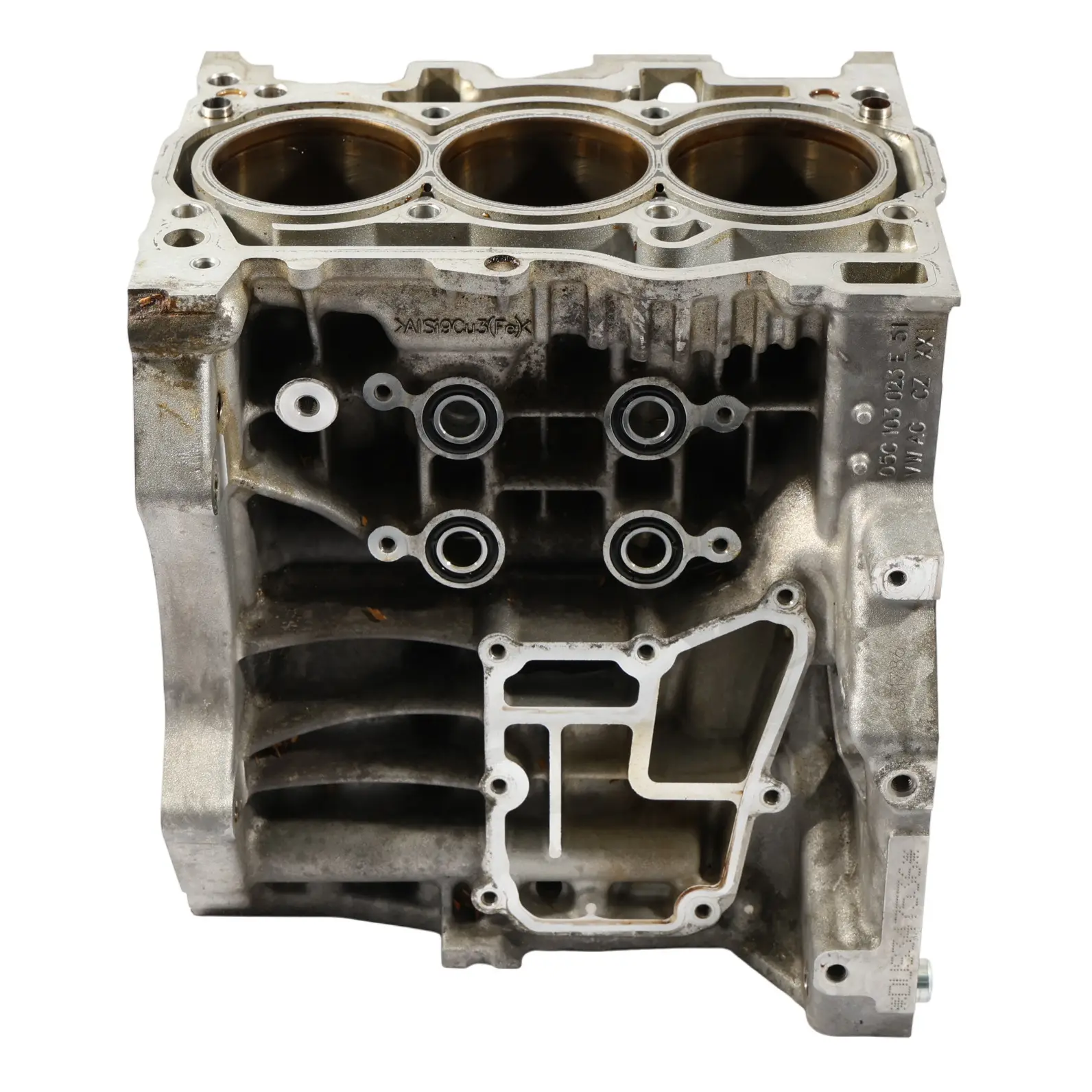
Part no. 05C103023E
Seat Ibiza FR Bare Engine Block Cylinder Mount 1.0 TSI Petrol 05C103011J
£284.95
Free delivery: Jul 8 – 15
If paid before 14:00
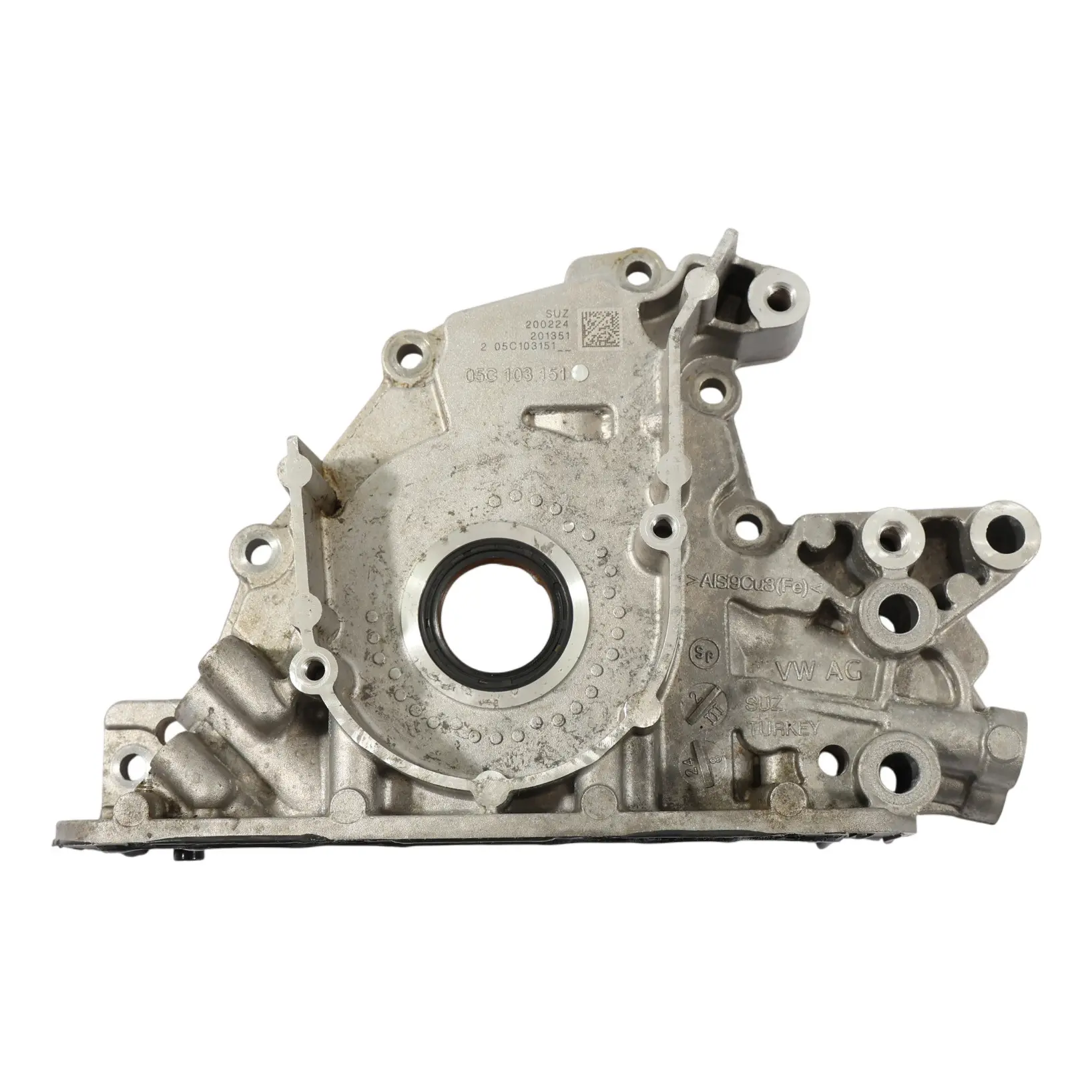
Part no. 05C103151
Audi A1 GB Seat Ibiza FR Crankshaft Housing Casing 1.0 TSI Petrol 05C103151
Product currently unavailable
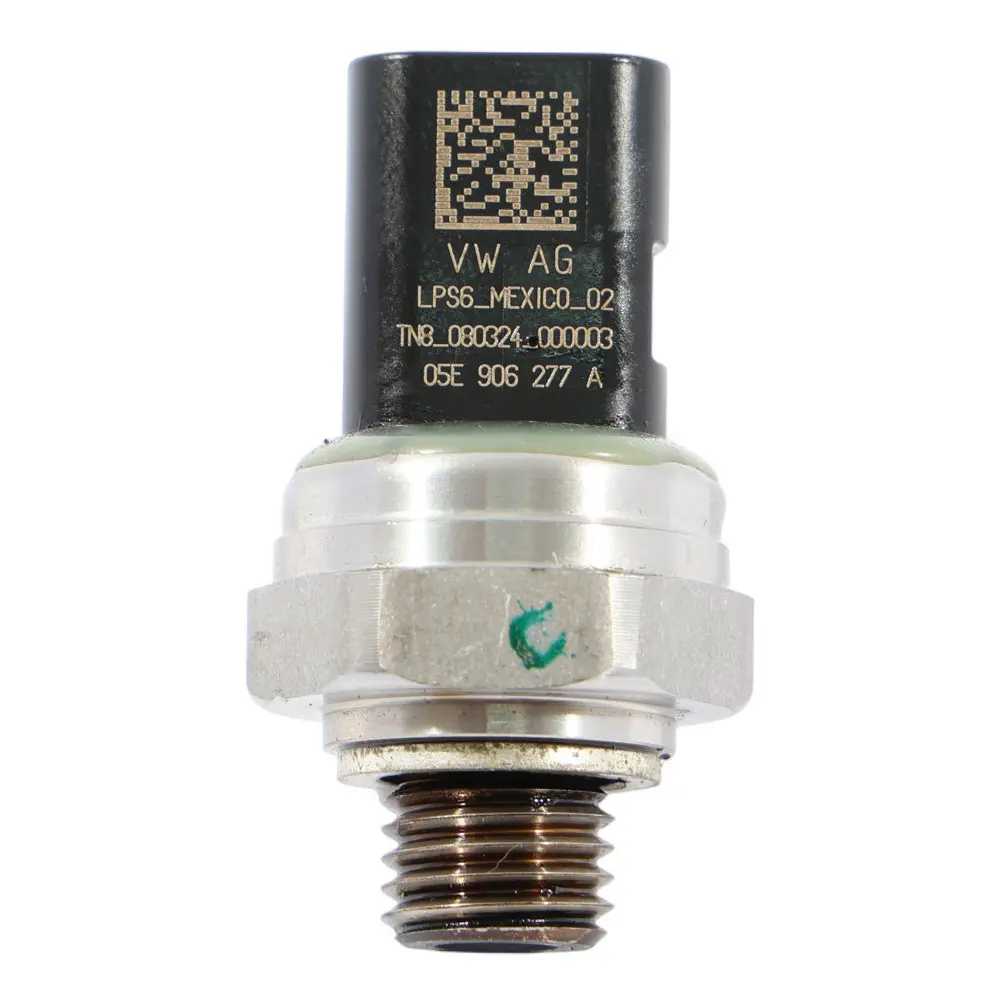
Part no. 05E906277A
Seat Ibiza Mk5 VW Golf Mk7 Petrol Engine Oil Pressure Sensor 05E906277A
Product currently unavailable
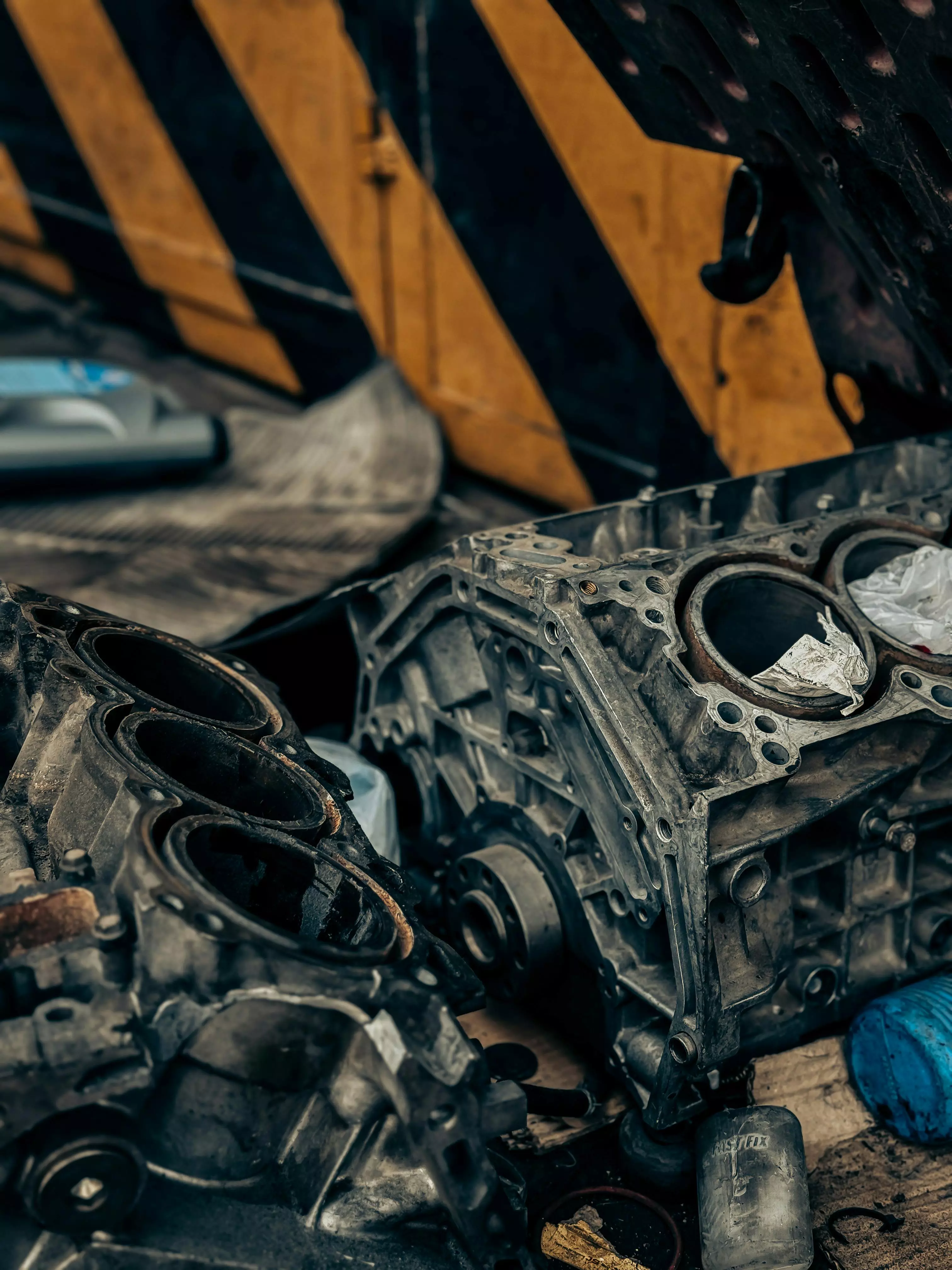
Engine block – the foundation of the power unit structure
The structure and functions of the engine block in ensuring the stability and efficiency of the car's operation
The engine block is the fundamental structural element of any powertrain. It serves as the main housing for key engine components, such as cylinders, pistons, crankshafts, and camshafts. A properly functioning engine block ensures the durability, efficiency, and reliability of the entire system. In the Global Parts automotive store, you will find a wide selection of used car engines, including engine blocks compatible with BMW, Audi, Mercedes, Volkswagen, Mini, and many other brands. Additionally, we offer V6 and V8 engine blocks for stands, which facilitate convenient service or diagnostic work. An engine block stand is a solution used in workshops for assembly and testing before installation in a vehicle. These models ensure stability and full compatibility with original engine components.
Construction and significance of the engine block
The engine block is a massive, precisely manufactured component that performs many key functions:
- Base for cylinders – The block houses the cylinders where the combustion process of the fuel-air mixture takes place.
- Housing for mechanical systems – It serves as the mounting point for pistons, the crankshaft, and main and connecting rod bearings.
- Channels for cooling and lubrication systems – It contains channels that allow the flow of oil and coolant, ensuring proper engine lubrication and cooling.
- Load-bearing structure – The engine block provides stability and strength to the entire powertrain. Without a functional engine block, other components cannot operate correctly, making it the foundation of the entire drive system.
Characteristics of engine blocks
Engine blocks are the central castings or bodies of a powertrain, mounted in the engine bay as a base for the crankshaft-piston system and accessories. A typical block contains cylinders, oil channels, cooling channels, surfaces for the cylinder head, and mounting points for the oil pan and accessories. In this category, it is essential to compare the OEM number, interchangeable numbers, fuel type, part condition, and vehicle placement. For parts such as a V8 block, compatibility with cylinder heads, the crankshaft, and the lubrication system is of particular importance. Engine blocks differ in the material used – steel, cast iron, or aluminum – which affects weight, thermal conductivity, and durability. For example, a V6 engine block made of aluminum weighs on average 65–75 kg, while a steel V8 engine block for a stand can weigh up to 120 kg.
Comparison of engine block variants and data to check
| Variant | Construction and features | Cooperating elements | What to check before selection |
|---|---|---|---|
| Inline block | Single row of cylinders, compact design, and simpler accessory layout | Cylinder heads, crankshaft, oil pan | OEM number, cylinder diameter, mounting points, fuel type |
| V6 block | Two rows of cylinders, compact length, and different channel layout | Crankshafts, manifolds, cooling system | Compatibility with the bank angle, accessories, and engine version |
| V8 block | Higher number of cylinders and robust construction for higher loads | Bearings, heads, lubrication system | OEM part number, car version, oil channels, and mounting surfaces |
| Block for stand | Variant prepared for workshop work, inspection, and assembly outside the vehicle | Gaskets and mounting parts, fasteners, service tools | Mounting stability, thread completeness, surface and socket condition |
Why is it worth taking care of the engine block?
The technical condition of the engine block has a direct impact on the performance, durability, and safety of your vehicle. Damage to the block can lead to:
- Engine overheating – Caused by leaks in the cooling channels.
- Power loss – Resulting from inaccuracies in cylinder surfaces, which lowers compression.
- Operating fluid leaks – Oil or coolant, which can lead to more serious failures. At Global Parts, we offer used car engines that have undergone detailed quality tests, ensuring their full functionality and durability.
Function of the engine block in powertrain operation
The engine block serves to maintain the correct geometry of the pistons, crankshaft, and main bearings during combustion and load transfer. This component is responsible for the rigidity of the entire lower engine assembly and for routing oil and coolant within the unit. If you are looking for a component such as a V8 stand, it is worth checking the block mounting method, hole layout, and compatibility with the planned scope of service work. Further knowledge on powertrain repairs can be found in the article Second life of the Mercedes OM642 engine – how injectors and a turbocharger restore power to the 3.0 V6 CDI. By matching engine blocks according to model and year, it is possible to quickly and seamlessly replace components, including a V6 engine block for a stand for BMW 5 Series (E60/E61) models or a V8 engine block for a stand for Audi A6 (C7). This type of matching minimizes assembly time and increases compatibility with other components, such as the cooling system and intake manifold.
How to choose the right engine block?
When choosing an engine block, pay attention to several key aspects:
- Compatibility with the vehicle model – Every car make and model has its specific requirements. At Global Parts, you will find blocks perfectly suited for BMW, Audi, Mercedes, Volkswagen, Mini, and others.
- Technical condition – Ensure the block is free from cracks, corrosion, and mechanical damage.
- Service history – Check if the block has been properly maintained and if it comes from a vehicle with a known mileage.
Engine block selection by OEM number and accessories
Selecting an engine block means comparing not only the body itself but also its compatibility with cooperating elements and the equipment of a specific car version. In practice, you should verify the OEM part number, interchangeable numbers, fuel type, channel layout, and compatibility with part groups such as Oil pumps and parts or Oil pans. When looking for parts for a specific model, such as BMW stands, it is also good to compare mounting points, threads, and engine accessory versions. Additionally, it is worth noting the block type: V6, V8, or engine block for a stand. Each type has different mounting parameters and cylinder dimensions. The table below shows example compatibility and symptoms of using specific types.
Why choose used engine blocks?
Used car parts are a solution that allows for savings without compromising on quality. By choosing used engine blocks, you gain:
- Lower costs – Used components are significantly cheaper than new ones but offer equally high quality.
- Ecology – You support recycling and reduce the amount of automotive waste.
- Wide selection – At Global Parts, you will find engine blocks for many car brands, making it easier to match them to your vehicle. It is worth paying attention to specific block parameters, e.g., cylinder diameter (from 80 mm to 95 mm for V6 blocks) or mounting bolt spacing (e.g., 90–110 mm). Such data makes it easier to match the part to a specific vehicle model and ensures full compatibility with accessories.
How to take care of an engine block?
To ensure the engine block works efficiently for years, follow these rules:
- Regularly change the coolant and oil to avoid corrosion and deposits in internal channels.
- Check the tightness of cooling and lubrication systems to prevent leaks.
- In case of block regeneration, use the services of specialists who will ensure precise repairs. In the Global Parts offer, you will find suitable used parts for service work related to the powertrain and its lower assembly. The procedure for mounting an engine block on a stand in a workshop includes several steps: dismantling old components, mounting the block on the stand, installing pistons and the crankshaft, checking cooling channel tightness, and testing timing system alignment. For V6 and V8 blocks, installation time varies on average from 2 to 4 hours, depending on the model and the mechanic's experience.
FAQ
| Question | Answer |
|---|---|
| What is the construction and purpose of engine blocks? | Engine blocks are the main structural elements of a powertrain, housing the cylinders, oil channels, cooling channels, and mounting surfaces for the cylinder head and oil pan. A typical block works with pistons, the crankshaft, and main bearings, and its task is to maintain the rigidity of the entire assembly. It is mounted in the engine bay as the base for the lower part of the powertrain. |
| What are engine blocks used for? | Engine blocks are used to transfer loads generated during the operation of pistons and the crankshaft and to maintain the correct engine operating geometry. They are also responsible for routing oil and coolant within the unit. Without a correctly selected and sealed block, it is impossible to properly assemble or operate the engine. |
| What is the construction and function of oil and cooling channels in the engine block? | Oil and cooling channels are internal passages made in the block body that distribute working media to key engine zones. Their function is to lubricate bearings, dissipate heat, and stabilize the engine's operating temperature. When selecting a block, it is worth checking channel patency, the condition of sealing surfaces, and compatibility with accessories and the head. |
| How to choose an engine block for a specific car version? | The safest way is to compare the OEM number, interchangeable numbers, fuel type, and engine and accessory version. It is also worth verifying mounting points, cylinder diameter, compatibility with the crankshaft and head, and the placement of cooperating elements. When there are differences between versions, comparing by VIN is helpful. |
| What symptoms indicate a problem with the engine block? | Typical signs include coolant or oil leaks, engine overheating, compression loss, and problems maintaining proper lubrication system operation. Traces of corrosion, damaged threads, and deformed mounting surfaces are also significant. Each of these symptoms should be assessed together with the accessories and the condition of the unit. |
| What to pay attention to when mounting an engine block on a stand or in a vehicle? | Before assembly, check channel cleanliness, thread condition, flatness of the surface under the head, and the completeness of mounting points. Compatibility with seals, the crankshaft, and the lubrication system, as well as the assembly sequence, is also important. For complex repairs, Connecting rods and parts, which must be selected according to the unit version, are also helpful. |
Summary: engine blocks at the Global Parts automotive store
Engine blocks are the foundation of reliability and efficiency for any powertrain. In the Global Parts offer, you will find used parts matched to many engine versions and brands, including BMW, Mercedes, Audi, Volkswagen, Mini, and others. When choosing, it is worth checking the OEM number, part condition, fuel type, interchangeable numbers, and compatibility with powertrain accessories. We invite you to contact us – we are here to help! For more information and interesting facts, we also invite you to visit our automotive blog.