


Out of Stock
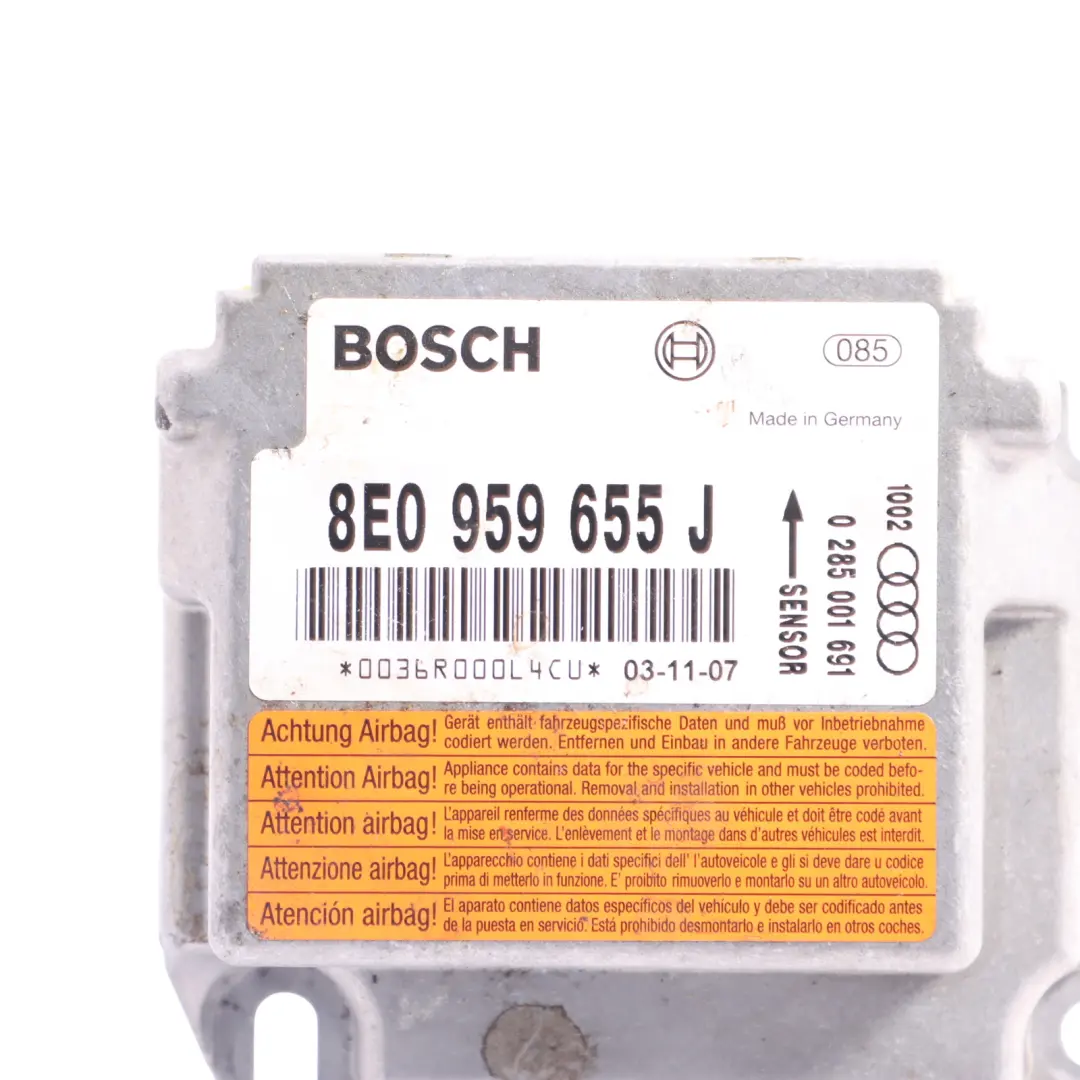
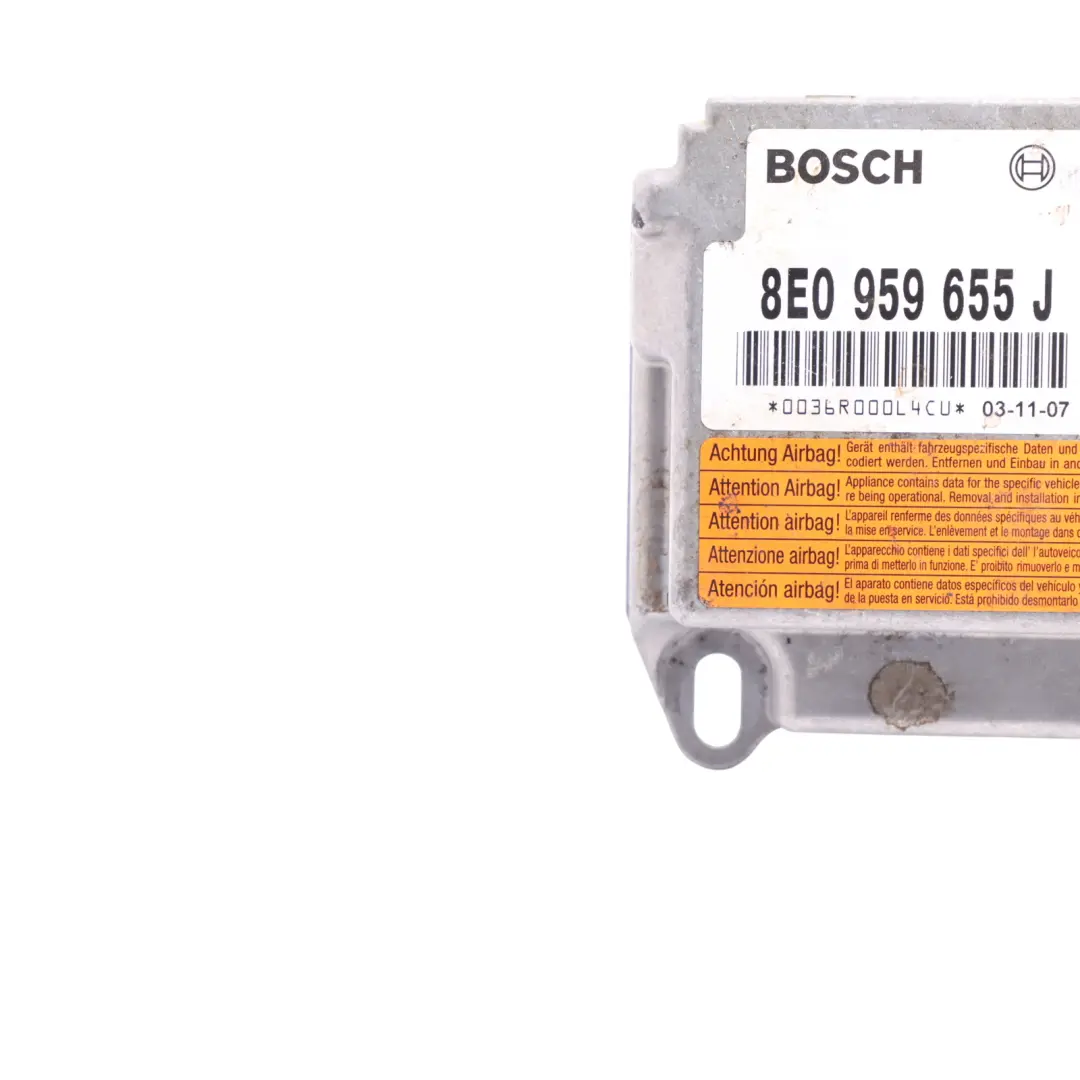
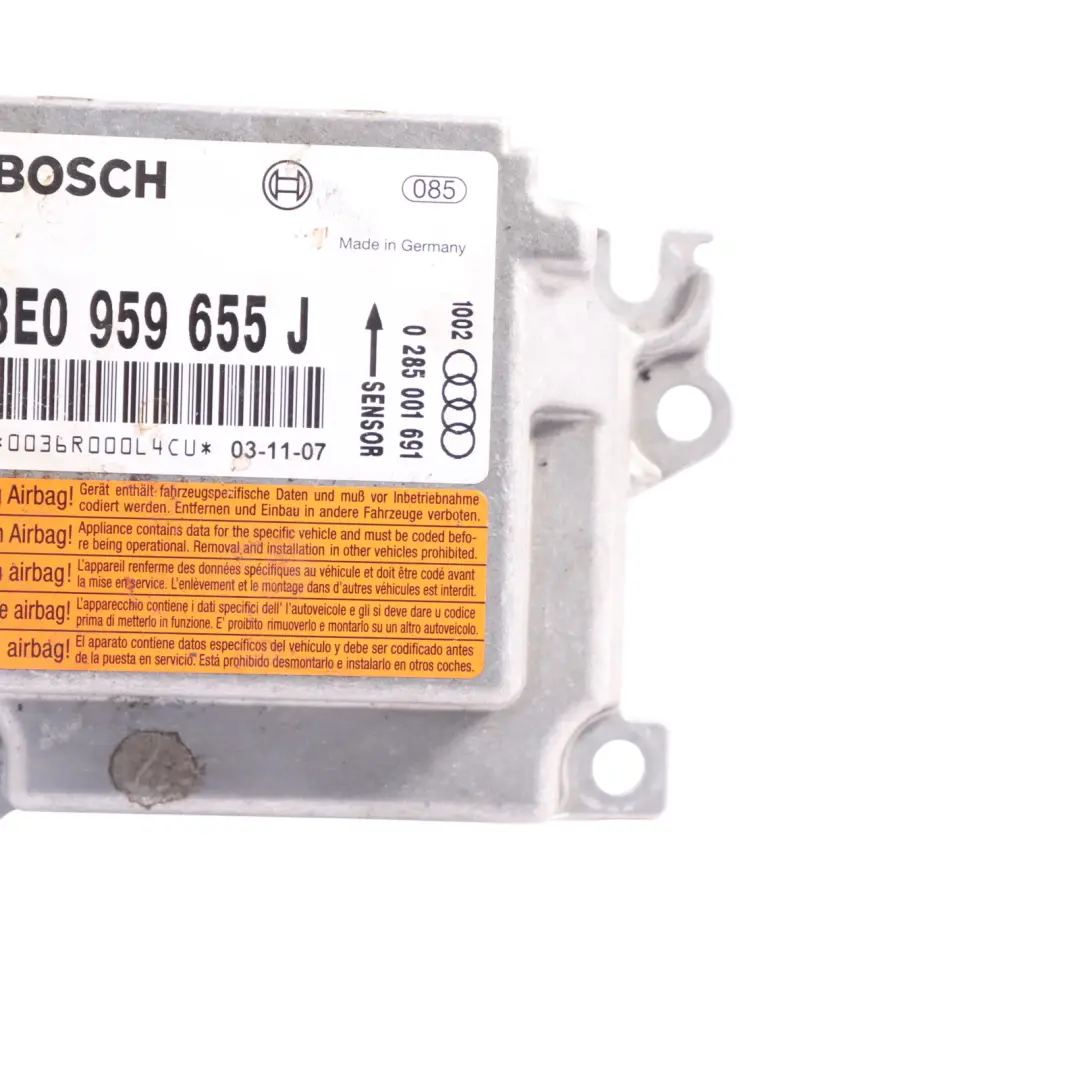
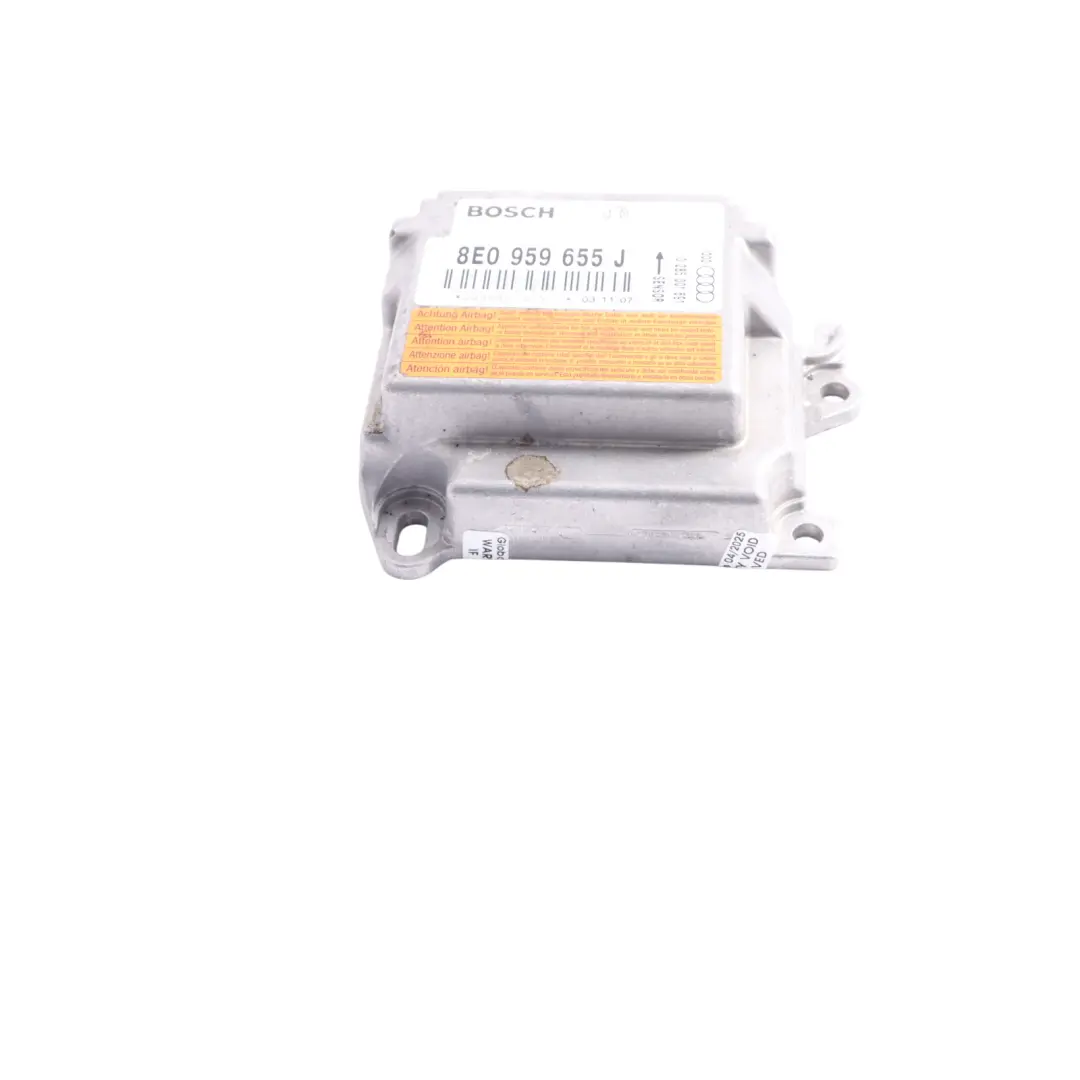
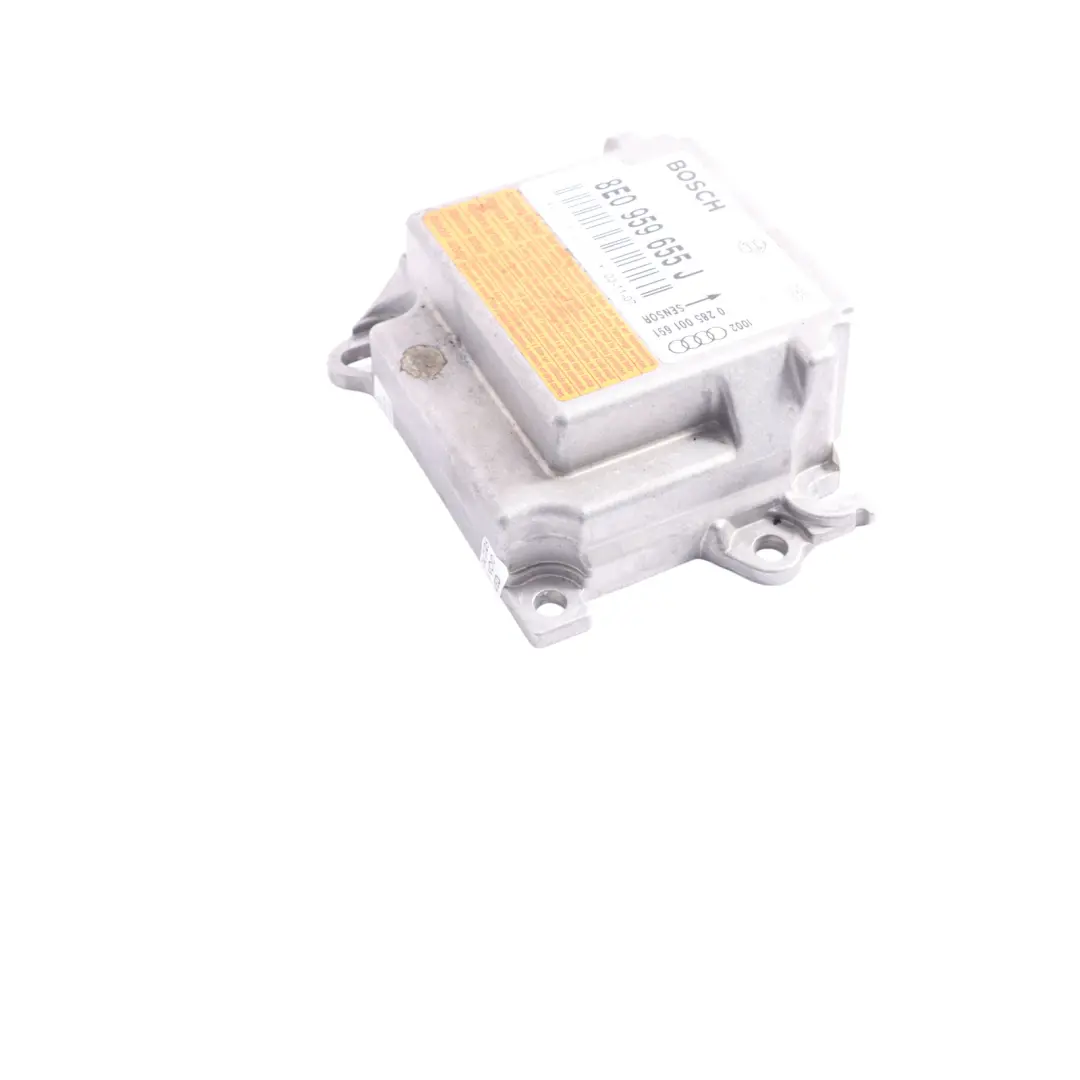
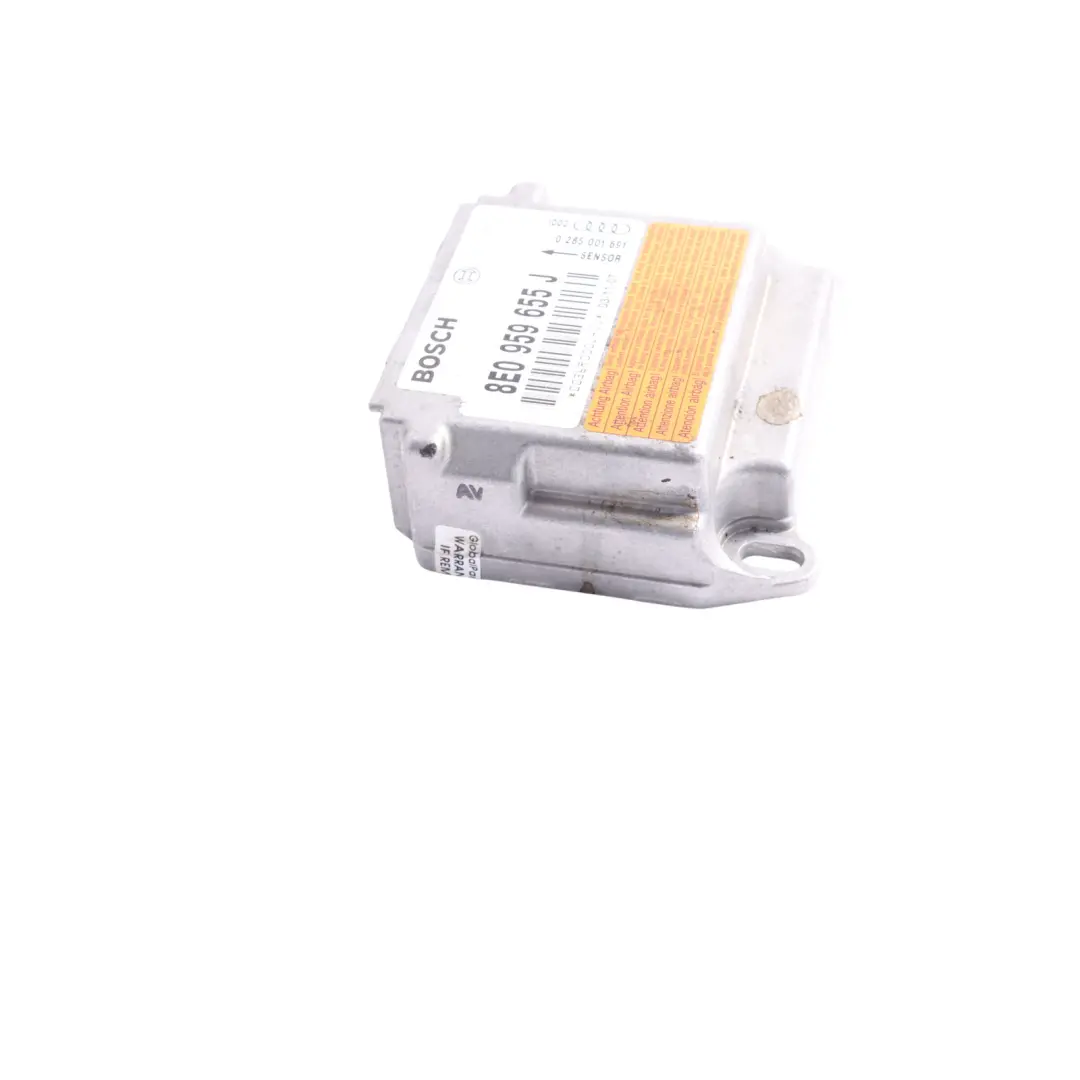
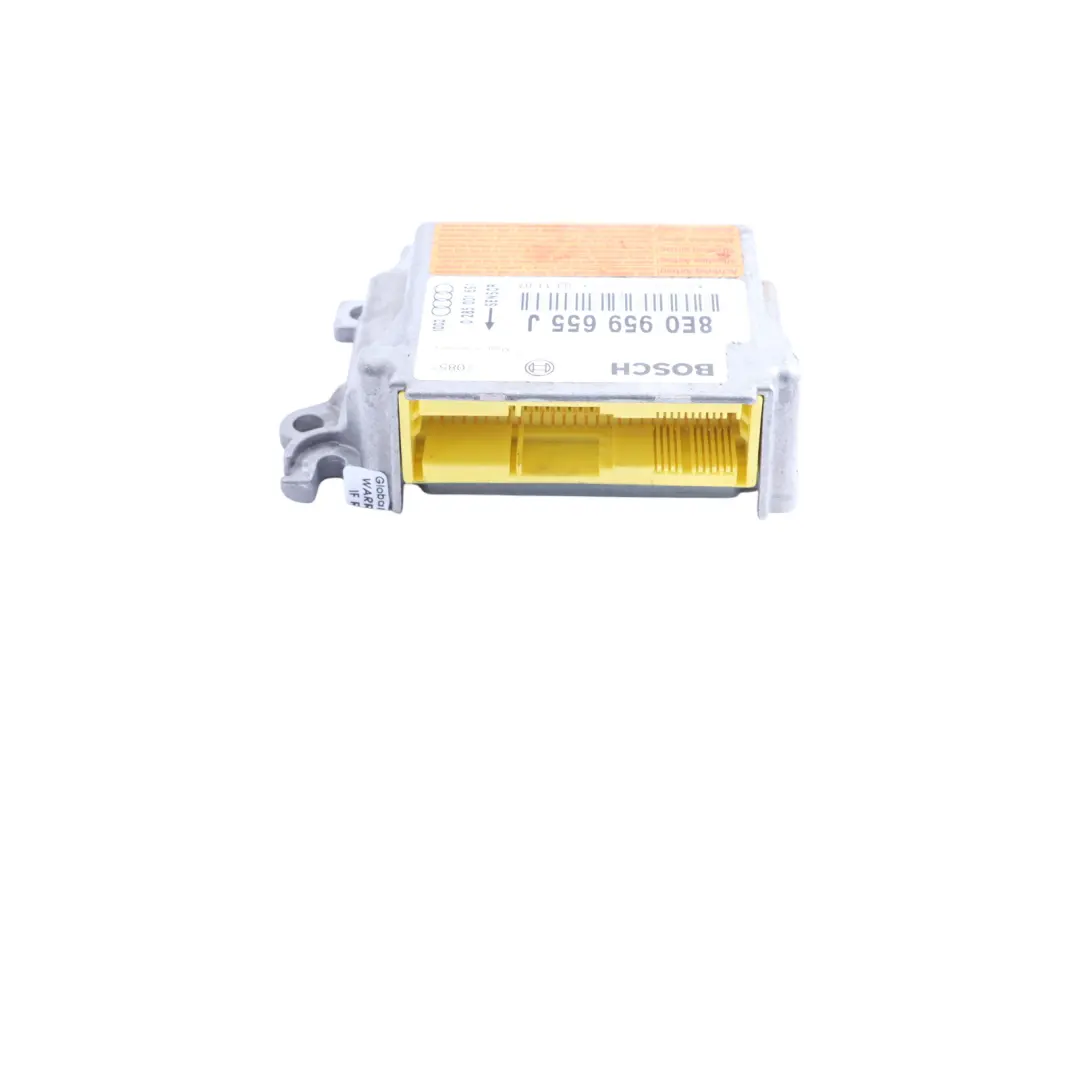
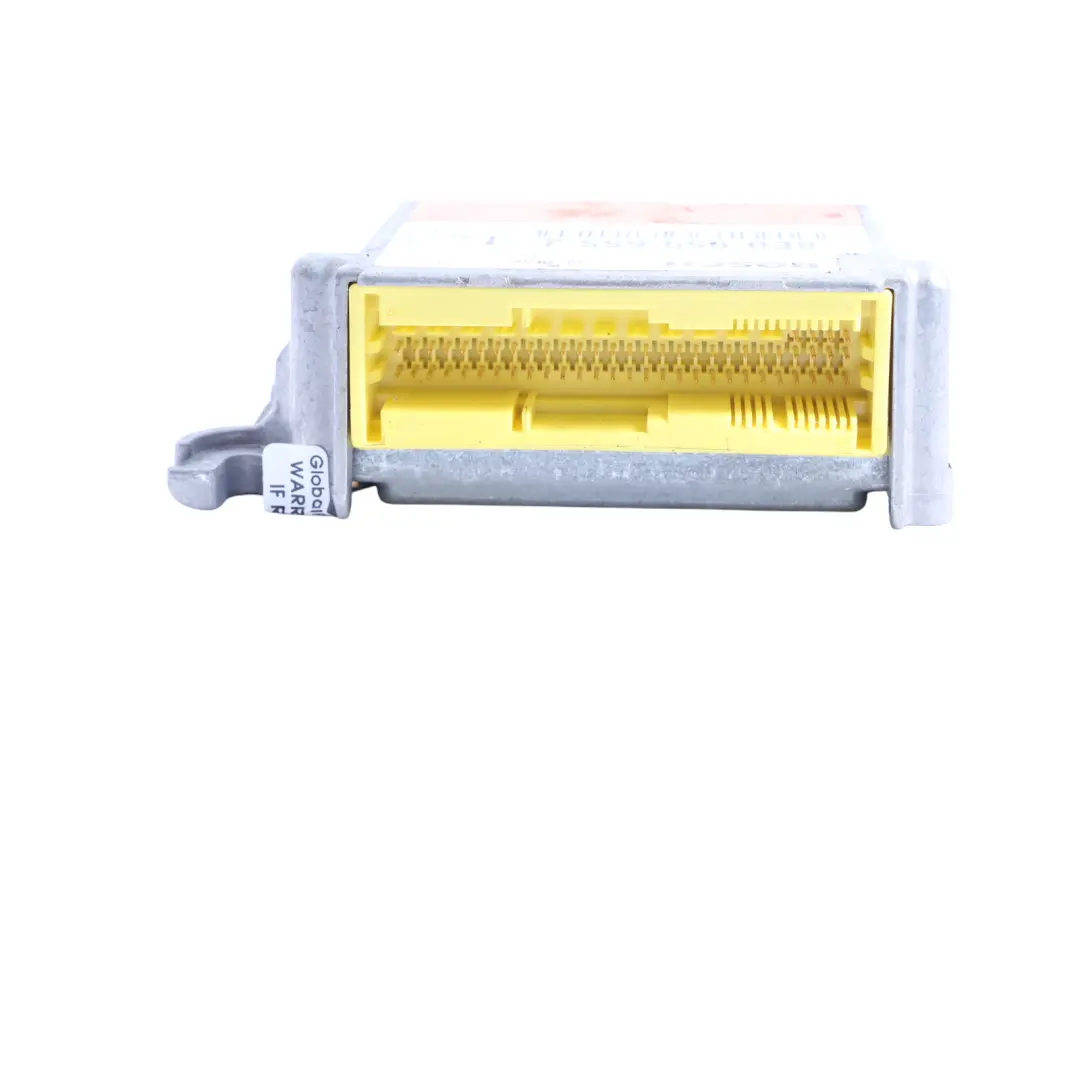
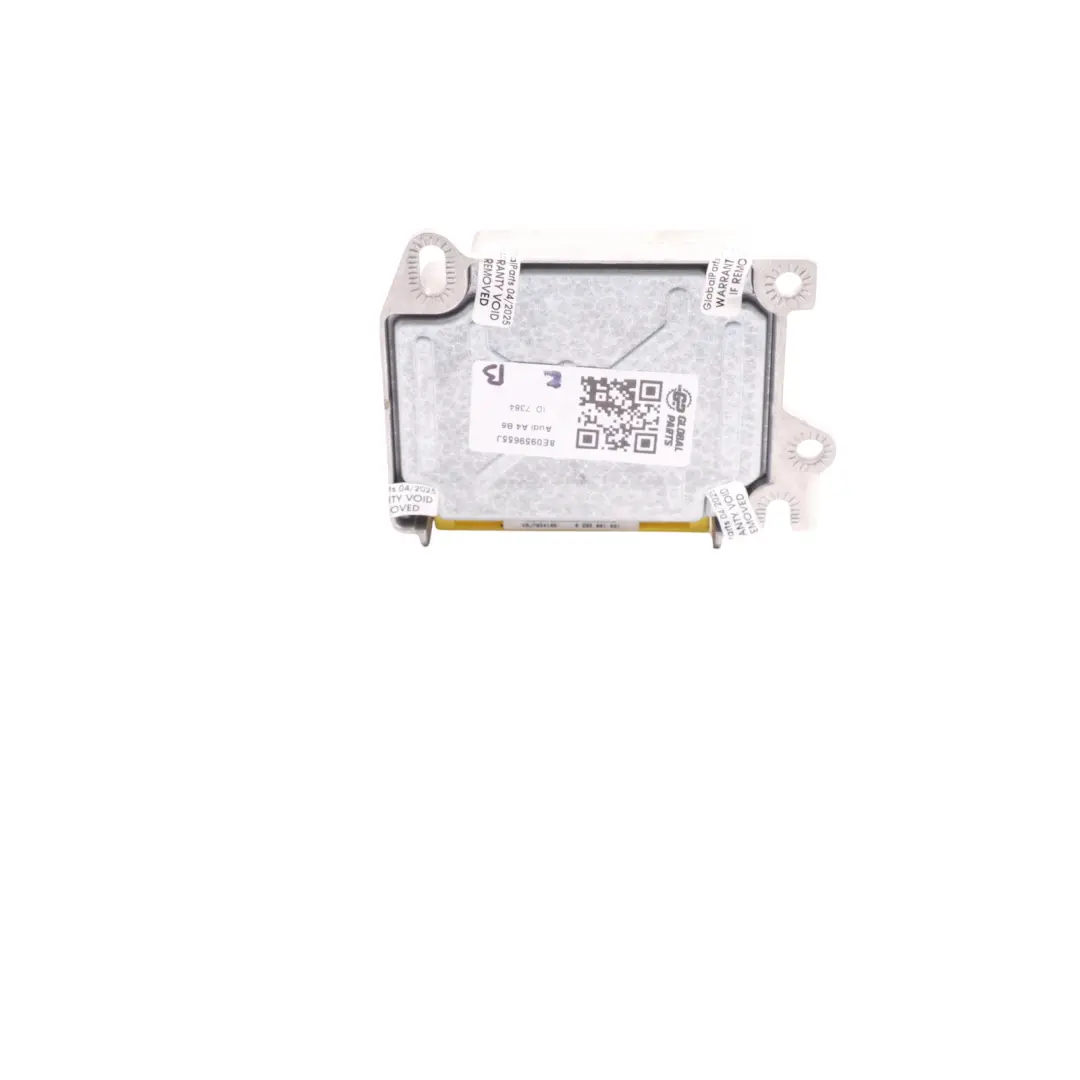
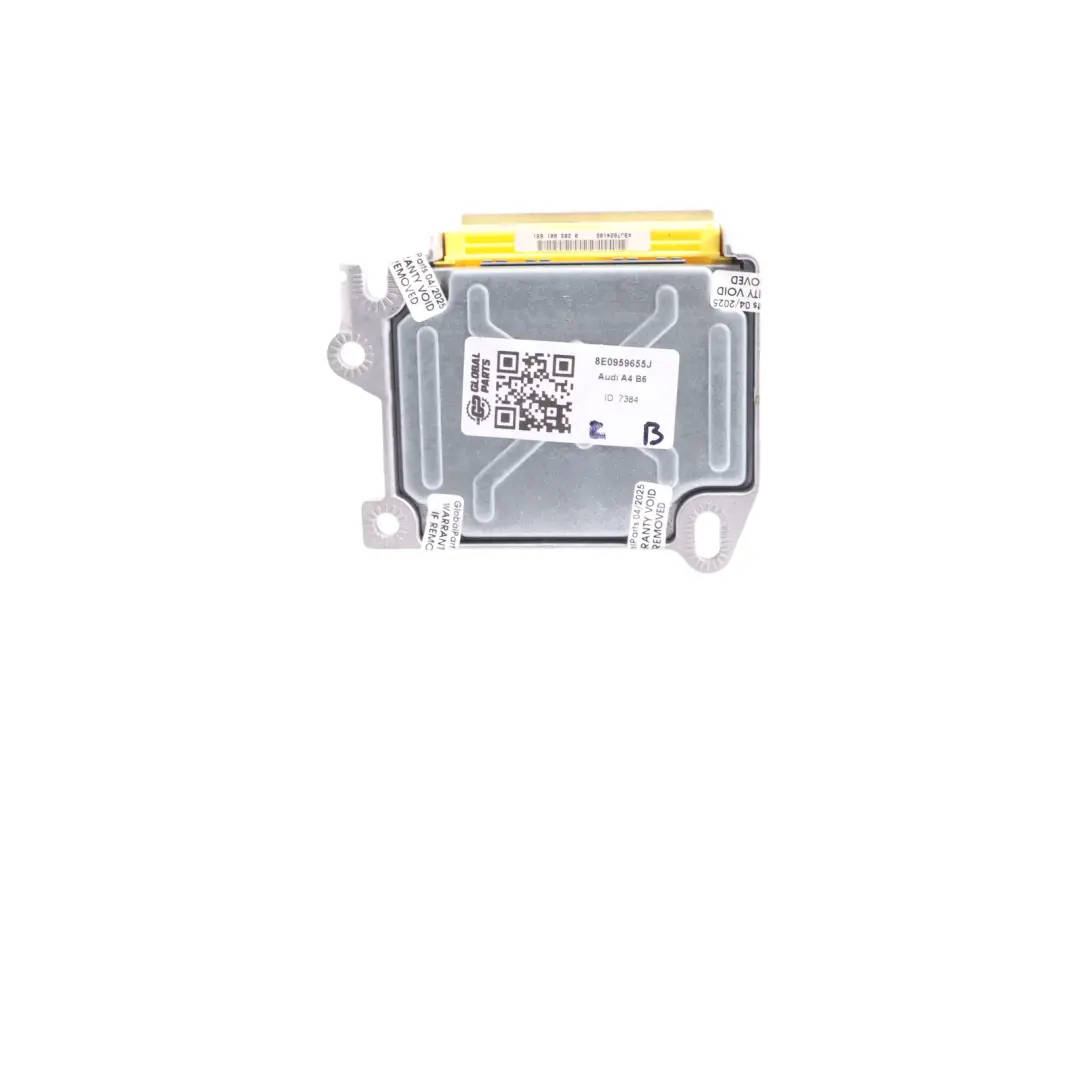
Audi A4 B6 Air Module Crash Impact Sensor Control Unit ECU 8E0959655J
SKU: 8E0959655J
Product from a certified dismantling facility
Condition:
Used
Available:
0
Delivery time:
Product currently unavailable
Payment methods:








Returns:
60 days return for UK 30 days return for other countries
Delivery from:
£0.00
This part is currently not available. Leave your email and we will notify you when the product is available again.
Audi A4 B6 Air Module Crash Impact Sensor Control Unit ECU is a specialized module responsible for analyzing signals from crash sensors and triggering the passive safety system. This component from the Electronic control modules and ECUs category has been designed for precise cooperation with the airbag system and impact sensors in Audi vehicles, ensuring stable operation of the entire SRS system.
Specifications and technical data
- SKU: 8E0959655J
- Mark: Audi
- Condition: Used
- OEM Part Number: 8E0959655J
- Substitutable numbers: 8E0959655J, 8E0 959 655 J, 0285001691, 0 285 001 691
- Category: ECUs & Computer Modules
Function and role of the control unit in the safety system
The airbag control module in the Audi A4 B6 plays a key role in monitoring the operation of crash sensors and airbag initiators. Based on data from acceleration and impact sensors, the control unit decides in a fraction of a second whether to deploy airbags and seatbelt tensioners, which has a direct impact on the safety of the driver and passengers. A properly selected control unit ensures:
- correct communication with the vehicle's electrical system and other electronic modules,
- stable monitoring of the SRS system status,
- the ability to diagnose errors using service testers.
Benefits of using an original Audi module
Choosing an original Audi module from the Electronic control modules and ECUs category allows you to maintain the factory logic of the safety system. This means proper fitment with the vehicle's electrical architecture, software compatibility, and predictable behavior in emergency situations. The main advantages of using an original control unit include:
- maintaining operating parameters consistent with the vehicle manufacturer's specifications,
- easier integration with the existing wiring harness and other modules,
- the possibility of correct coding and adaptation during service.
Condition and application in service practice
The presented module is a used component, which in service practice allows for an economical repair of the airbag system while maintaining the manufacturer's original specifications. This type of control unit is particularly useful for post-accident repairs when it is necessary to replace a damaged control unit with a compatible element from the same family. Before installation, it is recommended to verify compatibility by part number and perform a full diagnostic of the SRS system, followed by appropriate coding of the module according to the equipment of the specific Audi A4 B6 vehicle. This approach minimizes the risk of errors and ensures proper cooperation with crash sensors and airbags.
Selection and compatibility of the control module
When selecting an airbag control unit for an Audi, it is worth using OEM markings and interchangeable part numbers to ensure that the module comes from the same design family and will work correctly with the vehicle's installation. In service practice, manufacturer catalogs and comparing the parameters of the removed component with the replacement part are often used. If you are planning a comprehensive repair or upgrade of the electronic zone in your Audi and need other components from the same group, such as comfort control units, body modules, or safety system control units, check the available parts in the Audi electronic control modules and ECUs category.
Technical support and selection of used modules
When working with used control units and other electronic modules, it is worth using reliable sources of knowledge regarding part selection, adaptation procedures, and diagnostics. Materials describing a practical approach to electronic systems in modern cars, including issues related to CAN bus communication and the integration of multiple control units in a single vehicle architecture, can be helpful. For a better understanding of the principles of selecting and operating used electronic modules in premium cars, you can refer to an article discussing the maintenance of multimedia systems and control units in BMW models – you will find practical tips there that are also helpful when working with electronics of other brands: Driving pleasure for years – how to take care of iDrive systems and electronic modules in BMW 3 and 5 series models using dismantled parts? If you are interested in a broader context of selecting original, used Audi components by OEM numbers and want to better understand the design philosophy of this brand's units, it is worth reading the material dedicated to legendary five-cylinder engines: Audi five-cylinder engine – a legend from Quattro to RS3 and how to take care of it using original Audi parts.
Delivery details
Ship to: United Kingdom
Check delivery times for another country
Delivery Price
Service
Postage and packaging
Service
Postage and packaging
Delivery time
Estimated delivery dates include sellers dispatch time, origin postcode,destination postcode and time of acceptance, and will depend on the postage service selected and receipt of cleared payment. Delivery times may vary, especially during peak periods.
Will usually dispatch within same working day if paid before 14:00 BST (excludes weekends and holidays). Expected dispatch time may vary and is based on sellers order cut-off time.
In the automotive store Global Parts, we offer fast and secure deliveries for our customers in United Kingdom, ensuring maximum compliance with local service standards. Each order is processed with the utmost attention, guaranteeing a fluid shopping process and a timely delivery. If you need assistance in choosing the right part, our team of consultants will be happy to help you find the right part for your vehicle and provide information on installation, availability and parameters of the selected components.