


Drive shafts
More informationAt Global Parts, we offer a wide selection of original used car parts, including drive shafts for many popular car brands such as BMW, Mini, Mercedes, Audi, Volkswagen, and others. Each drive shaft we offer undergoes quality control to ensure you receive a top-quality product.
GB
Make
Category
Subcategory
Differentials and parts
Condition
In Stock
Price
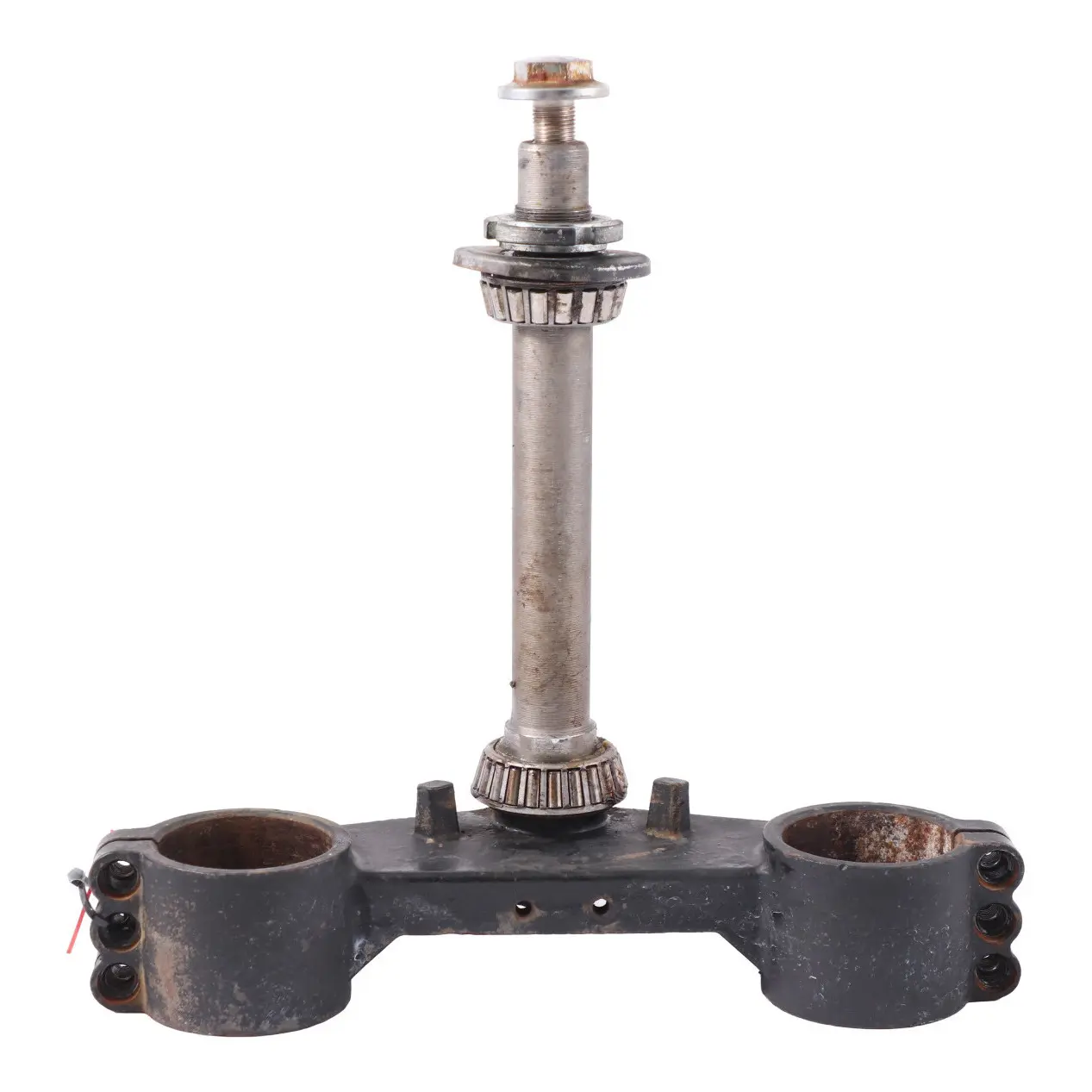
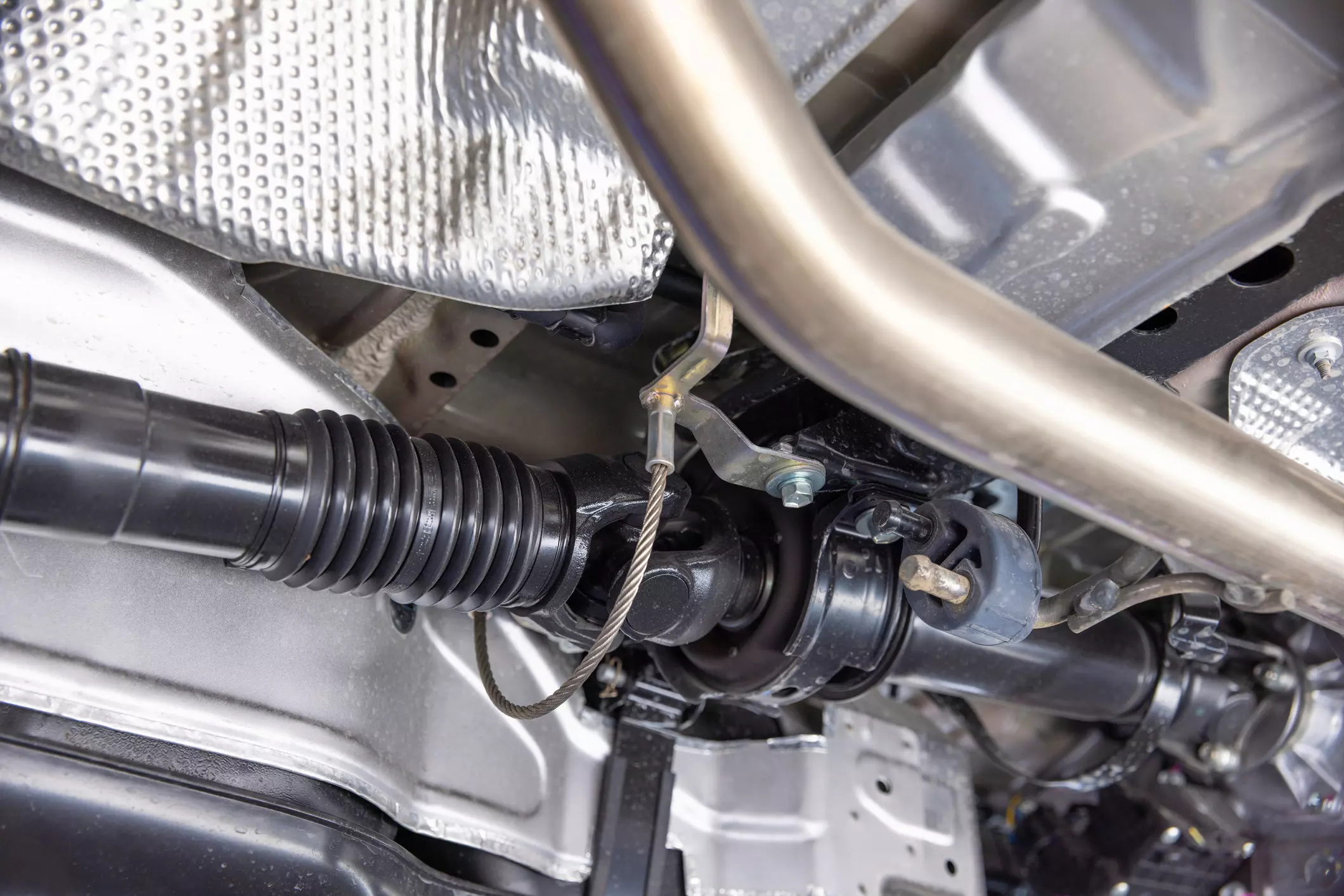
Drive shafts – structure and function in the vehicle drivetrain
The importance and principle of operation of drive shafts in power transmission
Drive shafts are fundamental components of the drivetrain responsible for transferring torque from the engine or transmission to the vehicle's wheels. Their reliability and precision are crucial for smooth driving, safety, and the durability of the entire drivetrain. In the Global Parts automotive store, you will find a wide selection of used car parts, including drive shafts, compatible with brands such as BMW, Audi, Mercedes, Volkswagen, Mini, and others.
What is the role of drive shafts?
Drive shafts are an essential link in the drivetrain and perform several key functions:
- Torque transfer – They are responsible for transferring energy from the engine or transmission to the vehicle's axles.
- Vibration damping – Thanks to joints and flexible connections, drive shafts minimize vibrations, which improves driving comfort.
- Flexibility – Joints and shafts allow for power transmission across various planes, adapting to the movement of the suspension and steering system. Drive shafts are made of durable materials, such as hardened steel, which ensures their longevity under extreme conditions.
Construction and purpose of drive shafts
Drive shafts are components that connect the transmission, transfer case, or differential to the rest of the drivetrain. A typical shaft consists of a tube or several segments, joints, flanges, a center support, and mounting points. Their task is to stably transfer torque despite suspension movement and changes in the angle of the components. In practice, selection involves length, number of parts, type of connections, and compatibility with the drivetrain version. A drive shaft usually consists of steel tubes with a diameter of 50 to 100 mm, universal joints or constant velocity (CV) joints, bearing supports, and mounting elements. In vehicles such as BMW E60 530d, BMW X3 E83, or Mercedes Vito 639, multi-element shafts are also used, allowing for power transmission over long distances between the transmission and the drive axle. In commercial vehicles, such as VW LT 35, shafts can reach lengths of over 2 meters, which requires precise balancing.
Comparison of drive shaft variants
| Variant | Construction | Application | What to check before purchase |
|---|---|---|---|
| Single-piece | One tube section, joints, and flanges | Short distance between drivetrain units | Total length, connection type, joint condition |
| Two-piece | Two segments and an intermediate support | Many passenger cars and SUVs with longer drivetrains | Support position, mounting compatibility, OEM number |
| Multi-piece | Several sections, more support points and connections | Commercial vehicles and long-wheelbase versions | Number of segments, flange layout, body and drivetrain version |
Why is it worth taking care of drive shafts?
Damage or wear of drive shafts can lead to serious problems, such as:
- Noise and vibration – These may indicate worn joints or improper shaft balancing.
- Drivetrain issues – These can result in a loss of driving smoothness or even drivetrain failure.
- Reduced lifespan of other components – Such as drive axles, gears, or suspension. At Global Parts, we offer used car parts that have been thoroughly checked for quality and durability. It is worth knowing that the intensity of vibrations can often be linked to rotational speed. For example:
- in the 40–60 km/h range, vibrations may indicate worn joints,
- at 80–120 km/h, they most often relate to shaft imbalance. Such data helps to diagnose problems more accurately and select the right replacement faster.
Cooperating elements and typical signs of wear
The shaft support is an intermediate element that stabilizes a longer drive shaft and limits its vibrations during operation. It works with joints, flanges, the drive axle, and components from the differentials and parts group. Signs of wear do not always result from the shaft tube itself, so it is worth assessing the play in the connections, the condition of the rubber support bushing, and compatibility with Cardan joints and parts. In the case of parts such as an E46 half-shaft, it is worth separating the diagnosis of the half-shaft from that of the drive shaft, as both elements work in the same system but have different mounting points and different signs of wear. When selecting, compare the OEM number, mounting side, and transmission type.
How to choose the right drive shaft?
When choosing a drive shaft, pay attention to several key factors:
- Compatibility with the vehicle model – Every drivetrain has its specific requirements. At Global Parts, you will find drive shafts perfectly matched to BMW, Audi, Mercedes, Volkswagen, Mini, and others.
- Technical condition – Ensure the shaft is free from mechanical damage, such as cracks or corrosion, and that the joints operate smoothly.
- Balancing and length – Proper shaft balancing and dimensions are crucial for the correct operation of the drivetrain.
Selection by OEM number and car configuration
The OEM number is the factory part designation that allows you to compare structural compatibility with the vehicle's equipment. For drive shafts, not only the brand matters, but also the transmission type, fuel type, vehicle placement, and any interchangeable numbers. If you are looking for a component such as a Focus Mk2 half-shaft, you need to check this data separately, as half-shafts and drive shafts are selected according to different mounting points. It is also helpful to compare with the drive axles offer and the transmissions and drivetrains department.
Table of example lengths and shaft types for popular models
| Vehicle model | Shaft type | Number of elements | Approximate length |
|---|---|---|---|
| BMW E60 530d | 2-piece shaft | 2 | approx. 1700–1800 mm |
| BMW X3 E83 | 2-piece shaft | 2 | approx. 1650 mm |
| Mercedes Vito 639 | 3-piece shaft | 3 | approx. 2200–2400 mm |
| VW LT 35 | 2–3 piece shaft | 2–3 | up to 2600 mm |
Why choose used drive shafts?
Used car parts, such as drive shafts, are a practical solution that allows for savings while maintaining high quality. By choosing used drive shafts, you gain:
- Lower costs – Used components are significantly cheaper than new ones but offer equally high quality.
- Ecology – Recycling car parts supports environmental protection and reduces waste.
- Wide offer – In our store, you will find drive shafts for the most popular car brands. Dismantled drive shafts often come from fleet or service vehicles where consumables were regularly replaced. As a result, many of them are in very good technical condition and dimensionally compatible with the original. This also applies to specialized models, such as the BMW E60 530d drive shaft, BMW X3 E83 drive shaft, Vito 639 drive shaft, or VW LT 35 drive shaft.
Supplementary materials for drivetrain selection
Shaft selection should be analyzed together with the axle ratio and the character of the entire drivetrain. A helpful expansion of the topic is the article Dismantled drive axles and differentials – how to choose ratios for your driving style, which organizes the relationships between the shaft, differential, and power transmission method. This is especially useful when comparing several versions of the same platform or completing a repair after replacing several drivetrain elements.
How to take care of a drive shaft?
To ensure your drive shaft works reliably for a long time, it is worth following a few rules:
- Regularly check the condition of joints and rubber boots to prevent wear.
- Monitor shaft balance, especially after replacing other drivetrain elements.
- Ensure proper joint lubrication according to the manufacturer's recommendations. If you need to replace a drive shaft, at Global Parts you will find suitable used car parts that will restore the vehicle's full functionality.
Inspection procedure description
Regular inspection usually includes:
- Assessing radial and axial play in the joints.
- Checking the stiffness of the shaft support and rubber bearing.
- Assessing the condition of universal joints and any leaks.
- Measuring balance on a specialized machine ("G16" standard for automotive shafts).
FAQ
| Question | Answer |
|---|---|
| What is the construction and purpose of drive shafts? | Drive shafts are drivetrain components mounted between the transmission, transfer case, axle, or drive axle. A typical element consists of a tube or several segments, joints, flanges, a support, and mounts. Their design depends on the vehicle length, drivetrain type, and connection method with other components. |
| What are drive shafts used for? | Drive shafts are used to transfer torque between drivetrain units while maintaining smooth operation. In addition to power transmission, they compensate for suspension movement and minor changes in operating angles. Without a correctly selected shaft, vibrations, noise, and overloads of other drivetrain elements may occur. |
| What is the role of the shaft support? | The shaft support is an element that stabilizes the middle part of a longer drive shaft. It serves to maintain the correct position of the unit during rotation and limits the transmission of vibrations to the body. Its condition affects both operating smoothness and the durability of joints and mounts. |
| How to choose a drive shaft for a specific car version? | It is safest to compare the OEM part number, interchangeable numbers, transmission type, and vehicle placement. The body version, fuel type, and drivetrain configuration also matter. In cars of the same series, there may be different shaft lengths and different mounting flanges. |
| How to recognize signs of drive shaft imbalance or wear? | Most often, vibrations are felt during acceleration or within a specific speed range. Additional signals may include knocking during load changes, jerking, and noise from the center tunnel or the rear of the vehicle. It is then worth checking the support, joints, and bolted connections. |
| What elements should be checked before installing a drive shaft? | Before installation, assess the condition of joints, flanges, support, threads, and contact surfaces. You must also confirm the compatibility of mounting points and the absence of transport damage. After installation, it is important to correctly align the element according to the car's design and check that other drivetrain parts do not have excessive play. |
Summary: drive shafts at the Global Parts automotive store
Drive shafts are key drivetrain elements that affect driving smoothness, comfort, and safety. The Global Parts offer includes used parts for many drivetrain configurations, matched to brands such as Mercedes, Audi, BMW, and others. When choosing, it is worth comparing the OEM number, technical condition, transmission type, vehicle placement, and compatibility with the car version to select the right element without unnecessary modifications. We invite you to contact us – we are here to help! For more information and interesting facts, we also invite you to visit our automotive blog.