


Door Sills & Surrounds
GB
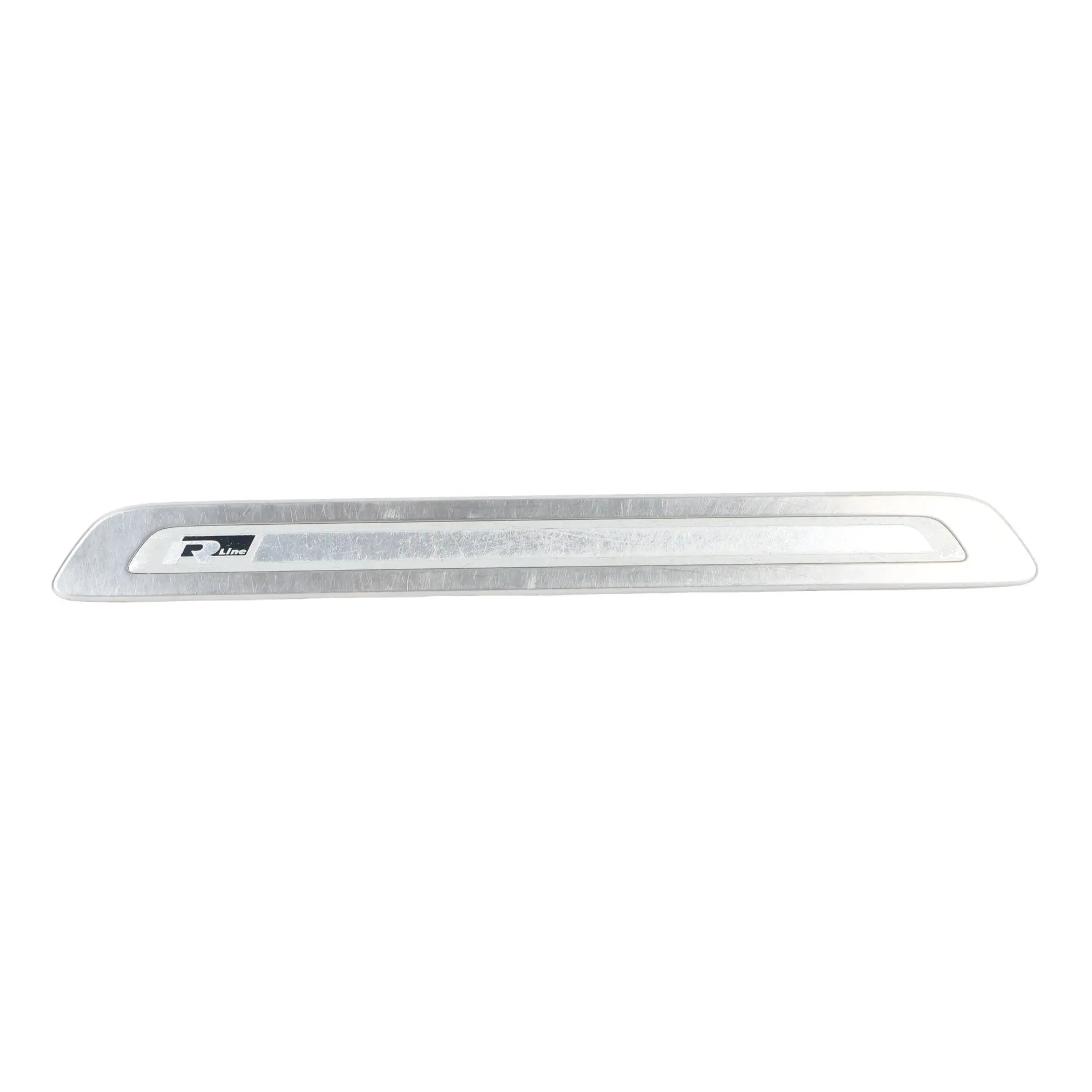
Door Sills & Surrounds
In the Global Parts automotive store, you will find a wide selection of used car parts, compatible with brands such as Audi, BMW, and others. Protective and door sill trims are responsible for securing the edges of sills, door cavities, and entry zones against abrasions, dirt, and operational damage. This category includes components mounted inside the vehicle or at the door opening, which should be verified by OEM number, mounting side, body version, and finish type.
Construction and purpose of protective and door sill trims
Protective and door sill trims are body and interior finishing elements, most often mounted on door sills, at the lower edge of the cabin entrance, or at the junction of upholstery and metal. Their task is to shield areas particularly exposed to contact with footwear, luggage, and dirt brought into the car. A typical component consists of a visible decorative part, mounting points, and a profile matched to a specific body contour or interior trim. In practice, it is important to consider not only the position of the part but also its compatibility with the door version, interior color, and surface type. When completing a repair for a specific model, e.g., Audi A4 B8, it is worth comparing the shape of the trim ends, the number of clips, and whether the given variant works with the seal and the side sill cover.
Protective function and impact on the appearance of the entry zone
A door sill trim is used to protect an area that is regularly subjected to mechanical stress during daily use. It limits the abrasion of paint or plastic on the sill, improves the aesthetics of the vehicle entrance, and helps maintain order at the lower edge of the door opening. In many versions, it also serves a masking function, as it covers the joints of upholstery, clips, and wires running along the floor. When choosing a component such as a BMW E90 door sill trim, it is essential to check the mounting side, the latch mechanism, and whether the part comes from a pre-facelift or post-facelift version. For a consistent interior finish, such elements are often selected together with the Interior equipment and Dashboards categories, especially when the car is undergoing a broader repair or cabin refreshment.
Comparison of protective and door sill trim variants
| Element type | Mounting location | Main function | What to check before purchase |
|---|---|---|---|
| Interior door sill trim | Sill at the door opening | Protection of the entry zone and interior finish | Mounting side, color, type of clips, OEM number |
| Exterior protective trim | Outer part of the sill or lower body line | Reduction of abrasions and protection of body surfaces | Profile, length, body compatibility, mounting type |
| Decorative sill cover | Upper part of the cabin entrance | Masking and aesthetic finishing | Surface finish, equipment version, mounting points |
Selecting parts by OEM, bodywork, and mounting location
The selection of protective and door sill trims should take into account the OEM part number, interchangeable numbers, placement on the vehicle, and compatibility with a specific body version. It also matters whether the element is intended for the left or right side, for a three- or five-door version, and whether it comes with an additional decorative insert. If you are looking for a component such as an Audi A3 8P door sill trim, it is good to compare the trim profile with the shape of the sill and check if it corresponds to the interior variant. For more extensive work, it is worth comparing this element with the Steps, pedals, trims and Door latches and handles categories, as these are parts mounted in the same functional zone and often affect the final fitment and interior aesthetics.
Cooperating elements and practical mounting tips
Mounting a trim refers to the way the part is connected to the sill, carpet, or plastic side cover. It may rely on clips, sliding guides, mounting tape, or a mixed connection, depending on the car's construction. Before installation, it is worth checking the condition of the clips, the cleanliness of the surface, and whether there is deformed carpet under the trim, as these elements most often determine proper adhesion. Technical knowledge can also be supplemented by the material on 2.5 TFSI DAZA – how to safely increase Audi RS3 power by buying used turbochargers, which shows how important it is in the automotive industry to carefully compare part versions, numbers, and equipment compatibility, even when dealing with a completely different component.
FAQ
| Question | Answer |
|---|---|
| What is the construction and purpose of protective and door sill trims? | Protective and door sill trims are shielding and finishing elements mounted in the vehicle's entry zone and at the door sills. They usually consist of a plastic, metal, or composite profile, a decorative part, and mounting points matched to a specific car model. Their purpose is to protect surfaces exposed to abrasion and to aesthetically close the joints between the metal, seal, and interior elements. |
| What are protective and door sill trims used for? | Protective and door sill trims are used to secure sills and entry edges against mechanical damage and dirt. In addition to their protective function, they also improve the interior's appearance and help maintain the proper finish of the area near the doors. Depending on the version, they can also mask clips, carpet edges, and connection points of other covers. |
| What is the construction and function of the door sill trim mounting? | The door sill trim mounting is a system of clips, guides, mounting holes, or contact surfaces that keep the element stable after installation. This solution is responsible not only for keeping the part in the correct position but also for its fitment with the carpet, door seal, and side cover. Differences in the mounting type are common even within a single model, which is why it is worth comparing them together with the OEM number. |
| How to choose protective and door sill trims for a specific car? | It is best to compare the OEM part number, mounting side, body version, and visible mounting points. Information about interchangeable numbers and whether the part comes from a pre-facelift or post-facelift version is also useful. In cars with different equipment levels, it is also worth verifying the color and type of surface finish. |
| What symptoms indicate damage or wear of a door sill trim? | Typical symptoms include cracks, detachment from the sill, missing clips, surface abrasions, or difficulty in properly seating the element after closing the door. It also happens that a damaged trim does not adhere evenly to the carpet or exposes the edge of the metal. In such cases, it is worth checking not only the trim itself but also the condition of the clips and adjacent covers. |
| What parameters should be considered before mounting protective and door sill trims? | Before installation, check the placement on the vehicle, OEM number compatibility, mounting type, and the general shape of the profile. It is also good to assess the condition of the contact surface and ensure that there is no damaged carpet, bent seal, or missing clips at the mounting location. Such a comparison facilitates the correct fitting of the part without unnecessary modifications. |
Summary: protective and door sill trims at the Global Parts automotive store
Protective and door sill trims are practical elements that combine a protective function with an aesthetic finish of the vehicle's entry zone. The Global Parts offer includes used parts for many models, including cars from brands such as Audi, BMW, and others, and when choosing a specific variant, it is worth following the OEM number, placement on the vehicle, body version, and mounting type. This makes it easier to select an element that will be correctly fitted with the sill, seal, and adjacent interior covers. We invite you to contact us – we are here to help you! For more information and interesting facts, we also invite you to visit our automotive blog.