


Cooling system hoses and lines
More informationAt Global Parts, we offer a wide selection of original used car parts, including cooling system hoses and lines for many popular car brands such as BMW, Mini, Mercedes, Audi, Volkswagen, and others. The cooling system hoses and lines we offer are quality-controlled, ensuring you receive a top-quality product.
GB
Make
Category
Subcategory
Condition
In Stock
Price
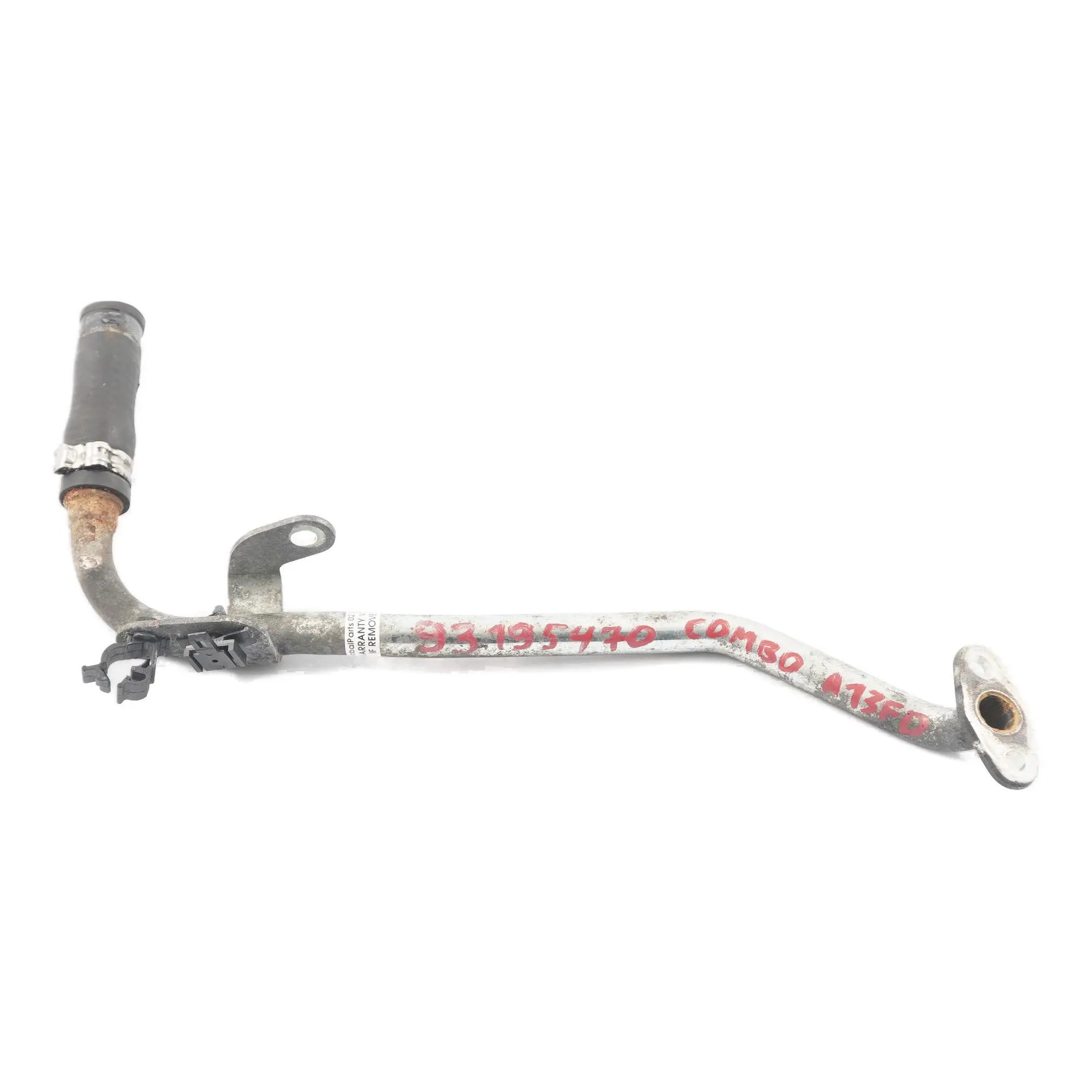
Part no. 93195470
Opel Combo D 1.3 CDTi Diesel Engine Coolant Cooling Hose Pipe Line 93195470
Product currently unavailable
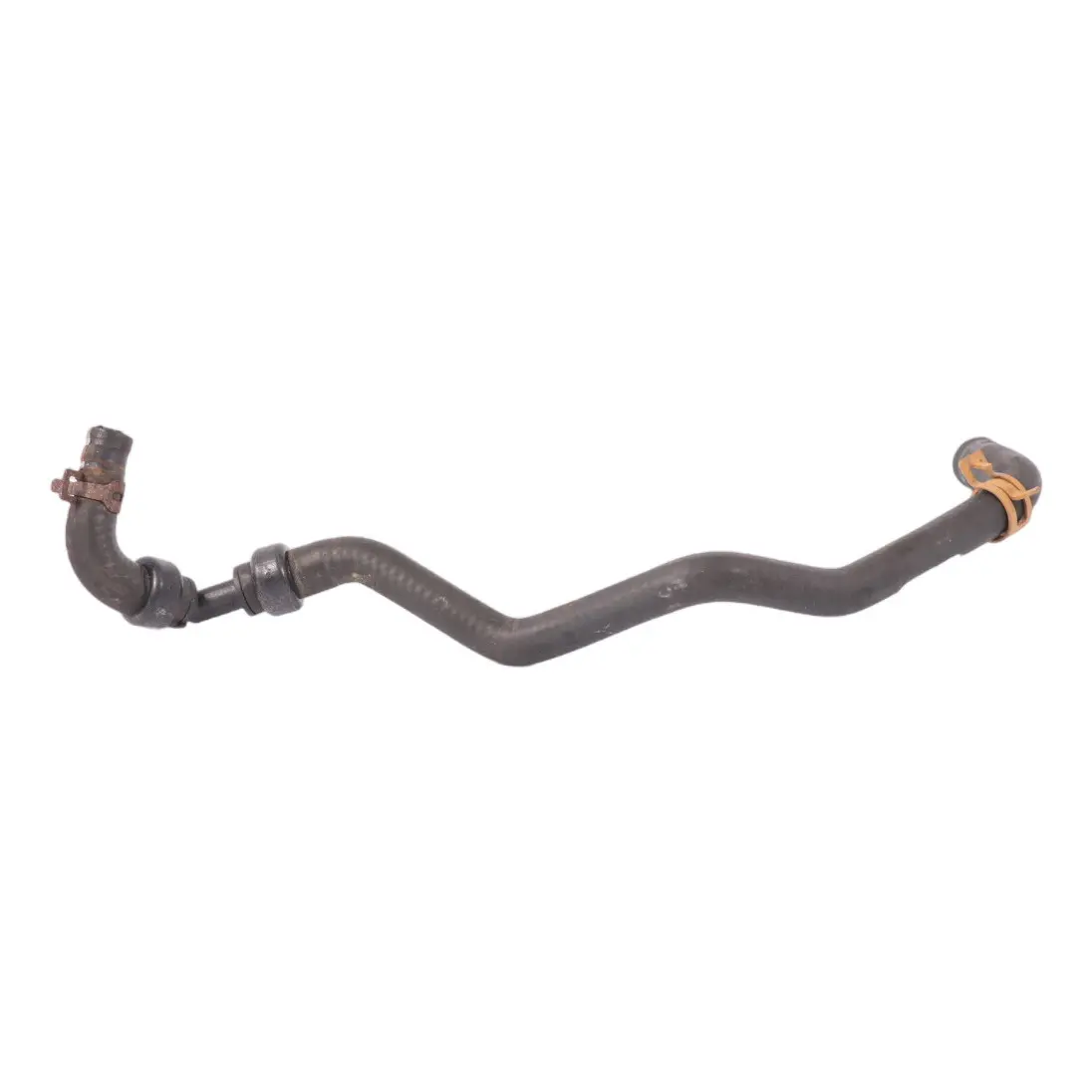
Part no. 110606508R
Vauxhall Vivaro Renault Trafic Water Coolant Pipe Hose Line 110606508R
Product currently unavailable
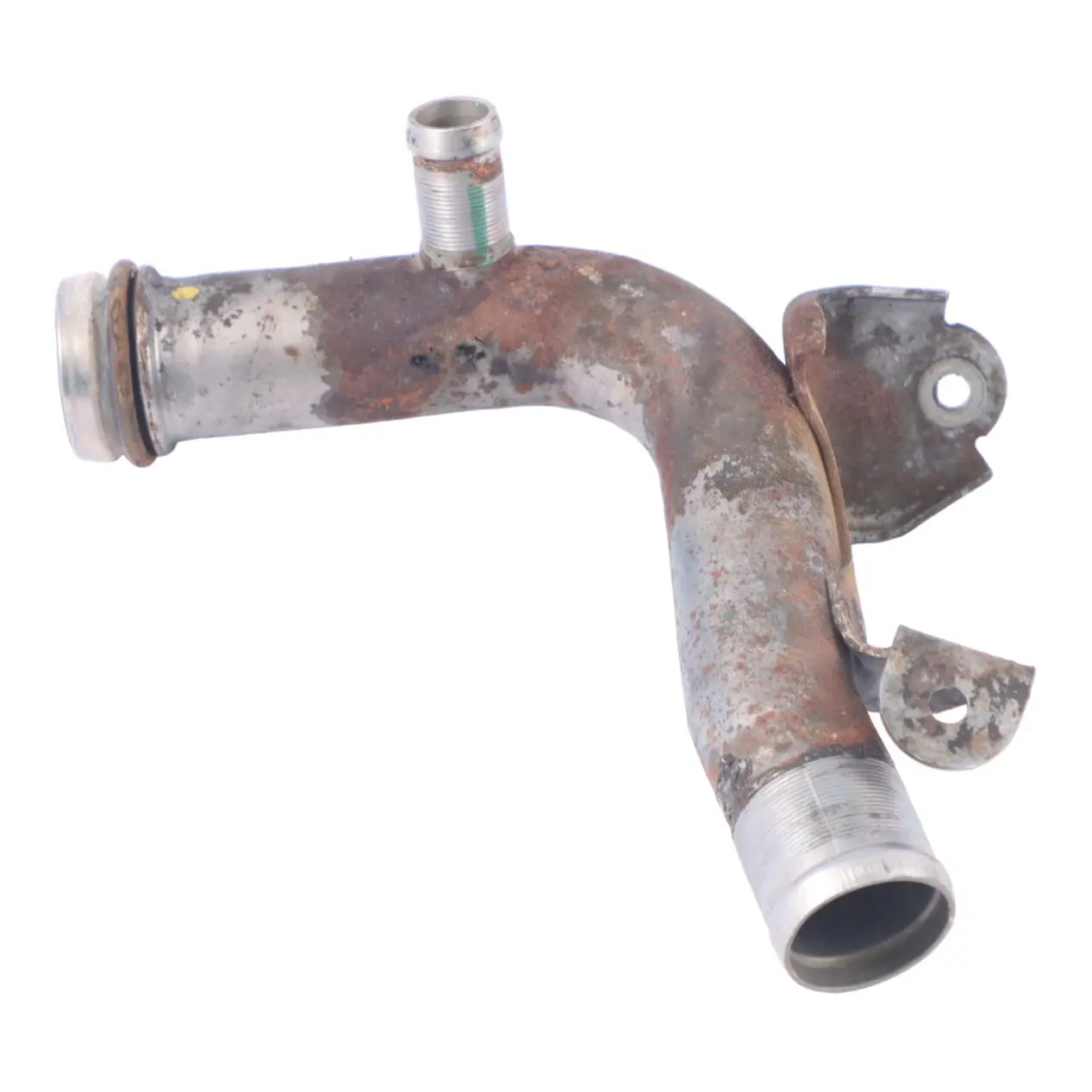
Part no. 8200801589
Opel Vivaro 2.0 DCI Diesel Water Coolant Hose Line Pipe 8200801589
Product currently unavailable
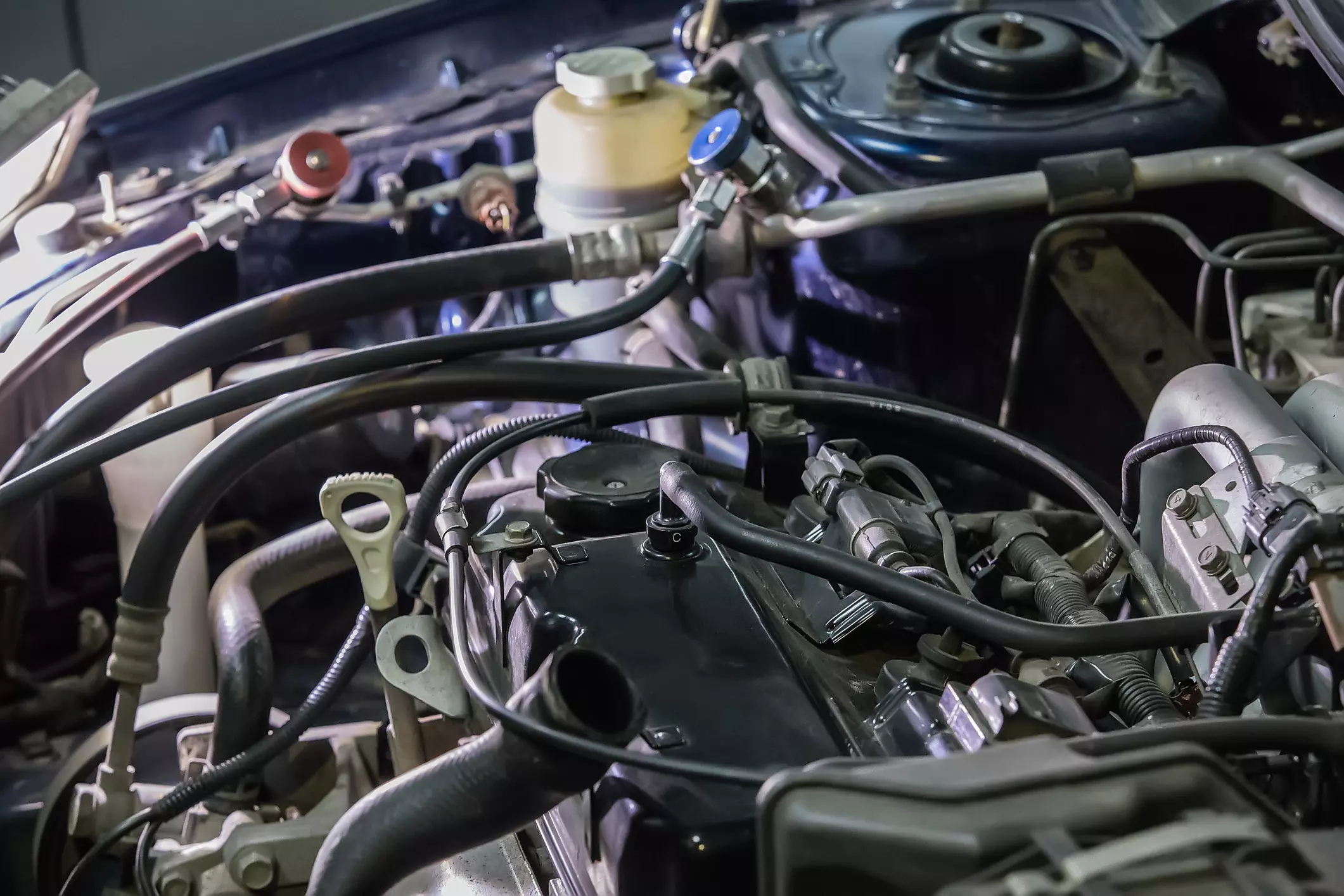
Flexible and rigid cooling hoses – durability and fit for popular models
Rubber and silicone hoses for cooling systems – temperature and pressure resistance
Cooling system hoses and pipes are key components that enable the circulation of coolant between the radiator, water pump, thermostat, and the engine. Their efficiency and tightness are essential for the proper operation of the cooling system and for preventing engine overheating. In the Global Parts automotive store, you will find a wide selection of used car parts, including cooling system hoses and pipes, ideal for brands such as BMW, Audi, Mercedes, Volkswagen, Mini, and others.
Differences between flexible and rigid cooling system hoses
Flexible cooling hoses made of EPDM rubber or silicone allow for the compensation of engine vibrations and pressure changes. Rigid pipes (e.g., aluminum or PA12 plastic) are used where shape stability and resistance to high temperatures are required – even up to 150–180°C. Modern vehicles often use a combination of both types, which ensures optimal coolant flow and a longer service life for the entire system.
What functions do cooling system hoses and pipes perform?
Cooling system hoses and pipes play a key role in regulating the engine's operating temperature:
- Coolant transport – Hoses and pipes connect key components of the cooling system, enabling the flow of coolant throughout the entire system.
- Overheating prevention – By circulating the coolant, they maintain the proper engine operating temperature, preventing it from overheating.
- Proper flexibility and tightness – The materials from which the hoses and pipes are made ensure their resistance to high temperatures, pressure, and the effects of coolant. Efficient cooling system hoses and pipes are necessary for the effective operation of the entire cooling system.
Construction and purpose of cooling system hoses and pipes
Cooling system hoses and pipes are components that connect individual fluid circuit subassemblies in the engine compartment. They are used to route coolant between the engine, radiator, heater core, thermostat, and expansion tank, and their routing depends on the engine version and mounting location. A typical component has a profile adapted to factory mounting points, ends for clamps or quick-connectors, and markings helpful for comparing OEM numbers.
Comparison of cooling hose types and verification data
| Component type | Typical construction | Application | What to check before purchase |
|---|---|---|---|
| Flexible hose | EPDM rubber or silicone, reinforcing layer | Sections exposed to vibrations and powertrain movement | End diameter, bend shape, surface condition, clamp type |
| Rigid pipe | Plastic or metal, with quick-connector sockets | Fixed flow paths near the engine or radiator | Mounting points, presence of connectors, engine version compatibility |
| Hose with vent or branch | Body with an additional outlet or tee | Connecting multiple circuits in one system | Branch layout, OEM number, sensor or vent position |
Construction and technical parameters of cooling hoses
A typical cooling system hose consists of several layers: an outer protective layer, a reinforcing layer (reinforced with synthetic fiber), and an inner layer – chemically resistant to coolants. The operating pressure of such hoses is usually 1–2 bar, with a burst strength of up to 5 bar. The use of appropriate materials prevents hoses from cracking during rapid temperature changes, especially in cars with turbocharged engines. Cooling system hoses, commonly known as radiator hoses, can be made of various materials – most often EPDM rubber or silicone, which withstand temperatures from –40°C to as high as +150°C. In high-performance vehicles, e.g., BMW M-series or Audi S-Line, silicone hoses with a reinforced textile construction are used, guaranteeing longer service life and resistance to operating pressures above 2 bar. Flexible hoses allow for the compensation of powertrain vibrations, while rigid sections (e.g., aluminum) ensure stability during high fluid flow.
The importance of connectors, joints, and cooperating elements
A cooling system connector is a rigid end of a pipe or housing to which a coolant hose is attached. It serves to tightly connect circuit elements and often works with a clamp, gasket, or quick-connector. In the case of parts such as an Audi A3 8P water connector, it is worth comparing the OEM number, connection diameter, outlet position, and compatibility with the thermostat housing or cylinder head.
Why is it worth taking care of cooling system hoses and pipes?
Damaged or worn cooling system hoses and pipes can lead to serious cooling system problems. Typical symptoms include:
- Coolant leak – Leaks in hoses or pipes can lead to fluid loss and a drop in coolant levels.
- Engine overheating – Restricted coolant flow resulting from hose damage can lead to engine overheating.
- Noises and vibrations – Improper mounting or damaged hoses can cause vibrations and noises during system operation. At Global Parts, we offer used cooling system hoses and pipes that have undergone detailed quality tests, ensuring their durability and tightness.
Symptoms of damage and cooling hose compatibility - table
| Failure symptom | Possible cause | Recommended action |
|---|---|---|
| Coolant level drop | Micro-leak in the hose | Replace the cooling system hose |
| Engine overheating | Clogged hose or kink | Check for obstructions, replace |
| Vibrations or gurgling | Loose hose mounts | Tighten clamps, check brackets |
| Low engine operating temperature | Excessive flow – lack of resistance | Check thermostat operation |
How to choose the right cooling system hoses and pipes?
When choosing cooling system hoses and pipes, pay attention to several key aspects:
- Vehicle model fitment – Every cooling system has its specific technical requirements. At Global Parts, you will find cooling system hoses and pipes perfectly matched to BMW, Audi, Mercedes, Volkswagen, Mini, and others.
- Technical condition – Ensure that the hoses and pipes are free from cracks, bulges, and other damage.
- Material resistance – Choose hoses and pipes made of materials resistant to high temperatures and operating fluids.
Part selection procedure
To correctly select a cooling system hose, it is worth using the vehicle's VIN or the part's OEM designation. In the Global Parts system, searching is done automatically by engine code or catalog number, which minimizes the risk of a mismatch. As a result, the hoses are fully compatible with the water pump, radiator, and thermostat, and the entire system maintains factory tightness.
Selecting hoses by circuit, mounts, and car version
A cooling system hose is used to route fluid exactly between indicated circuit points, which is why it is not a universal element. When choosing an element such as a radiator hose, check the mounting side, end diameters, presence of quick-connectors, and compatibility with thermostats and cooling system housings. If you are looking for a subassembly such as a hose from the radiator to the engine, it is also worth comparing the bend path, support points, and fitment to water radiators and expansion tanks.
Why choose used cooling system hoses and pipes?
Used car parts, such as cooling system hoses and pipes, are a practical solution that allows for savings while maintaining high quality. By choosing used cooling system hoses and pipes, you gain:
- Lower costs – Used components are significantly cheaper than new ones but offer equally high quality.
- Ecology – Recycling car parts supports environmental protection and reduces waste.
- Wide selection – In our store, you will find cooling system hoses and pipes for the most popular car brands.
Hose cooperation with other cooling system elements
The efficiency of hoses depends not only on the material itself but also on the condition of cooperating elements. In practice, it is worth checking connections with cooling system water pumps, the thermostat housing, the radiator, and hose clamps, and an additional source of knowledge is our guide Summer heat vs. cooling system: used radiators and fans as a guarantee of savings. Such verification makes it easier to assess whether the problem stems from the hose, a leaking connector, or improper system venting.
How to take care of cooling system hoses and pipes?
To ensure cooling system hoses and pipes work reliably for a long time, it is worth following a few rules:
- Regularly check the condition of hoses and pipes to prevent coolant leaks.
- Monitor the coolant level – a sudden drop may indicate a leak in the hoses.
- Replace damaged or worn elements on time to avoid more serious cooling system problems. If replacement is necessary, at Global Parts you will find suitable used auto parts that will restore full efficiency to your cooling system.
FAQ
| Question | Answer |
|---|---|
| What is the construction and purpose of cooling system hoses and pipes? | Cooling system hoses and pipes are coolant circuit elements installed between the engine, radiator, thermostat, heater core, and expansion tank. A typical hose consists of an inner layer resistant to fluid, a reinforcing layer, and an outer cover protecting against temperature and material aging. Depending on the mounting location, it can take the form of a flexible hose or a rigid plastic or metal section. |
| What are cooling system hoses and pipes used for? | Cooling system hoses and pipes are used to route coolant through the entire system and maintain the proper engine operating temperature. They are responsible for connecting subassemblies, circuit tightness, and the proper transfer of fluid to the radiator, heater core, and water pump. Their failure can cause leaks, air in the system, and disruption of fluid circulation. |
| What is the construction and function of a cooling system connector? | A cooling system connector is a connection point to which a hose or pipe transporting coolant is attached. It can be part of the thermostat housing, radiator, cylinder head, or another subassembly and usually works with a gasket, clamp, or quick-connector. Its task is to maintain a tight and stable connection in places where pressure and temperature changes occur. |
| How to choose cooling system hoses and pipes for a specific car version? | It is best to compare the OEM part number, hose path, end diameters, and type of connectors. It is also worth checking the engine version, fuel type, production year, mounting location, and any interchangeable numbers. For used parts, the completeness of brackets, vents, and branches also matters. |
| What symptoms indicate wear of cooling system hoses and pipes? | The most common signs are coolant leaks, traces of moisture at connections, swollen material, cracks, or a hose structure that is too soft. In practice, fluctuations in engine operating temperature, gurgling, and sediment traces near clamps may also appear. Such symptoms should be checked along with fluid levels and connection tightness. |
| How to care for cooling system hoses and pipes after installation? | After installation, it is worth checking the hose routing, tightening of clamps, and lack of contact with hot or moving engine compartment elements. It is also important to check the coolant level and system venting after the first start. Regular inspections help to quickly detect leaks, abrasions, and material deformation. |
Summary: cooling system hoses and pipes at the Global Parts automotive store
Cooling system hoses and pipes are key elements ensuring efficient coolant flow and maintaining optimal engine operating temperature. The Global Parts offer includes used parts matched to vehicles from brands such as Mercedes, Audi, BMW, as well as many other manufacturers. When selecting, it is worth checking the OEM number, fuel type, condition, interchangeable numbers, and compatibility with the engine version and mounting location. We invite you to contact us – we are here to help you! For more information and interesting facts, we also invite you to visit our automotive blog.