


Brake calipers and brackets
More informationAt Global Parts, we offer a wide selection of original used car parts, including brake calipers and retainers for many popular car brands such as BMW, Mini, Mercedes, Audi, Volkswagen, and others. Our brake calipers and retainers undergo quality control to ensure you receive a top-quality product.
GB
Make
Category
Subcategory
Condition
In Stock
Price
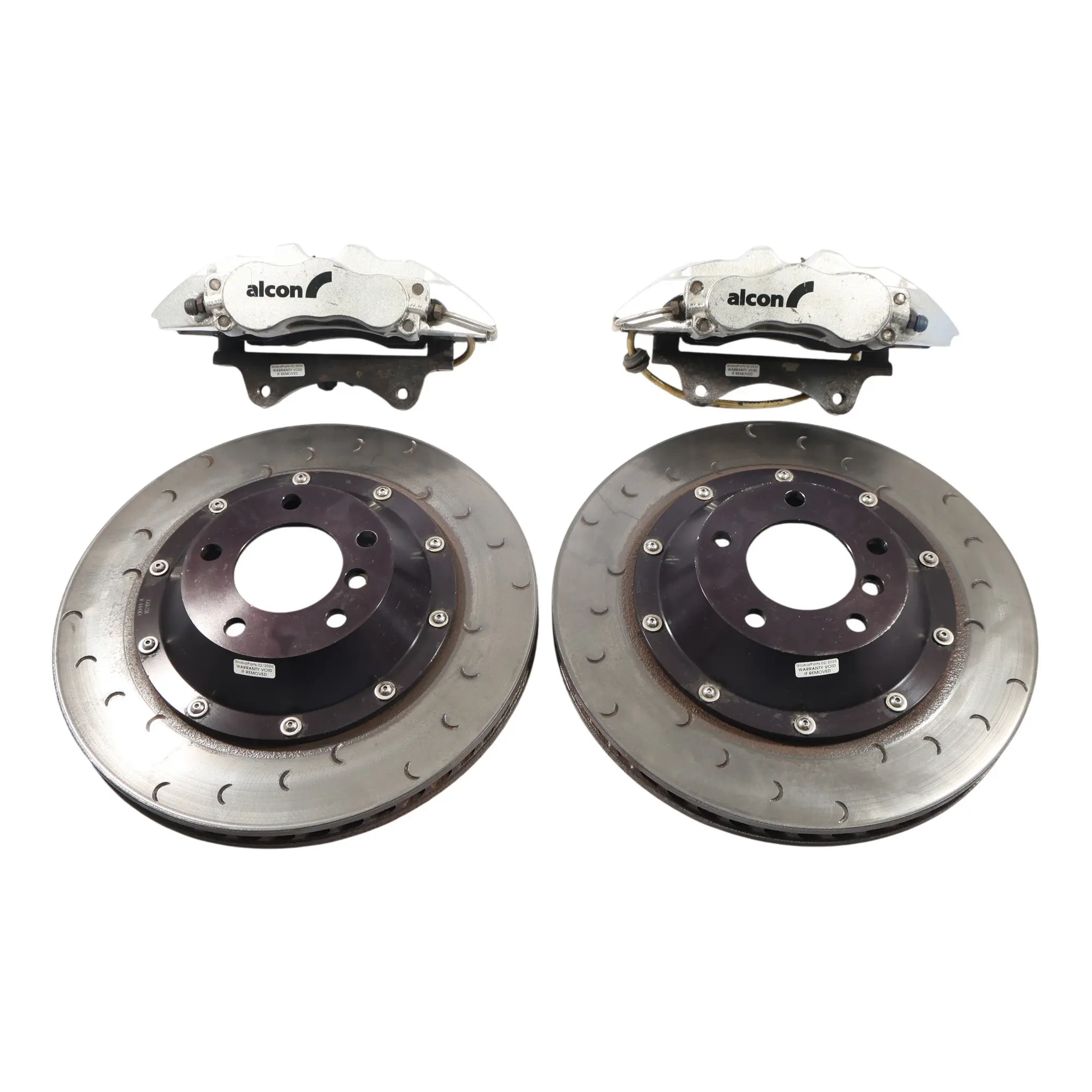
Part no. ALCON-FRONT-KIT
BMW E82 E90 N54 135i 335i Alcon ADeX 365mm Front Brake Kit 6-Piston Calliper
£1,804.95
Free delivery: Jul 9 – 16
If paid before 14:00
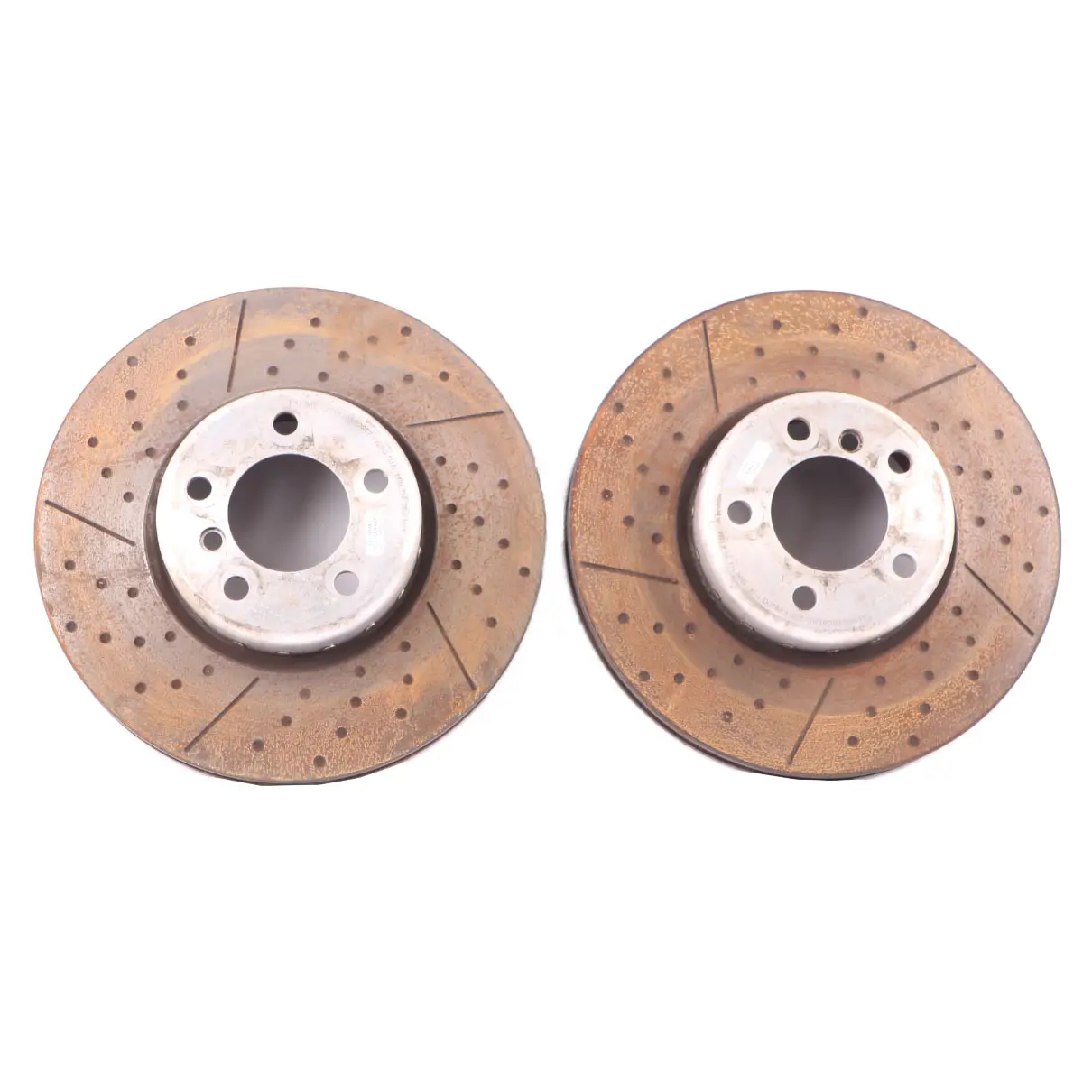
Part no. 09.C398.13
BMW F20 F22 F30 BREMBO Brake Disc Front Left Right Ventilated Brake Set 340x30
£237.95
Free delivery: Jul 08
If paid before 14:00
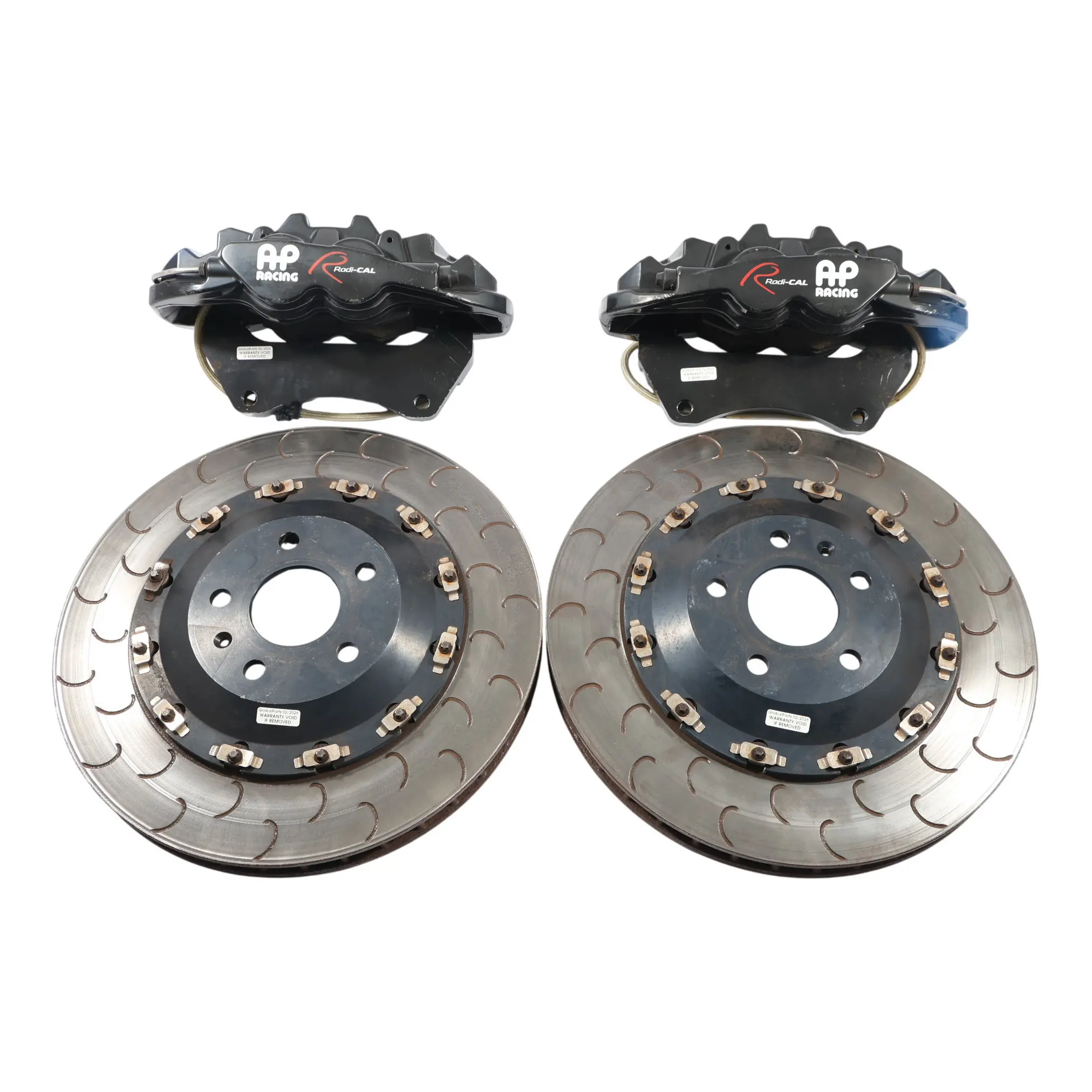
Part no. CMB-AP-VAG-BLK
VW Golf MK7 Audi S3 8V 362mm Front 4 Pot Floating Brake Caliper AP Racing Kit
Product currently unavailable
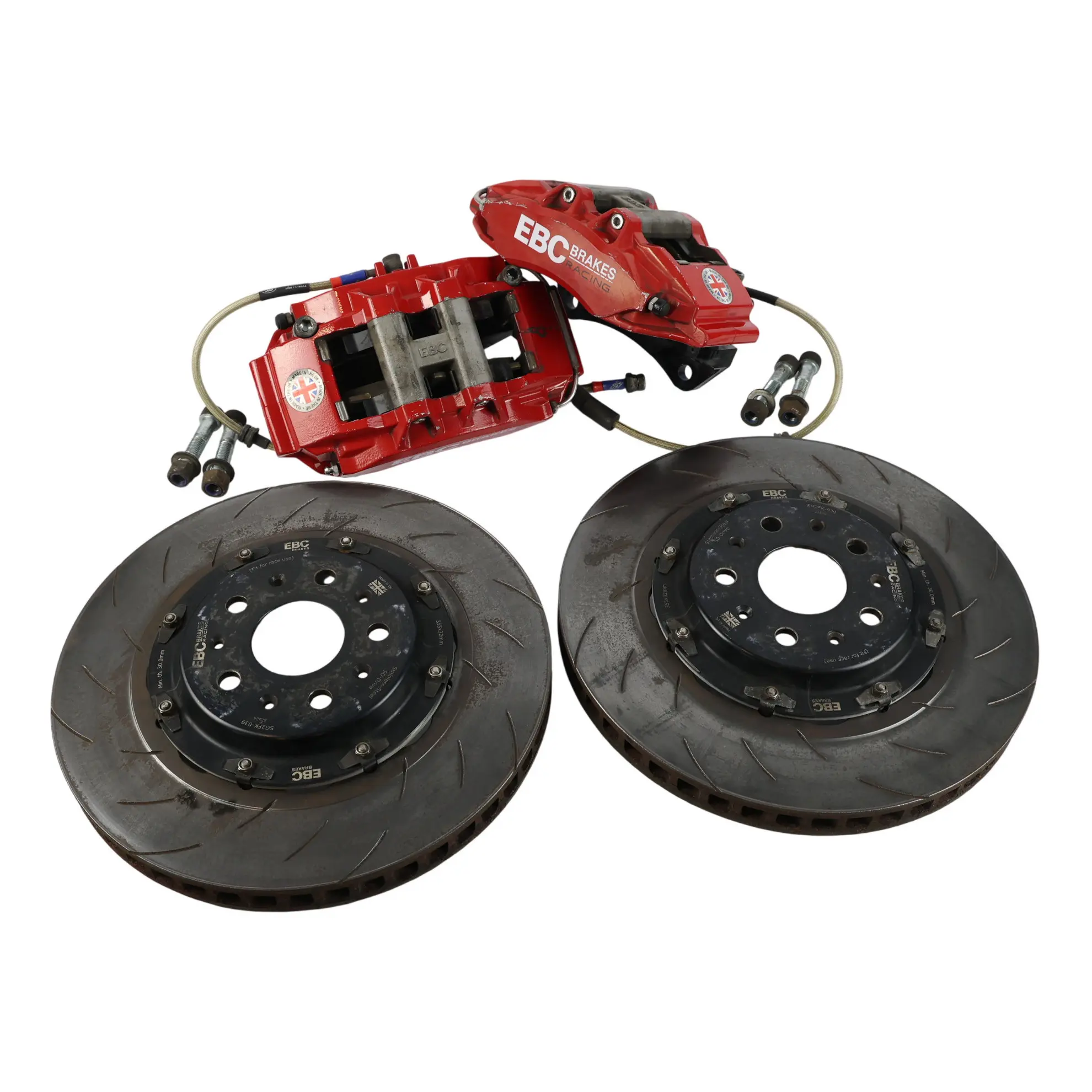
Part no. BBK033-1
Volkswagen Golf Mk7 R Mk8 GTI EBC Apollo 6 Pot Front Brake Caliper Kit 355mm Red
Product currently unavailable
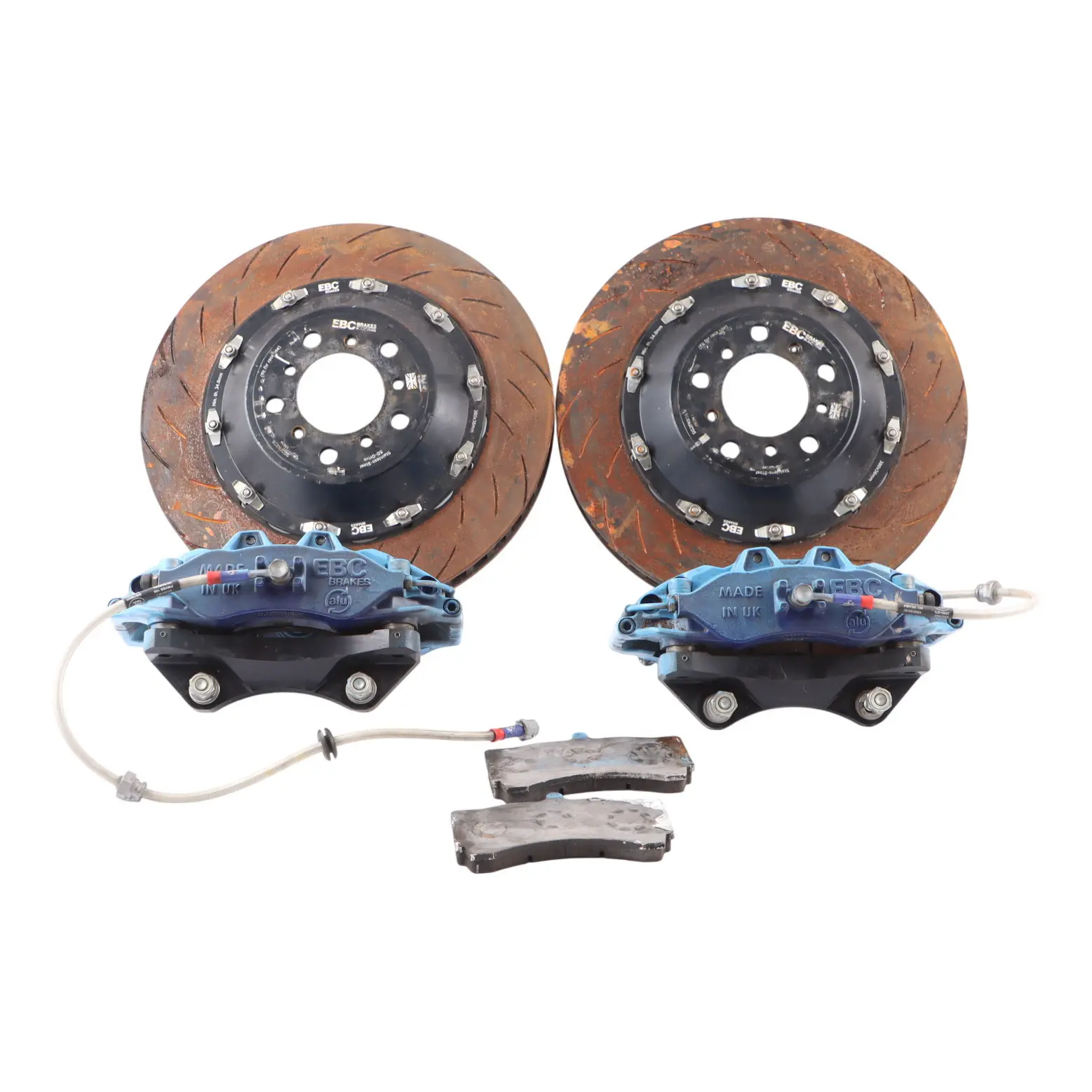
Part no. F82-EBC-FRONT-SET
BMW F80 M3 F82 M4 EBC Racing 380mm Balanced Big Brake Front Caliper Disc Kit
Product currently unavailable
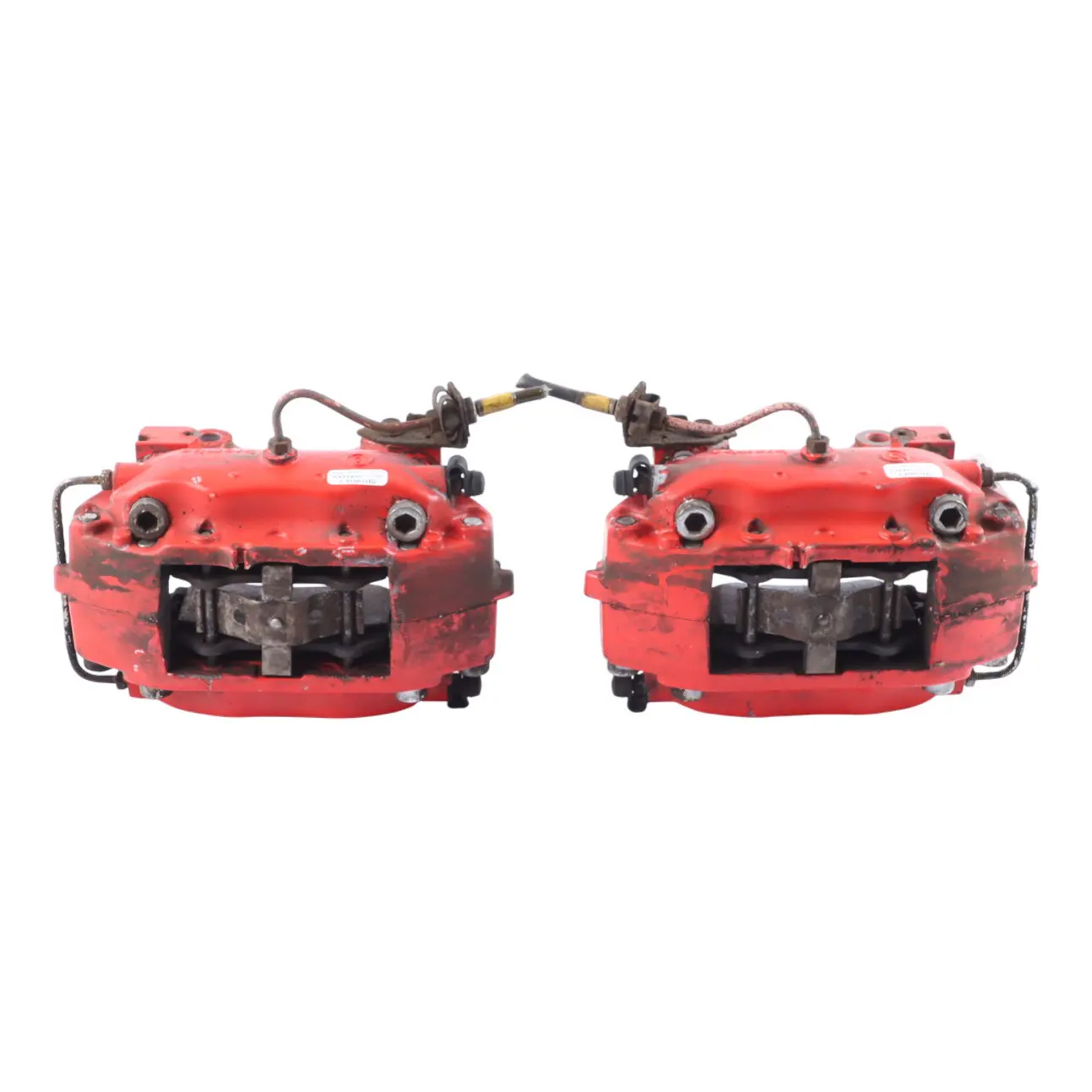
Part no. S38L-BREMBO
Audi S3 8L Brake Caliper Set Front Left Right O/S Wheel Braking Units Brembo Red
Product currently unavailable
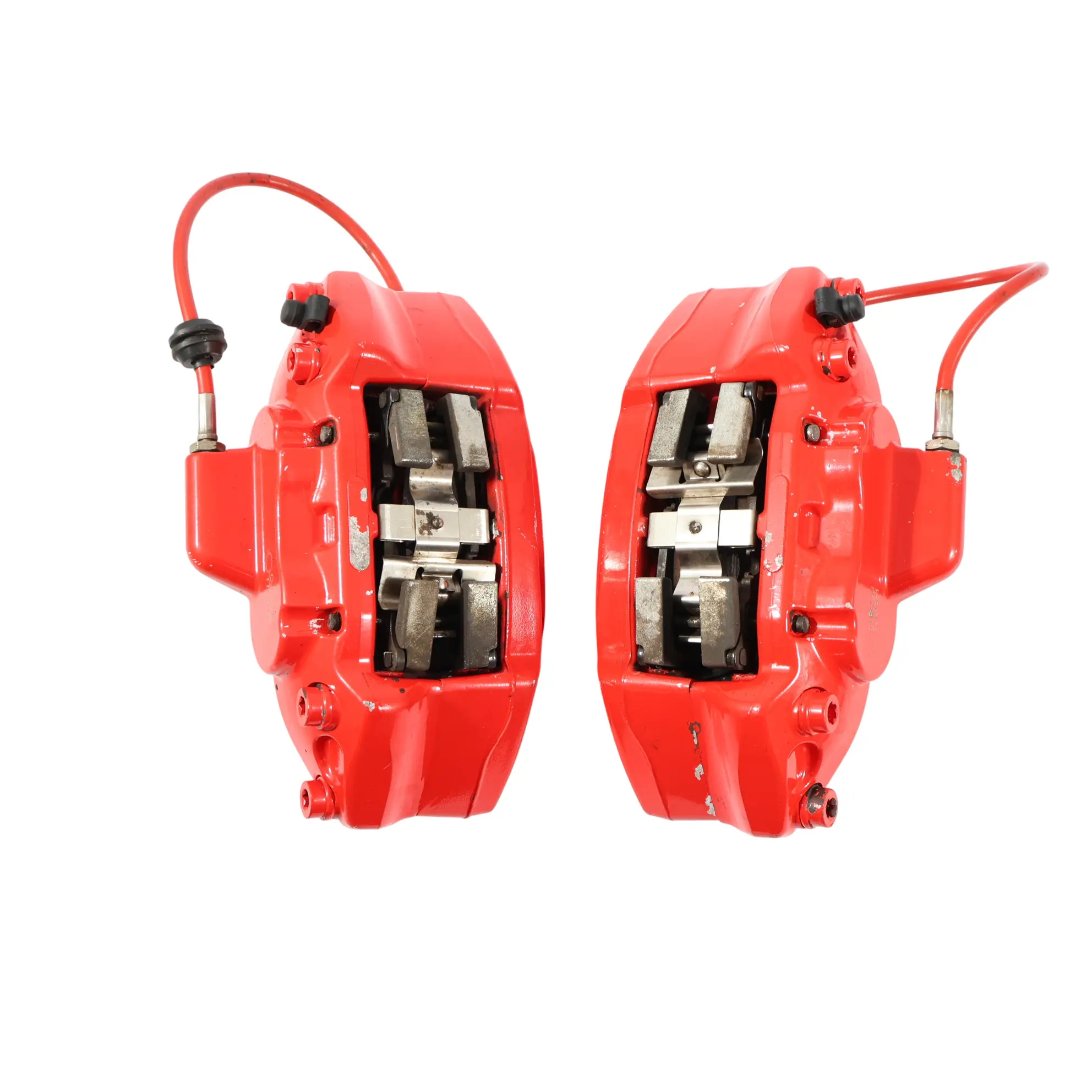
Part no. R53-FRONT-CALIPER-SET
Mini Cooper R53 Front Brake Braking Calipers RED Pair Set X2
Product currently unavailable

Part no. 42SKV641
BMW E30 Z1 Brake Caliper Front Axle Brake Caliper Left N/S 42SKV641
Product currently unavailable
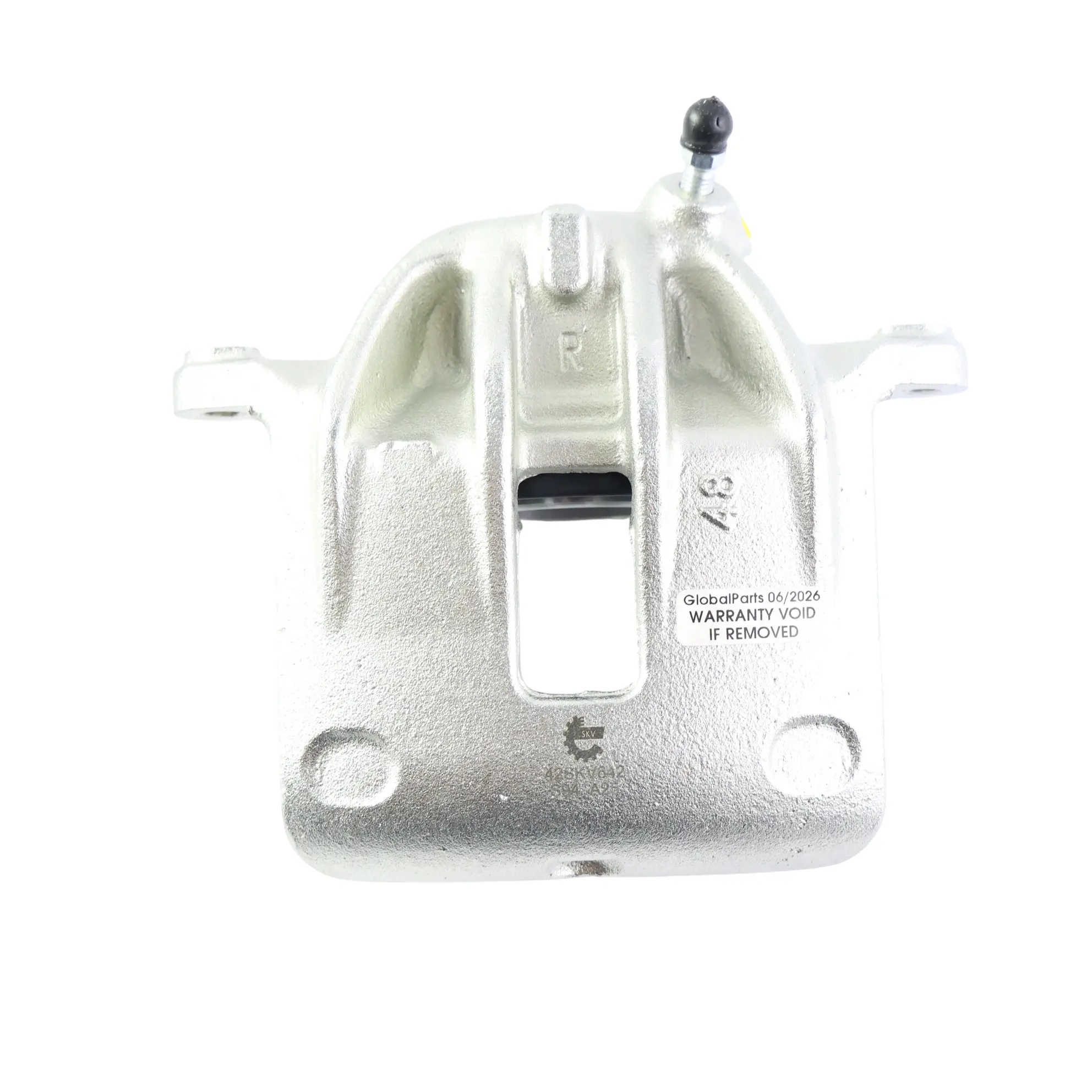
Part no. 42SKV642
BMW E30 Z1 Brake Caliper Front Axle Brake Caliper Right O/S 42SKV642
Product currently unavailable
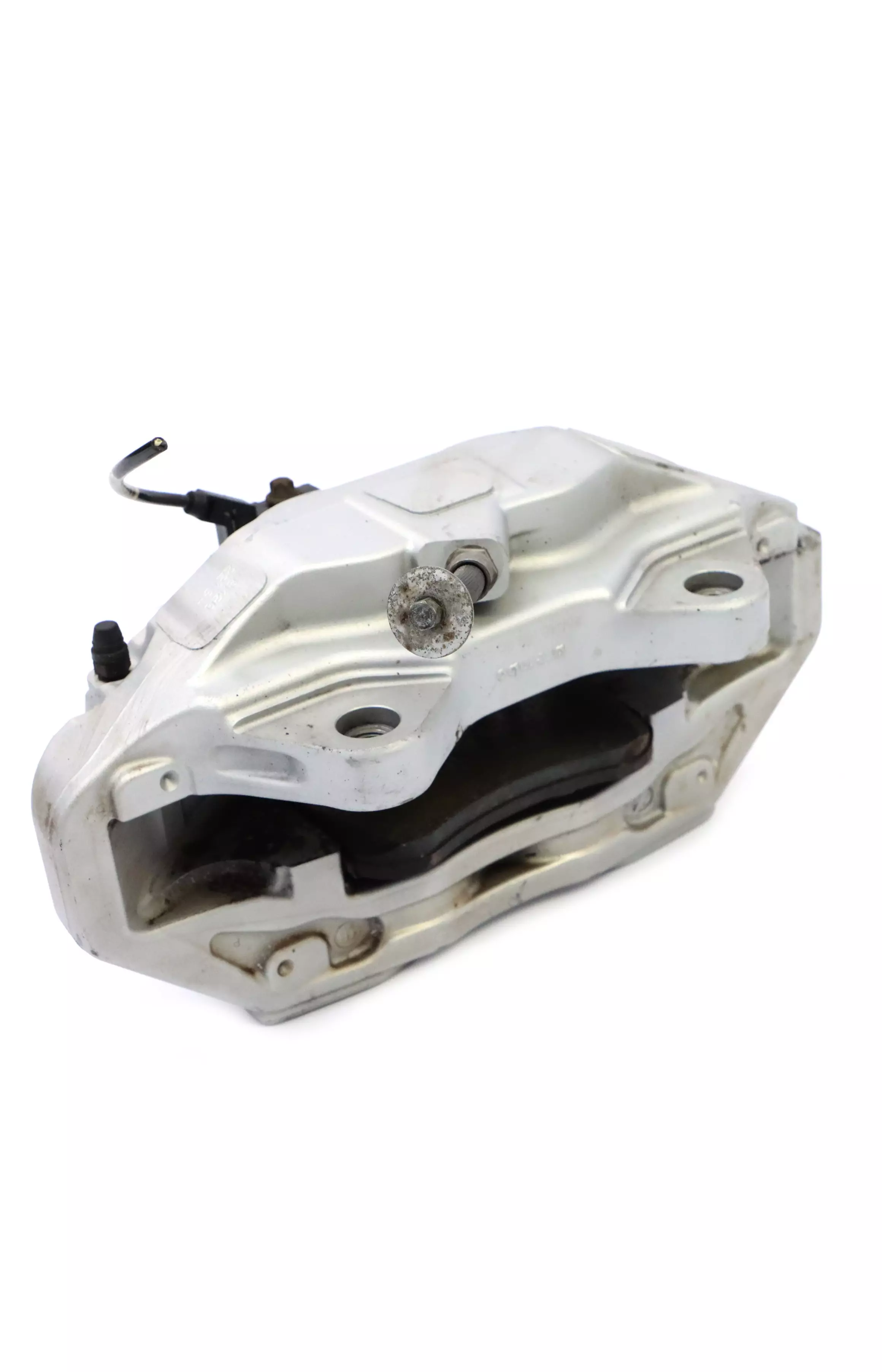
Top-quality brake calipers and brackets – durability and safety first
Choose original brake parts that guarantee maximum efficiency.
Brake calipers and carriers are fundamental components of the braking system that ensure effective braking and vehicle control. Calipers enable the brake pads to be pressed against the discs, generating the force required to reduce speed, while carriers ensure stable mounting of these components. In the Global Parts automotive store, you will find a wide selection of used car parts, including brake calipers and carriers, ideal for brands such as BMW, Audi, Mercedes, Volkswagen, Mini, and others.
What functions do brake calipers and carriers perform?
Brake calipers and carriers play a key role in the braking system:
- Pressing brake pads – Brake calipers use hydraulic pressure to press pads against the discs, which effectively reduces the vehicle's speed.
- Ensuring stability – Brake carriers keep the calipers in the correct position, ensuring their proper interaction with the discs.
- Even braking – Thanks to precisely operating calipers and carriers, the braking system works efficiently and evenly, improving driving safety.
Construction and purpose of brake calipers and carriers
Brake calipers and carriers are an assembly mounted to the hub and steering knuckle, working directly with the disc and pads. A caliper usually consists of a housing, a piston or pistons, guide pins, seals, and a bleeder screw, while the carrier serves as a support element to which the caliper is attached. This set is used to convert brake fluid pressure into clamping force and to maintain the correct position of the pad relative to the disc.
Comparison of brake caliper and carrier types
| Solution type | Construction | What to check when selecting | Typical application |
|---|---|---|---|
| Floating caliper | Single piston, guide pins, movable housing | OEM number, disc diameter, guide pin condition, mounting side | Many road car versions |
| Fixed caliper | Two or more pistons, rigid housing | Mounting spacing, disc compatibility, rim clearance, hose type | Higher braking performance versions |
| Caliper carrier | Support element with mounting points and pad guides | Bolt spacing, caliper compatibility, axle position, pre-facelift/facelift version | Caliper mounting and correct alignment relative to the disc |
Definitions and compatibility examples
A brake caliper is a hydraulic component that converts brake fluid pressure into mechanical force acting on the brake pads. In practice, two main types of calipers are used: fixed and floating. In cars such as the Audi A4 B8 or BMW E90, floating calipers are most commonly used, but the final selection depends on the engine version, disc diameter, and carrier type.
Why is it worth maintaining brake calipers and carriers?
Wear or damage to brake calipers and carriers can lead to reduced braking efficiency and an increased risk of accidents. Typical symptoms of malfunction include:
- Noise during braking – Squealing or grinding may indicate damage to the calipers or their improper operation.
- Uneven braking – Problems with calipers can lead to uneven wear of brake pads or discs.
- Brake fluid leaks – Damaged calipers can cause leaks, which lowers pressure in the braking system and reduces its effectiveness.
- Caliper seizure – Malfunctioning calipers may not release the pads, leading to disc overheating and reduced braking efficiency. At Global Parts, we offer original used car parts that have undergone detailed quality control.
Durability of brake calipers
The durability of brake calipers depends mainly on the material and operating conditions. Aluminum calipers are lighter and dissipate heat well, while cast iron housings are characterized by high resistance to thermal loads. The service life is also affected by the condition of seals, guide pins, pistons, and regular brake fluid replacement.
How to choose the right brake calipers and carriers?
When choosing brake calipers and carriers, you should pay attention to several key aspects:
- Compatibility with the vehicle model – Every braking system has its specific technical requirements. In the Global Parts automotive store, you will find brake calipers and carriers matched to BMW, Audi, Mercedes, Volkswagen, Mini, and others.
- Technical condition – Used calipers and carriers should be free from corrosion, cracks, and other mechanical damage.
- Type of braking system – Ensure that the selected calipers are compatible with the discs and brake pads in your vehicle.
Fitment and compatibility
Selecting a caliper requires checking the OEM part number, interchangeable numbers, mounting side, and vehicle position. The brake carrier is used to maintain the correct position of the caliper relative to the disc, so its bolt spacing and mounting point shape must correspond to the specific car version. For parts such as the Audi A4 B7 rear brake caliper, it is important to compare the disc diameter, hose type, and the left or right variant. It may also be useful to compare with elements such as brake discs and brake pads.
Interaction with other braking system components
The caliper carrier is a support element that guides the pad and transfers loads generated during braking. If you are looking for a component such as BMW E90 brake calipers, it is worth comparing not only the housing itself but also the guide pins, bleeder screw type, and compatibility with the dust shield. In practice, the caliper also works with brake hoses, lines, and connectors as well as traction control systems, so repair completion should include the entire ABS and ESP system.
Why choose used brake calipers and carriers?
Used car parts, such as brake calipers and carriers, are often sought when original equipment compatibility and reasonable repair costs are a priority. By choosing used brake calipers and carriers, you gain:
- Lower costs – Used components are usually cheaper than new equivalents.
- Ecology – Reusing car parts supports waste reduction.
- Wide selection – In our store, you will find brake calipers and carriers for many car brands.
Economic and ecological benefits
When choosing an element like Audi A3 8P calipers, the ability to compare the original OEM number and compatibility with the car's equipment without sacrificing factory specifications is of great importance. Additional support when choosing can be found in the article Brake calipers under the microscope: How to effectively reduce braking system repair costs by choosing proven recycled parts, which discusses practical selection criteria and the inspection of these components.
How to take care of brake calipers and carriers?
To ensure brake calipers and carriers work reliably for a long time, it is worth following a few rules:
- Regularly check the condition of calipers and carriers during technical inspections, especially if you notice noise during braking.
- Avoid driving with worn brake pads, which can damage the calipers and discs.
- Replace brake fluid according to the manufacturer's recommendations to prevent corrosion of internal caliper components.
- If replacement is necessary, at Global Parts you will find suitable used braking system components for your vehicle.
Step-by-step maintenance procedure
- Wheel removal and visual inspection: check the piston surface and the condition of the rubber seals.
- Cleaning guide pins and piston: use a cleaner designed for brake systems.
- Lubricating guide pins: use a high-temperature resistant preparation designed for brake systems.
- Checking bolt torque: it is worth comparing the manufacturer's service data and the condition of threads and mounting points.
FAQ
| Question | Answer |
|---|---|
| What is the construction and purpose of brake calipers and carriers? | Brake calipers and carriers are braking system components mounted at the wheel, near the brake disc. A typical caliper consists of a housing, a piston or pistons, seals, guide pins, and a bleeder screw, while the carrier is responsible for its stable mounting and pad guidance. Their task is to ensure proper clamping force and maintain the operating geometry of the entire brake assembly. |
| What are brake calipers and carriers used for? | Brake calipers and carriers are used to generate and transfer braking force to the disc. The caliper uses brake fluid pressure to press the pads, and the carrier maintains the correct position of the component relative to the disc and steering knuckle. Without their proper operation, braking may be uneven, and pad and disc wear may be accelerated. |
| What is the construction and function of a brake caliper carrier? | A brake caliper carrier is a metal support element mounted to the steering knuckle or rear hub assembly. It is used to seat the caliper and determines the position of the pads relative to the disc, and in many designs, it also works with guide pins. When selecting a carrier, you must check the bolt spacing, mounting side, and compatibility with the specific caliper type. |
| How to select brake calipers and carriers for a specific car version? | It is best to compare the OEM part number, interchangeable numbers, vehicle position, and equipment version. The disc diameter, brake hose mounting type, and whether the part is intended for the front or rear are also important. For cars with several braking system variants, it is worth verifying the selection by VIN. |
| What symptoms indicate a problem with a caliper or carrier? | Typical symptoms include the car pulling during braking, uneven pad wear, disc overheating, increased rolling resistance, and noise from the wheel area. In practice, the cause may be a seized piston, worn guide pins, or damaged carrier mounting points. It is also worth checking the condition of the disc and brake hose. |
| How to maintain brake calipers and carriers after installation? | After installation, you should check the system for leaks, the freedom of movement of the guide pins, and even pad contact. It is also important to regularly service the brake fluid and clean the area around the caliper when replacing pads or discs. This makes it easier to limit component seizure and maintain even brake operation. |
Summary: brake calipers and carriers at the Global Parts automotive store
Brake calipers and carriers are key elements of the braking system, responsible for effective and predictable speed reduction and proper interaction between pads and discs. The Global Parts offer includes used parts for many brands, including BMW, Mercedes, Audi, and others, taking into account data helpful for selection, such as brand, condition, OEM part number, interchangeable numbers, and vehicle position. We invite you to contact us – we are here to help you! For more information and interesting facts, we also invite you to visit our automotive blog.