


Brake pad wear sensor
More informationAt Global Parts, we offer a wide selection of original used car parts, including brake pad wear sensors for many popular car brands such as BMW, Mini, Mercedes, Audi, Volkswagen, and others. Our brake pad wear sensors undergo quality control to ensure you receive a top-quality product.
GB
Make
Category
Subcategory
Condition
In Stock
Price
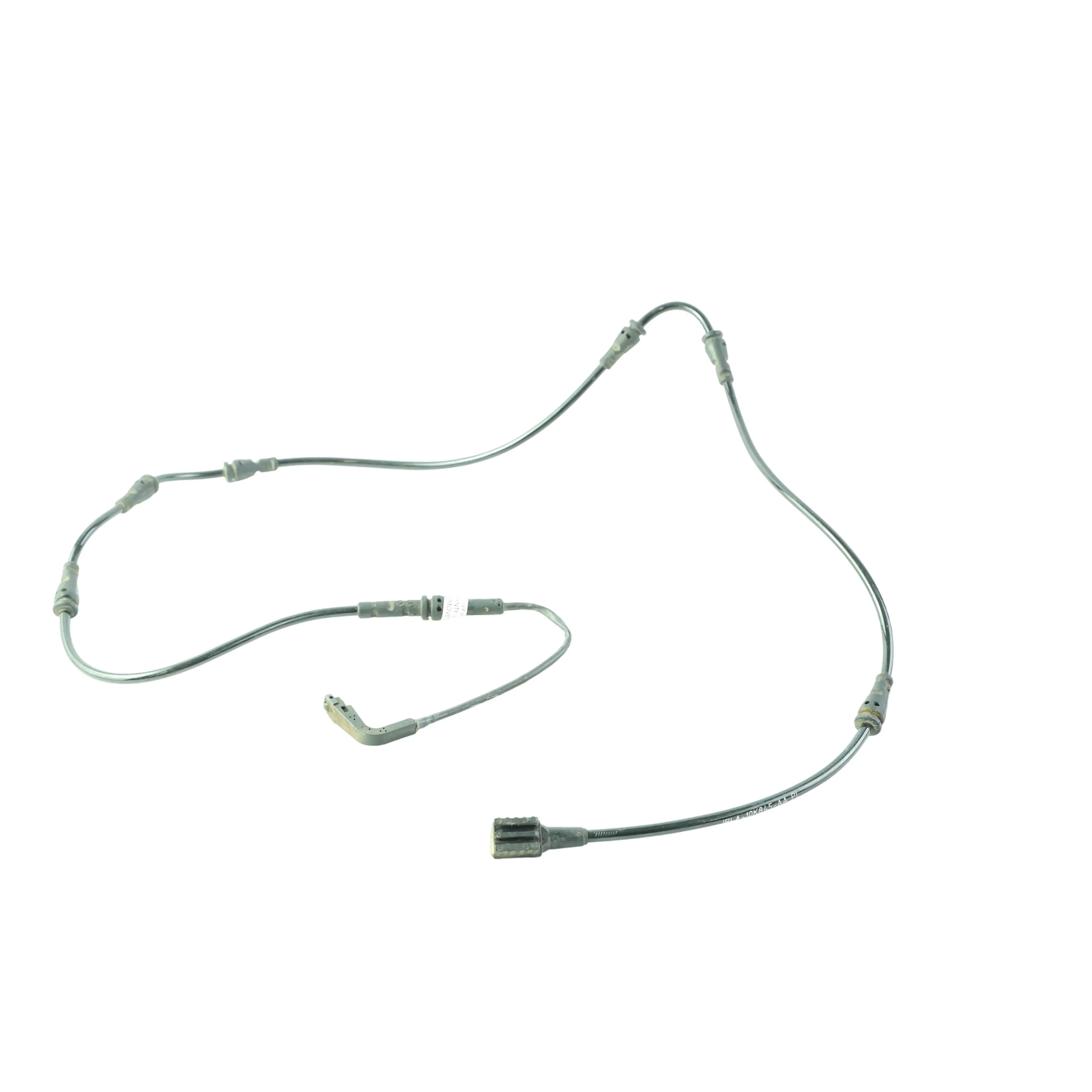
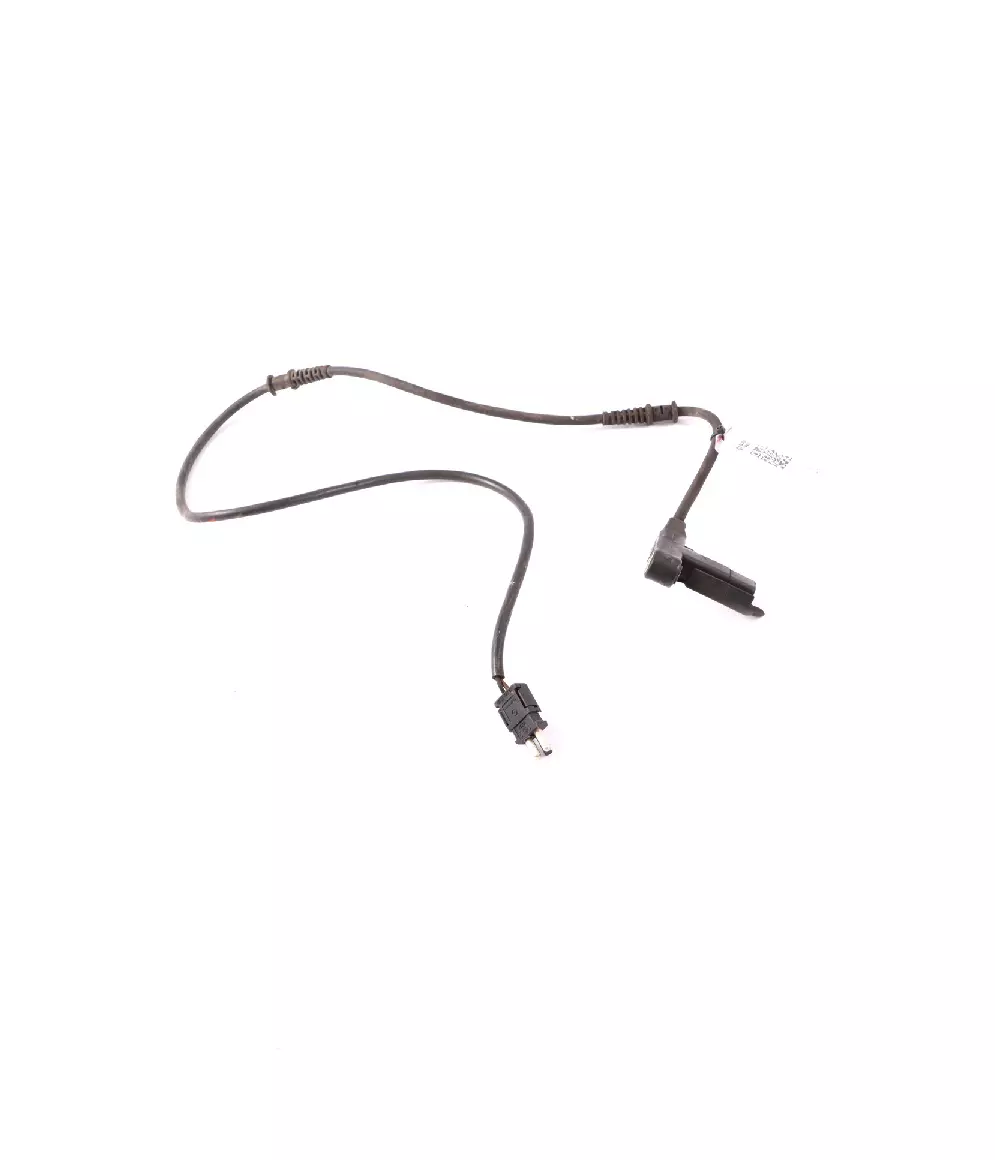
Brake pad wear sensors for real-time condition monitoring
Intelligent sensors monitoring the pads
A brake pad wear sensor is a small but extremely important component of the braking system that monitors the condition of the brake pads and warns the driver when they need to be replaced. Thanks to this component, you can prevent excessive wear of the brake discs and ensure driving safety. In the Global Parts automotive store, you will find a wide selection of used car parts, including brake pad wear sensors, perfectly matched to BMW, Audi, Mercedes, Volkswagen, Mini, and other brands.
How does a brake pad wear sensor work?
Brake pad wear sensors operate based on a simple yet effective principle of measuring the thickness of the friction material. Most commonly, these are electrical sensors that, upon reaching the minimum permissible pad thickness (usually approx. 2–3 mm), close or break the circuit, triggering a message on the dashboard. In modern premium vehicles – including BMW, Mercedes-Benz, or Audi – the system may additionally integrate with the onboard computer to provide the estimated mileage remaining until pad replacement. This solution supports precise service planning and increases vehicle operating comfort.
Construction and purpose of a brake pad wear sensor
A brake pad wear sensor is an electrical component mounted on the brake pad or directly within its structure. It is used to detect the limit wear of the friction lining and transmit a signal to the instrument cluster or the onboard computer. A typical sensor consists of a wire, a working tip that contacts the pad, and a connector matched to the factory wiring harness. Its position depends on the axle and the version of the braking system used in the vehicle.
What functions does a brake pad wear sensor perform?
A brake pad wear sensor plays a key role in monitoring the condition of the braking system:
- Wear monitoring – It informs the driver about the level of pad wear, which allows for their replacement at the right time.
- Damage prevention – It warns about the need to replace pads, protecting brake discs from damage.
- Safety improvement – Thanks to timely pad replacement, it ensures effective and reliable braking.
Differences between brake pad wear sensor variants
| Sensor type | Mounting location | Cooperating elements | What to check before purchase |
|---|---|---|---|
| Wired | Brake pad / wheel arch / wire guide bracket | Pad, wiring harness, installation connector | OEM number, wire length, plug type, mounting side |
| Integrated with the pad | Directly in the pad material | Brake pads, caliper, vehicle installation | Compatibility with the pad set, axle version, factory solution |
| Front axle / rear axle | Depending on vehicle configuration | Calipers, discs, service signaling system | Position on the vehicle, number of sensors in the car, interchangeable numbers |
Brake pad wear sensors and other braking system components
Brake pad wear sensors work directly with pads, calipers, and safety systems such as ABS or ESP. Their compatibility depends on factors such as the type of axle (front/rear), caliper type, and the factory configuration of a given model. For example, in many BMW and Volkswagen models, the sensor is mounted on only one wheel of the axle, whereas in Mercedes vehicles, there are often two sensors – one for the front and one for the rear. Such system architecture allows for more accurate wear monitoring and better adaptation to the driver's driving style.
Importance of the signal circuit and system matching
The sensor signal circuit refers to the wire and connector that transmit wear information to the car's electronics. This part of the installation is used to maintain proper communication between the pad and the service system, which is why it is necessary to pay attention to the condition of the insulation, clips, and wire routing points. In practice, the sensor also works with brake pads, and in many cars, also with brake calipers and brackets as well as the installation from the wires, cables, and connectors department.
Why is it worth taking care of a brake pad wear sensor?
A malfunction of the brake pad wear sensor can lead to problems with the braking system and increase road risk. Typical symptoms of a malfunction include:
- Dashboard error – The warning light indicates a problem with the sensor or its connection.
- No wear signal – Worn pads do not generate a warning, which can lead to disc damage.
- Incorrect sensor operation – A damaged sensor may indicate wear even though the pads are in good condition. If replacement is necessary, at Global Parts you will find suitable used car parts that will restore full functionality to the braking system.
Types of brake pad wear sensors and their parameters
In the automotive market, there are several types of brake pad wear sensors that differ in design and the way they communicate with the vehicle. Most commonly used are wired sensors, made of temperature-resistant material, adapted to operate in ranges even from –40°C to +300°C. In selected car models, sensors integrated directly into the brake pad are also used. Proper matching of the sensor to the braking system affects correct installation, signal stability, and trouble-free operation.
Selecting a sensor by OEM, axle, and vehicle version
A brake pad wear sensor is selected primarily by OEM number, mounting side, and braking system version. In product cards, it is worth comparing available information such as brand, condition, OEM part number, interchangeable numbers, and position on the vehicle. In the case of parts like BMW E60 front brake pads, the most important thing is to match the sensor with the correct axle, caliper type, and wire length. When choosing an element like BMW E60 rear pads, you must additionally check whether the car uses a separate rear axle sensor and whether it requires a service indicator reset after installation.
How to choose the right brake pad wear sensor?
When choosing a brake pad wear sensor, pay attention to several key aspects:
- Vehicle model fitment – Every braking system has its specific technical requirements. At Global Parts, you will find brake pad wear sensors perfectly matched to BMW, Audi, Mercedes, Volkswagen, Mini, and others.
- Technical condition – Used sensors should be electrically functional and free from mechanical damage.
- Braking system compatibility – Ensure that the selected sensor fits your braking system.
Why choose used brake pad wear sensors?
Used car parts, such as a brake pad wear sensor, are an economical solution that allows for savings while maintaining high quality. By choosing used braking system components, you gain:
- Lower costs – Used sensors are significantly cheaper than new ones but offer equally high quality.
- Ecology – Recycling parts supports environmental protection and reduces waste.
- Wide offer – In our store, you will find used brake pad wear sensors for the most popular car brands.
Installation procedure and vehicle system integration
Installation of a brake pad wear sensor usually takes place in parallel with pad replacement. The sensor is connected to the factory wiring harness and automatically recognized by the vehicle's system. In many models, after replacement, it is necessary to reset the service message, which is done from the onboard computer or via an OBD diagnostic interface. A correctly selected sensor ensures full compatibility with the car's electronics and stable operation throughout the entire pad service life.
How to maintain a brake pad wear sensor?
To ensure a brake pad wear sensor works reliably for a long time, it is worth following a few rules:
- Regular inspections – Check the condition of the sensor when replacing brake pads.
- Ensure proper electrical connections – Make sure that wires and connectors are in good condition and have not corroded.
- Replace damaged sensors on time – Lack of a functional sensor can lead to delayed pad replacement and disc damage. Additionally, it is worth checking elements from the brake discs group, as the condition of the working surface and pad thickness affect when the system reports wear. During every service, it is also good to inspect the sensor wire routing so that it does not rub against the suspension or wheel rim.
FAQ
| Question | Answer |
|---|---|
| What is the construction and purpose of a brake pad wear sensor? | A brake pad wear sensor is a braking system component mounted on the pad or in its housing. It is used to detect the limit wear of the friction lining and transmit a warning signal to the vehicle's electronics. A typical element includes a working tip, a wire, and a connector matched to the car's installation. Its construction and wire length vary depending on the axle, caliper version, and factory solution. |
| What is a brake pad wear sensor used for? | A brake pad wear sensor is used for ongoing monitoring of the friction material condition. It informs the driver about the need to replace pads before braking performance deteriorates or excessive wear of cooperating parts occurs. This makes it easier to plan service and limit the risk of disc damage. In many cars, the sensor signal is linked to a service message on the dashboard. |
| What is the construction and function of the sensor signal circuit? | The sensor signal circuit is the wire and connector that connect the sensor to the vehicle's electrical installation. It is used to transmit information about reaching the limit pad wear to the instrument cluster or controller. In addition to the wire continuity itself, the routing clips, plug sealing, and resistance to moisture and temperature are also important. Damage to this circuit can cause false errors despite the correct condition of the pads. |
| How to choose the right brake pad wear sensor for a car? | It is safest to compare the OEM number, interchangeable numbers, position on the vehicle, and connector type. You also need to determine whether the sensor is for the front or rear axle and whether the car version has one or two sensors. VIN, caliper type, and factory equipment are also helpful for matching. |
| What symptoms indicate a damaged brake pad wear sensor? | Most commonly, a constant message about pad wear appears, even though the lining still has material left. The opposite situation also happens, when worn pads do not trigger any warning. Typical causes include a broken wire, a damaged working tip, or a problem with the connector. |
| How is installation performed and do I need to clear the service message after replacement? | Installation is usually performed together with pad replacement, routing the wire exactly through the same mounting points as in the factory solution. After connection, check if the plug is well-seated and if the wire will not be stretched during suspension operation. In many models, after replacement, a service message reset is required from the onboard computer or diagnostics. |
Summary: brake pad wear sensors at the Global Parts automotive store
A brake pad wear sensor is a key element of the braking system that increases safety and helps maintain optimal brake condition. In the Global Parts offer, you will find used elements matched to many car versions, including models from brands such as BMW, Mercedes, Audi, Mini, Volkswagen, and others. When choosing, it is worth comparing the OEM number, interchangeable numbers, mounting side, and compatibility with the specific braking system. We invite you to contact us – we are here to help you! For more information and interesting facts, we also invite you to our automotive blog.