


Brake discs
More informationAt Global Parts, we offer a wide selection of original used car parts, including brake discs for many popular car brands such as BMW, Mini, Mercedes, Audi, Volkswagen, and others. Our brake discs undergo quality control to ensure you receive a top-quality product.
Find it faster
Match to your vehicle
GB
Make
Category
Subcategory
Condition
In Stock
Price
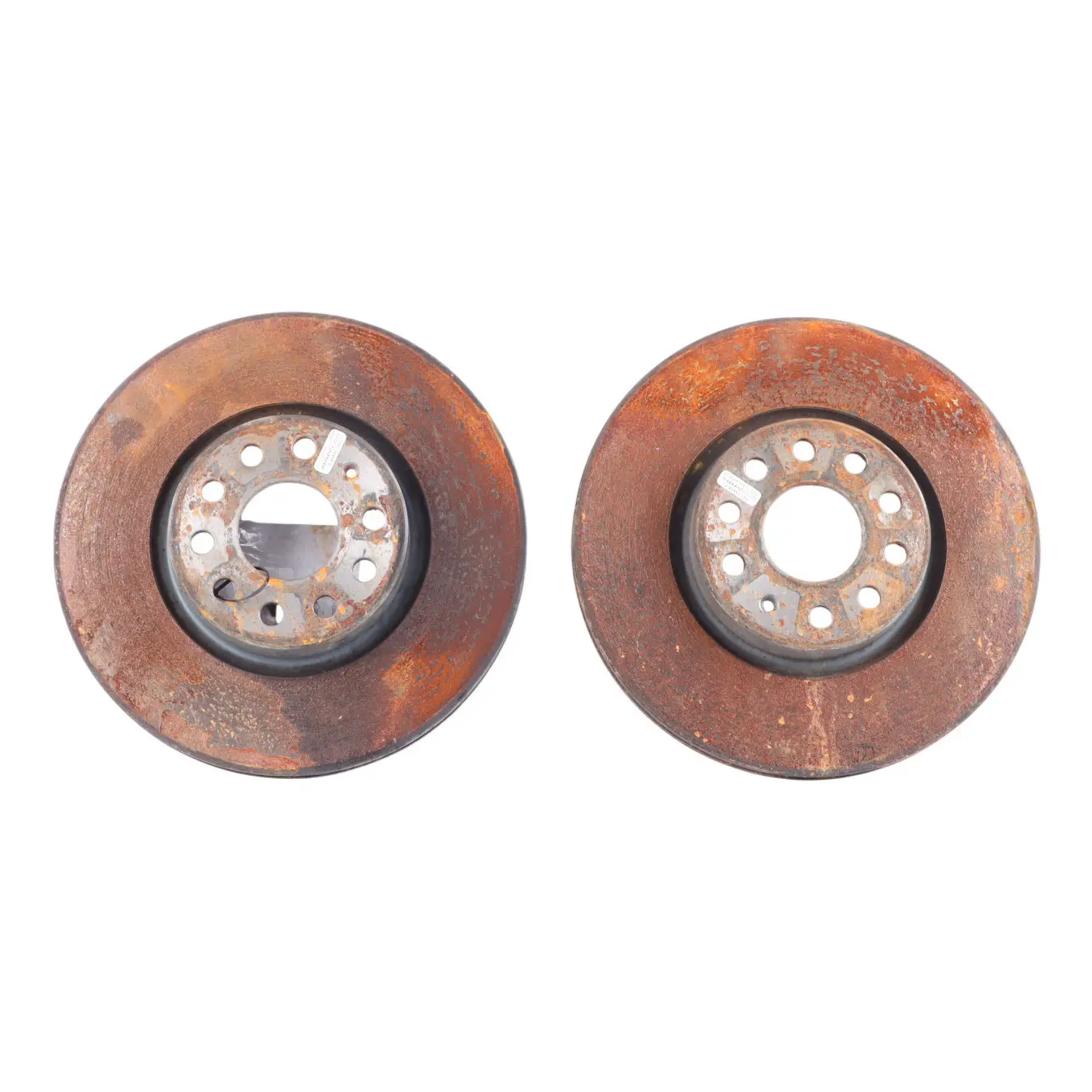
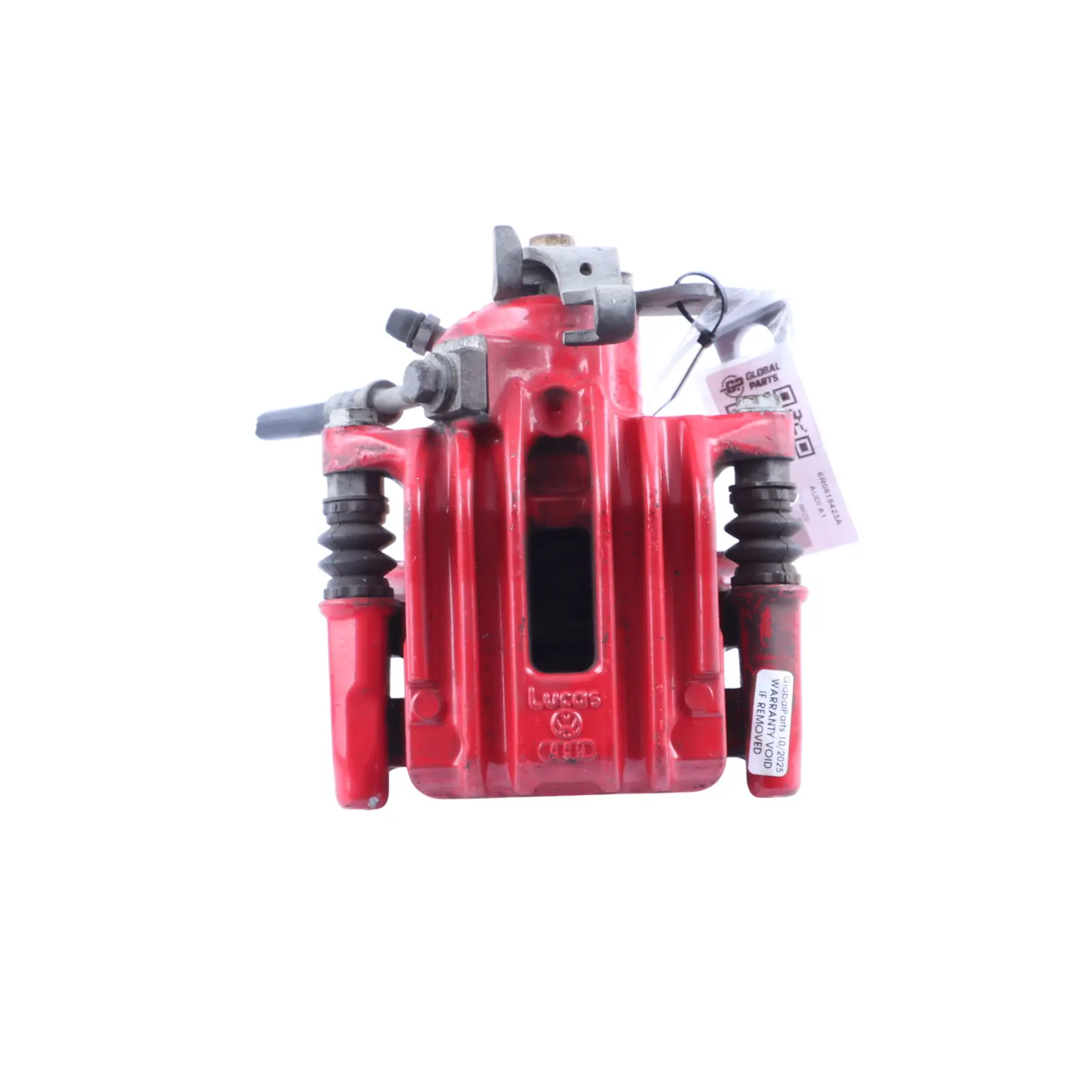
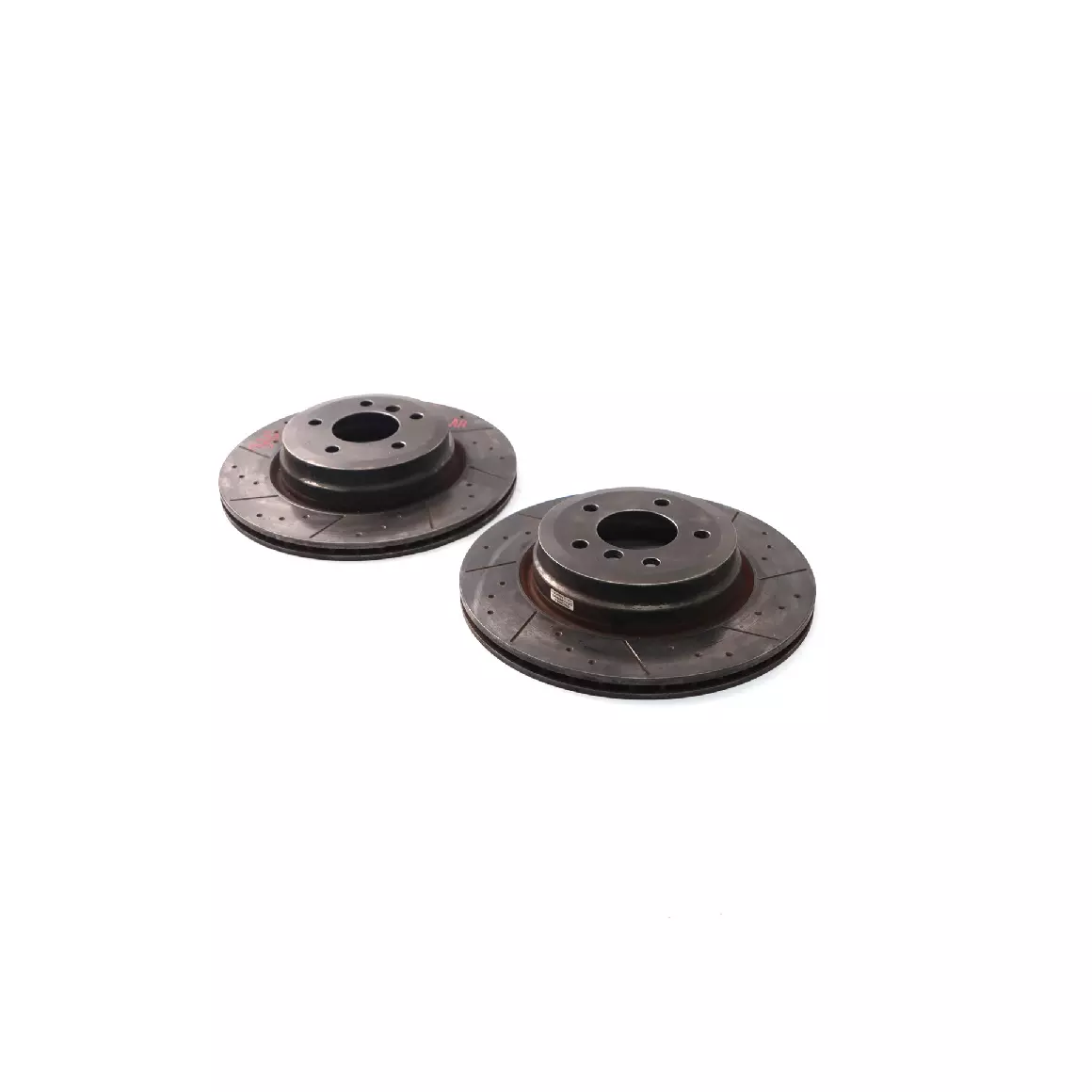
Brake discs for reliable and safe braking performance
Resistant brake discs and efficiency
Brake discs are essential components of the braking system, responsible for stopping the vehicle in any situation. In combination with brake pads, the discs convert kinetic energy into heat, enabling precise and effective braking. In the Global Parts automotive store, you will find a wide selection of used car parts, including brake discs, perfect for brands such as BMW, Audi, Mercedes, Volkswagen, Mini, and others.
What are brake discs and how do they work in practice
A brake disc is a metal component mounted directly to the wheel hub that rotates with it while driving. When the brake pedal is pressed, the brake pads are pushed against the disc surface, generating friction and slowing down the wheel's rotation. In typical passenger cars, the disc diameter ranges from 240 to 348 mm, and their working thickness is strictly defined by the vehicle manufacturer. Discs used on the front axle often differ in parameters from those mounted on the rear, so the mounting axle and braking system version must be considered when selecting them.
What functions do brake discs perform?
Brake discs play a key role in driving safety:
- Effective braking – Thanks to their cooperation with brake pads, the discs ensure quick and precise vehicle stopping.
- Heat dissipation – Brake discs prevent the braking system from overheating, ensuring consistent braking performance.
- Stability during braking – High-quality discs minimize vibrations and ensure even braking.
Construction and purpose of brake discs
Brake discs are working friction elements mounted on the hub, cooperating with the caliper and pads. They are used to reduce speed by converting motion energy into heat, which is why their working surface, thickness, and ventilation type have a direct impact on braking efficiency. A typical disc consists of a friction part and a mounting hat, and depending on the version, it may have a solid or ventilated design. For parts such as a BMW E90 brake disc shield, it is worth checking the mounting side, sheet metal profile, and compatibility of mounting points with the hub and steering knuckle.
Types of brake discs and their application
Modern vehicles use several types of brake discs, adapted to the car's weight, engine power, and driving characteristics. The most common are solid discs (mainly on the rear axle) and ventilated discs, which dissipate heat more effectively thanks to air channels. In many models, the front axle uses ventilated discs, while the rear may use solid ones. An alternative is slotted or drilled discs, which improve the cleaning of the working surface and braking stability during intensive use.
Comparison of brake disc types
| Disc type | Construction | Typical application | What to check before selection |
|---|---|---|---|
| Solid | Uniform disc without ventilation channels | Often rear axle in lighter versions | OEM number, diameter, thickness, and vehicle placement |
| Ventilated | Two friction surfaces connected by cooling channels | Most often front axle, higher thermal loads | Compatibility with caliper, rim, hub, and engine version |
| Slotted or drilled | Working surface with grooves or holes | Intensively used braking systems | Pad type, car purpose, and manufacturer parameters |
Why is it worth taking care of brake discs?
Wear or damage to brake discs can lead to reduced braking efficiency and an increased risk of accidents. Typical symptoms of failure include:
- Squealing or grinding during braking – May indicate worn discs or brake pads.
- Steering wheel vibrations – Uneven disc wear can cause vibrations during braking.
- Increased stopping distance – Discs that are too thin or damaged reduce the efficiency of the braking system. If replacement is necessary, at Global Parts you will find suitable used car parts that will restore full functionality to your braking system.
Components cooperating with brake discs
The brake caliper is the element that presses the pads against the disc surface and is responsible for utilizing hydraulic force in practice. Without a correctly selected caliper, pads, and hoses, the disc selection alone will not ensure proper system operation, so it is worth comparing parts as a functional set. When completing repairs, it is good to also include brake calipers and carriers, brake pads, and brake hoses, lines, and connectors. Further knowledge about cooperating components can be found in the article Brake calipers under the microscope: How to effectively reduce repair costs by choosing proven recycled parts.
Symptoms and compatibility of discs with other system elements
Correctly selected brake discs must be compatible not only with the car model but also with the calipers, pads, and rim diameter. Depending on the engine version and equipment, they may differ in diameter, thickness, hat height, and the presence of a surface cooperating with the parking brake. Such matching allows for maintaining the proper braking torque and even distribution of forces throughout the system. In cars equipped with an ABS and ESP system, it is particularly important to maintain the compatibility of the disc with the hub and sensors cooperating with the system.
How to choose the right brake discs?
When choosing brake discs, pay attention to several key aspects:
- Compatibility with the vehicle model – Every braking system has its specific technical requirements. In the Global Parts automotive store, you will find brake discs perfectly matched to BMW, Audi, Mercedes, Volkswagen, Mini, and others.
- Technical condition – Used discs should be free from cracks, deep scratches, and excessive wear.
- Disc type – Choose between standard, ventilated, slotted, or drilled discs, depending on your driving style and technical requirements.
Selection criteria and data worth comparing
Disc selection is best based on the OEM number, replacement numbers, and information about placement on the vehicle. Brake discs can differ between versions of the same model in diameter, height, nominal and minimum thickness, and type of working surface, so comparing by VIN and equipment is a safe solution. When choosing, it is also worth checking whether a parallel replacement of elements from the Brake pad and shoe mounting parts category will be needed if the manufacturer specifies a certain method of mounting and guiding the pad.
Example compatibility of popular models
| Vehicle model | Axle | Disc type | Diameter range (mm) |
|---|---|---|---|
| BMW E87 | Front | Ventilated | 286–312 |
| Audi A3 8P | Rear | Solid | 253–255 |
| BMW E90 | Front | Ventilated | 286–330 |
| Mini Cooper R56 | Front | Ventilated | 259–294 |
Why choose used brake discs?
Used car parts, such as Brake discs, are an economical solution that allows for savings while maintaining high quality. By choosing used braking system elements, you gain:
- Lower costs – Used discs are significantly cheaper than new ones but offer equally high quality.
- Ecology – Recycling parts supports environmental protection and reduces waste.
- Wide offer – In our store, you will find used brake discs for the most popular car brands.
How to take care of brake discs?
To ensure brake discs work reliably for a long time, it is worth following a few rules:
- Regular inspections – Check the condition of the discs during periodic technical inspections of the braking system.
- Replace discs in pairs – To ensure even braking, always replace discs on one axle simultaneously.
- Avoid sudden braking – Excessive load can accelerate disc wear. When servicing the system, it is also worth checking the condition of the friction surface, evenness of wear, and cooperation with the pads and caliper. After installation, ensure that the disc is seated on a clean hub, without any residue or misalignment, as even a small deviation can cause judder during braking.
FAQ
| Question | Answer |
|---|---|
| What is the construction and purpose of brake discs? | Brake discs are friction elements of the braking system mounted on wheel hubs. They consist of a working surface cooperating with the pads and a mounting part seated on the hub. Depending on the version, they can be solid, ventilated, slotted, or drilled. Their task is to accept pressure from the caliper and reduce the vehicle's speed. |
| What are brake discs used for? | Brake discs are used to convert motion energy into heat during braking. They cooperate with the pads, caliper, and system hydraulics, allowing the vehicle to effectively slow down and stop. They are also responsible for the stability of braking force on a given axle. Their condition affects the braking distance, operating culture, and the absence of vibrations on the steering wheel. |
| What is the construction and function of a brake disc shield? | A brake disc shield is a metal element mounted behind the disc, on the side of the steering knuckle or hub. It serves to limit the impact of dirt, water, and stones on the working surface and helps direct airflow around the brake. Its shape must be compatible with the disc diameter and caliper position. When selecting, mounting points, mounting side, and vehicle version are important. |
| How to choose brake discs for a specific car version? | It is best to compare the OEM number, replacement numbers, placement on the vehicle, and data from the VIN. Within one model, there may be different diameters, thicknesses, and variants cooperating with a different caliper or rim. You also need to check whether the disc is intended for the front or rear and whether it fits the given body and engine version. |
| What symptoms indicate brake disc wear? | The most common symptoms include vibrations during braking, noise, uneven brake pedal operation, and increased stopping distance. In practice, one also encounters a ridge on the edge of the disc, surface overheating, and uneven wear on both sides of the axle. Each of these signals should be verified along with the condition of the pads and calipers. |
| How is the basic installation of brake discs performed? | Installation includes removing the wheel, caliper, and old disc, cleaning the hub surface, and installing the new element according to the mounting position. Then, check the cooperation with the pads, the condition of the guides, and the correct tightening of all elements. After replacement, it is important to gently bed in the system so that the friction surfaces settle evenly. |
Summary: brake discs at the Global Parts automotive store
Brake discs are the foundation of the braking system, ensuring safety and control over the vehicle in any situation. In the Global Parts offer, you will find used parts matched to cars from brands such as BMW, Mercedes, Mini, and others, taking into account data such as the OEM part number, replacement numbers, condition, and placement on the vehicle. This makes it easier to compare the correct variant for a specific axle, caliper, and equipment version. We invite you to contact us – we are here to help you! For more information and interesting facts, we also invite you to visit our automotive blog.