Making the decision to scrap a car is usually driven by practicality—perhaps it failed its MOT, the repair costs exceed its value, or you simply want to free up space on your driveway. But have you ever wondered what actually happens to your vehicle once the tow truck takes it away? Many drivers picture a giant crusher flattening their old faithful companion into a metal cube within minutes. In reality, the modern UK car scrapping process is a highly regulated, eco-friendly operation focused on sustainability and recycling. Here is the hidden journey of your vehicle after you hand over the keys.
-
The Depollution Stage: Protecting the Environment
Before any dismantling begins, an Authorised Treatment Facility (ATF) must meticulously "depollute" the vehicle. Cars are full of hazardous materials that could cause severe environmental damage if they seeped into the ground. During this stage, technicians safely remove and store:
- Fuel and oil
- Brake and clutch fluids
- Coolants and antifreeze
- Battery acid
- Air conditioning gases Only when a vehicle is completely drained of these toxic substances can it move to the next, arguably most important, phase of its afterlife.
-
Salvaging Usable Parts: Giving Components a Second Life
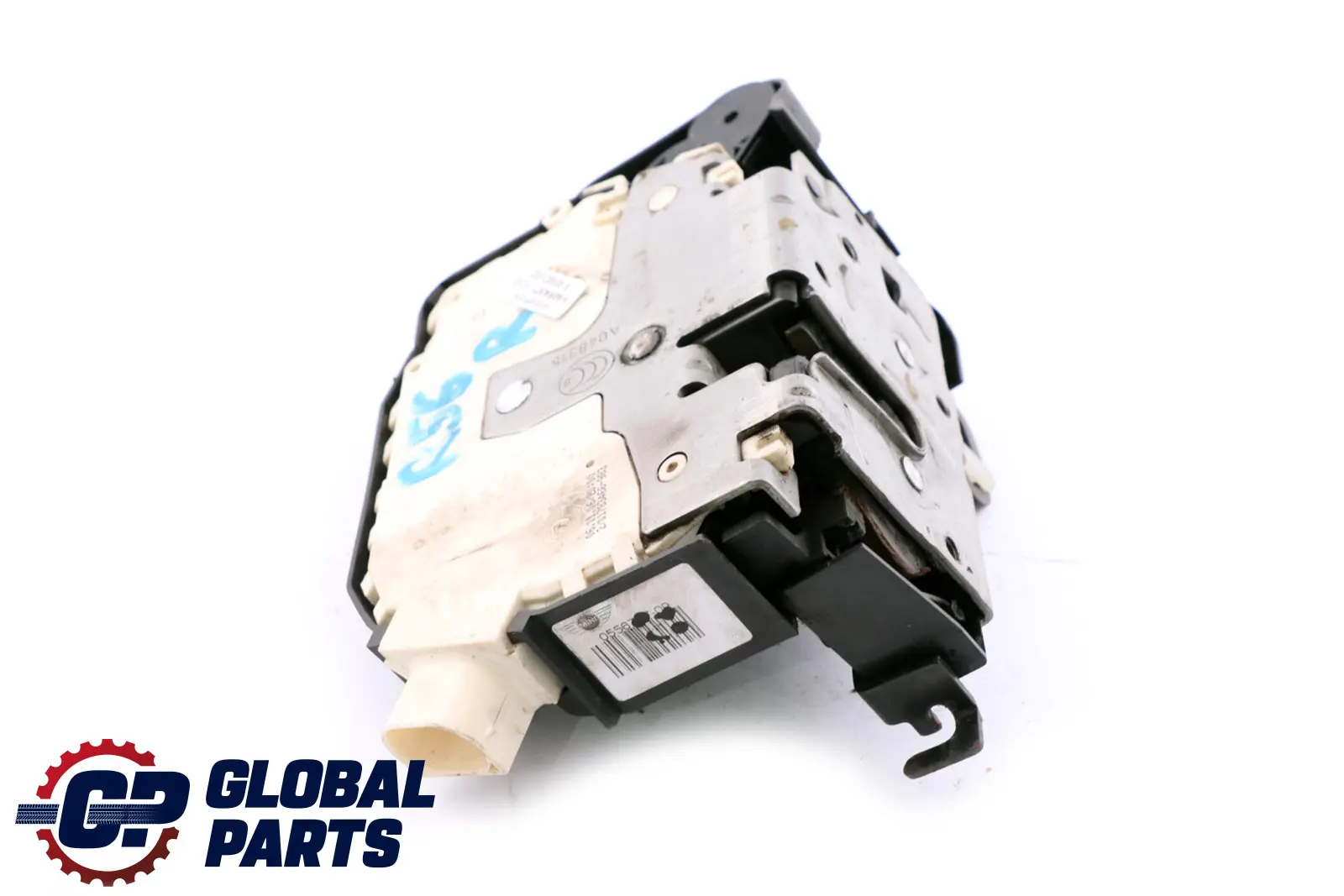
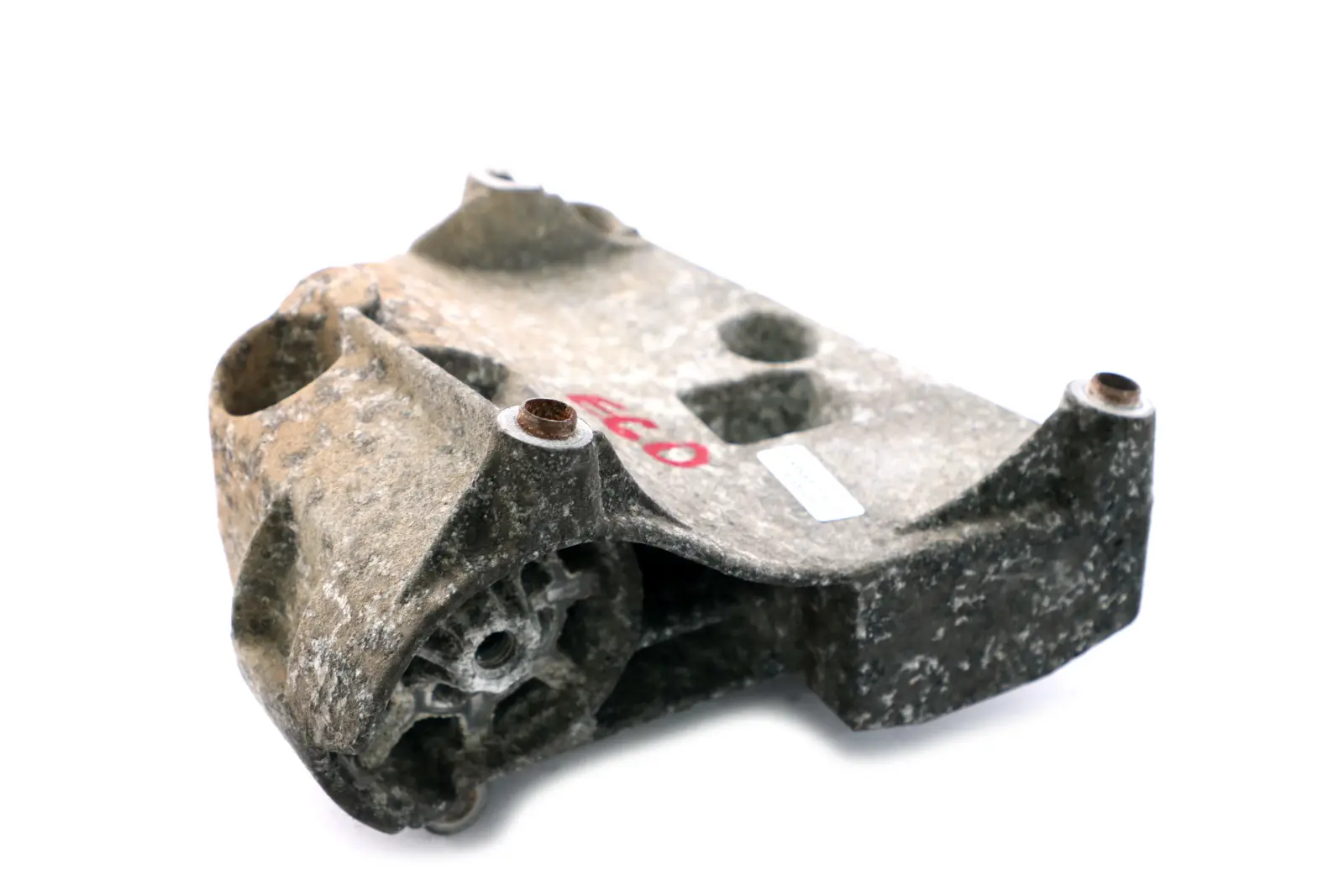
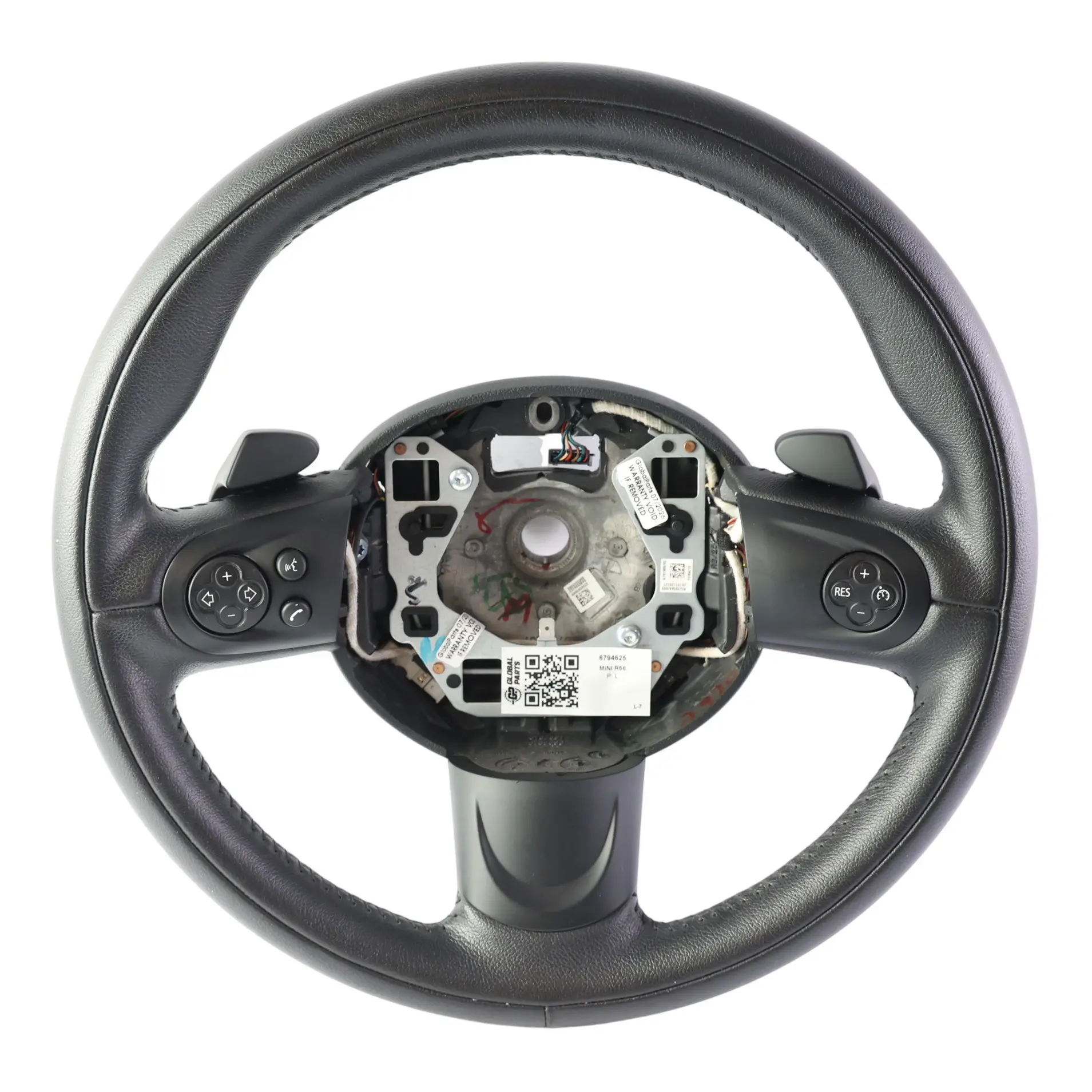
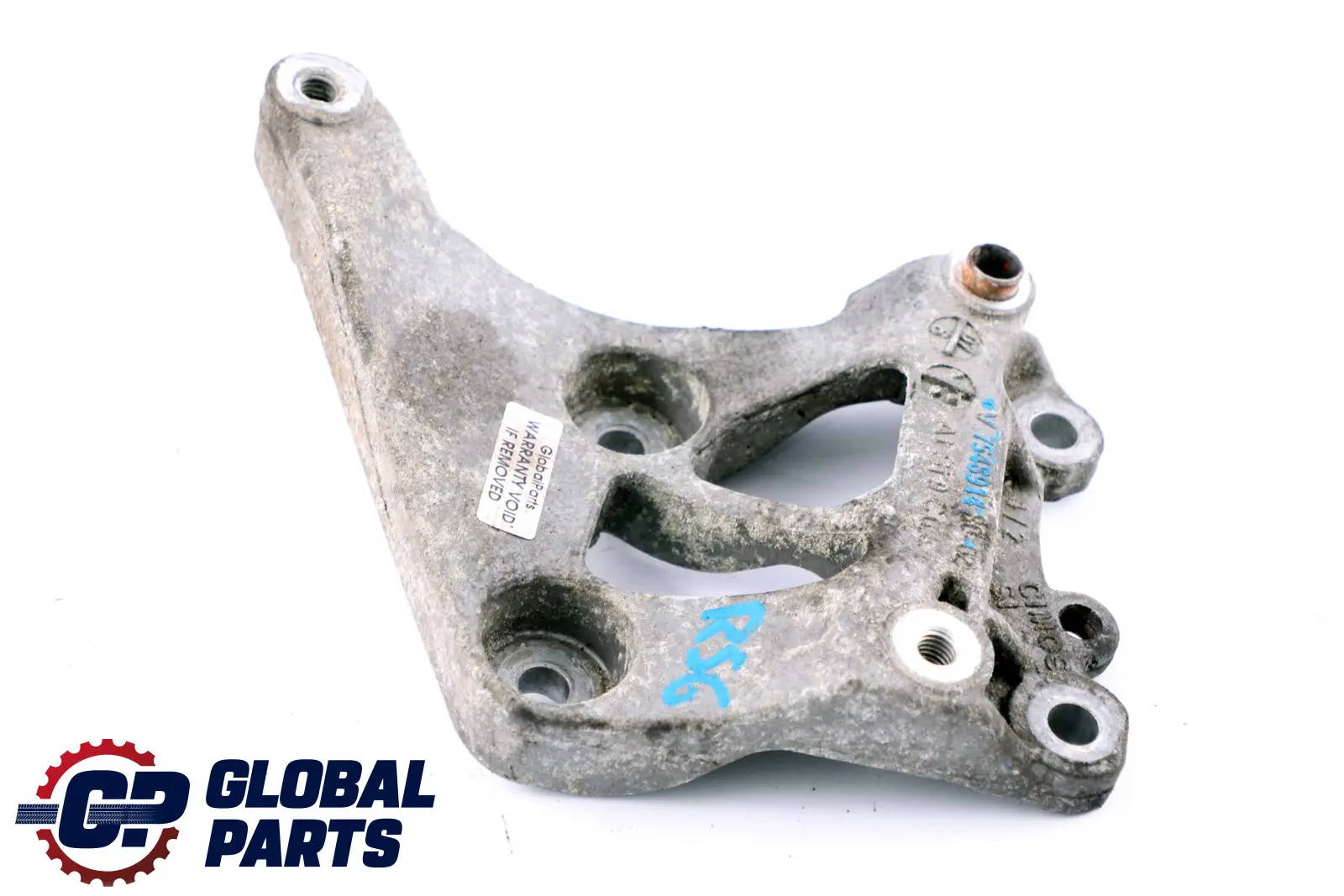
This is where the magic of the circular economy happens. Just because a car has reached the end of its road doesn't mean all its components are useless. In fact, professional recyclers meticulously inspect the vehicle for perfectly functioning parts. Items like headlights, mirrors, doors, and even entire engines or gearboxes are carefully extracted. At Global Parts, we specialise in high-quality vehicles, meaning that when you scrap a car with us, perfectly viable components might go on to repair another BMW, Mercedes, Audi, VW, Porsche, Skoda, or Mini. By salvaging these parts, the industry drastically reduces the carbon footprint associated with manufacturing new automotive components. 3. ### The Crusher and Metal Recycling Once all hazardous fluids are drained and every salvageable part is removed, only the bare shell of the car remains. Now, it's finally time for the iconic crusher. The compacted metal shell is sent to a shredding facility where it is ground down into small pieces. Powerful magnets separate the ferrous metals (like steel) from non-ferrous metals (like aluminium) and plastics. These recycled materials are then melted down and sold to manufacturers. The steel from your old car might end up in the construction of a new bridge, a washing machine, or even a brand-new vehicle!
Why the Right Paperwork Matters: The Certificate of Destruction
While the physical recycling of your vehicle is fascinating, the administrative side is crucial for your peace of mind. When you scrap a car in the UK using a legitimate ATF, the final step of the journey is generating a Certificate of Destruction (CoD). This official DVLA document proves that you are no longer the registered keeper and absolves you of any future tax or legal responsibilities regarding the vehicle. Without it, you could face unexpected fines.
Ready to Start the Journey?
Scrapping your car is no longer just about getting rid of junk; it’s an essential part of the modern recycling industry. When you choose to recycle your vehicle properly, you are contributing to a greener planet and helping other drivers keep their cars safely on the road. If your vehicle has reached the end of its life, we make the process effortless. We offer the best scrap car prices, completely free collection, and guarantee all the official DVLA paperwork is handled correctly.