At the MINI Cooper service Savings should be sought primarily through accurate diagnosis and well-planned repairs. Replacing the entire assembly isn't always necessary when the problem involves power supply, sealing, or a mating component. A verified original from disassembly can be a reasonable solution, but its selection should be based on the identified fault, not solely on the similar appearance of the part. Equally important is the preparation of assembly materials and the necessary post-replacement activities. Examples of power steering, supercharging, gearbox, and lighting demonstrate where unnecessary work can be reduced without compromising proper vehicle maintenance. At Global Parts, you can check the availability of original MINI components and consult on the fitment of a specific part. Contents
- Why is the MINI generation more important than the similar appearance of parts?
- R50 Power Steering Pump: What to Check Before Replacing?
- Engine and Supercharger: When is the entire component needed?
- Gearbox: how to avoid unnecessary replacement?
- Lamps and halogens: when is it enough to repair the connection?
- Radio and key: what to determine before purchasing electronics?
- Rims and details: how to restore the factory look of your MINI?
- How to plan the installation so as not to do the same job twice?
- FAQ - Used Genuine MINI Parts
 Why is the MINI generation more important than the similar appearance of parts?
The selection should begin with identifying the generation, engine version, and specific component. The Cooper name does not imply a single engine design or uniform equipment across all cars. In the case of MINIs, parts from disassembly should be compared based on their markings and confirmed use, not just the housing shape. For example, the Cooper R50 with the W10 engine and the Cooper S R53 with the W11 engine are different configurations, despite their similar appearance. The R53 is supercharged by a supercharger, while the early Cooper S R56 with the N14 engine uses a turbocharger. The JCW (John Cooper Works) designation requires additional attention. MINI also offers JCW accessories for other engine versions. Therefore, the emblem or sporty detail alone should not be the basis for identifying the car's mechanical components. The examples below show the differences between selected versions, not a complete list of engines used in each generation.
| Sample version | Engine designation | Top-up type |
|---|---|---|
| MINI Cooper R50, 2005 example | W10, 1.6 | Naturally aspirated engine, without compressor or turbocharger. |
| MINI Cooper S R53, 2005 example | W11, 1.6 | Mechanical compressor. |
| MINI Cooper S R56, 2007 example | N14, 1.6 | Turbocharger. |
Data corresponds to the versions listed in the service documentation for the indicated years.
R50 Power Steering Pump: What to Check Before Replacing?
Before purchasing a pump, a workshop should assess both its operation and the condition of the associated system. In an electrohydraulic system, loss of power steering can significantly increase the force required to turn the steering wheel. MINI R50 power steering pump It shouldn't be added to your shopping list simply because the steering wheel has become heavier. A mechanic should check the power supply to the unit, the electrical connections, and the condition of the hydraulic circuit. If a pump is damaged, a used original should only be considered after determining its compatibility and the inspection procedure. Before installation, it's also necessary to assess the fluid and any contamination in the system. HELLA recommends inspecting the circuit, using the correct new fluid, and properly bleeding and checking for leaks after the repair. Leaving contamination or a leak unresolved can expose the installed component to further problems.
Engine and Supercharger: When is the entire component needed?
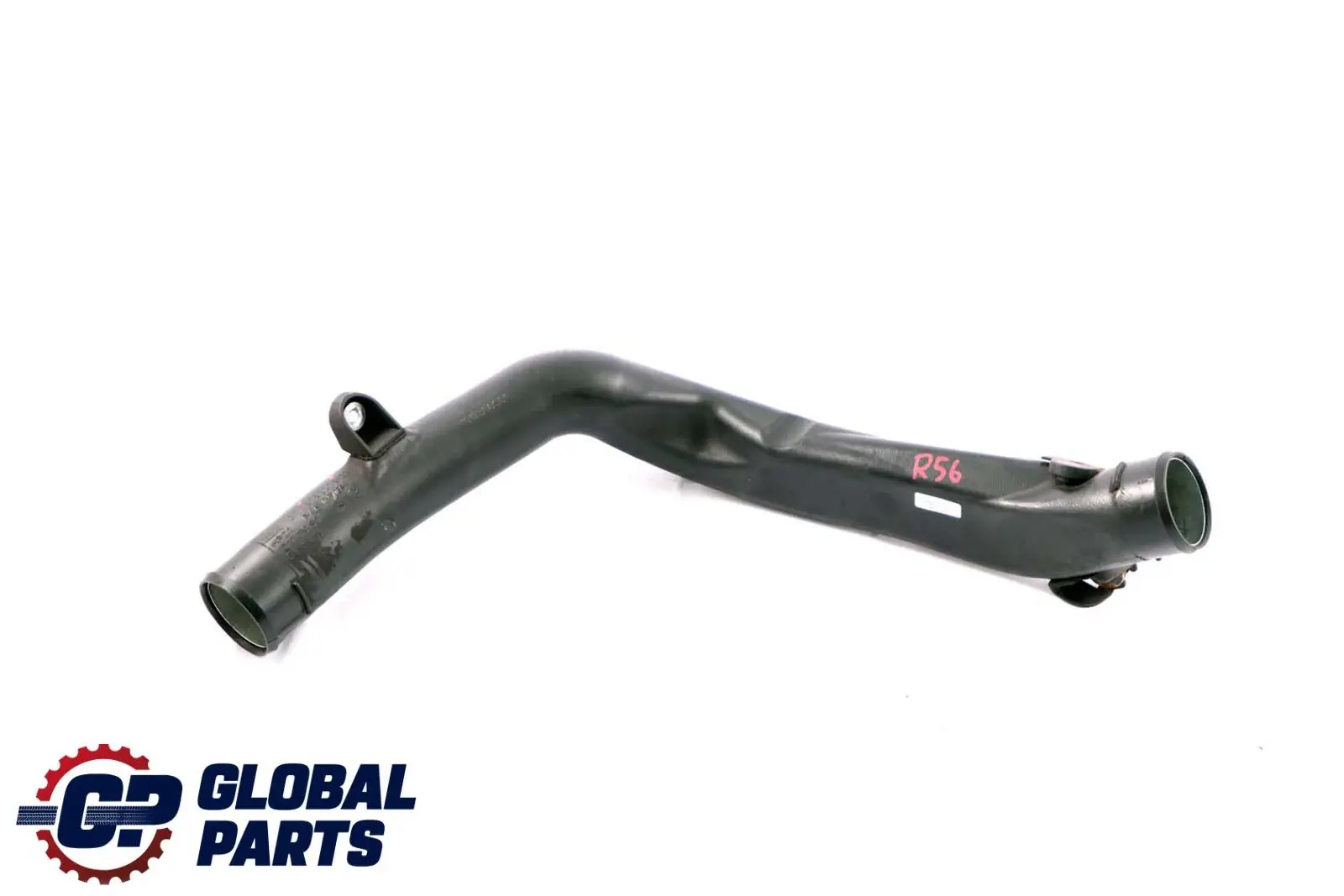
A loss of power, smoke, or unusual noise doesn't necessarily mean the engine or turbocharger needs to be replaced. First, determine whether the problem is the component itself or its operating conditions. Turbo MINI Cooper It should be assessed along with the intake, air ducts, and lubrication system. Garrett points out that if performance is lost, filters, hoses, and the operation of other engine systems should be checked, among other things. In the case of noise, leaks and damage to the connections leading to the intercooler are also important. Smoke and oil consumption, however, require inspection of the turbocharger's oil flow and crankcase ventilation. If turbo damage is confirmed, its cause must be corrected before installing another turbo. Otherwise, replacing the part does not address the conditions that led to the failure.
What should the purchase of a used engine include?
When replacing the entire unit, it's crucial to agree on the exact version and kit contents. MINI Cooper Engine should be identified by their designation, not just by the capacity listed in the offer. The differences between W10, W11 and N14 show why the term "1.6 engine for MINI" is insufficient. Before purchasing, it is worth obtaining a list of accessories included in the delivery and information on how to check the specific unit. The workshop should then determine which components will be transferred and which require separate replacement. It is best to replace the term "complete" with a clear list so that the scope of delivery corresponds to the repair plan.
Gearbox: how to avoid unnecessary replacement?
In manual transmissions, difficulty shifting gears may be due to improper clutch disengagement, not damage to the transmission itself. Therefore, before purchasing a transmission, it's essential to have the clutch mechanism diagnosed. MINI Cooper gearbox It should be considered for replacement only after the fault has been identified. ZF indicates that clutch disengagement problems can be caused by factors such as the release bearing, the release bearing, or other control system components. When the source of the problem lies outside the transmission, replacing the entire assembly does not solve the actual problem. The mechanic should compare these with the vehicle's requirements and determine the scope of preparation for installation. The repair plan should also include the required seals, fluid, and inspection of the components accessible after disassembly, according to the documentation for the specific version.
Lamps and halogens: when is it enough to repair the connection?
A non-working light doesn't always mean the entire lamp needs to be replaced. Corrosion of the contacts or a problem with the electrical connection can also cause loss of function. MINI Cooper R50 rear lights It's worth checking along with the light source housings, connectors, and seals. This inspection helps isolate housing damage from component failure, which can be repaired or replaced separately. MINI Cooper halogen headlights require a similar approach. , especially if traces of moisture are visible. HELLA distinguishes between temporary fogging and the accumulation of droplets or water, which requires a leak test. When purchasing a used lamp, it's worth asking for photos of the mountings, rear housing, and electrical socket. If the leak extends to the mounting point in the vehicle, simply replacing the lamp doesn't complete the repair.
Radio and key: what to determine before purchasing electronics?
Before ordering electronics, it's important to confirm not only the part's compatibility but also its compatibility with the specific vehicle. A compatible housing shouldn't replace component identification. When you need a MINI Cooper radio, the workshop should first confirm that the fault is with the unit, not its power supply or installation. When contacting the seller, it's worth mentioning the current radio model and the vehicle's equipment configuration. Before purchasing, you should also determine whether the replacement will require additional configuration steps. The MINI Cooper key requires a separate assessment. , because the operation of the remote control and authorization to start the vehicle are different functions. HELLA emphasizes the importance of proper identification of the transmitter and the procedure specified by the manufacturer. Therefore, a specialist should confirm the suitability of a specific key before purchasing a used one.
Rims and details: how to restore the factory look of your MINI?
Refreshing your car doesn't have to mean changing wheel sizes or purchasing a complete styling package. First, it's important to determine which parts need replacing and which simply need cleaning or refinishing.
Original MINI Cooper 16 rims MINI Cooper 17 inches and rims Inches should be selected based on the full parameters and application in a given vehicle model. Diameter alone does not confirm compatibility, so the service center should also check the mounting and brake clearance. Used rims should be inspected for cracks, deformation, and signs of previous repairs. RONAL identifies structural damage as grounds for replacement, distinguishing it from minor surface defects. For body cosmetics, a damaged MINI Cooper badge is recommended. It's worth treating it as a separate identification detail first, rather than a reason to replace a larger component. Similarly, with JCW accessories, the specific version and mounting method should be determined, as the sports marking isn't a universal confirmation of fit.

How to plan the installation so as not to do the same job twice?
The repair plan should include the used component, the required new materials, and a post-assembly functional check. It makes the most sense to compare complete repair options, not just the parts supplied. Before purchasing, the workshop should specify what information is required to approve a specific unit. It's worth separately determining which components will be reused and which materials require replacement, according to the procedure. For a power steering pump, the correct fluid and circuit preparation are crucial, while for a turbocharger, eliminating the cause of previous damage is also crucial. It's a good idea to coordinate these steps before beginning disassembly to prevent a minor component from stopping the entire job. After delivery, the mechanic should compare the parts' markings and completeness with the order. Only after this inspection can assembly and verification of the repair result begin. The table below organizes questions that are worth asking before ordering an original component from dismantling.
| Control Area | Question before purchasing | Importance for repair organization |
|---|---|---|
| Fit | What is the full designation of the part and its confirmed use? | It allows you to submit a specific item to a workshop for verification. |
| Condition | How was the part checked? | Helps distinguish between a visual assessment and a confirmed performance test. |
| Completeness | What components and accessories are included in the delivery? | Makes it easier to determine what else is needed. |
| Preparation | What materials and activities are included in the assembly instructions? | Allows you to prepare for repairs before disassembling the car. |
| Final inspection | How will the operation be checked after replacement? | Establishes conditions for completion of work and collection of the vehicle. |
FAQ - Used Genuine MINI Parts
The most common doubts concern the meaning of markings, the condition of components and the profitability of their use. When choosing a part, it's important to separate the factory origin from the part's current performance. Compatibility with the specific vehicle model is equally important. Information about the origin does not replace a description of the tests performed. However, the model number alone does not answer questions about the kit's contents or installation scope. Therefore, the purchase decision should be based on the offer data and the workshop's requirements.
| QUESTION | ANSWER |
|---|---|
| What does an original used MINI part mean? | This is a factory component that has been previously used. Original origin does not automatically imply remanufacturing, nor does it replace an assessment of its current condition. |
| What does JCW mean? | JCW stands for John Cooper Works. The name also appears on accessories, so the presence of the JCW detail is not sufficient to identify the car's engine or drive version. |
| What is the difference between a used and a remanufactured part? | The term "used" indicates prior use. Remanufacturing refers to an additional restoration process, the scope and quality control of which should be verified. |
| Are used MINI parts a good choice? | They are acceptable when a specific unit is compliant, properly tested, and suitable for continued use. They should not replace required new materials or be used to bypass necessary work. |
| Where can I buy cheap used MINI Cooper parts? | It's worth comparing offers with clear labeling, condition descriptions, and detailed kit contents. At Global Parts, you can check availability and consult on fitment; cost-effectiveness should be assessed in conjunction with the scope of installation. |
| Do parts from the MINI R50 fit the R53 and R56? | Their universal interchangeability cannot be assumed. Individual versions differ in design, so the use of a specific part requires separate confirmation. |
| Can a used MINI key simply be reprogrammed? | This should not be assumed. A specialist should first confirm compatibility and the suitability of a specific unit for use with the vehicle's solution. |