


Alternators and generators
More informationAt Global Parts, we offer a wide selection of original used car parts, including alternators and generators for many popular car brands such as BMW, Mini, Mercedes, Audi, Volkswagen, and others. Our alternators and generators undergo quality control to ensure you receive a top-quality product.
GB
Make
Category
Subcategory
Condition
In Stock
Price
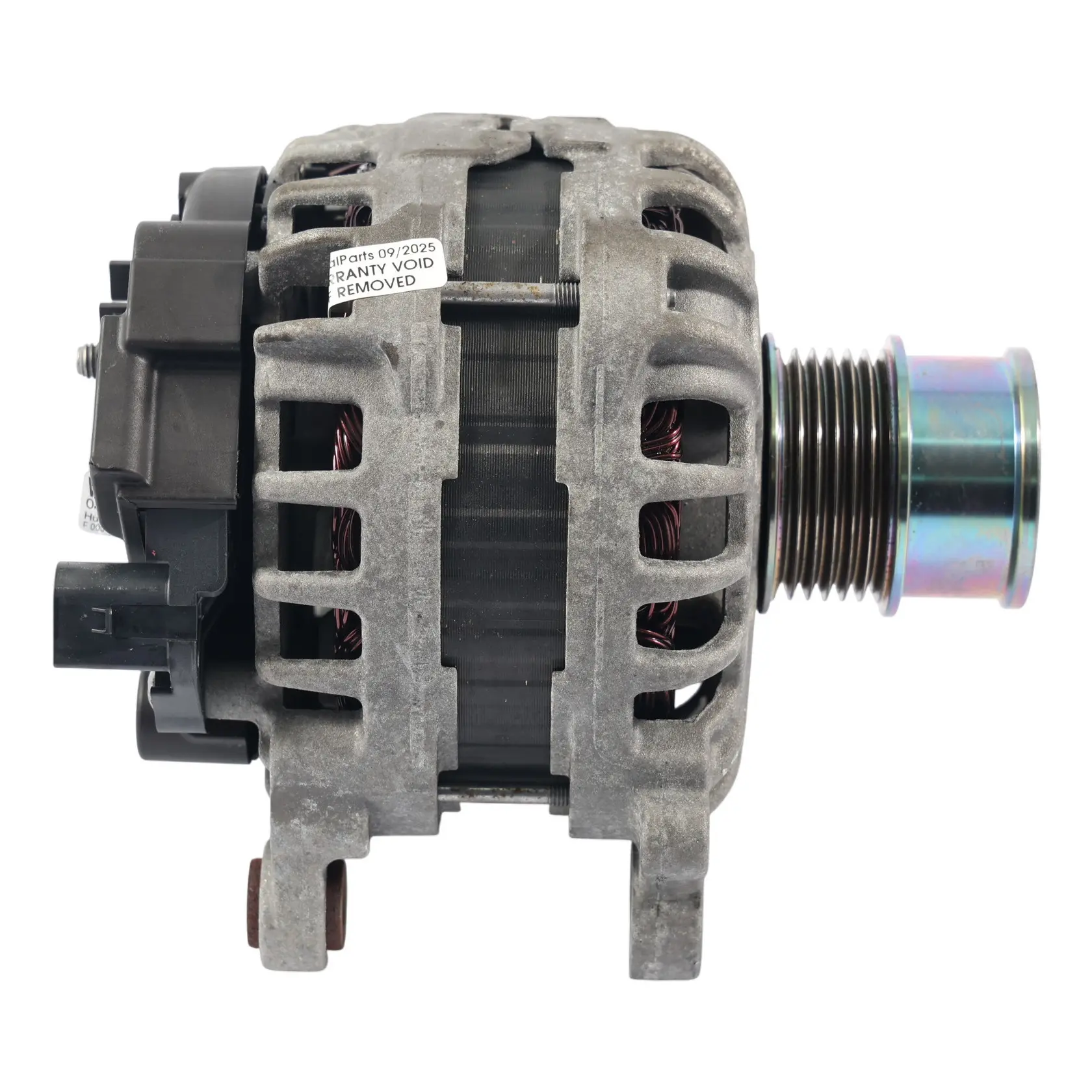
Part no. 04E903021M
Skoda Rapid NH1 1.4 TSI Petrol Alternator Generator Bosch 04E903021M
Product currently unavailable
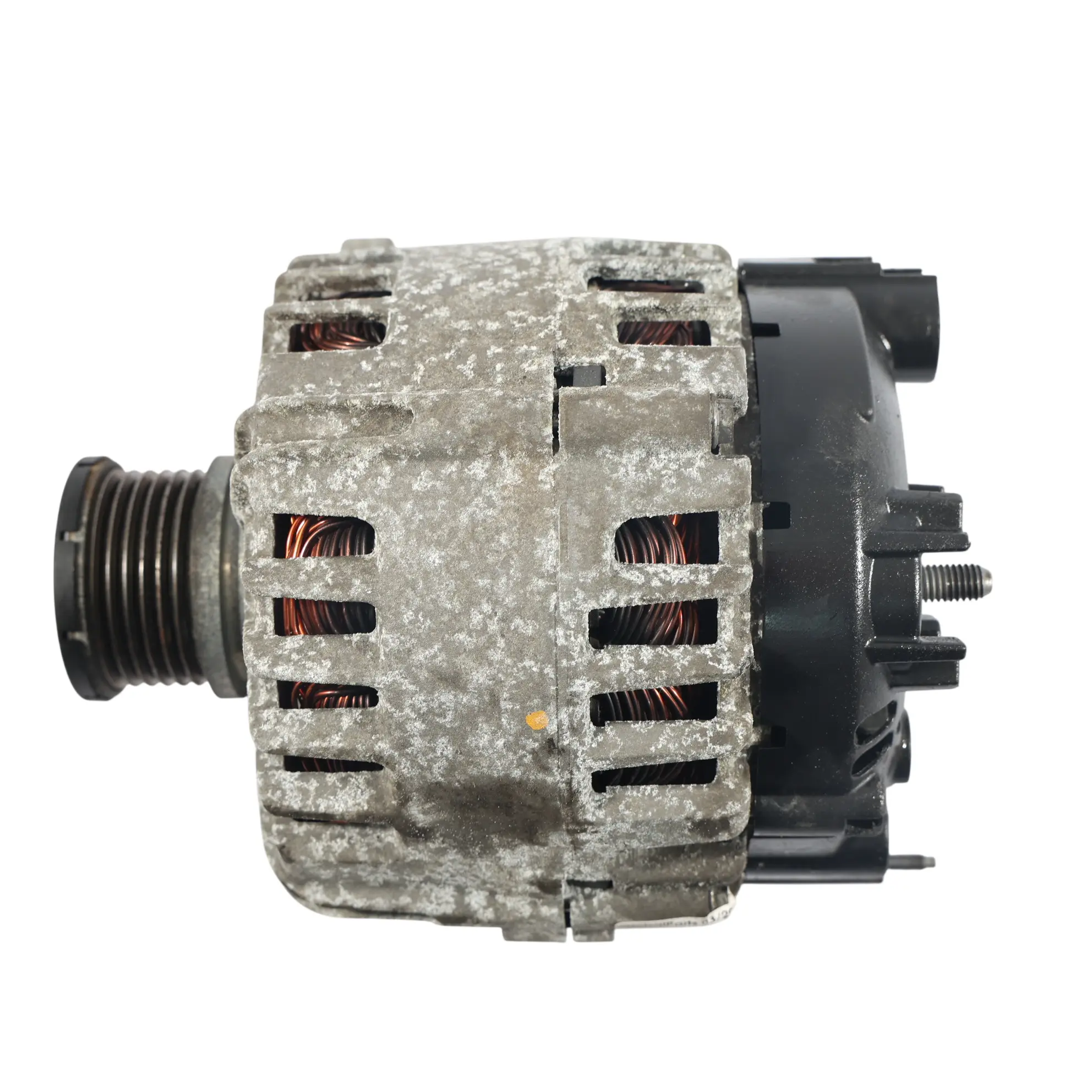
Part no. 03L903024L
Skoda Octavia Mk3 5E Alternator Generator 14V 180A CUNA Diesel 03L903024M
Product currently unavailable

Part no. 06F903023D
Skoda Fabia Mk2 5J Engine Alternator Generator Unit 14V 110A 06F903023D
Product currently unavailable
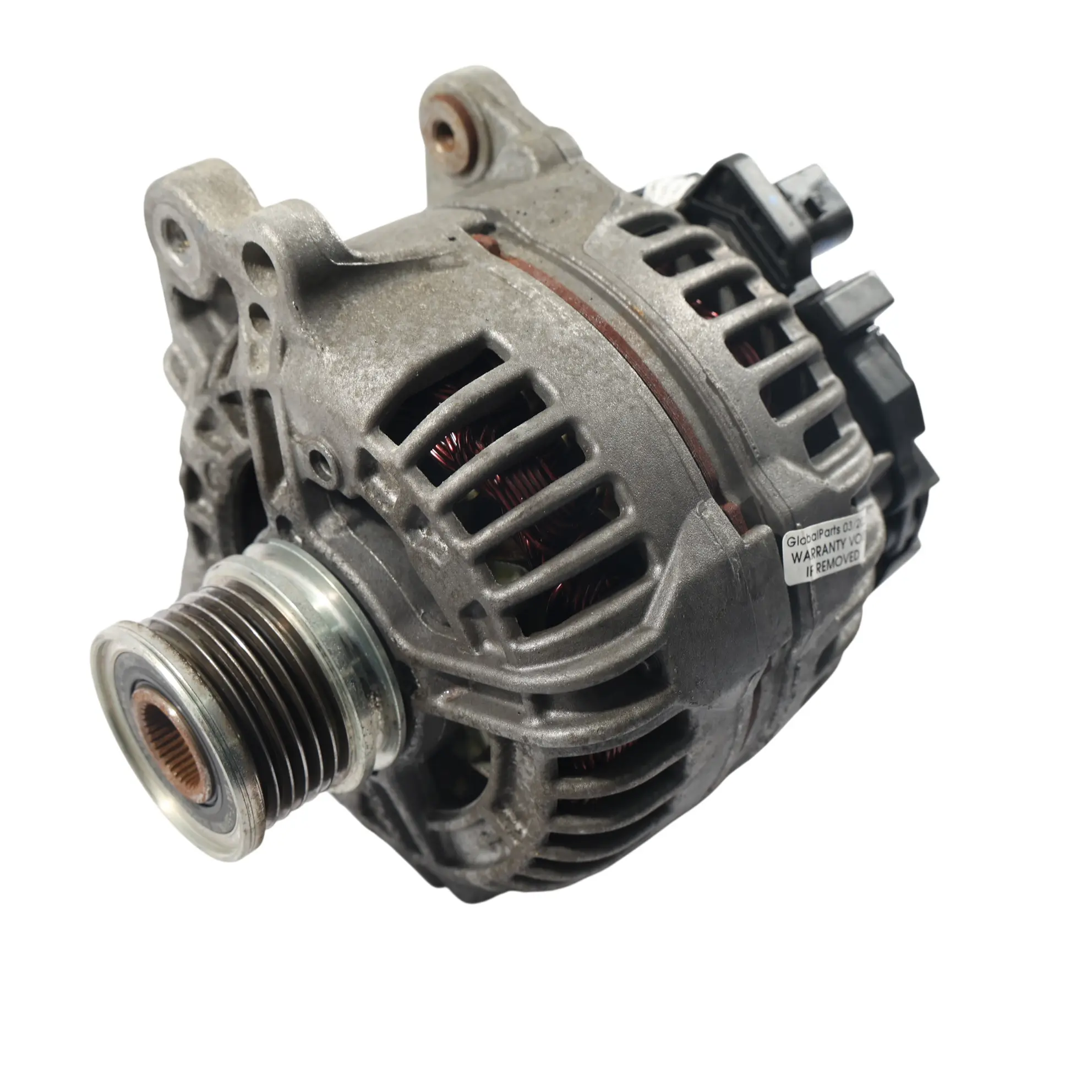
Part no. 06F903023N
Audi A3 8P TT 8J VW Golf Mk6 Skoda Superb Mk2 Alternator 2.0 TDI 06F903023N
Product currently unavailable
Efficient alternators and generators – reliable power source for your vehicle
A wide range of alternators and generators – tailored to various car models
Alternators and generators are key components of a vehicle's electrical system, responsible for generating the electricity needed to power all vehicle systems and charge the battery. Their proper operation ensures voltage stability, the reliability of electrical devices, and driving comfort. In the Global Parts automotive store, you will find a wide selection of used car parts, including alternators and generators, perfectly matched to brands such as BMW, Audi, Mercedes, Volkswagen, Mini, and others.
Types of alternators and generators
Alternators are divided into classic and compact types. Compact alternators are smaller, lighter, and often used in modern cars where space saving and weight reduction are priorities. In contrast, generators used in heavier vehicles, such as vans or off-roaders, feature higher power output to meet greater energy demands. Typical alternator power in passenger cars ranges from 70–150 A, while in heavy-duty vehicles, it can reach 200–300 A.
Construction and purpose of alternators and generators
Alternators and generators are components mounted to the engine and usually driven by an accessory belt. Their task is to produce electrical energy while the engine is running and to maintain proper battery charging. A typical unit consists of a housing, rotor, stator, diode bridge, pulley, and electrical connector. For parts such as an Audi A3 8P alternator, it is worth comparing the OEM number, mounting type, connector, and pulley diameter.
What functions do alternators and generators perform?
Alternators and generators play a key role in the functioning of a vehicle's electrical system:
- Generating electricity – They convert mechanical energy into electrical energy, which powers all vehicle systems.
- Battery charging – They ensure a constant supply of current, keeping the battery fully charged.
- Voltage regulation – Thanks to built-in voltage regulators, they maintain stable voltage, protecting electrical devices from damage.
- Support for electrical systems – They power lighting, air conditioning, the radio, and other devices, ensuring their continuous operation.
Differences between types of alternators and generators
| Component type | Typical application | What to check before purchase |
|---|---|---|
| Compact alternator | Modern passenger cars with limited mounting space | Bracket alignment, plug type, pulley, and OEM number |
| Classic alternator | Older designs and models with simpler engine accessories | Number of mounting points, regulator type, and system compatibility |
| High-performance generator | Vans, off-road vehicles, or versions with extensive electrical equipment | Current output, cooling method, connectors, and pulley diameter |
The importance of the voltage regulator and system compatibility
A voltage regulator is a component that works with the alternator and is responsible for maintaining the correct charging level in the vehicle's electrical system. The regulator controls the rotor's operation and limits voltage fluctuations, ensuring that the battery and electrical consumers operate stably. When choosing a part like 06f 903 023c, it is good to verify the part number, compatibility with the alternator housing, and the connector type. In practice, comparing with the offer of Voltage regulators and Alternator and generator parts is also helpful.
Table – typical symptoms and alternator parameters
| Symptom | Possible cause | Technical parameter |
|---|---|---|
| Weak battery charging | Worn voltage regulator | Operating voltage: 13.8–14.4 V |
| Squealing during engine operation | Damaged drive belt | Power consumption: 1.5–2.5 kW |
| Flickering lights | Improper voltage stabilization | Current intensity: 90–150 A (passenger cars) |
| No charging | Failure of the rotor or diode bridge | Power: 1.2–3.0 kW |
Why is it worth taking care of alternators and generators?
Damage or malfunction of an alternator or generator can lead to problems with vehicle power supply and shorten battery life. Typical symptoms of malfunction include:
- Discharged battery – May result from faulty charging.
- Battery warning light on the dashboard – Signals problems with the alternator or generator.
- Unusual noises – Squealing or grinding may indicate worn bearings or a drive belt.
- Voltage fluctuations – May indicate problems with the voltage regulator. If replacement is necessary, at Global Parts you will find suitable used car parts that will restore the full functionality of your electrical system.
How to choose the right alternators and generators?
When choosing alternators and generators, several key aspects should be considered:
- Compatibility with the vehicle model – Every electrical system has its specific technical requirements. In the Global Parts automotive store, you will find alternators and generators perfectly matched to BMW, Audi, Mercedes, Volkswagen, Mini, and others.
- Technical condition – Used alternators and generators should be fully functional, free from mechanical and electrical damage.
- Type and performance – Ensure that the chosen alternator or generator has the appropriate power and voltage consistent with your vehicle's requirements.
Compatibility and fitment
When choosing an alternator, it is important to match it not only to the vehicle brand but also to the specific engine version. For example, an alternator in a BMW 320d (E90) differs in parameters from an alternator in a BMW 318i (E46), even though both models belong to the 3 Series. Therefore, in parts catalogs, filtering by VIN or OEM specification is crucial. This ensures compatibility with the vehicle's electrical system and avoids installation problems.
Data needed to select the correct component
When selecting parts for a version such as the Audi A6 C6, it is worth checking the engine code, fuel type, OEM part number, and interchangeable numbers. The type of pulley, the number and layout of pins in the plug, and the method of mounting to the engine accessories also matter. In many cases, the alternator works directly with Car batteries, Cables, wiring harnesses, and connectors, and other elements of the Automotive electrical systems department.
Why choose used alternators and generators?
Used car parts, such as used alternators and generators, are an economical solution that allows for savings while maintaining high quality. By choosing used electrical system components, you gain:
- Lower costs – Used alternators and generators are significantly cheaper than new ones but offer equally high quality.
- Ecology – Recycling parts supports environmental protection and reduces waste.
- Wide selection – In our store, you will find Alternators and generators for the most popular car brands.
How to maintain alternators and generators?
To ensure alternators and generators work reliably for a long time, it is worth following a few rules:
- Regular inspections – Check the condition of the alternator and generator during technical inspections.
- Take care of the drive belt – Ensure the belt is properly tensioned and shows no signs of wear.
- Cleaning and maintenance – Regularly remove dirt and check the condition of electrical connections.
- Avoid overloads – Too many electrical devices connected simultaneously can overload the system. If replacement is needed, suitable parts are available to help maintain the durability and efficiency of the electrical system.
FAQ
| Question | Answer |
|---|---|
| What is the construction and purpose of alternators and generators? | Alternators and generators are devices mounted to the engine, designed to generate electrical energy for the vehicle's needs. A typical unit consists of a housing, rotor, stator, diode bridge, voltage regulator, pulley, and electrical connectors. This component operates in the charging system and works with the battery and the car's onboard electrical installation. |
| What are alternators and generators used for? | Alternators and generators are used to power electrical consumers while the engine is running and to charge the battery. They are responsible for the stable voltage needed for the operation of lights, control units, heating, fans, and other electrical systems. When they operate incorrectly, voltage drops, starting problems, and equipment malfunctions may occur. |
| What role does the voltage regulator play? | The voltage regulator is a component that controls the alternator's operation and maintains the correct charging level in the electrical system. It limits excessive voltage spikes and stabilizes system operation during varying engine speeds. Depending on the design, it may be integrated with the alternator or appear as a replaceable element working with the brushes. |
| How to choose an alternator or generator for a specific car? | It is safest to compare the OEM part number, interchangeable numbers, fuel type, engine version, and mounting type. It is also worth checking the electrical connector, pulley diameter, and current output. If there are differences between equipment versions, verification by VIN is helpful. |
| What symptoms indicate problems with an alternator or generator? | Typical symptoms include a battery warning light, flickering lights, weak charging, and noise coming from the engine accessory area. In some cases, there are also problems with starting the car or unstable operation of electrical devices. During diagnostics, it is worth checking the charging voltage, belt condition, and electrical connections. |
| What should be checked before installing a used alternator? | Before installation, it is good to compare mounting points, the plug, the pulley, and part markings with the removed unit. You should also assess the condition of the housing, threads, connectors, and any signs of overheating. It is also important to check cooperating elements, such as the accessory belt or power cables. |
Summary: alternators and generators at the Global Parts automotive store
Alternators and generators are essential components of the electrical system that ensure reliable power supply and proper operation of all vehicle systems. Global Parts offers used parts for many models and brands, including BMW, Mercedes, Audi, and others. When selecting, it is worth comparing the OEM number, connector type, mounting method, and compatibility with the engine version and car equipment. We invite you to contact us – we are here to help! For more information and interesting facts, we also invite you to visit our automotive blog.