


Air and fuel intake sensors
More informationAt Global Parts, we offer a wide selection of original used car parts, including air intake and fuel sensors for many popular car brands such as BMW, Mini, Mercedes, Audi, Volkswagen, and others. Our air intake and fuel sensors undergo quality control to ensure you receive a top-quality product.
GB
Make
Category
Subcategory
Condition
In Stock
Price
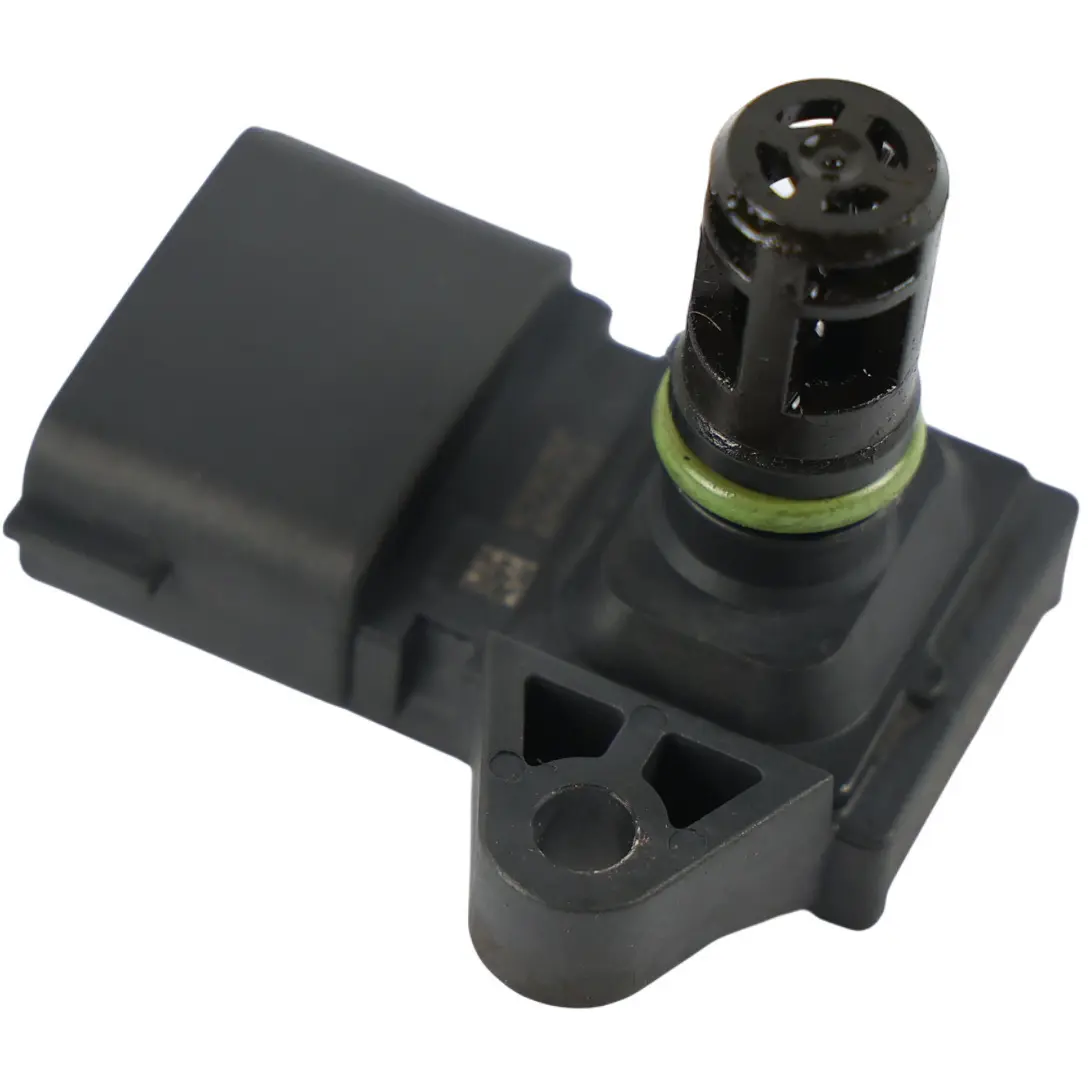
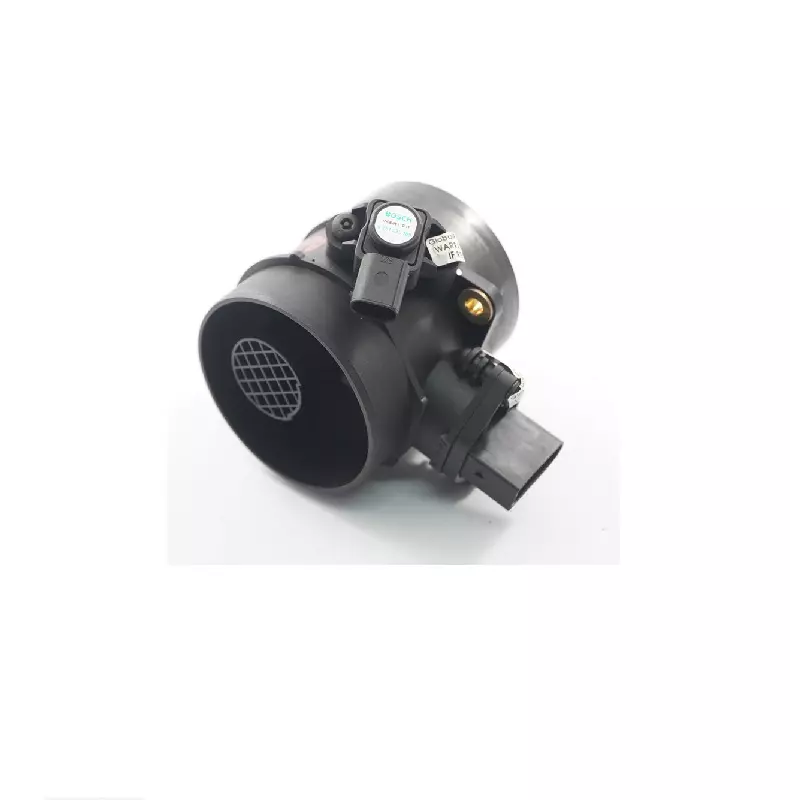
Air and fuel sensors for optimized combustion and engine performance
Air filters – protection of the engine
Air and fuel intake sensors are key components of the engine management system that monitor the quantity and quality of air and fuel delivered to the power unit. Thanks to them, the engine management system can adjust the air-fuel mixture, ensuring optimal combustion, better performance, and fuel economy. In the Global Parts automotive store, you will find a wide selection of used car parts, including air and fuel intake sensors, perfectly matched to BMW, Audi, Mercedes, Volkswagen, Mini, and other brands. An air intake sensor (e.g., MAF or MAP) is an electronic component that transmits precise data about the quantity, density, and temperature of the air drawn into the cylinder to the engine control unit (ECU). Based on this information, the ECU calculates the fuel dose with milligram accuracy. The fuel intake sensor, on the other hand, is responsible for monitoring fuel parameters – such as pressure in the fuel rail – which has a direct impact on combustion stability and the engine's throttle response. In modern engines, differences of 5–10% in fuel dosing can affect both performance and driving economy.
What functions do air and fuel intake sensors perform?
Air and fuel intake sensors play an important role in the precise control of engine operation:
- Mass Air Flow (MAF) sensors – measure the amount of air supplied to the engine, which allows for accurate calculation of the air-fuel mixture.
- Air temperature sensors – monitor the temperature of the intake air, which influences the adjustment of engine operating parameters.
- Fuel pressure sensors – control the pressure in the fuel system, ensuring stable engine supply.
- Fuel quality sensors – detect fuel quality, which helps avoid problems with improper combustion. The sensor operation process takes place in real-time – data is transmitted to the ECU even dozens of times per second. For example, in gasoline engines with direct injection, differences in air intake sensor readings of 1 g/s can cause a change in the mixture composition, which affects engine smoothness and exhaust emissions. In diesel engines, the fuel intake sensor is responsible for maintaining stable pressure, which often ranges from 300–2000 bar, depending on the system design.
Design and purpose of air and fuel intake sensors
Air and fuel intake sensors are electronic components mounted within the intake area, intake manifold, fuel rail, or supply lines. Their task is to transmit information about operating parameters to the controller, which determines injection timing and mixture correction. A typical component consists of a housing, an electrical connector, a measuring part, and mounting points. When selecting, it is worth comparing the OEM number, the number of pins, and the mounting location.
Comparison of sensor types and data to check
| Sensor type | Operating location | Data transmitted | What to check before purchase |
|---|---|---|---|
| MAF | Behind the filter housing, in the intake duct | Air flow and often temperature | OEM number, housing type, connection diameter, plug |
| MAP | In the intake manifold or intake duct | Pressure and sometimes air temperature | Number of pins, sensor shape, seal, mounting method |
| Fuel pressure sensor | On the fuel rail or in the high-pressure system | Fuel pressure for injection control | Thread or socket, connector, compatibility with the injection system |
| Fuel temperature sensor | In the line or supply module | Fuel temperature for dose correction | Engine version, OEM part number, installation type |
Why is it worth taking care of air and fuel intake sensors?
Failure of these sensors can lead to engine performance issues, reduced power, and increased fuel consumption. Typical symptoms of failure include:
- "Check Engine" light illumination – may indicate a problem with one of the sensors.
- Engine power loss – faulty sensors can disrupt the delivery of the correct air-fuel mixture.
- Increased fuel consumption – problems with air or fuel measurement can lead to inefficient combustion.
- Rough engine operation – a faulty sensor can disrupt engine idling. If replacement is necessary, at Global Parts you will find suitable used car parts that will restore full functionality to your fuel system.
The role of the measurement signal in fuel system operation
The measurement signal from the sensor is used for ongoing correction of the fuel dose, injection angle, and response to engine load. This means that even small deviations in readings can affect starting, flexibility, and fuel consumption. In practice, sensors work with throttle bodies, intake manifolds, and injection systems and parts. When choosing a component such as f00c2g2055, you must check compatibility with the specific engine version, connector, and OEM part number.
Selection of sensors by engine version and equipment
The selection of these parts should consider not only the make and model but also the type of power unit, injection type, and equipment version. When looking for parts for a specific model, for example, BMW E60, it is worth verifying the OEM number, interchangeable numbers, number of pins, and the component's seating location. If a component such as an M54B25 mass air flow sensor is sought, it is essential to compare the housing diameter, mounting layout, and compatibility with the filter housing. It is also helpful to check cooperating elements, such as air filters or the condition of intake hoses.
Typical mounting points and inspection before installation
The MAF sensor is most often mounted in the intake duct between the filter and the throttle, and the MAP in or near the intake manifold. The fuel pressure sensor is a component usually placed on the fuel rail or in the high-pressure part of the system, where it works with fuel pumps and level sensors. Before installation, it is worth checking the condition of the pins, housing, seal, and socket, as well as comparing the position of the clips and the OEM part number with the removed component. Complementing the knowledge about electronics selection is the article A second life for electronics – when is it worth choosing used engine controllers, comfort modules, and parking sensors?.
Types and application of air and fuel intake sensors
| Sensor type | Monitored parameter | Impact on engine operation | Example application |
|---|---|---|---|
| MAF sensor | Air flow (g/s) | Precise fuel dose | BMW 3, Audi A4, VW Passat |
| MAP sensor | Manifold pressure (hPa) | Torque stability | Turbo petrol and diesel engines |
| Fuel pressure sensor | Fuel pressure (bar) | Smooth injection operation | Common Rail, GDI |
How to choose the right air and fuel intake sensors?
When choosing air and fuel intake sensors, you should pay attention to several key aspects:
- Vehicle model compatibility – every fuel system has its specific technical requirements. In the Global Parts automotive store, you will find air and fuel intake sensors perfectly matched to BMW, Audi, Mercedes, Volkswagen, Mini, and others.
- Technical condition – used sensors should be fully functional, free from mechanical and electrical damage.
- Engine system compatibility – ensure that the selected sensors work with your vehicle's electronics. The air intake sensor and fuel intake sensor work directly with other system elements, such as the throttle, injectors, fuel rail, or air filter. This allows for logical matching between categories of parts that together influence combustion efficiency and engine performance.
Why choose used air and fuel intake sensors?
Used car parts, such as Air and fuel intake sensors, are a practical solution that allows for savings while maintaining high quality. By choosing used fuel system components, you gain:
- Lower costs – used sensors are significantly cheaper than new ones but offer equally high quality.
- Ecology – recycling parts supports environmental protection and reduces waste.
- Wide offer – in our store, you will find used air and fuel intake sensors for many car brands.
How to take care of air and fuel intake sensors?
To ensure air and fuel intake sensors work reliably for a long time, it is worth following a few rules:
- Regular inspections – check the condition of the sensors during periodic technical inspections.
- Keep the intake and fuel system clean – dirt and deposits can interfere with sensor operation.
- Replace damaged sensors on time – the lack of a functional sensor can reduce engine efficiency. Replacing a properly selected component allows you to maintain the correct operating parameters of the power unit and stable fuel dosing.
FAQ
| Question | Answer |
|---|---|
| What is the design and purpose of air and fuel intake sensors? | Air and fuel intake sensors are electronic fuel system components mounted in the intake, intake manifold, fuel rail, or supply lines. Their task is to measure operating parameters needed by the controller to calculate the fuel dose and correct engine operation. A typical sensor consists of a housing, an electrical connector, a measuring part, and mounting points. Differences between versions usually concern the connector, body shape, and mounting location. |
| What are air and fuel intake sensors used for? | Air and fuel intake sensors are used to continuously transmit data about air quantity, pressure, temperature, or fuel parameters to the ECU. Based on this information, the controller selects the fuel dose, corrects injection timing, and maintains proper engine smoothness. Without correct readings, fluctuations in RPM, poorer throttle response, and increased fuel consumption may occur. |
| What is the design and function of an air flow meter? | An air flow meter is a sensor mounted in the intake duct whose task is to measure the amount of air drawn in by the engine. This element usually has a body with a flow channel, an electrical connector, and a measuring part that reacts to the air stream. Its readings influence fuel dosing, as well as cooperation with the air filter, throttle, and intake manifold. When replacing, the housing diameter, plug type, and OEM number are important. |
| How to select a sensor for a specific vehicle version? | It is safest to compare the OEM number, interchangeable numbers, engine type, and mounting location. It is also worth checking the number of pins, housing shape, and whether the part comes from a version with the same equipment configuration. For more complex systems, matching by VIN is helpful. |
| What symptoms may indicate a problem with a sensor? | Common symptoms include rough idling, power loss, increased fuel consumption, and an illuminated engine light. In some cases, there is a delayed throttle response or harder starting. Symptoms should be compared with computer diagnostics and real-time parameter readings. |
| What to pay attention to before installing a used sensor? | Before installation, it is good to assess the condition of the housing, pins, seal, and mounting points. You also need to compare the socket position and the part's compatibility with the type of intake or fuel system. A clean mounting socket and the absence of wire damage in the harness are important. |
Summary: air and fuel intake sensors at the Global Parts automotive store
Air and fuel intake sensors are responsible for the correct reading of parameters necessary to control the air-fuel mixture, which is why their correct matching is important for the operation of the entire fuel system. At Global Parts, you will find used parts intended for vehicles of brands such as Mercedes, BMW, Audi, and others, as well as products described by parameters such as make, condition, OEM part number, and interchangeable numbers. This facilitates matching the component to the engine version, mounting location, and vehicle equipment. We invite you to contact us – we are here to help you! For more information and interesting facts, we also invite you to visit our automotive blog.