


Out of Stock
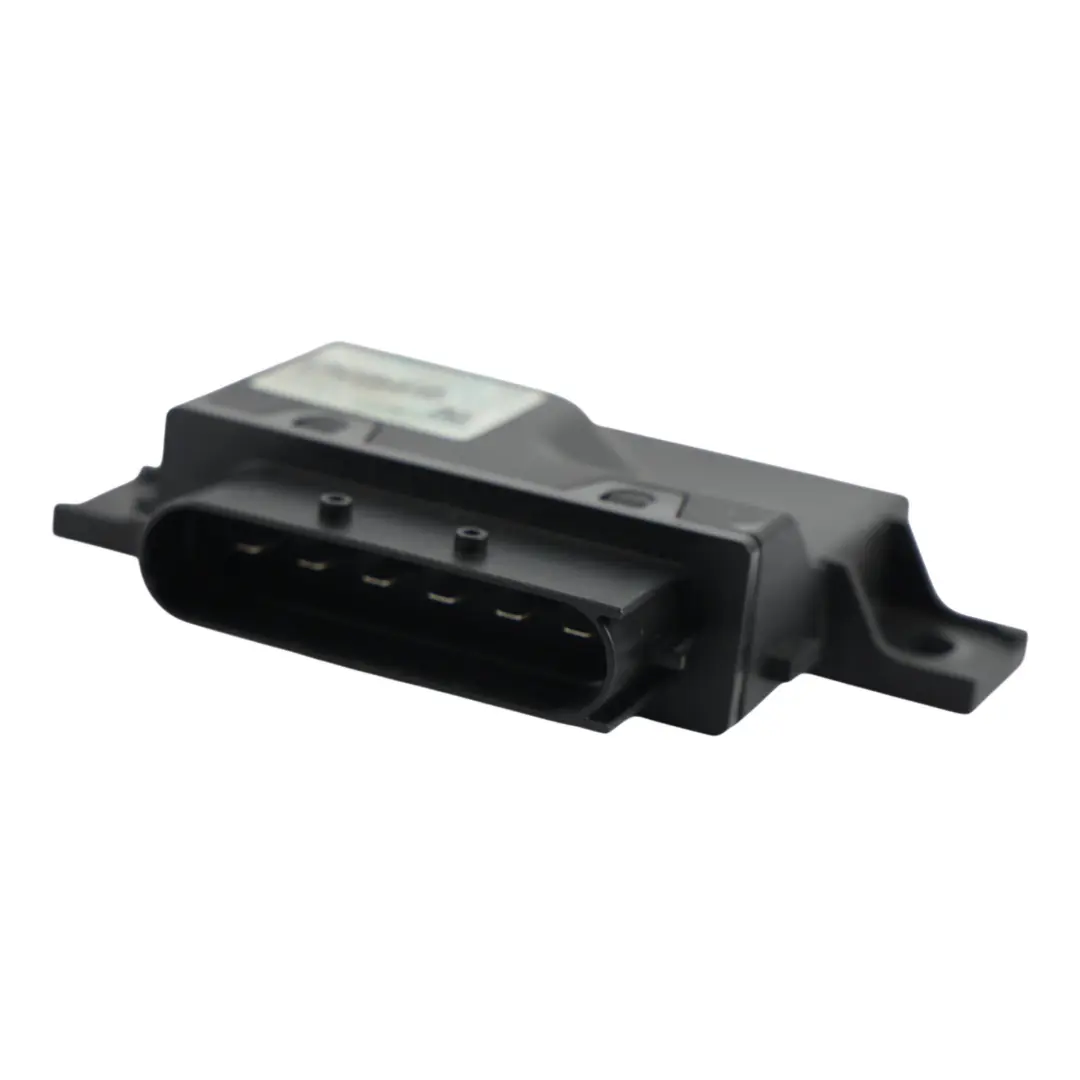
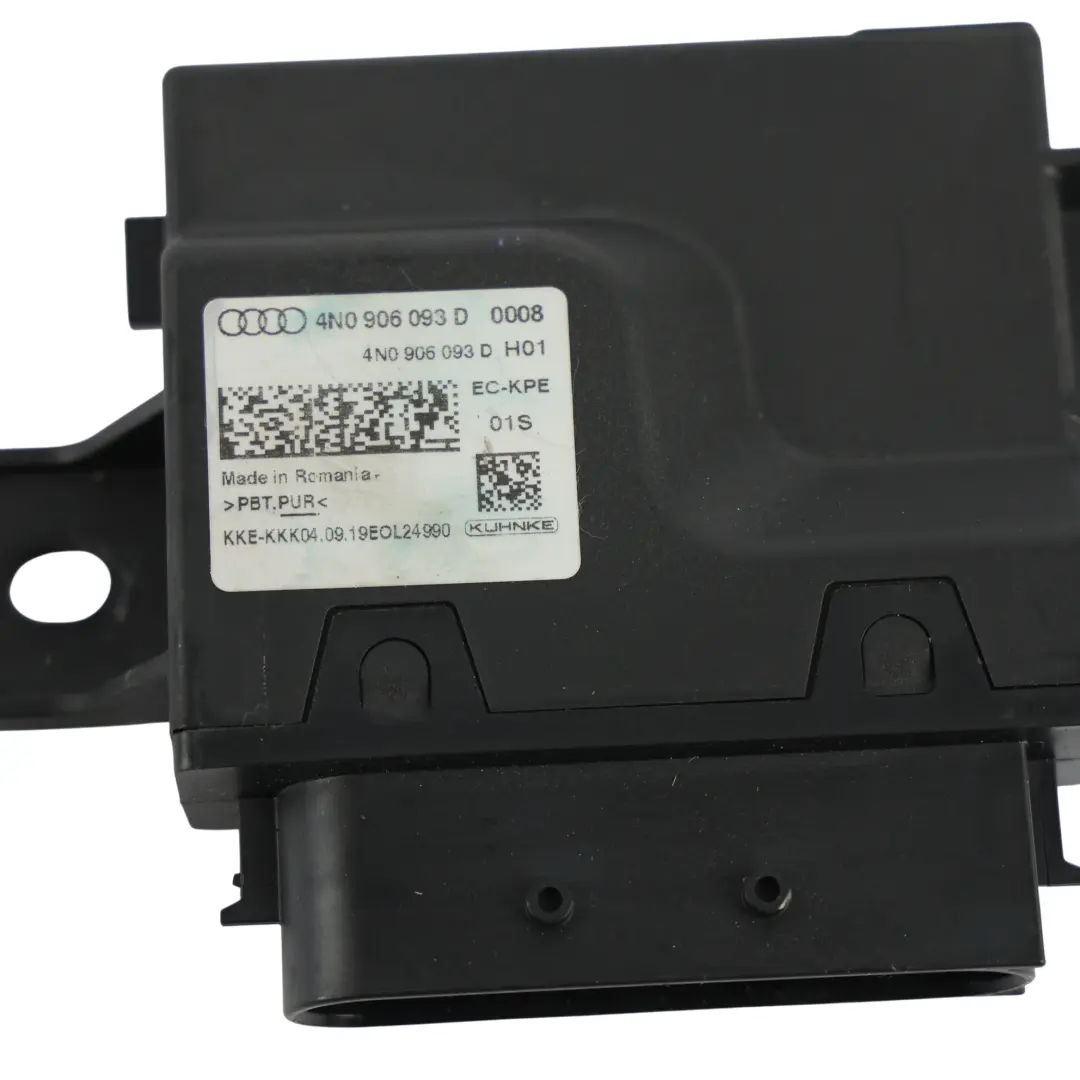
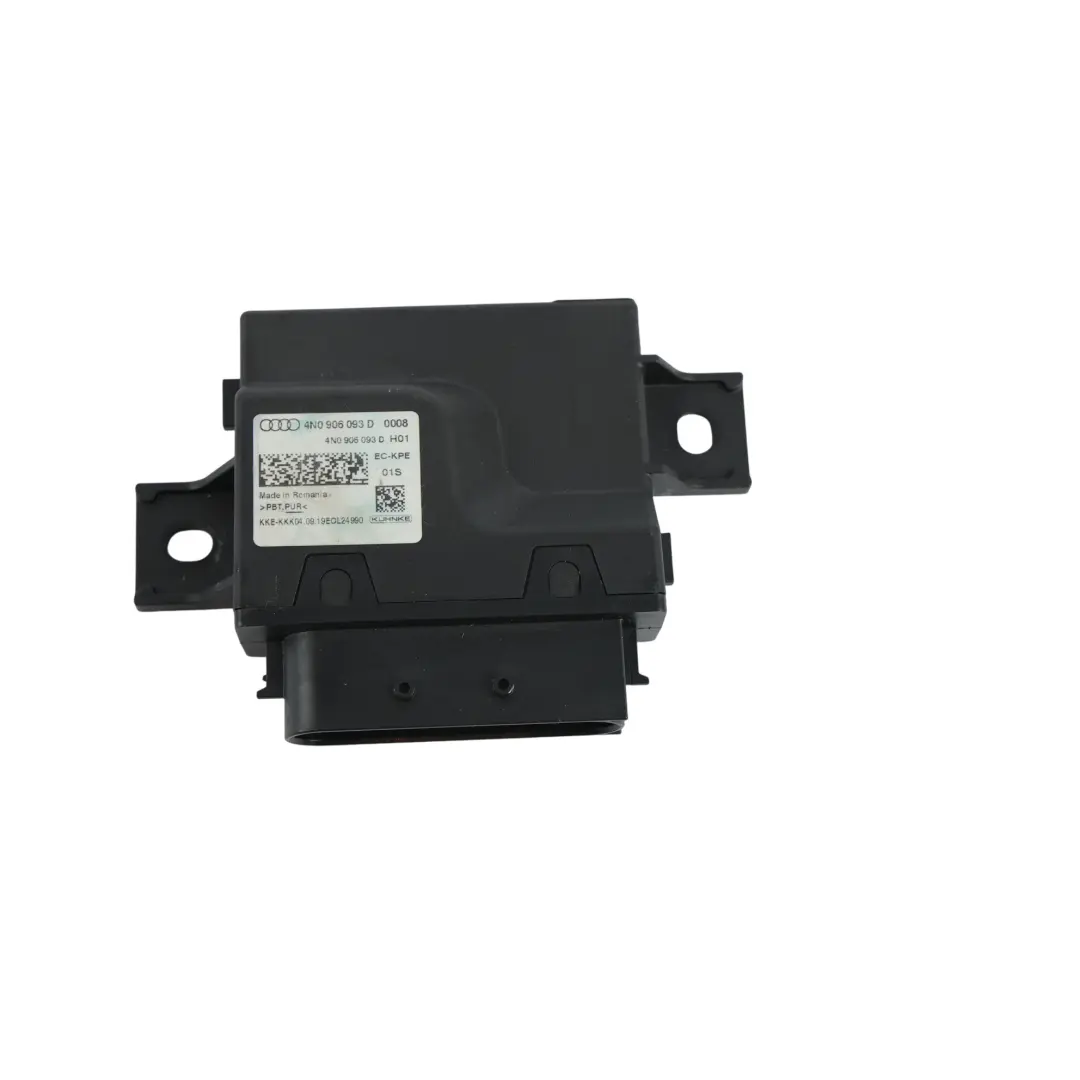
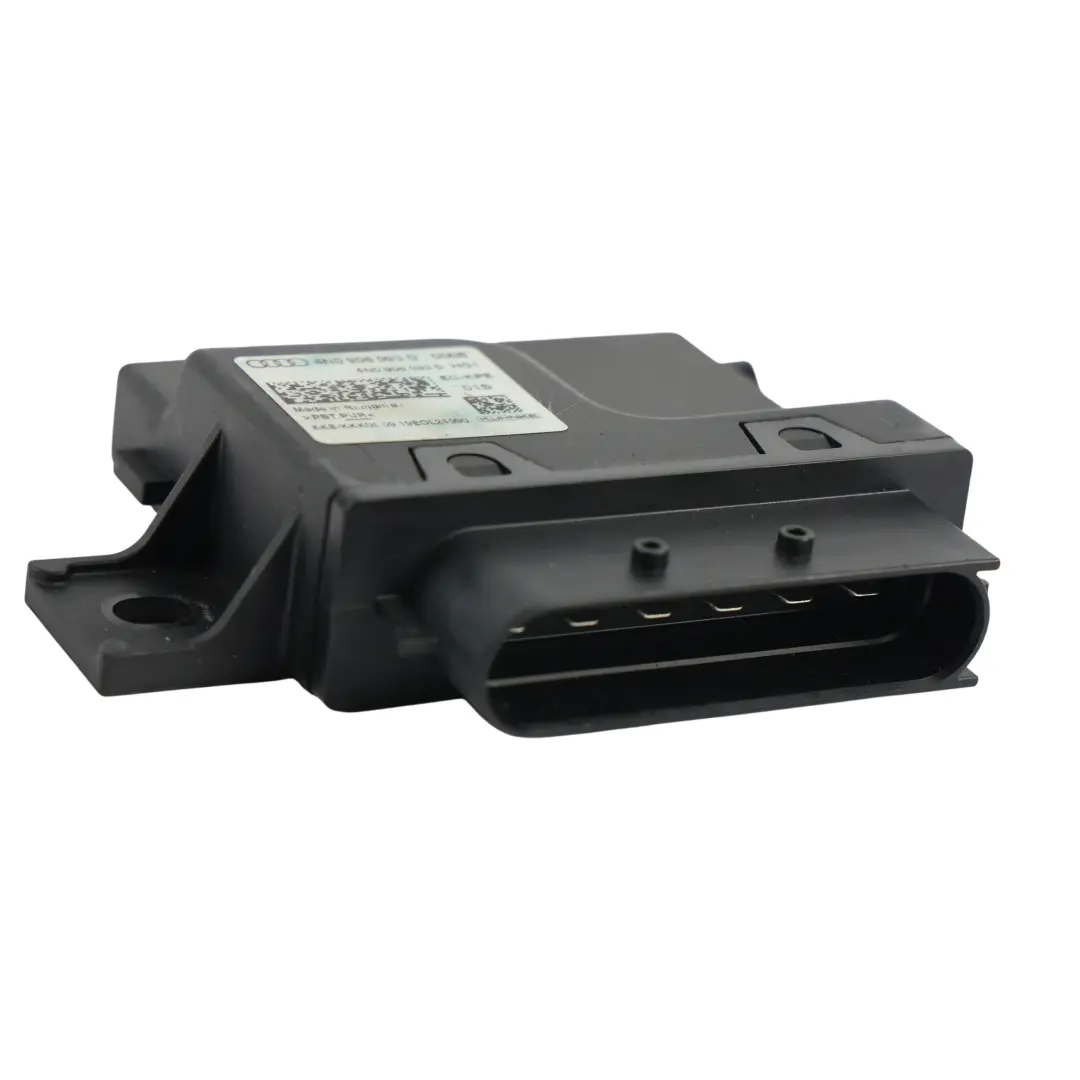
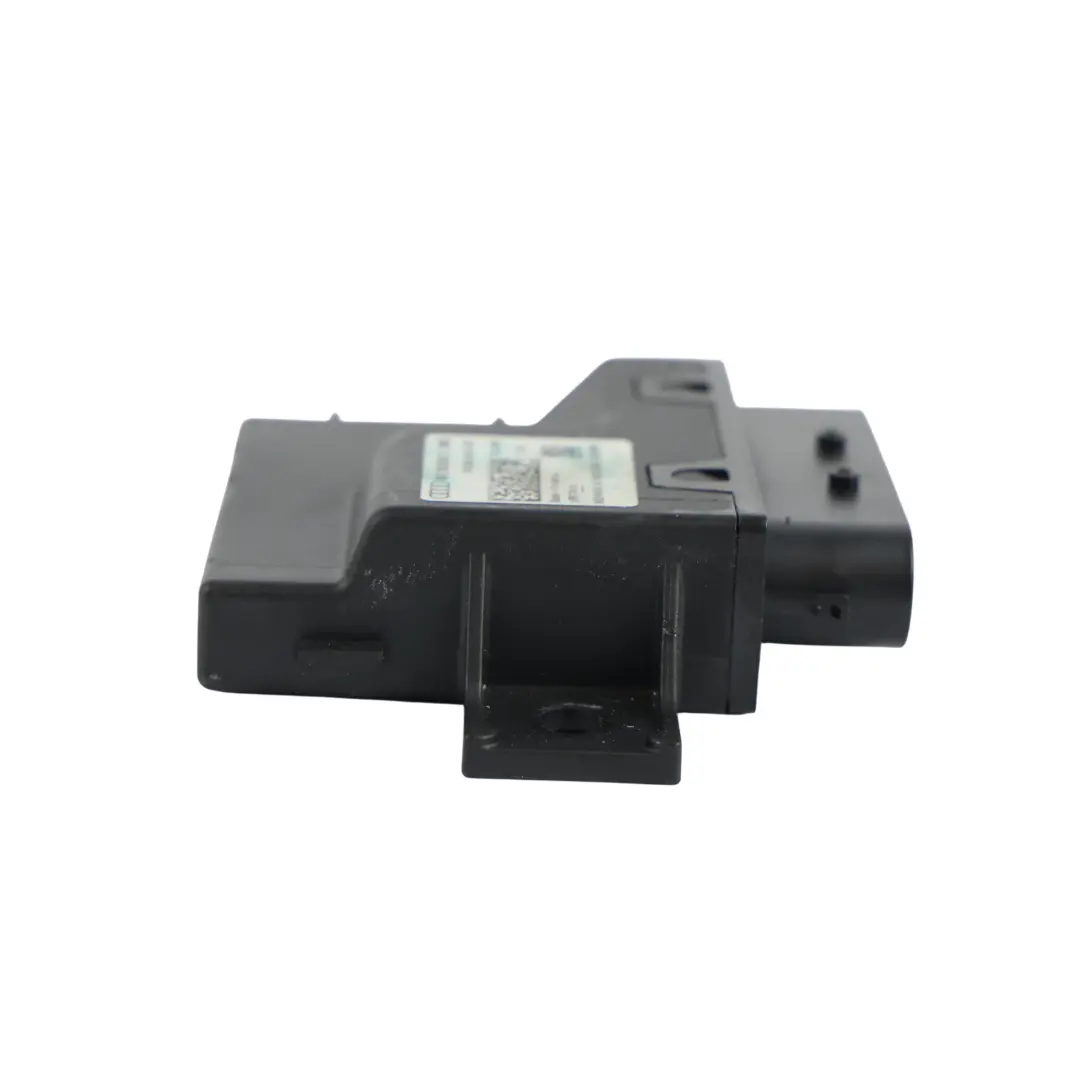
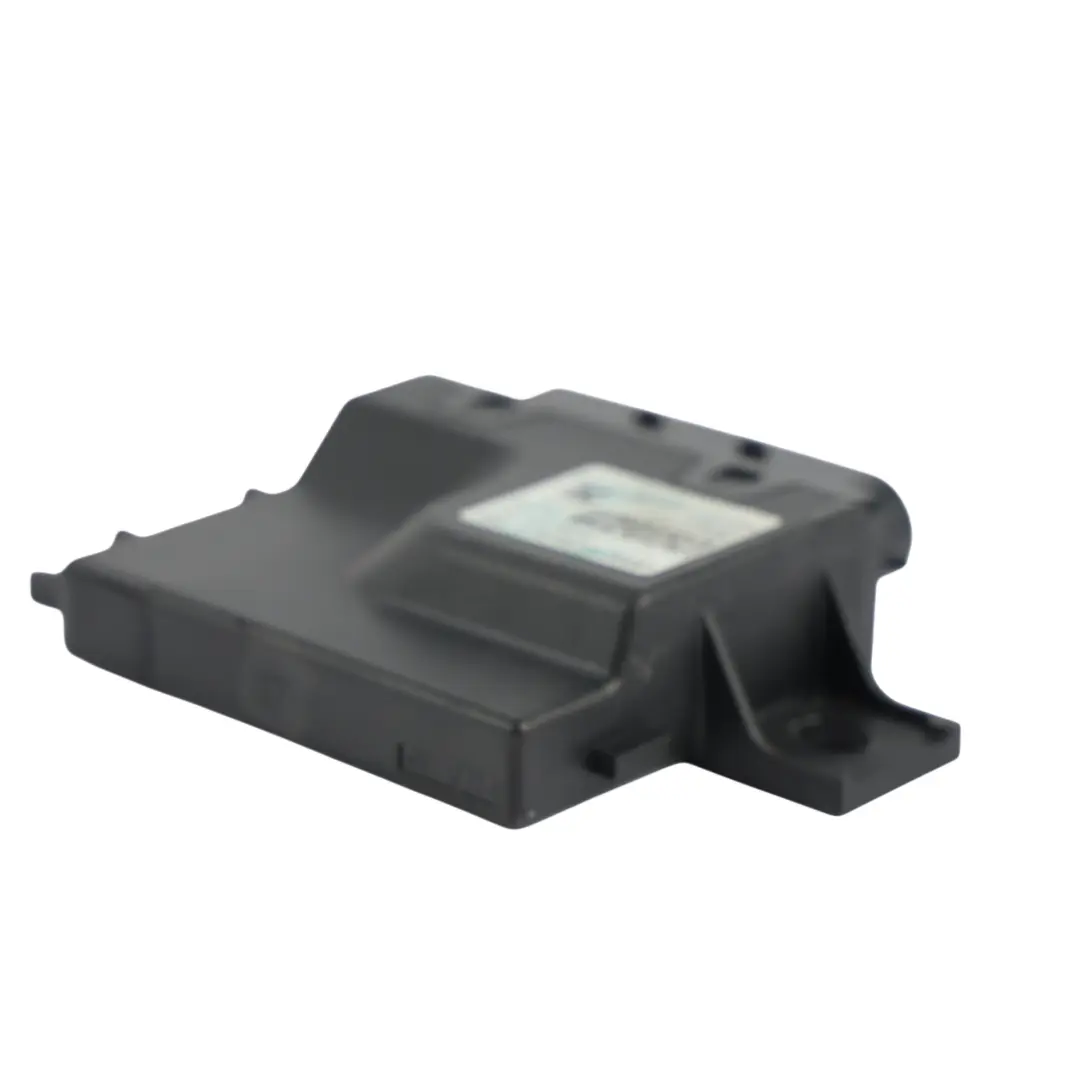
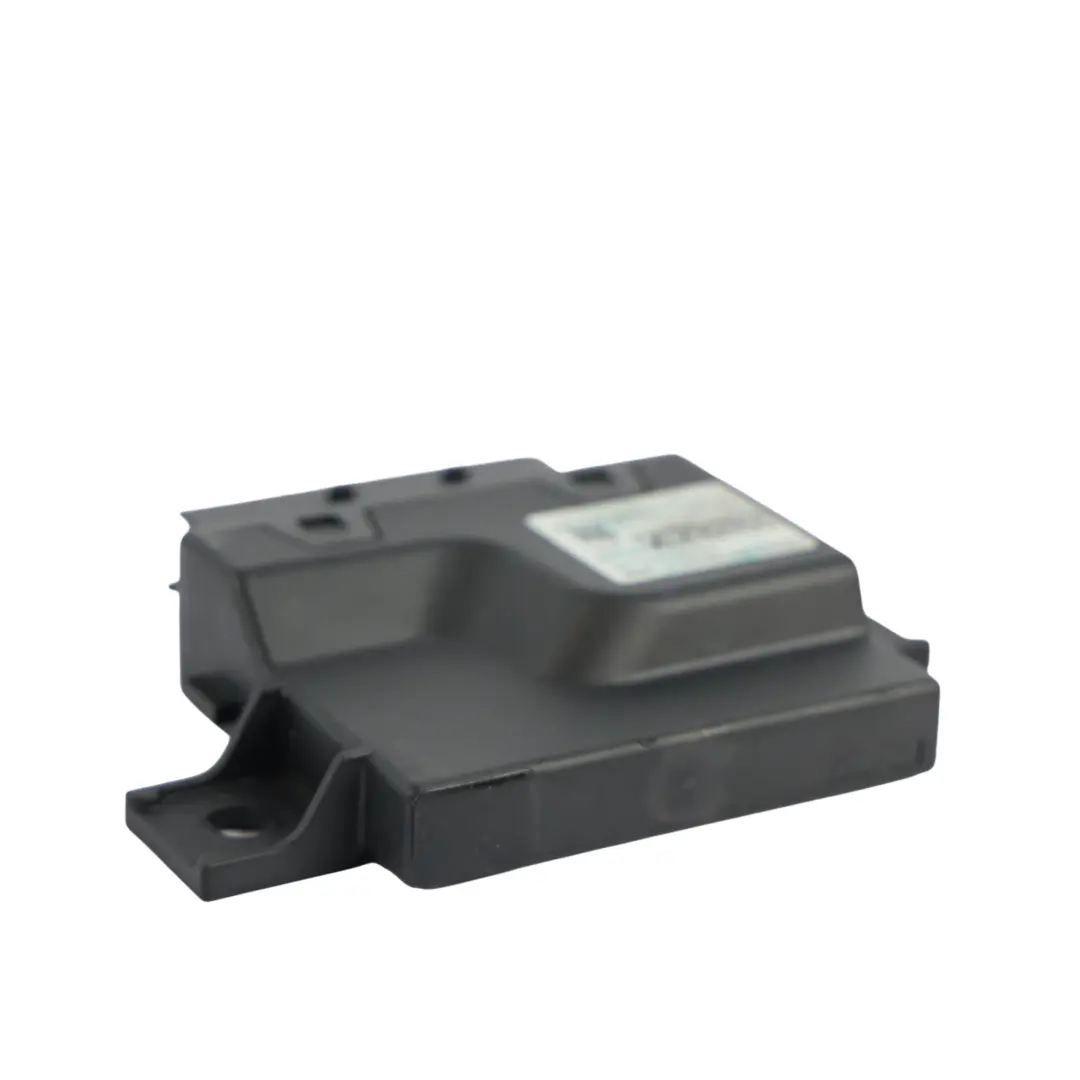
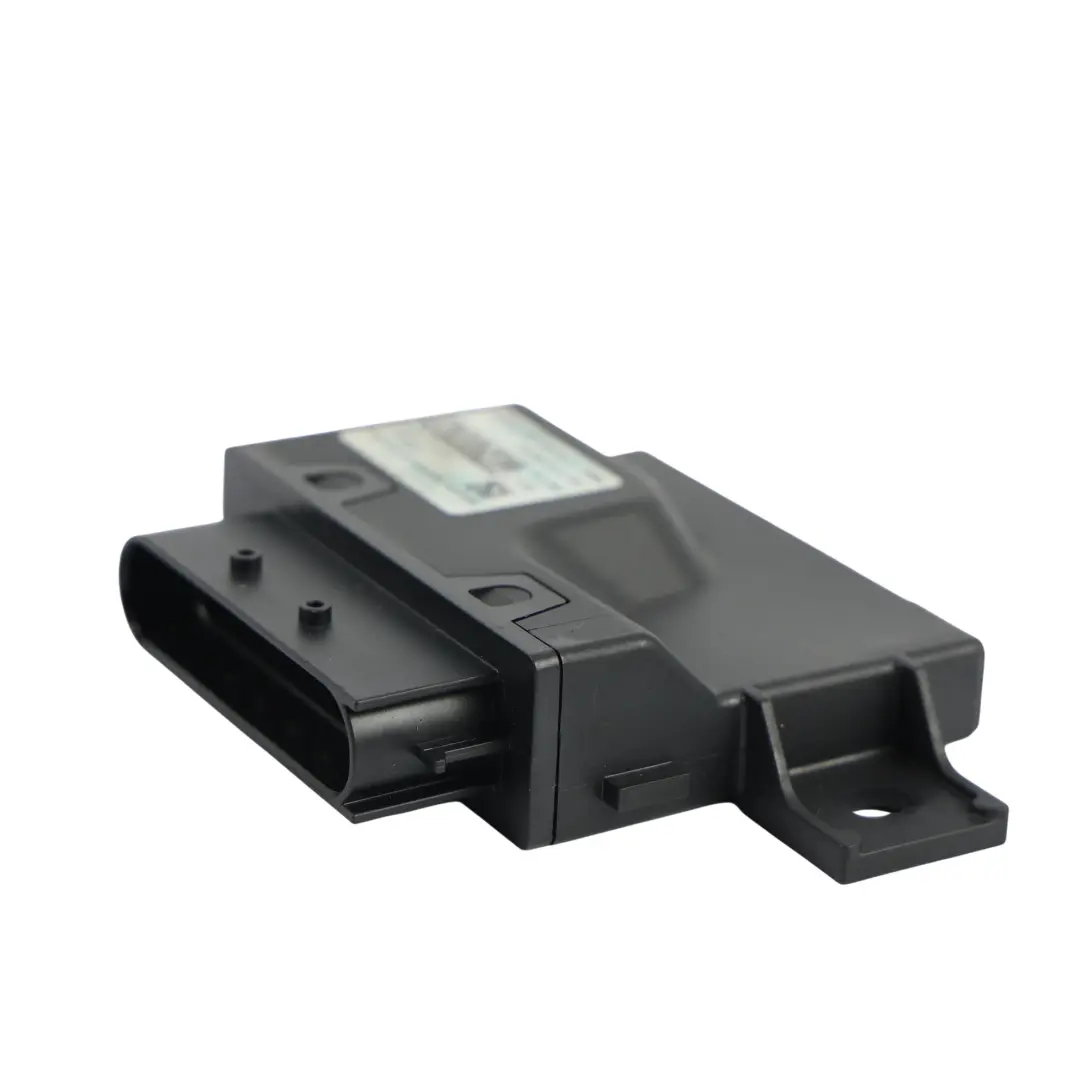
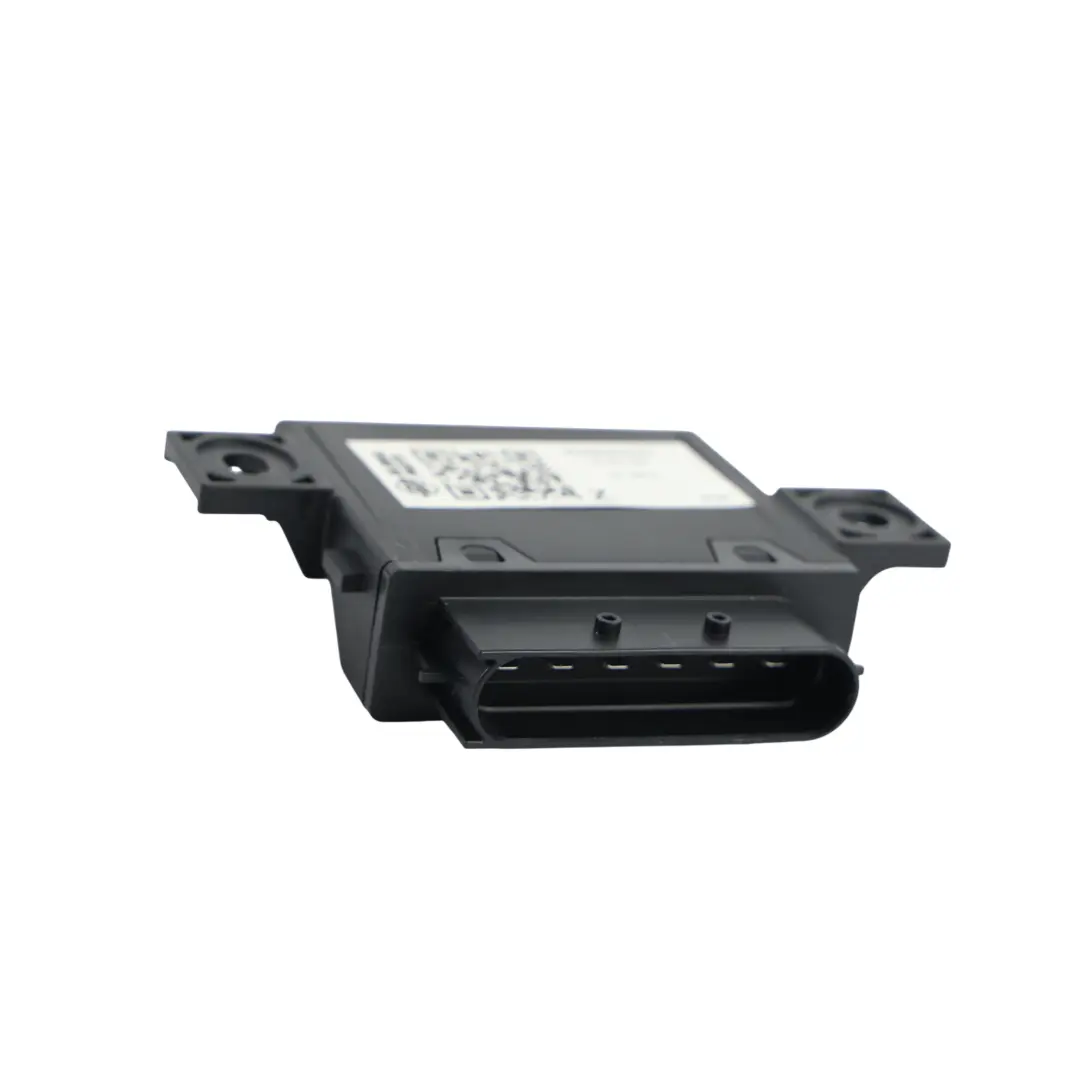
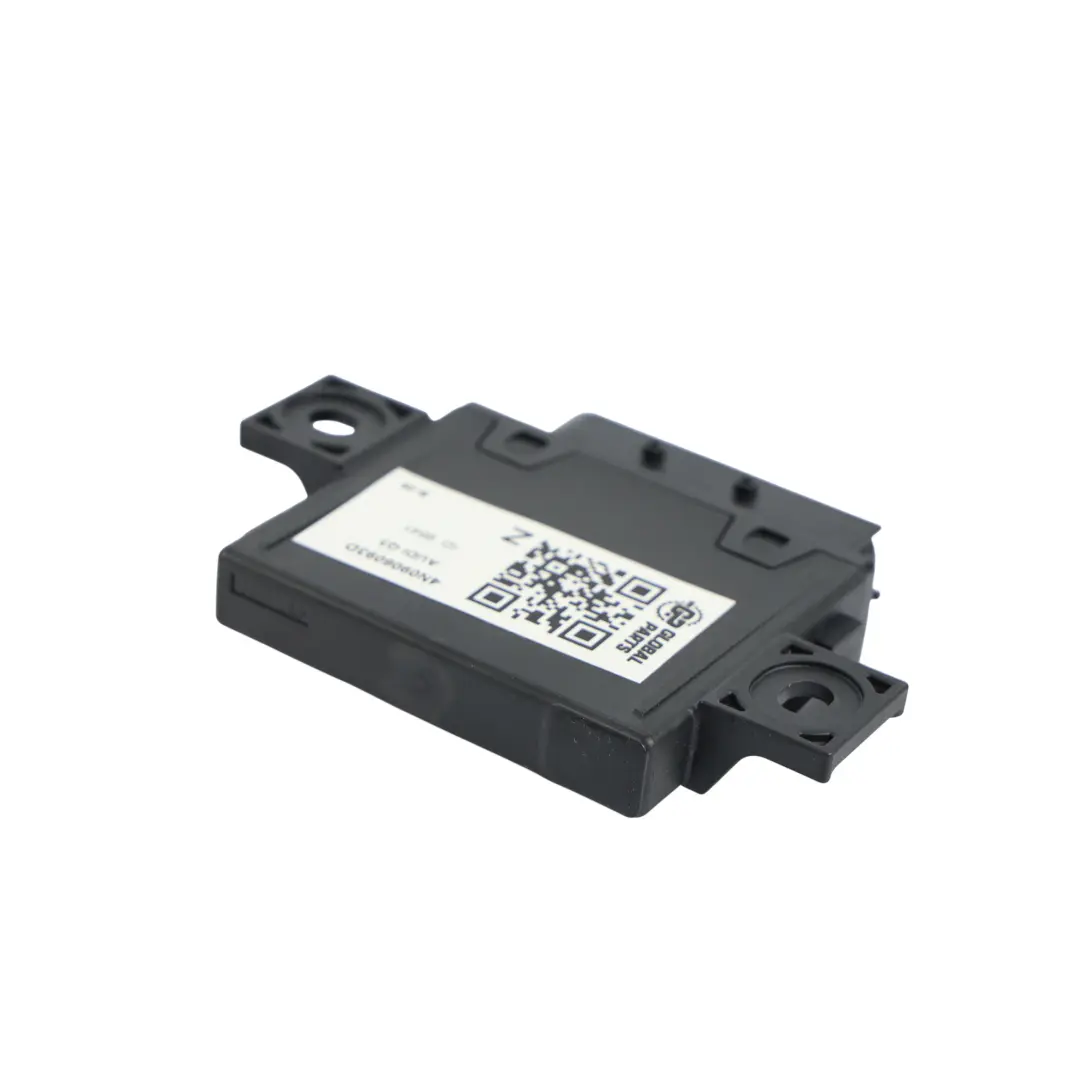
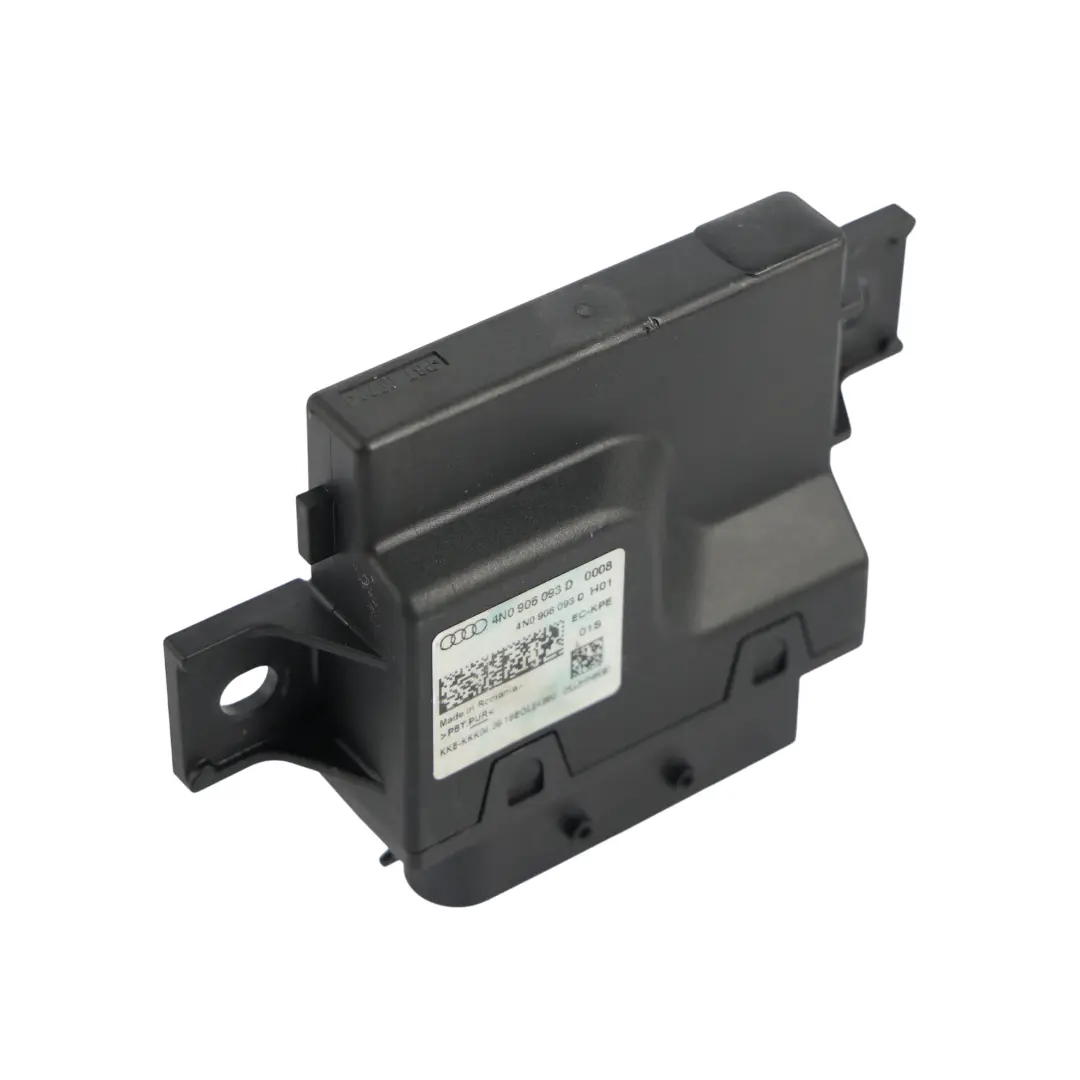
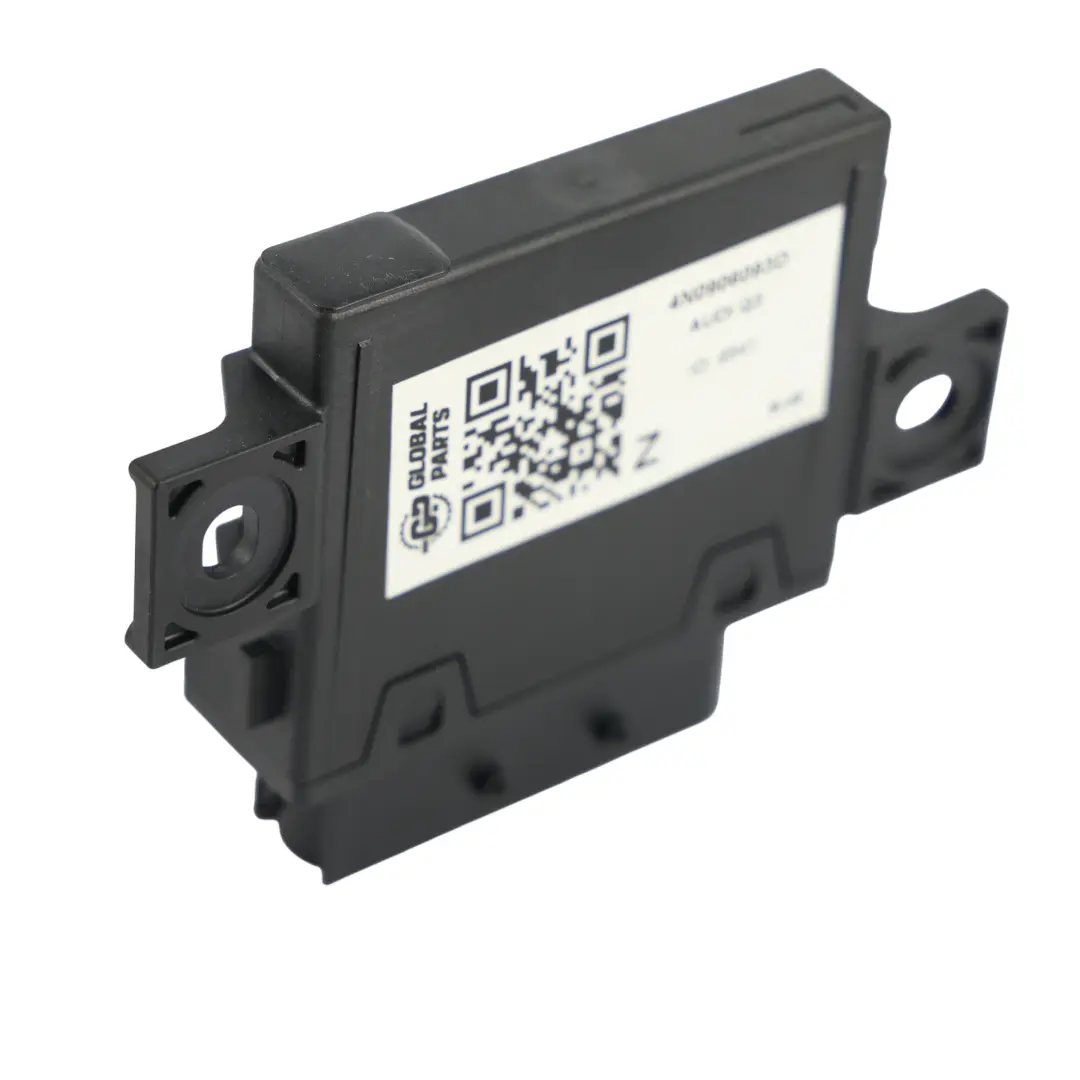
Audi Q3 F3 Fuel Pump Control Module ECU 2.5 Petrol DNWA 4N0906093D
SKU: 4N0906093D
Product from a certified dismantling facility
Condition:
Used
Available:
0
Delivery time:
Product currently unavailable
Payment methods:








Returns:
60 days return for UK 30 days return for other countries
Delivery from:
£0.00
This part is currently not available. Leave your email and we will notify you when the product is available again.
Audi Q3 F3 Fuel Pump Control Module ECU 2.5 Petrol DNWA is a specialized component from the Electronic control modules and controllers category, designed for precise management of the fuel pump in a petrol engine. A properly selected controller ensures stable engine power supply, supports smooth operation of the injection system, and helps maintain the vehicle's correct operating parameters. This is a solution for users who expect proven electronics matched to the specifics of the 2.5 DNWA engine.
Specifications and technical data
- SKU: 4N0906093D
- Mark: Audi
- Condition: Used
- OEM Part Number: 4N0906093D
- Substitutable numbers: 4N0906093D, 4N0 906 093 D
- Fuel type: Petrol
- Category: ECUs & Computer Modules
Purpose and function of the fuel pump controller
The presented module belongs to the Electronic control modules and controllers group and is responsible for controlling the fuel pump in a petrol system. Its task is to adjust fuel pressure and flow to the current engine load, which translates into stable operation of the powertrain, correct throttle response, and reduced risk of mixture leaning or enrichment. In the case of modern petrol units, such as the 2.5 DNWA engine, a properly functioning fuel pump controller is crucial for:
- maintaining appropriate fuel pressure across the entire RPM range,
- cooperation with the ECU engine control system,
- reducing irregularities during cold and warm starts,
- limiting power drops resulting from insufficient fuel supply.
Benefits of using an original Audi module
The module has been designed for Audi vehicles, which means it is matched to the factory electrical architecture and control software. Using an original solution allows for maintaining communication consistency within the vehicle network, minimizes the risk of diagnostic errors, and facilitates configuration using standard service tools. The most important advantages of this controller include:
- dedicated design for the petrol unit, ensuring compatibility with the engine's operating characteristics,
- fuel pump control logic designed for a specific model,
- possibility of integration with the existing wiring harness without the need for installation modifications.
Technical characteristics and fuel type
The module works with a fuel system based on petrol, which is important when selecting parts for vehicles with different engine variants. The control electronics are prepared to operate in an environment typical for the engine bay or the area around the fuel tank, taking into account the variable temperatures and vibrations characteristic of vehicle operation. Proper selection of the controller for the specific engine version and fuel type reduces the risk of problems such as:
- irregular fuel pump operation under high load,
- storing fuel pressure-related errors in the engine control unit memory,
- increased fuel consumption resulting from incorrect dosage control.
Product condition and service application
The offered item is used, which allows for economical repair of the fuel system while maintaining the manufacturer's original specifications. This type of solution is often chosen in situations where the existing controller has suffered electronic damage, shows intermittent operation, or generates errors that cannot be cleared through programming alone. The module will work well both in professional services specializing in the Audi brand and in independent workshops that perform fuel system repairs and vehicle electronics diagnostics. Thanks to the preservation of the factory design, it is possible to use standard assembly and testing procedures after replacement.
Selection, compatibility, and technical support
When selecting a fuel pump controller for an Audi Q3 F3 with a 2.5 DNWA engine, it is crucial to verify compatibility with your vehicle based on catalog data and technical specifications. It is worth considering the powertrain configuration, fuel type, and model generation to avoid communication problems in the vehicle network and system operation errors. If you want to better understand when choosing a used electronic module is justified and how to safely approach the purchase of such components, check out our guide: The second life of electronics – when is it worth choosing used engine controllers, comfort modules, and parking sensors? If you are planning a comprehensive repair or upgrade of the fuel supply area in your Audi and need other elements from the same group, such as pump controllers, control modules, or electronic controllers, check the available parts in the Electronic control modules and controllers Audi category.
Delivery details
Ship to: United Kingdom
Check delivery times for another country
Delivery Price
Service
Postage and packaging
Service
Postage and packaging
Delivery time
Estimated delivery dates include sellers dispatch time, origin postcode,destination postcode and time of acceptance, and will depend on the postage service selected and receipt of cleared payment. Delivery times may vary, especially during peak periods.
Will usually dispatch within same working day if paid before 14:00 BST (excludes weekends and holidays). Expected dispatch time may vary and is based on sellers order cut-off time.
In the automotive store Global Parts, we offer fast and secure deliveries for our customers in United Kingdom, ensuring maximum compliance with local service standards. Each order is processed with the utmost attention, guaranteeing a fluid shopping process and a timely delivery. If you need assistance in choosing the right part, our team of consultants will be happy to help you find the right part for your vehicle and provide information on installation, availability and parameters of the selected components.
Proposed car parts:
-15%
Part no. 5QF513049CE
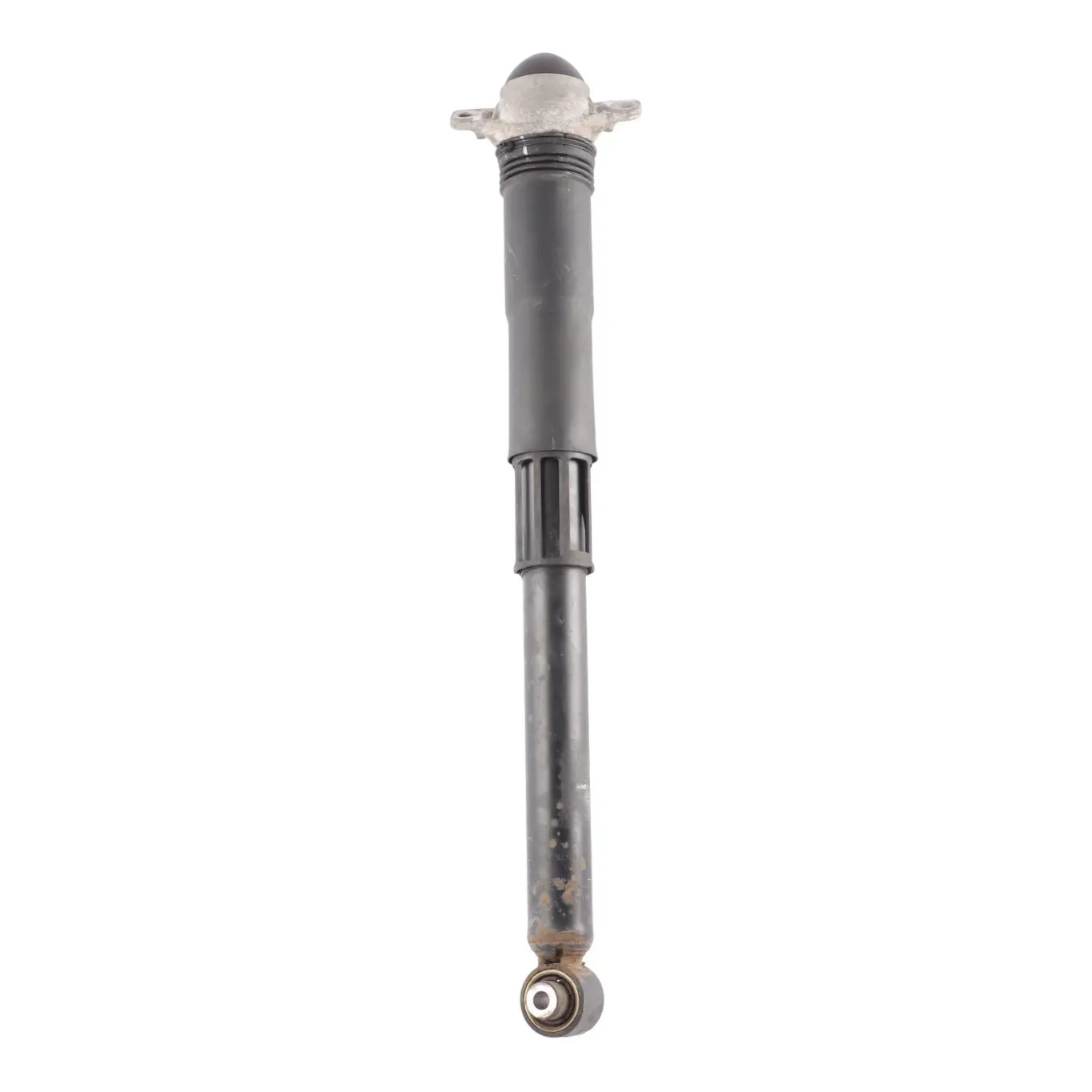
Audi Q3 F3 Shock Absorber Strut Rear Left Right N/O/S 5QF513049CE
Promo price
£56.95
£48.41
Free delivery: Oct 20
If paid before 14:00

-15%
Part no. 83A885806F-1
Audi Q3 F3 Rear Seat Couch Side Fabirc/Leather Soul Black Right O/S 83A885806F
Promo price
£142.95
£121.51
Free delivery: Oct 20
If paid before 14:00
-15%
Part no. 83A880201E
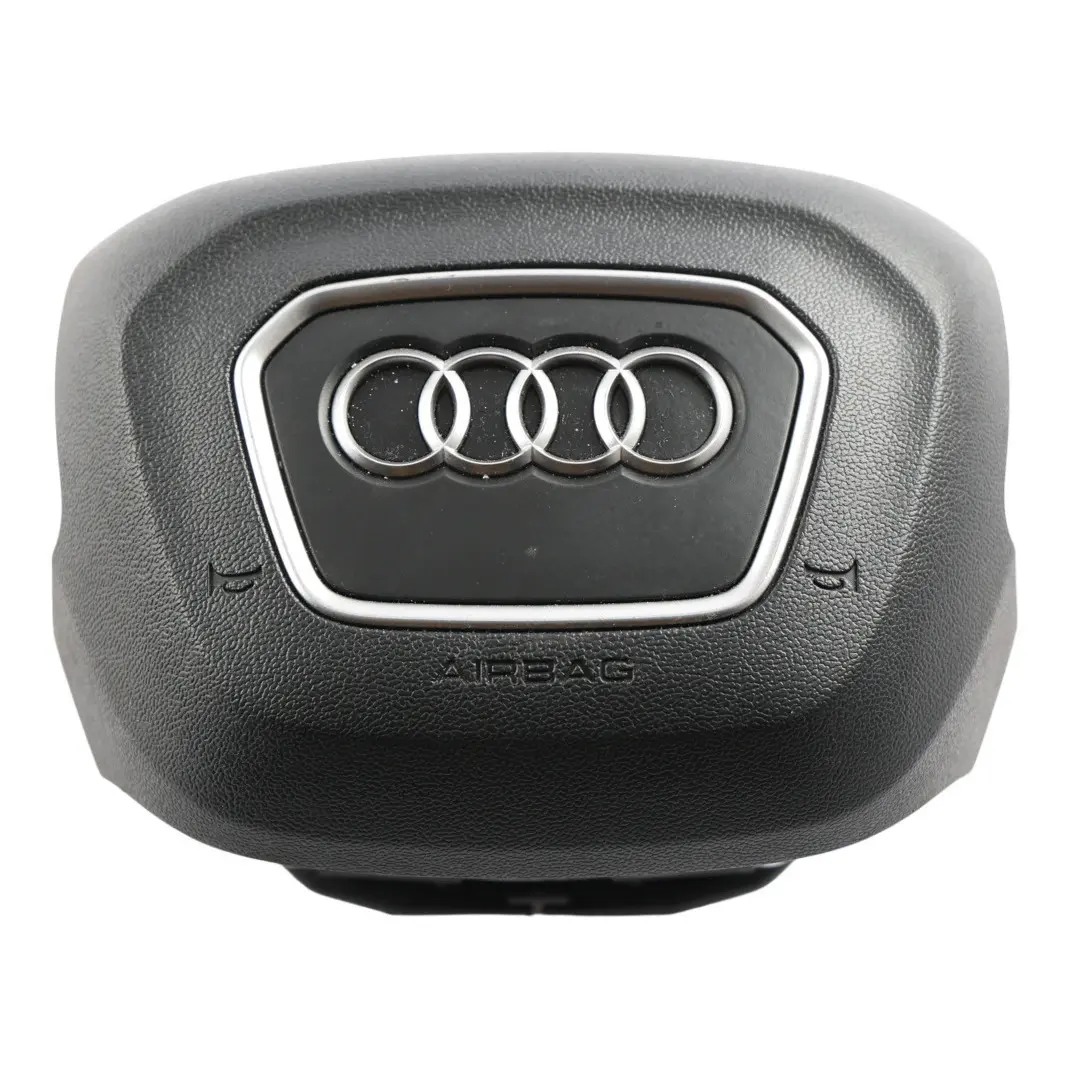
Audi Q3 F3 Steering Wheel Driver Air Module Unit 83A880201E
Promo price
£180.95
£153.81
Free delivery: Oct 20
If paid before 14:00

-15%
Part no. 83A863697
Audi Q3 F3 Boot Trunk Floor Liner Spare Wheel Well Trim Panel Black 83A863697
Promo price
£113.95
£96.86
Free delivery: Oct 20
If paid before 14:00
-40%
Part no. 83A907379
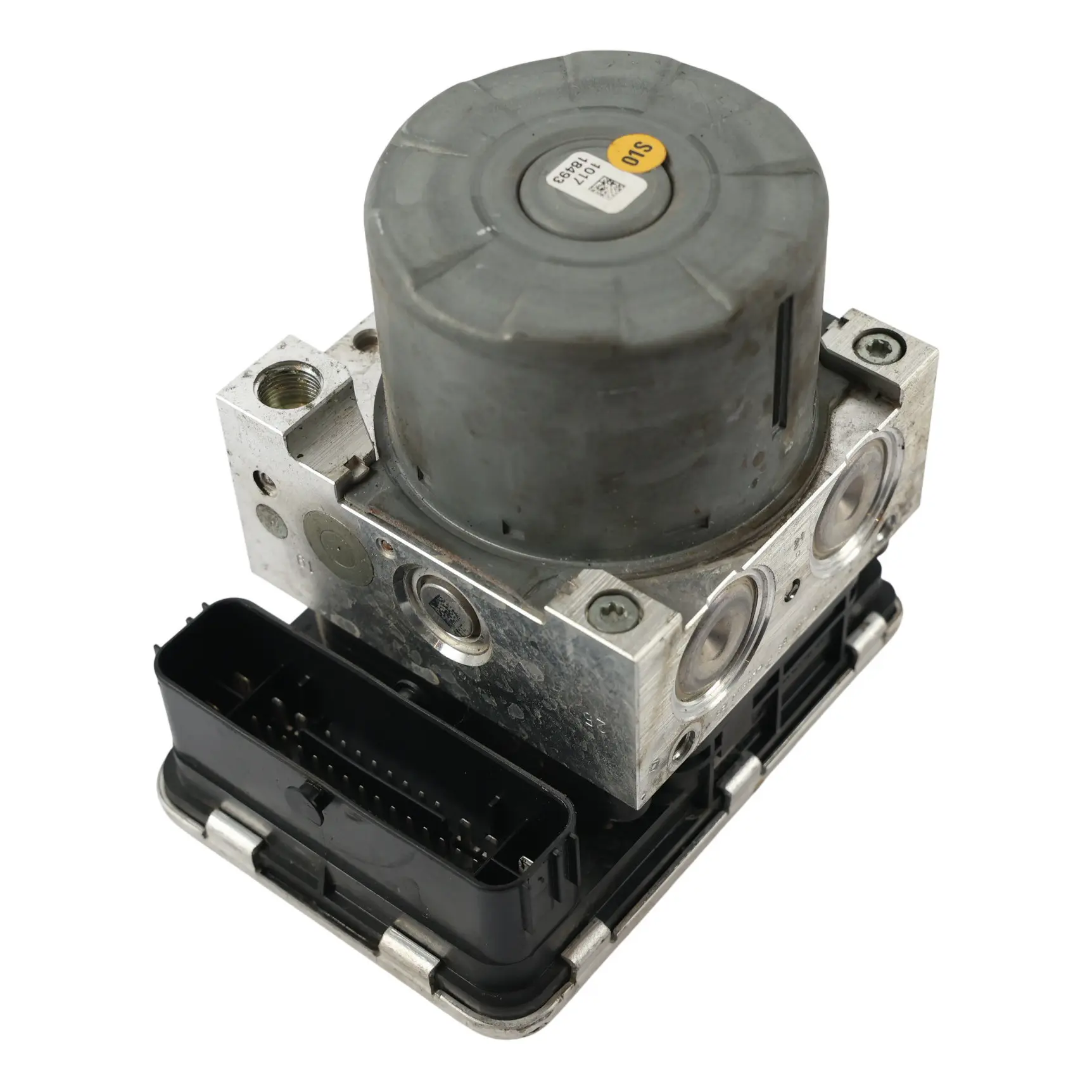
Audi Q3 F3 Brake Pump ABS Module Hydraulic Control Braking Unit 83A907379
Promo price
£142.95
£85.77
Free delivery: Oct 20
If paid before 14:00
-40%
Part no. 5QF505436F
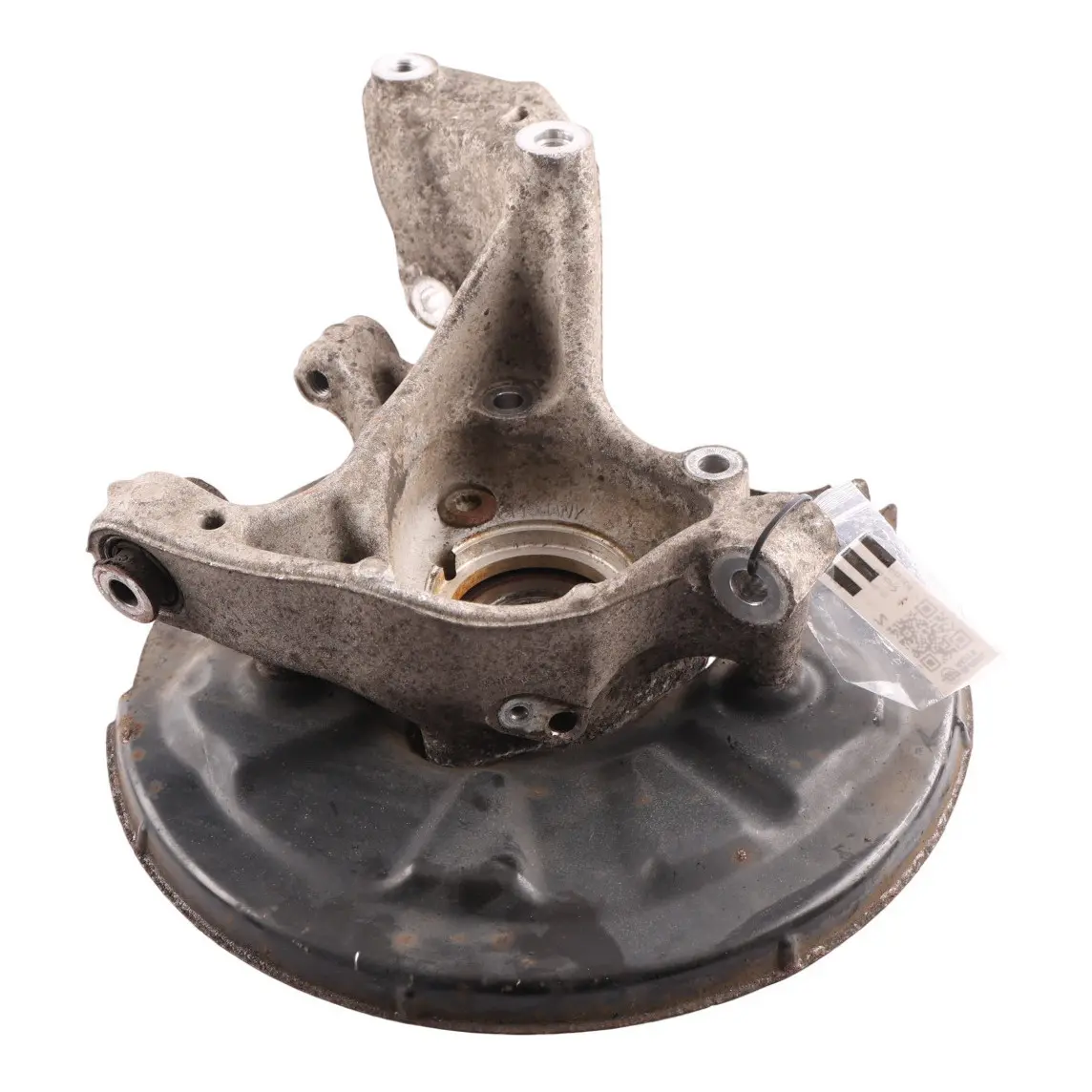
Audi Q3 RSQ3 F3 Rear Wheel Carrier Knuckle Brake Disc Plate Right O/S 5QF505436F
Promo price
£37.95
£22.77
Free delivery: Oct 20
If paid before 14:00
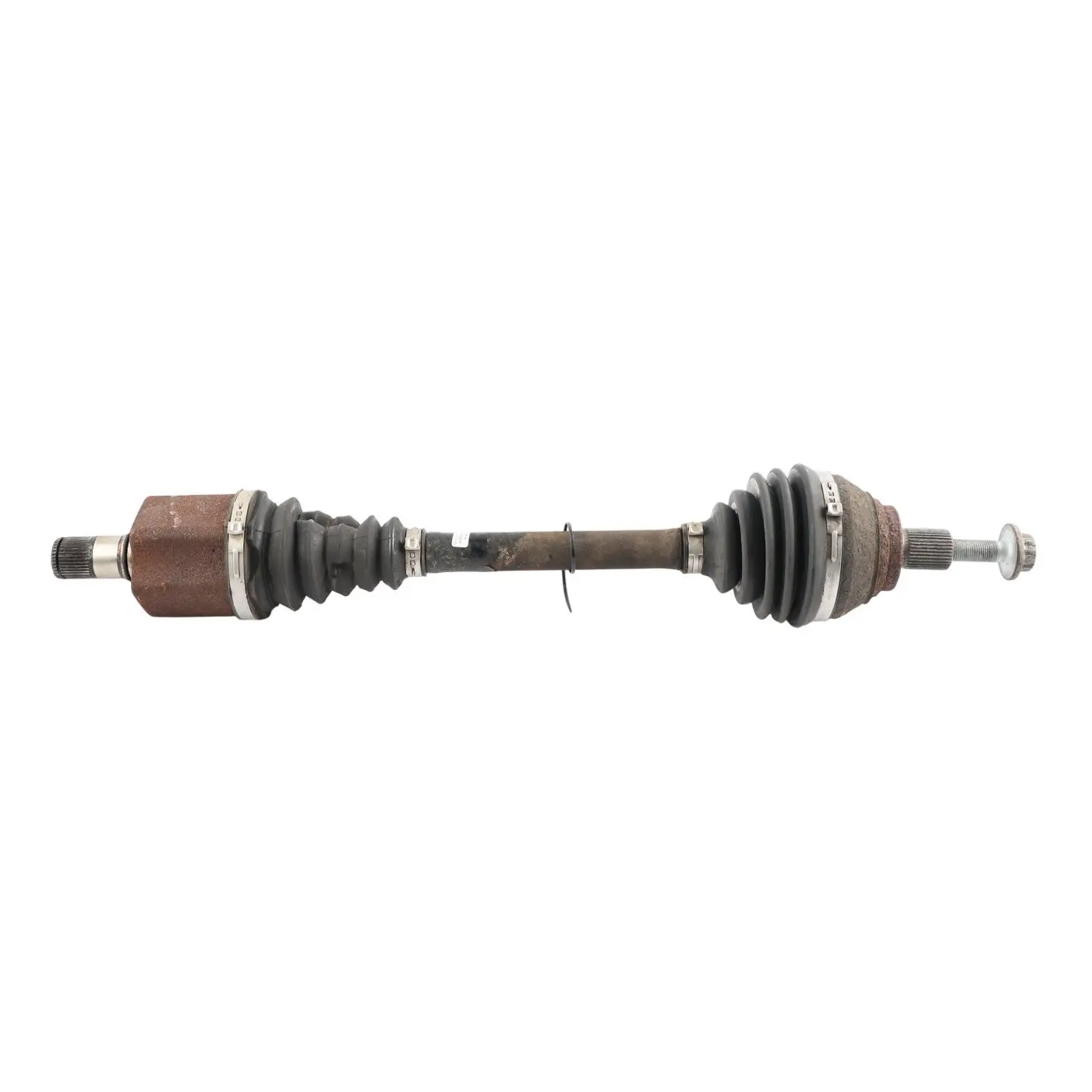
-40%
Part no. 5QF407271K
Audi Q3 F3 VW Volkswagen Tiguan Mk2 Front Axle Driveshaft Left N/S 5QF407272N
Promo price
£113.95
£68.37
Free delivery: Oct 21 – 28
If paid before 14:00
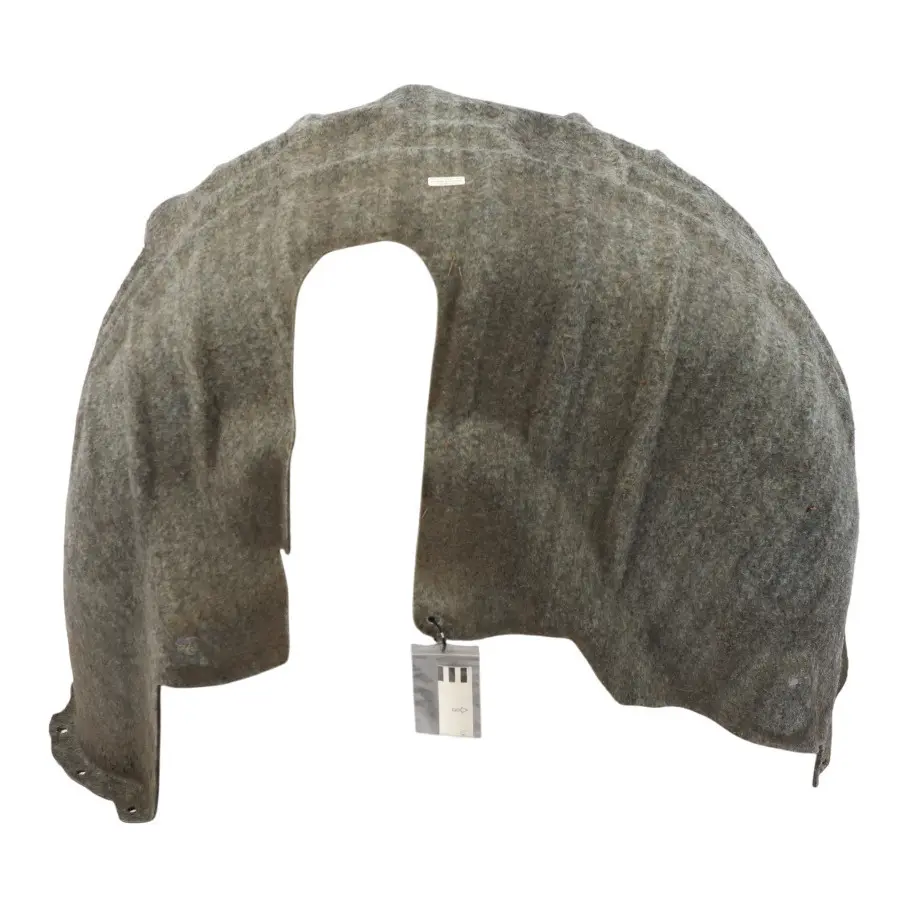
-15%
Part no. 83A810171B
Audi Q3 F3 Wheel Arch Liner Splash Guard Covering Rear Left N/S 83A810171B
Promo price
£104.95
£89.21
Free delivery: Oct 20
If paid before 14:00
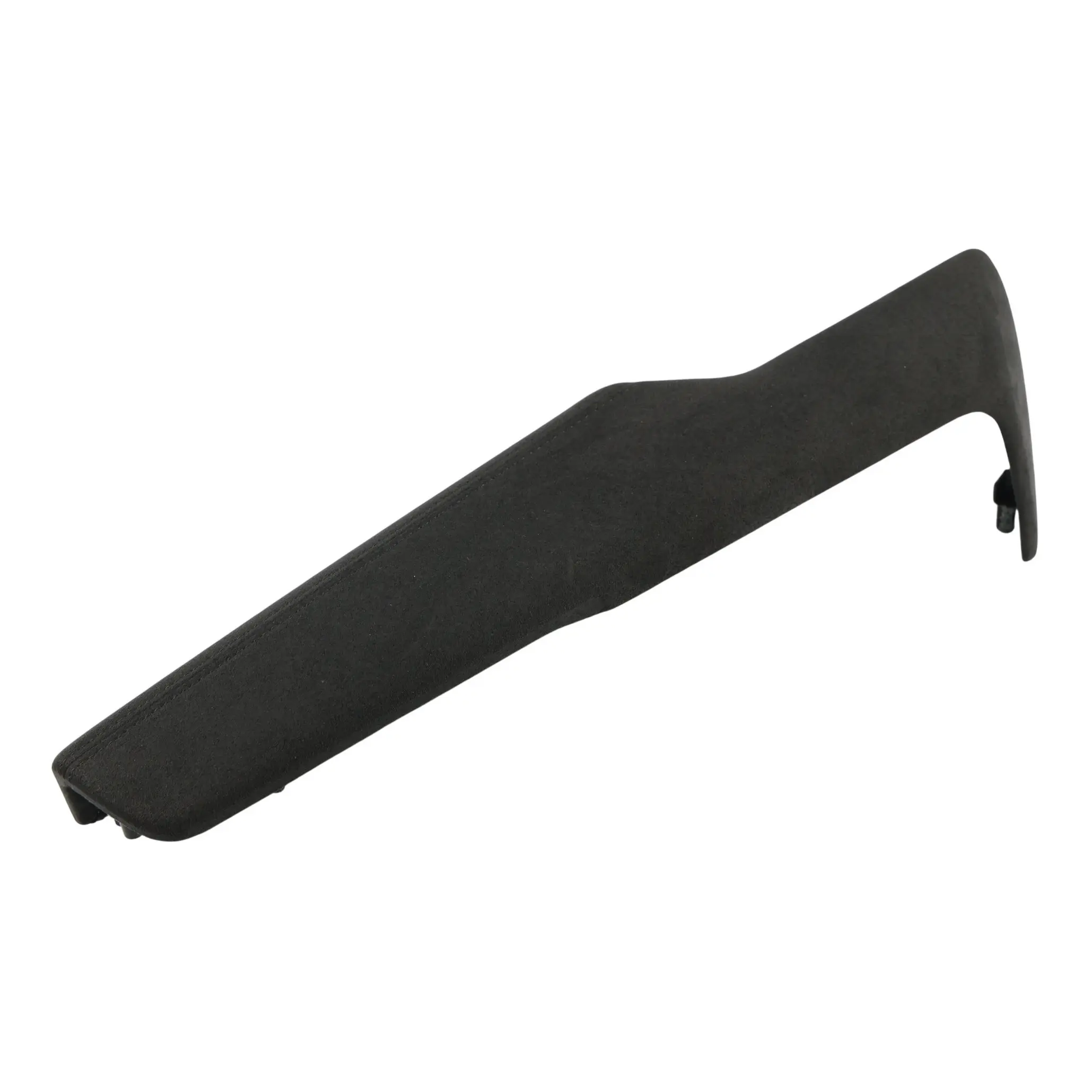
-40%
Part no. 83A867173A-1
Audi RSQ3 Q3 F3 Front Door Armrest Trim Leatherette Black Left N/S 83A867173A
Promo price
£56.95
£34.17
Free delivery: Oct 20
If paid before 14:00
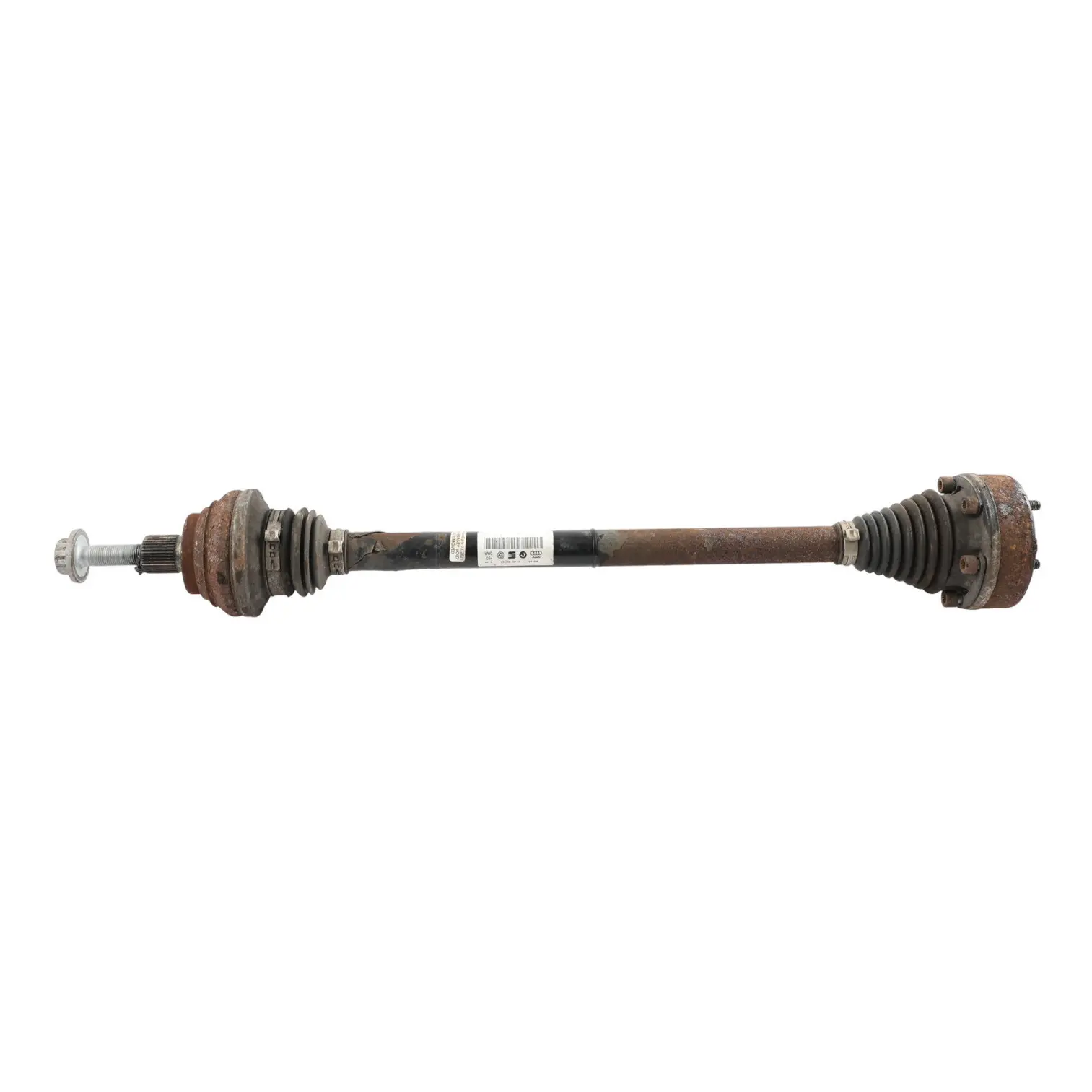
-40%
Part no. 83A501204B
Audi RSQ3 F3 Rear Axle Drive Shaft Right O/S 2.5 TFSI Petrol DNWA 83A501204B
Promo price
£161.95
£97.17
Free delivery: Oct 20
If paid before 14:00
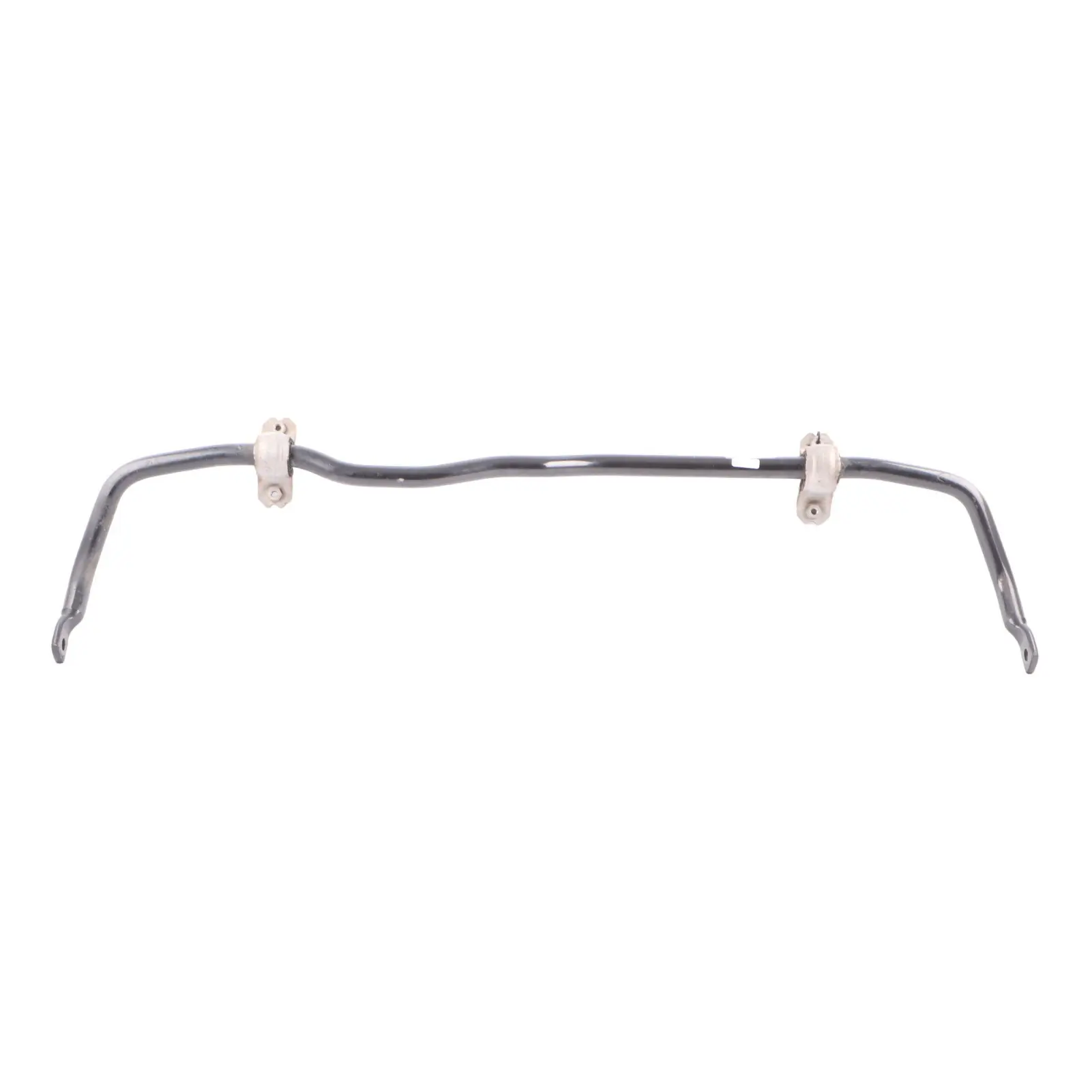
-15%
Part no. 3Q0411303J
Audi RSQ3 F3 2.5 TFSI DNWA Front Antiroll Bar Stabilizer Sway Link 3Q0411303J
Promo price
£113.95
£96.86
Free delivery: Oct 20
If paid before 14:00
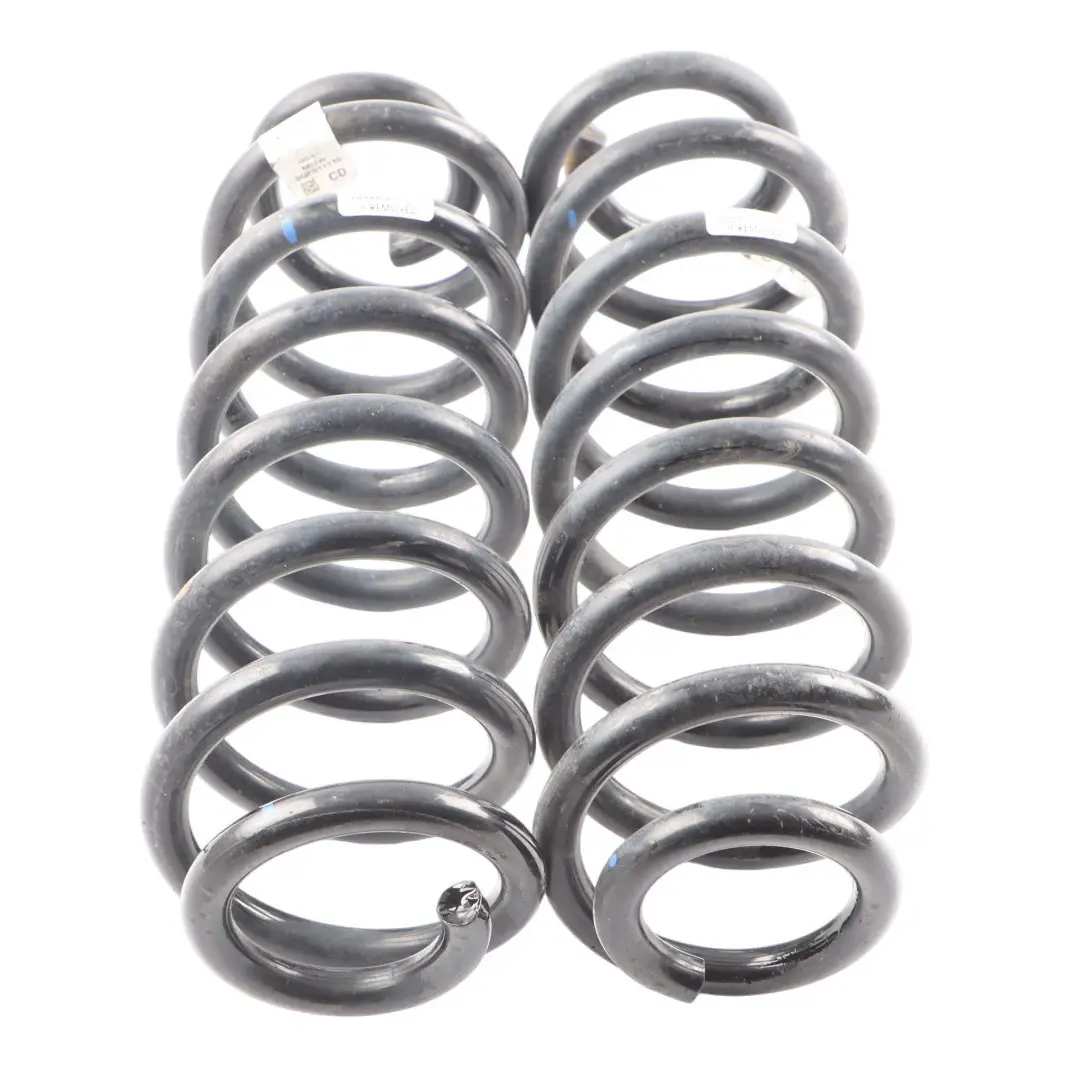
Part no. 5QF511115CD
Audi RSQ3 F3 Rear Axle Suspension Spring Coil Left Right N/O/S Set 5QF511115CD
£32.95
Free delivery: Oct 20
If paid before 14:00