


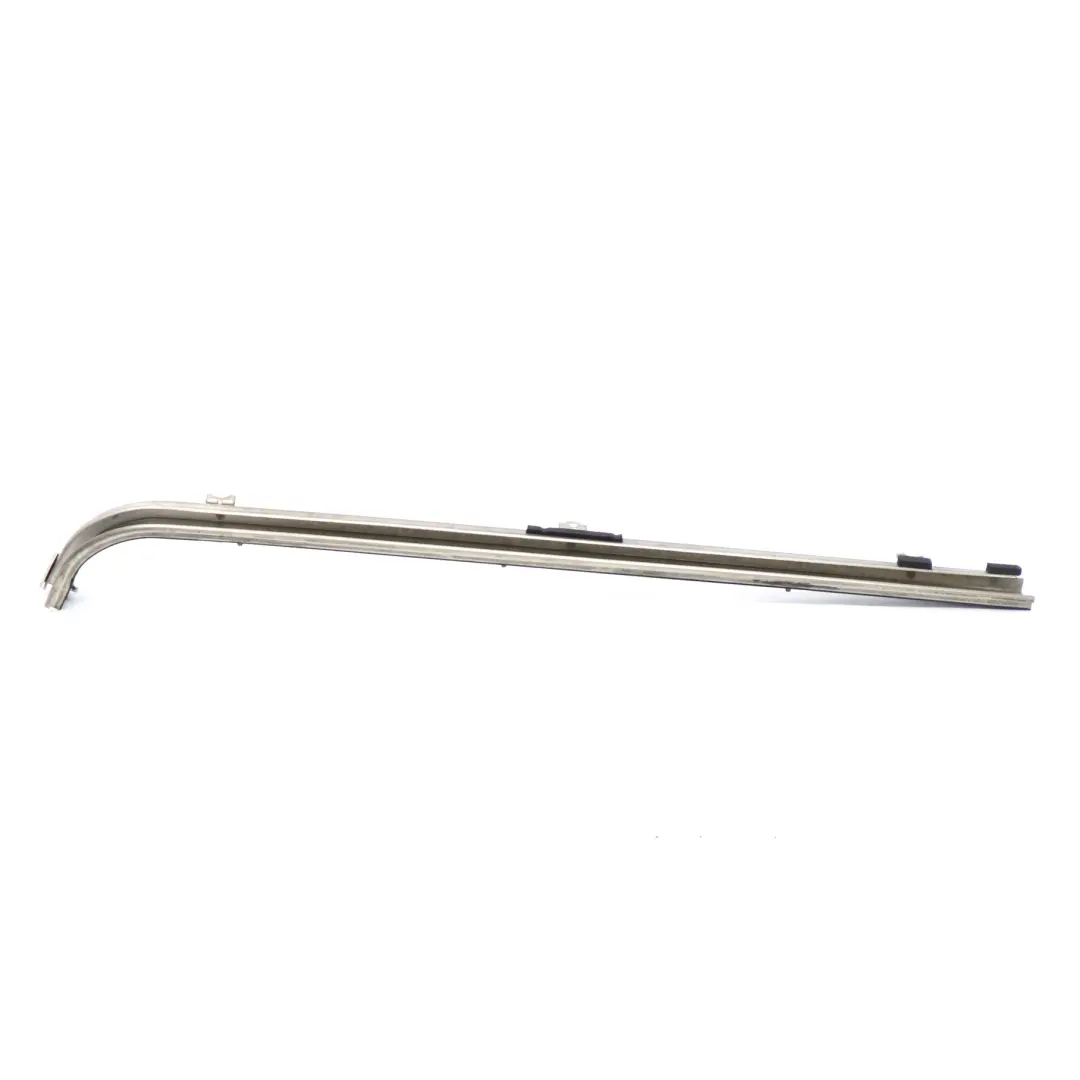
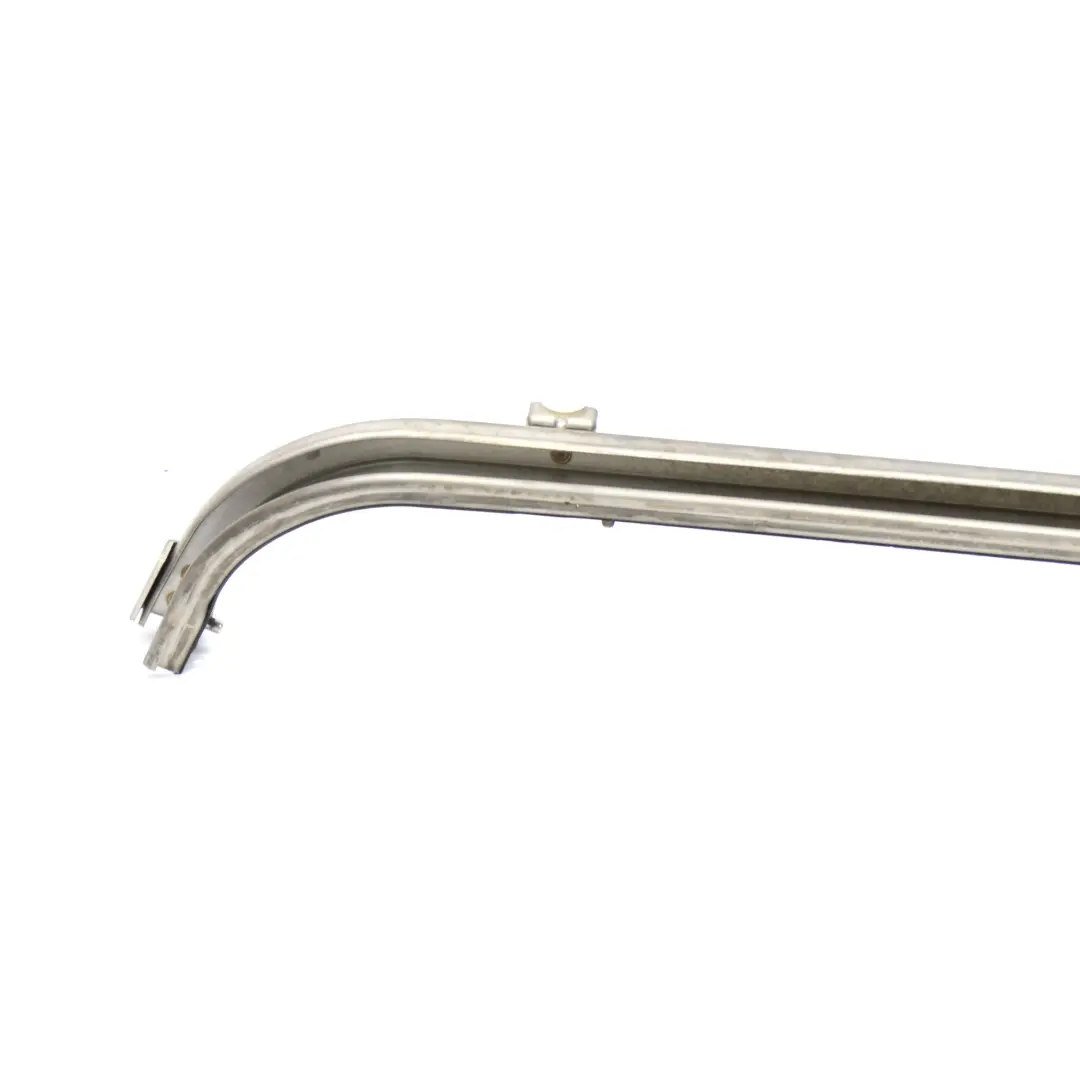
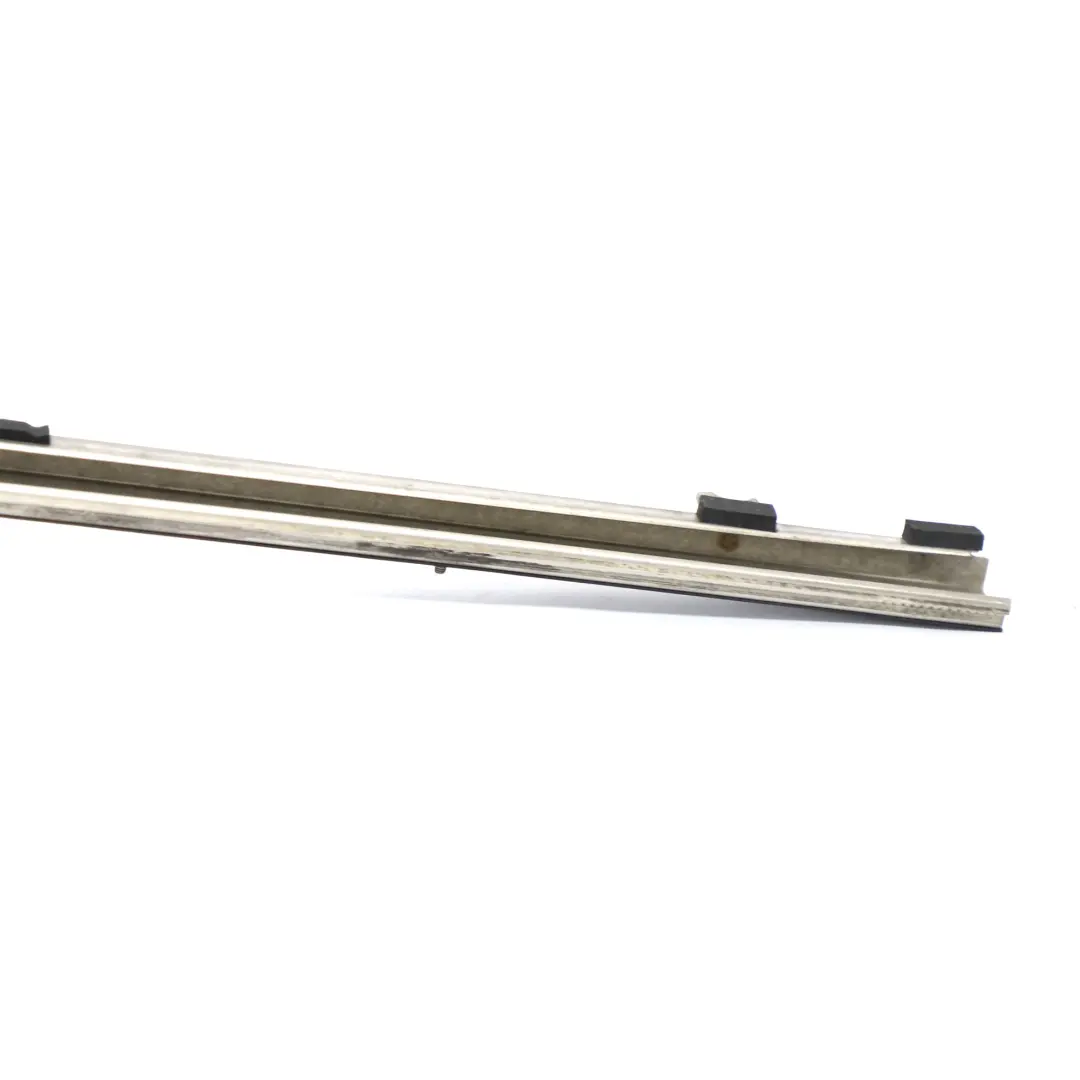
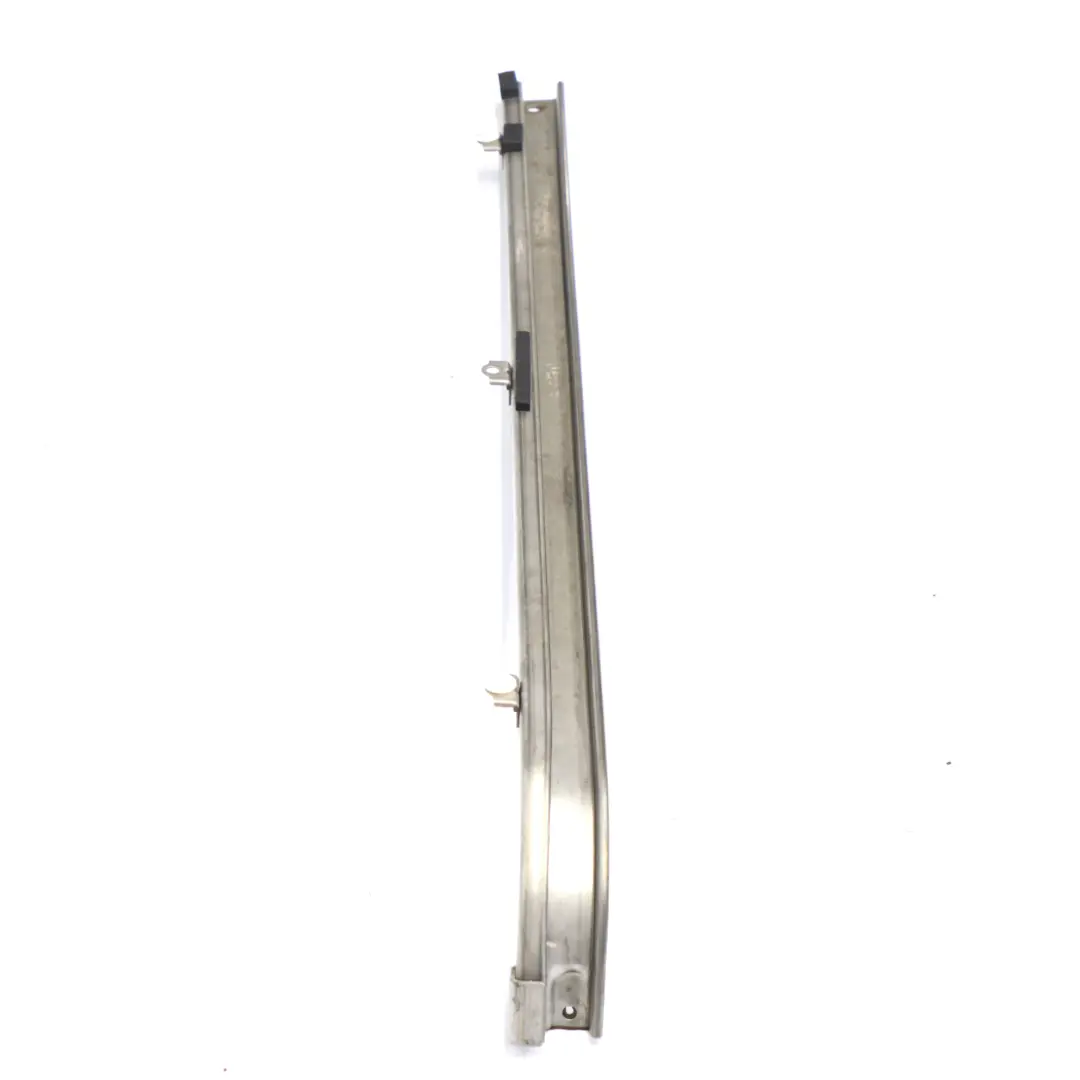
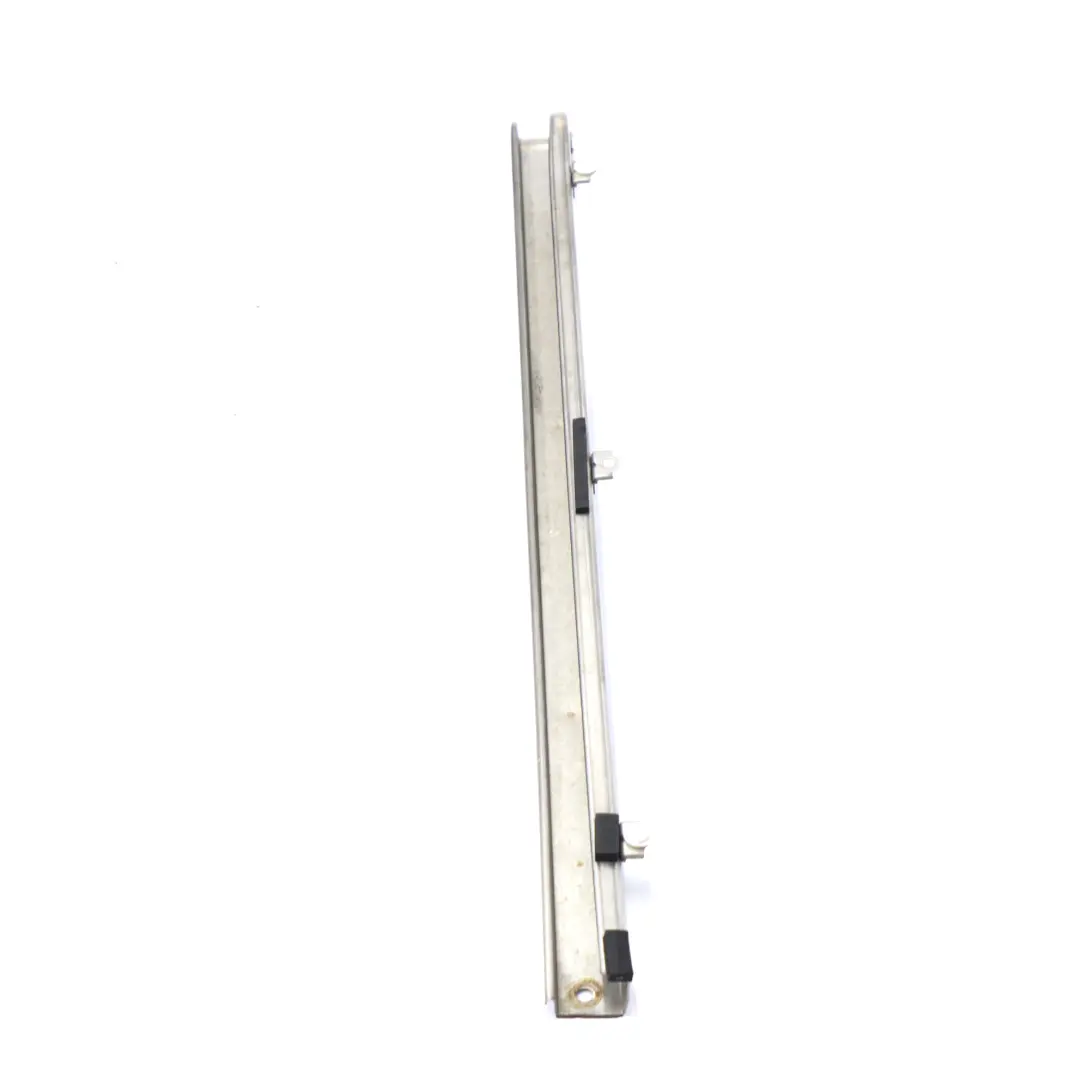
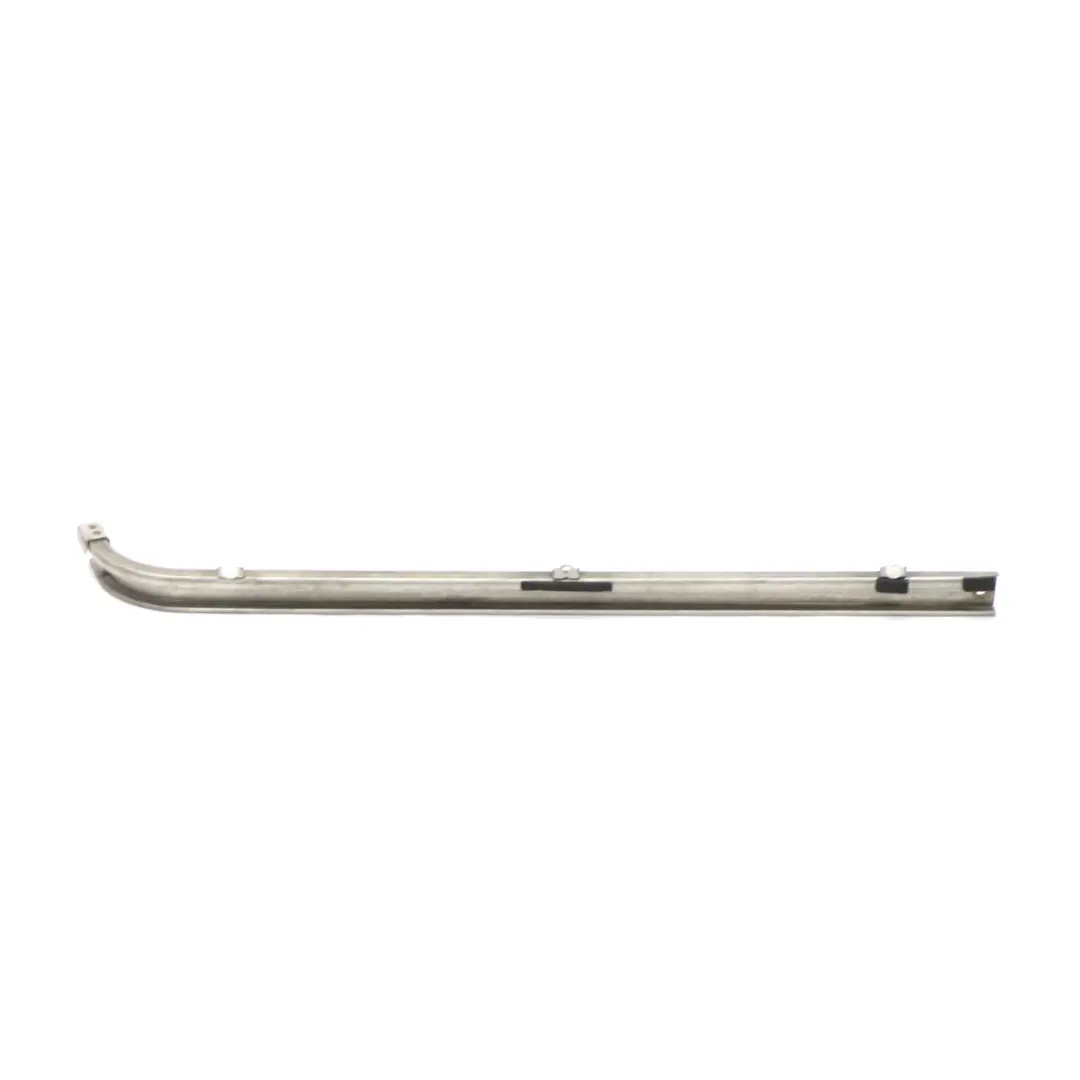
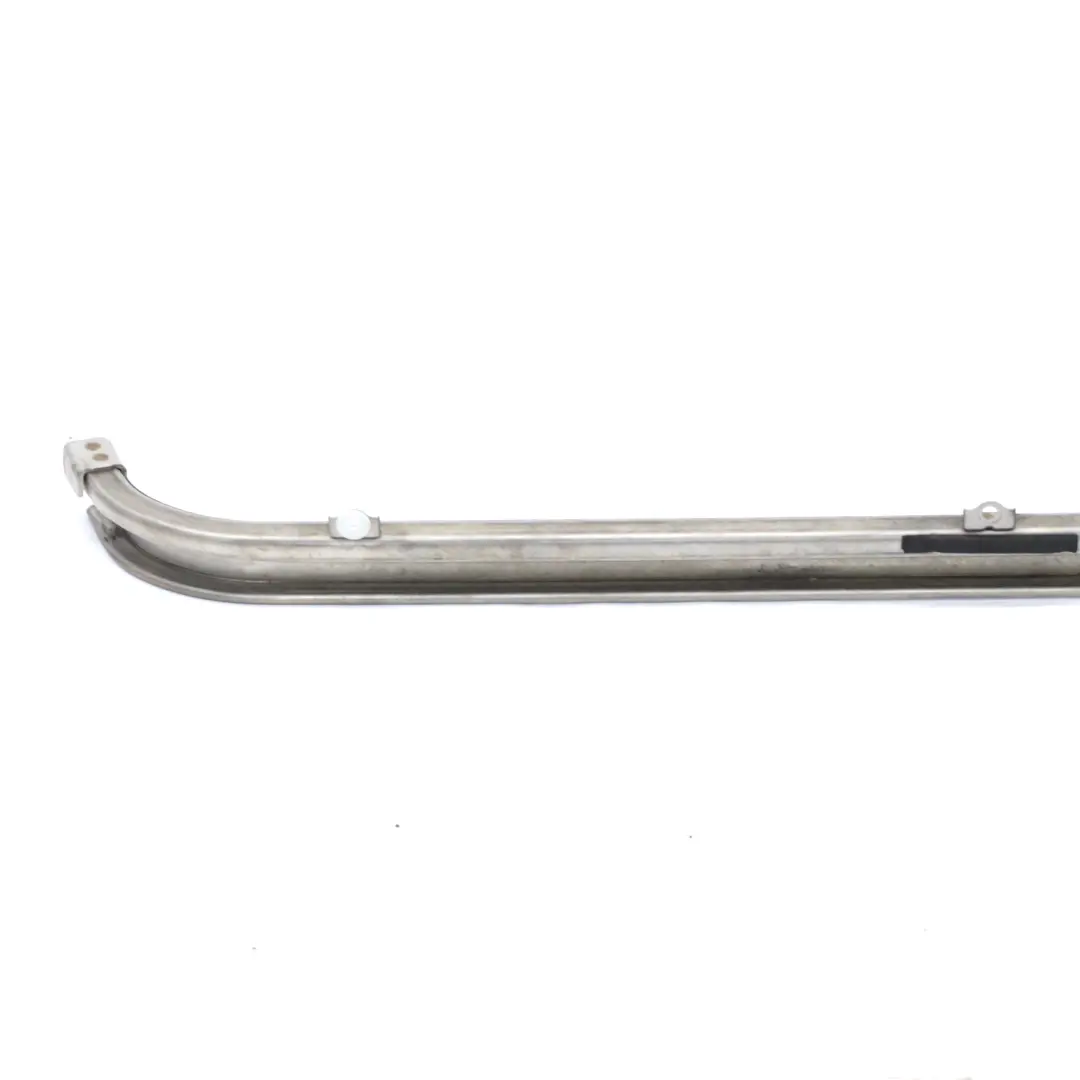
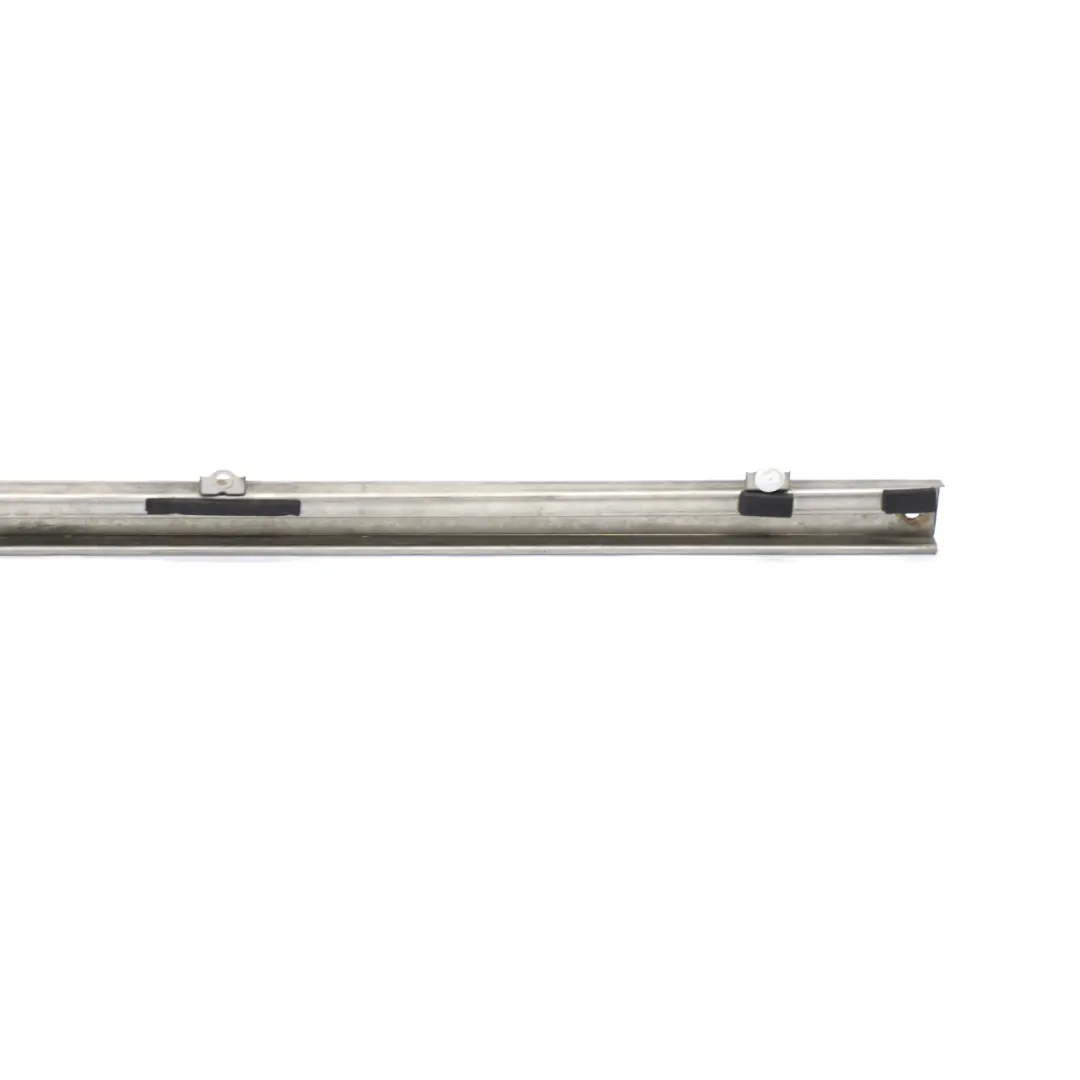
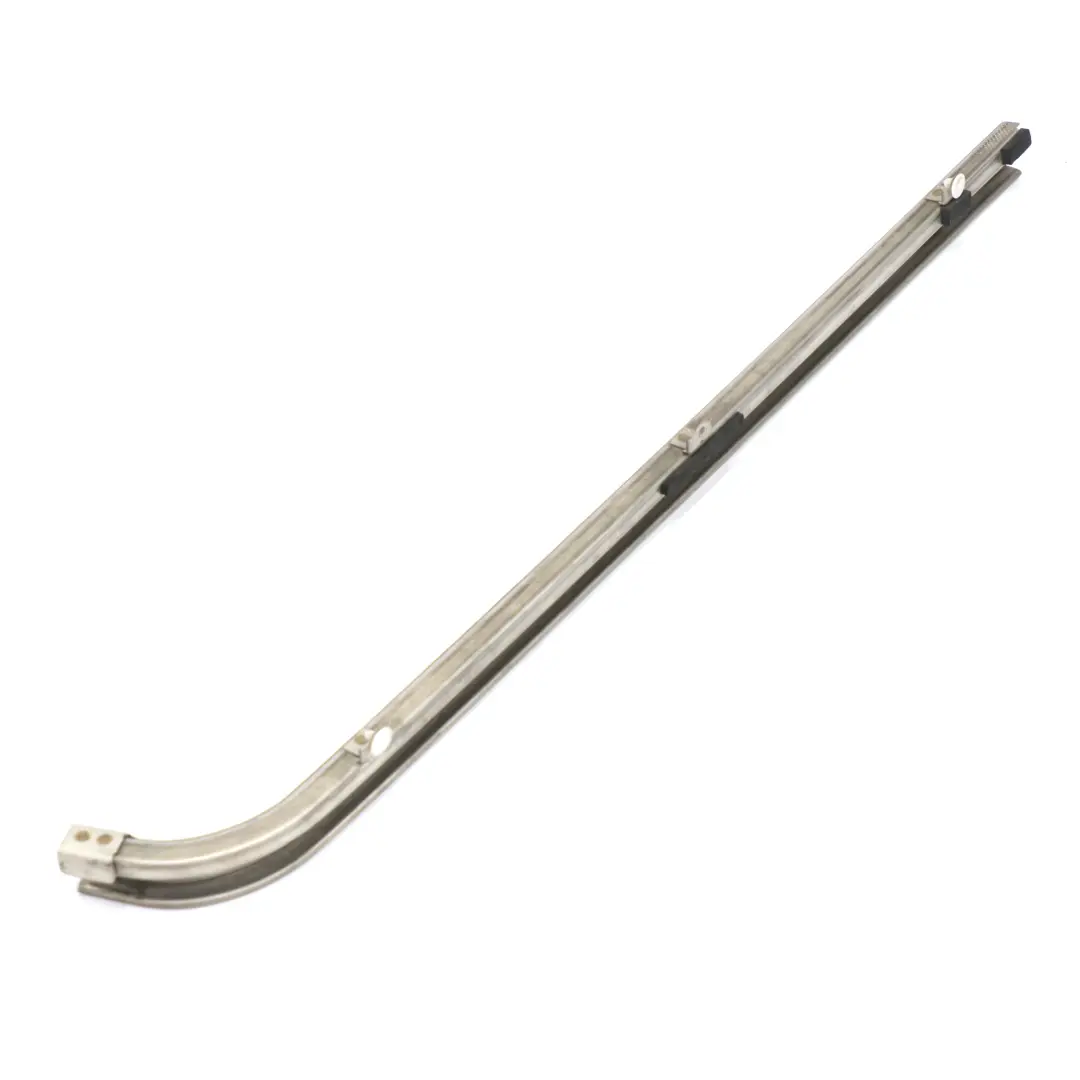
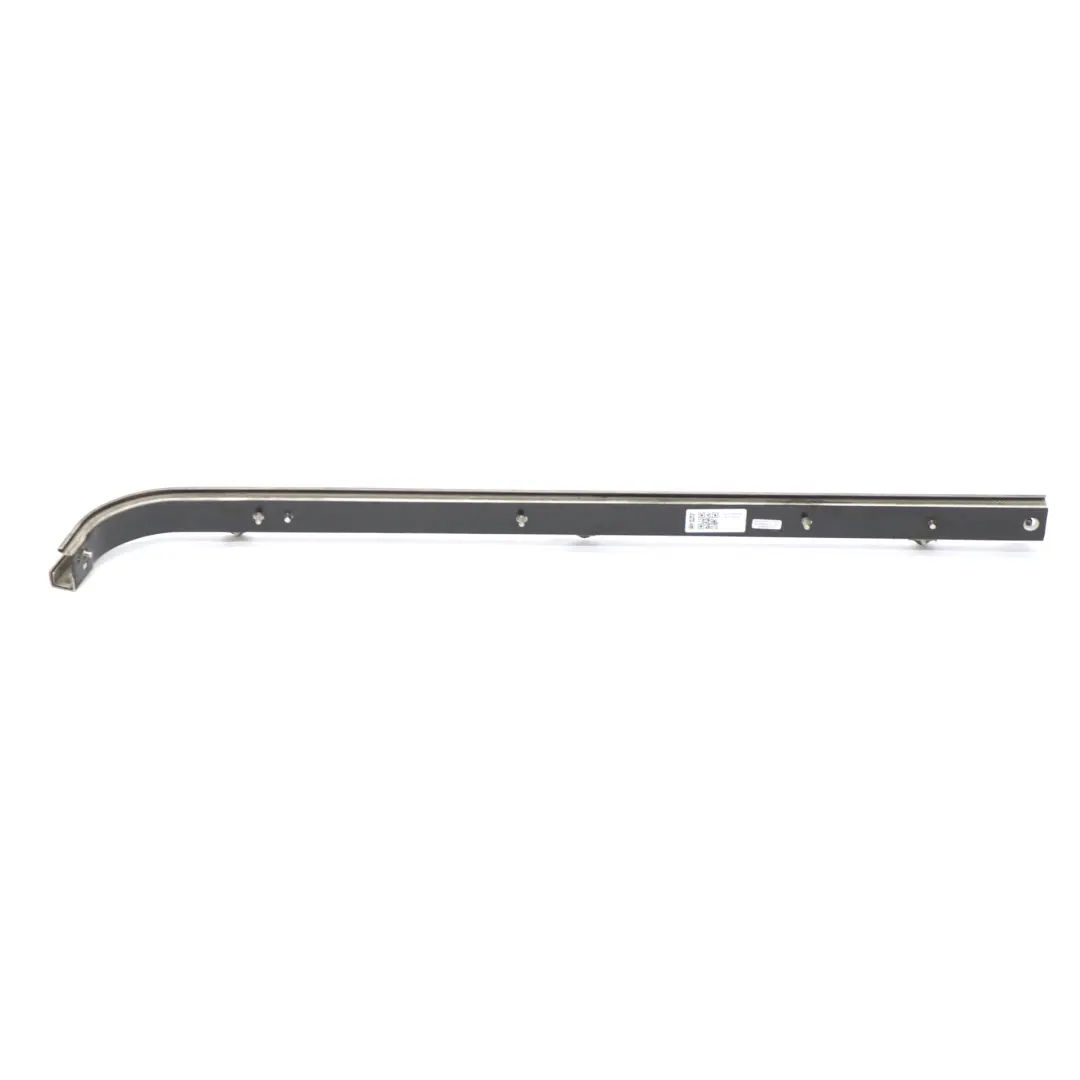
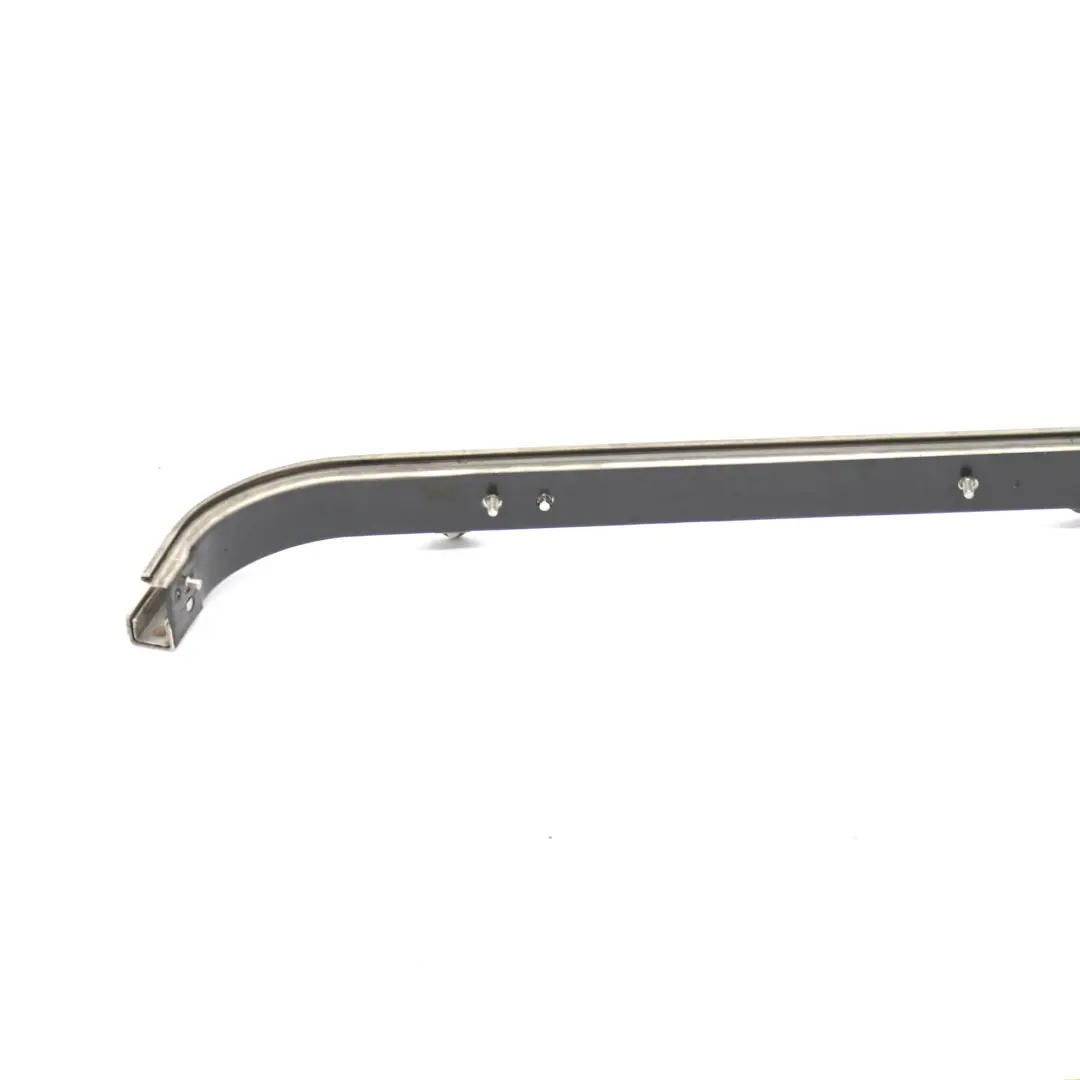
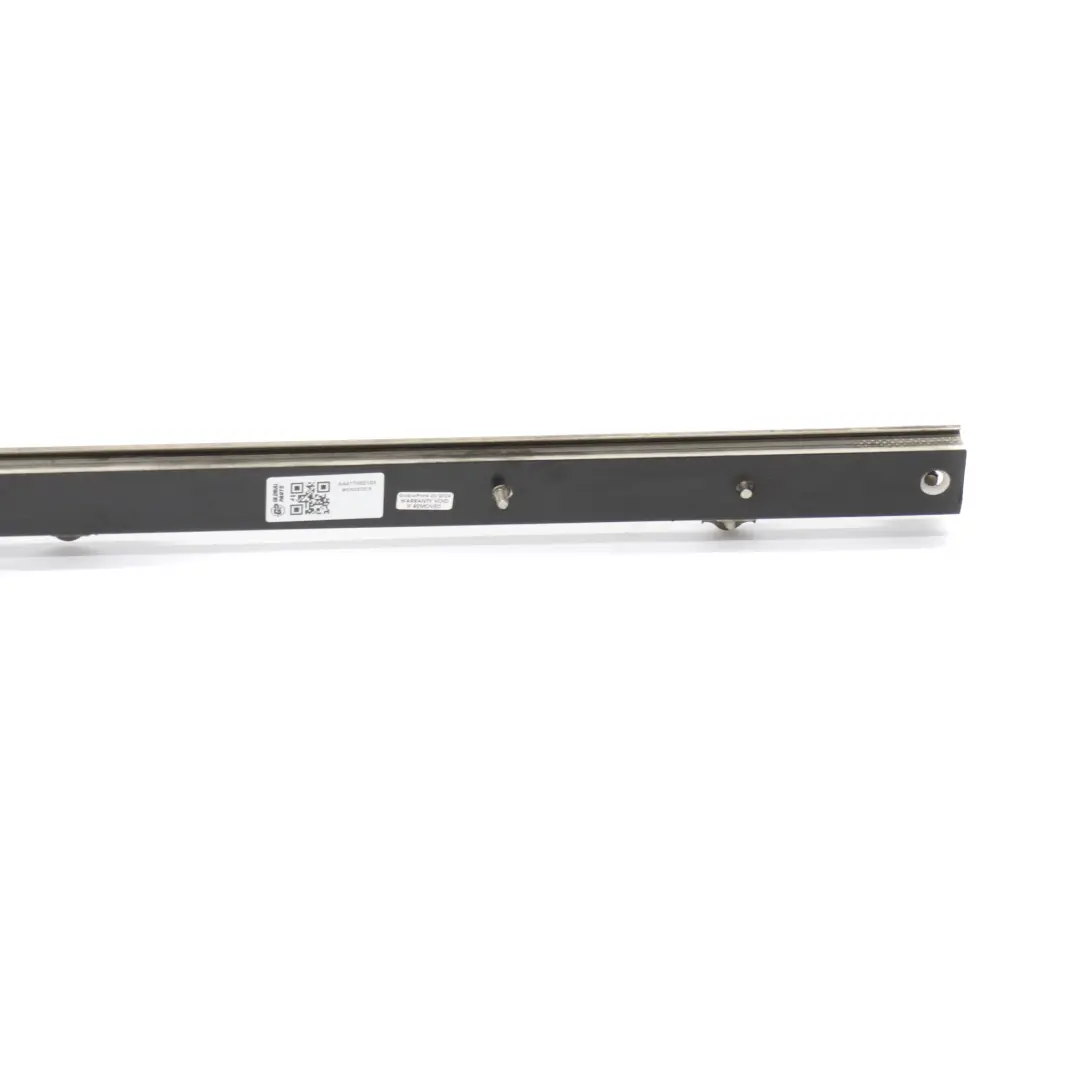
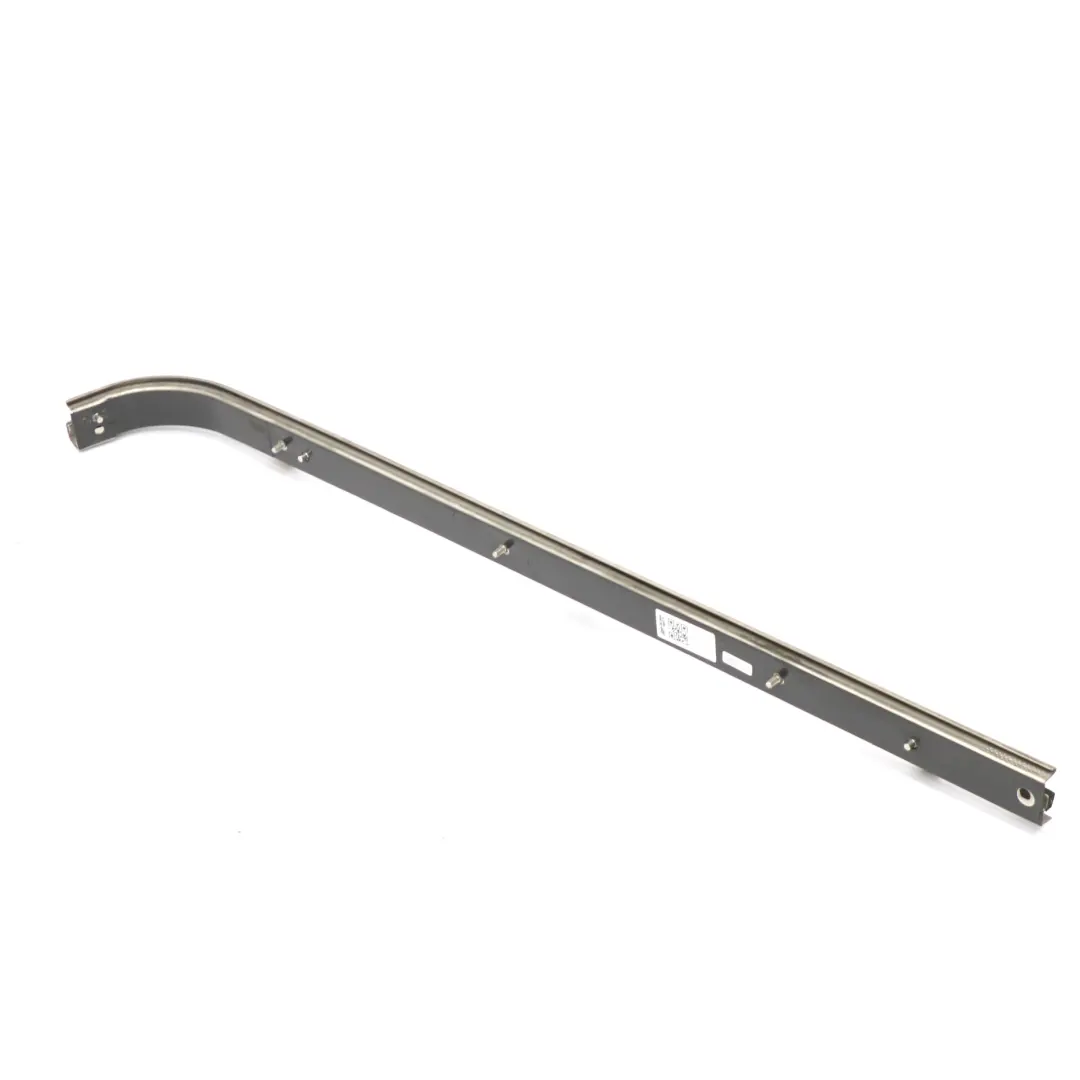
Sliding Door Rail Mercedes Vito W447 Rear Left N/S Middle Rail A4477662100
SKU: A4477662100
Product from a certified dismantling facility
Condition:
Used
Available:
1
Delivery time:
Estimated delivery Thu, Oct 29
Dispatched today if paid before 14:00
Payment methods:








Returns:
60 days return for UK 30 days return for other countries
Delivery from:
Free delivery
£42.95
1
Lowest price in the last 30 days: £42.95
Total for items
£42.95
The Mercedes Vito W447 Left Rear Door Rail is an original part from the Doors and Door Panels category, designed for the rear left sliding door panel on the Vito body. This used OEM part ensures factory fit, stable door operation, and maintains the correct geometry of its movement, contributing to comfortable daily use.
Specifications and technical data
- SKU: A4477662100
- Mark: Mercedes (Genuine OE)
- Condition: Used
- OEM Part Number: A4477662100
- Substitutable numbers: A4477662100, A 447 766 21 00
- Location on the vehicle: Rear, Left
- Category: Doors & Door Skins
Purpose and Function of the Door Rail
The left rear door rail is responsible for guiding and supporting the door panel at the rear of the vehicle body. In a commercial vehicle like the Vito, this is crucial for:
- smooth door movement across its entire opening range,
- maintaining the correct position of the panel relative to the body,
- reducing play and unwanted vibrations during driving,
- proper door closing and lock operation. By preserving the original geometry of the guide, the door system remains stable, and the risk of accelerated wear on rollers or hinges is minimized.
Body Compatibility and Installation
The rail is specifically designed for the rear left side of the body, ensuring compatibility with factory mounting points and proper interaction with other door mechanism components. The OEM design allows for installation in place of a worn or damaged guide without the need for bodywork modifications. In practice, this means that after removing the old part, standard service procedures can be applied, and the entire operation involves correctly positioning the rail and adjusting the door's alignment. This solution is particularly beneficial for fleet vehicles where repair consistency and minimizing downtime are important.
Characteristics of a Used OEM Part
The offered door rail is a used part, sourced from a dismantled Mercedes vehicle, guaranteeing the preservation of factory dimensional and material parameters. A used part is a good solution for users who want to restore proper door function at a reasonable service cost, while maintaining the vehicle's original specifications. Compared to aftermarket replacements of uncertain origin, an original guide ensures proper alignment with the body and other mechanism components, reducing the need for additional adjustments after installation.
Application in Vehicle Operation
A functional left rear rail is particularly important in vehicles used intensively – with frequent opening and closing of side doors, loading, and unloading. Replacing a worn part with an original guide allows for:
- reducing door sliding resistance and improving operational ergonomics,
- decreasing the load on rollers and guide carriages,
- minimizing the risk of paint damage on door edges and the body,
- maintaining proper sealing and panel-to-body fit. For workshops and fleet operators, this is a practical way to maintain body functionality while adhering to manufacturer standards.
Related Parts and Additional Information
If your repair plan includes replacing other door mechanism components for this model, such as guides, carriages, or mountings, check available parts in the Mercedes Doors and Door Panels category. When choosing aftermarket body parts, it's advisable to consciously compare the advantages of new and used parts – differences in cost, durability, and availability are well discussed in the article Car Parts – New or Used? Comparing Costs, Quality, and Durability, which can help in making an optimal service decision.
Delivery details
Ship to: United Kingdom
Check delivery times for another country
Delivery Price
Service
Postage and packaging
Service
Postage and packaging
Delivery time
Estimated delivery dates include sellers dispatch time, origin postcode,destination postcode and time of acceptance, and will depend on the postage service selected and receipt of cleared payment. Delivery times may vary, especially during peak periods.
Will usually dispatch within same working day if paid before 14:00 BST (excludes weekends and holidays). Expected dispatch time may vary and is based on sellers order cut-off time.
In the automotive store Global Parts, we offer fast and secure deliveries for our customers in United Kingdom, ensuring maximum compliance with local service standards. Each order is processed with the utmost attention, guaranteeing a fluid shopping process and a timely delivery. If you need assistance in choosing the right part, our team of consultants will be happy to help you find the right part for your vehicle and provide information on installation, availability and parameters of the selected components.
Proposed car parts:
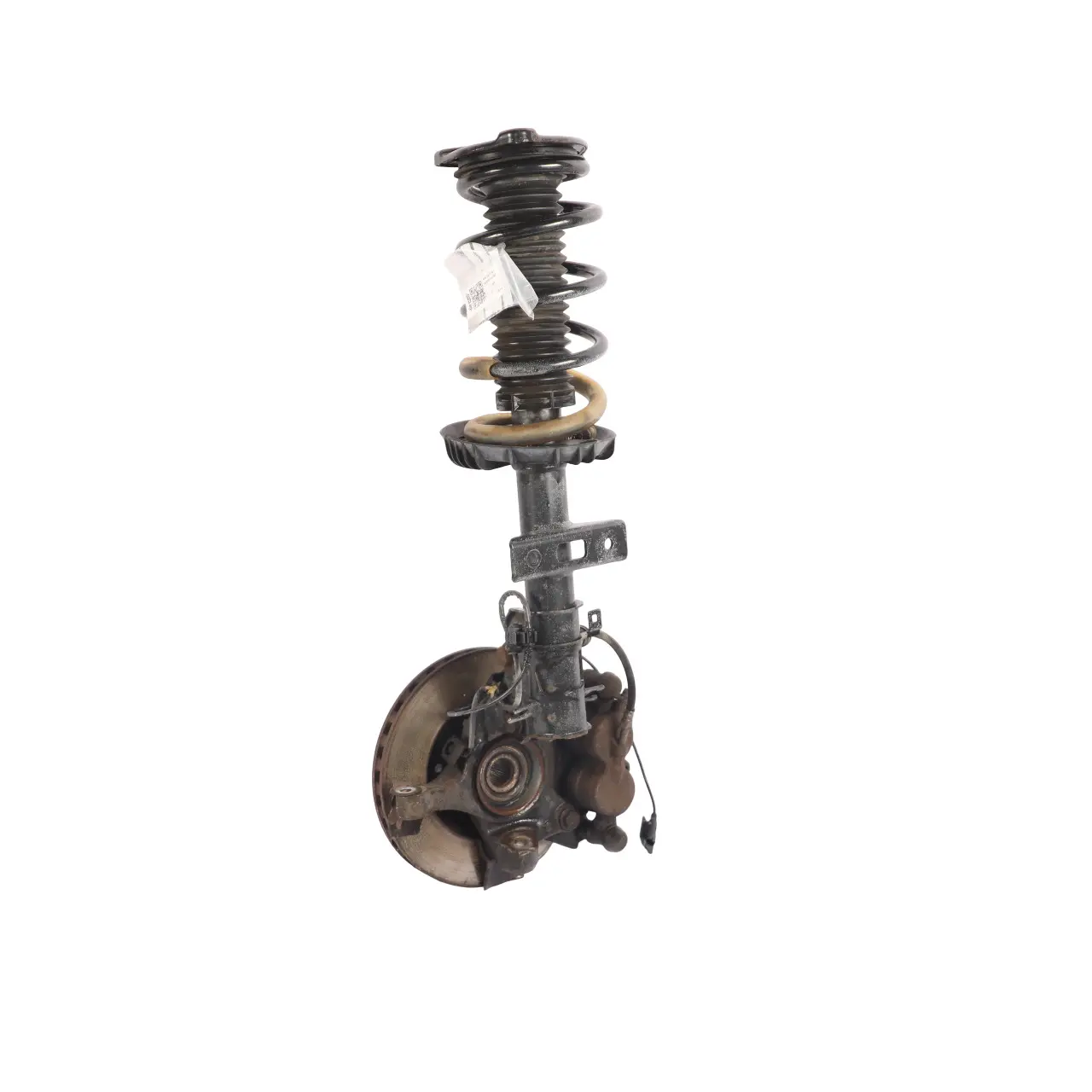
Part no. A4473205738-1
Mercedes W447 Front Leg Spring Strut Suspension Absorber Left N/S A4473205738
£237.95
Free delivery: Oct 29
If paid before 14:00
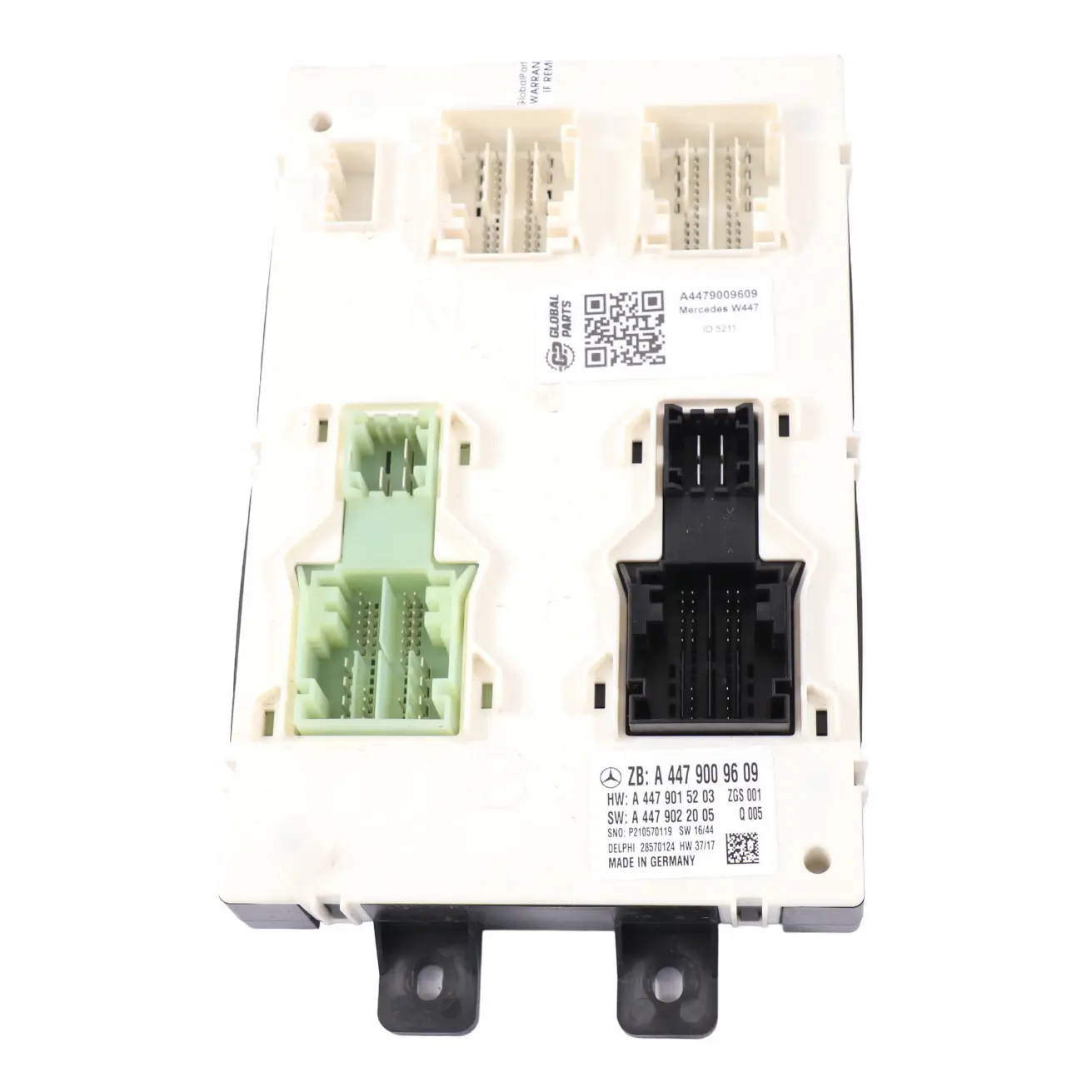
Part no. A4479009609
Mercedes Vito W447 Fuse Box Relay Control Unit Electric Module SAM A4479009609
£189.95
Free delivery: Oct 29
If paid before 14:00
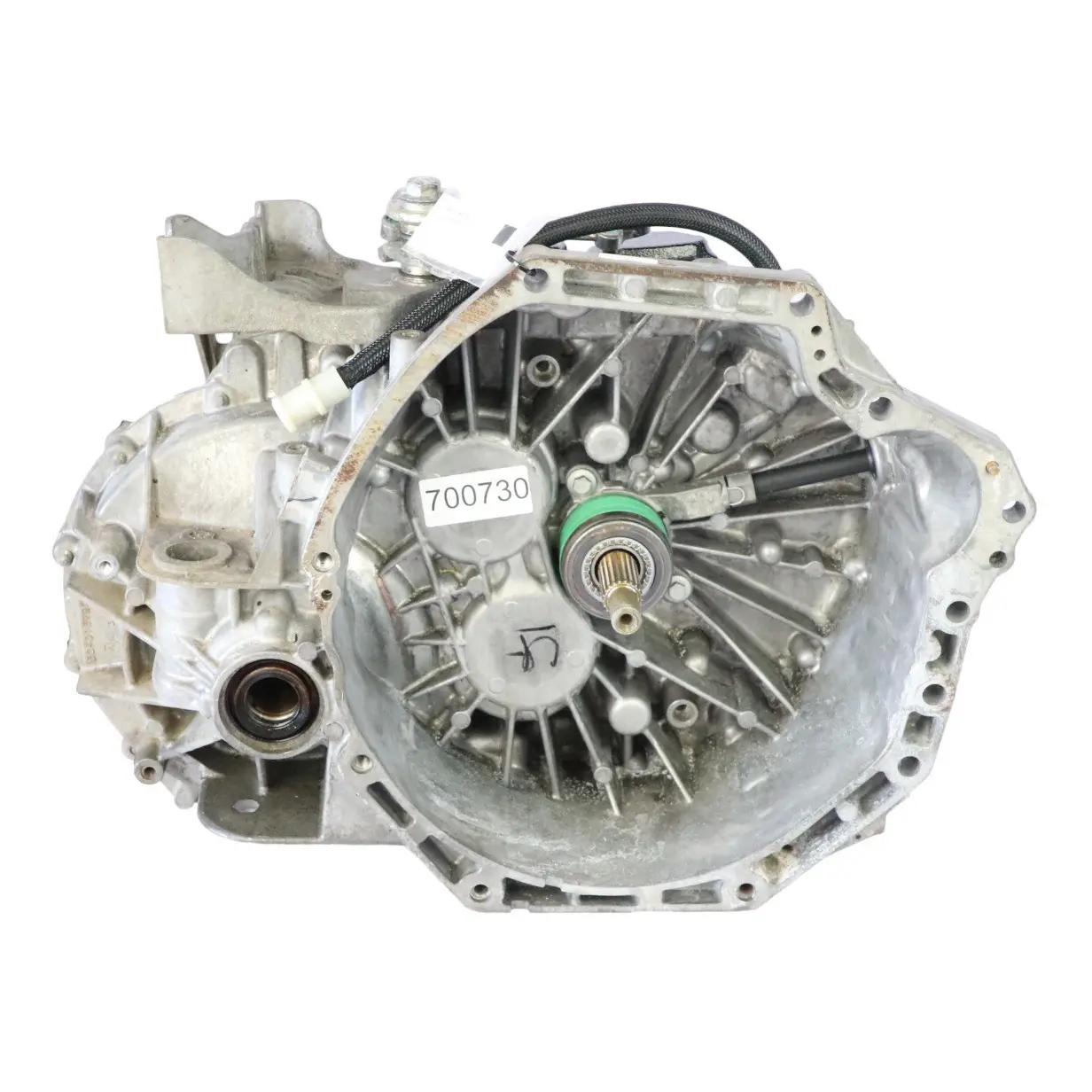
Part no. A4473600400
Mercedes Vito W447 Manual Gearbox 700730 700.730 A4473600000 WARRANTY
£902.95
Free delivery: Oct 29
If paid before 14:00
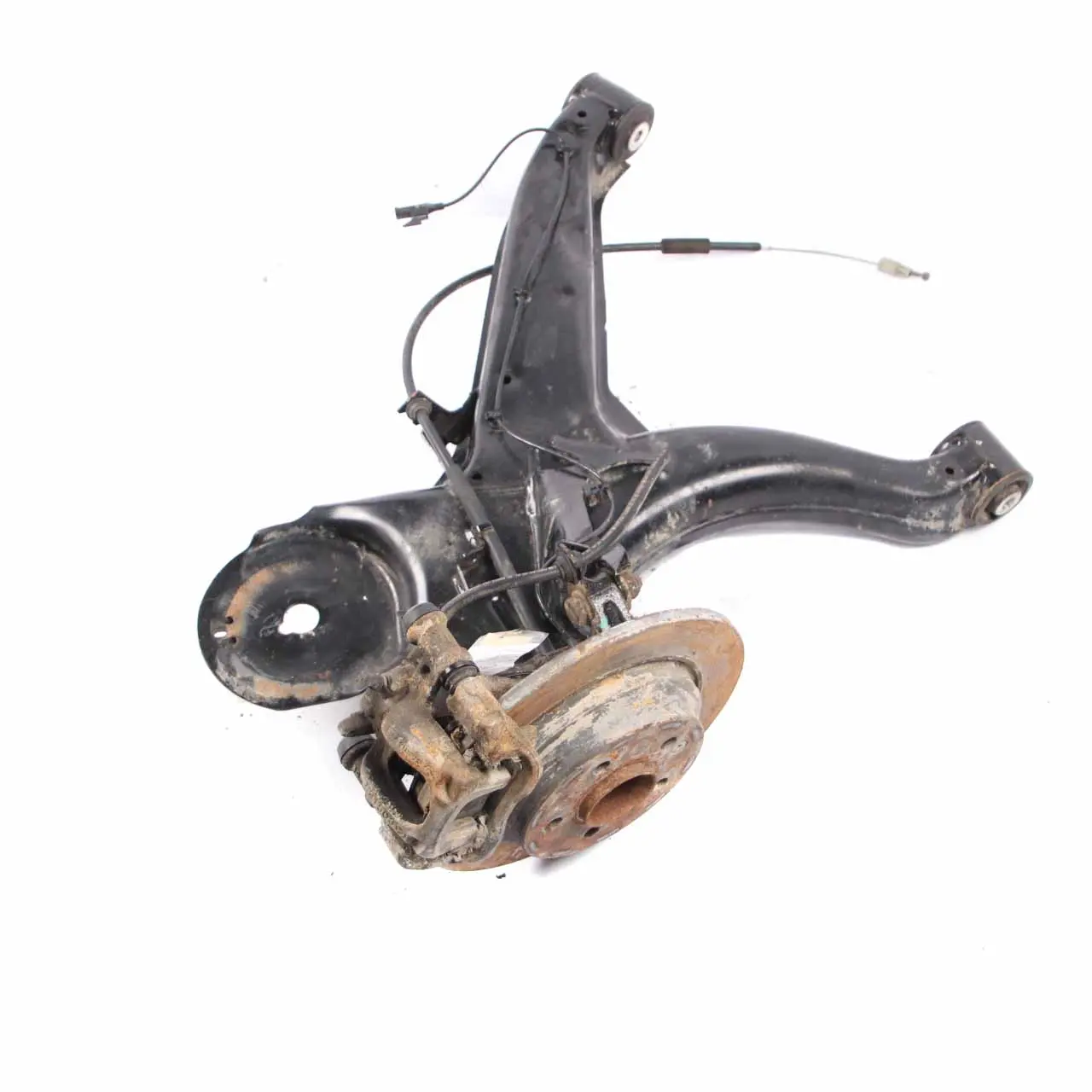
Part no. A4473505400
Mercedes W447 Rear Right O/S Suspension Leg Wheel Hub Brake Disc Caliper
£189.95
Free delivery: Oct 29
If paid before 14:00
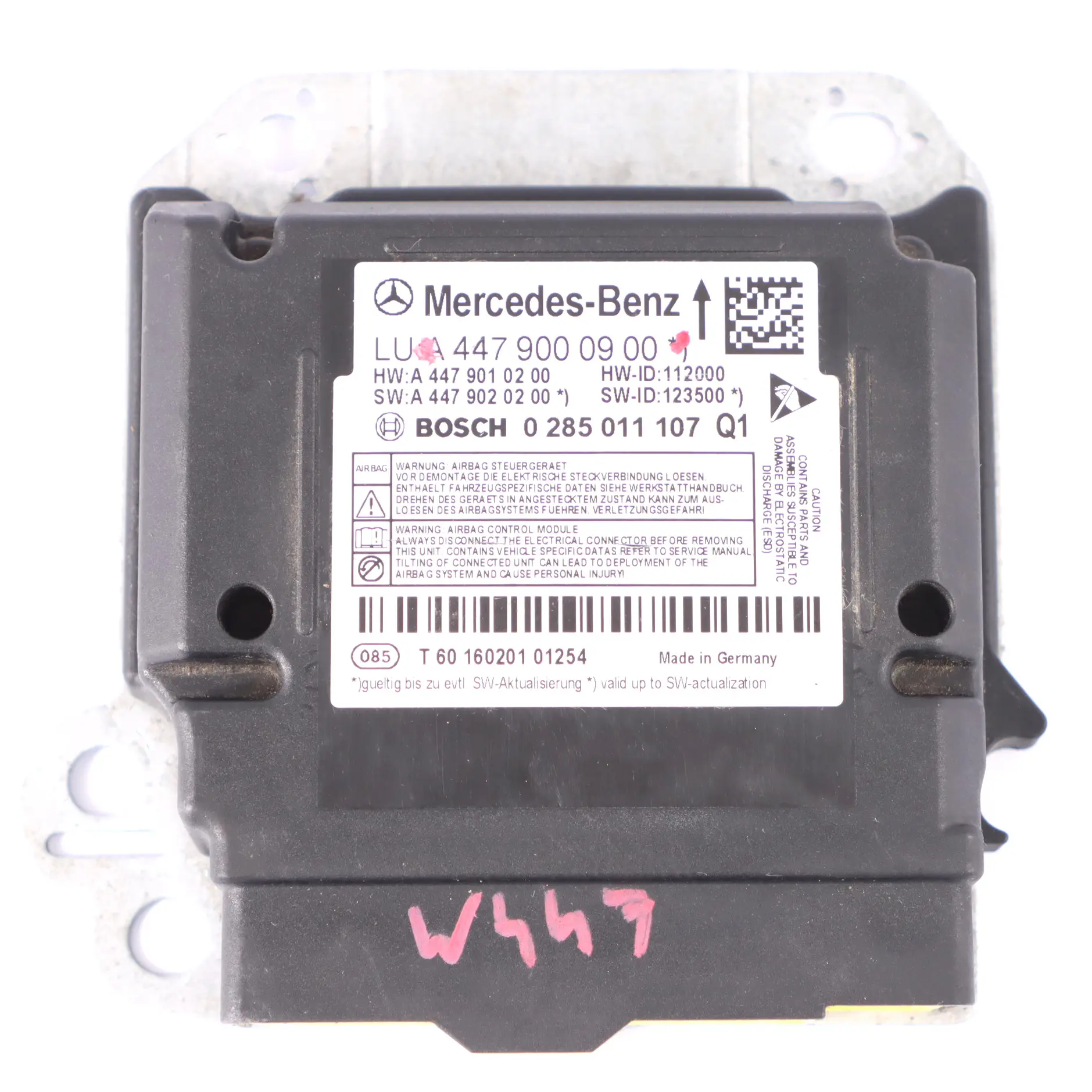
Part no. A4479000900
Mercedes Vito W447 Air Module Control Unit ECU 4479000900
£56.95
Free delivery: Oct 29
If paid before 14:00
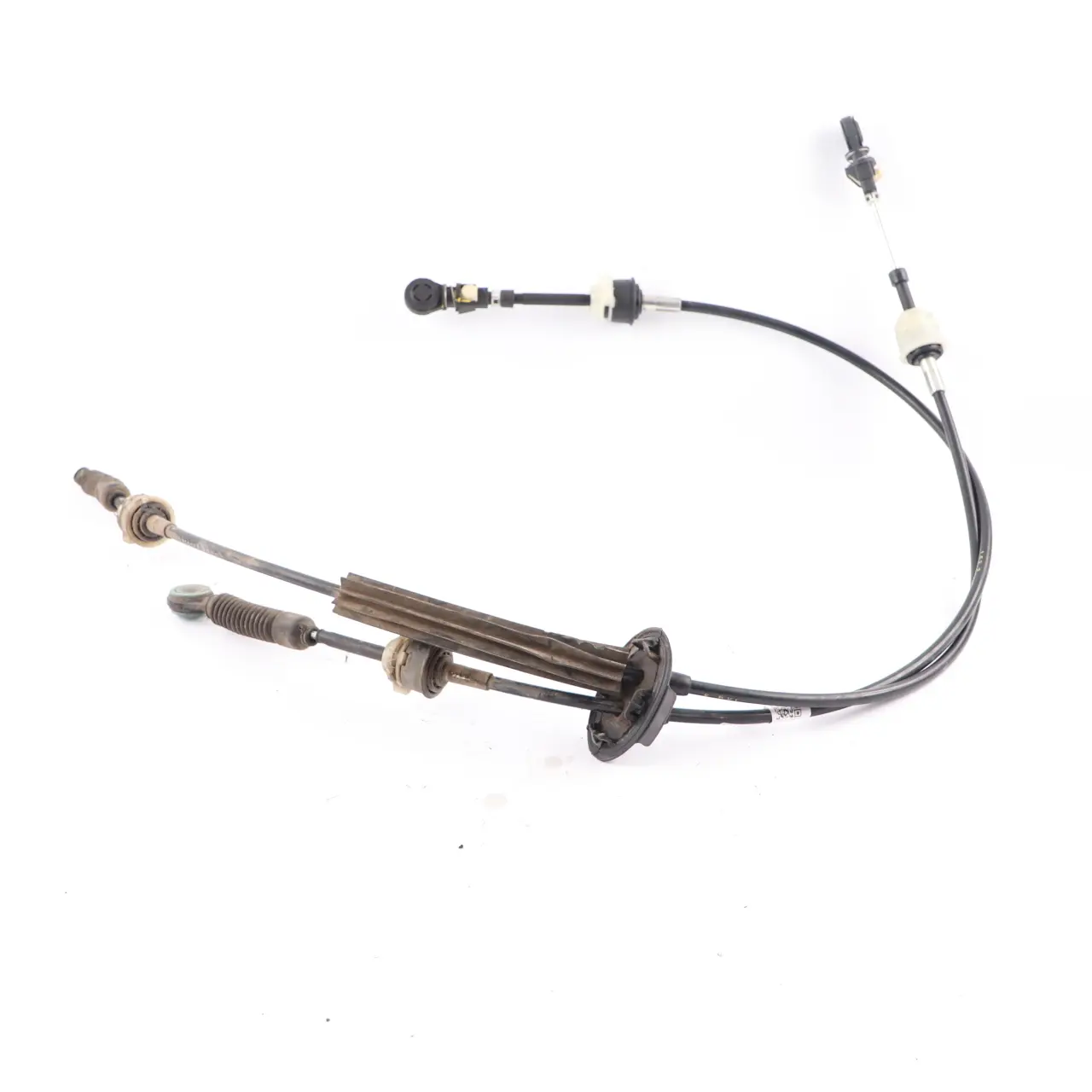
Part no. rhd-A4472601451
Mercedes Vito W447 Linkage Manual Gearbox Gear Shifter Cable A4472601451
£70.95
Free delivery: Oct 29
If paid before 14:00
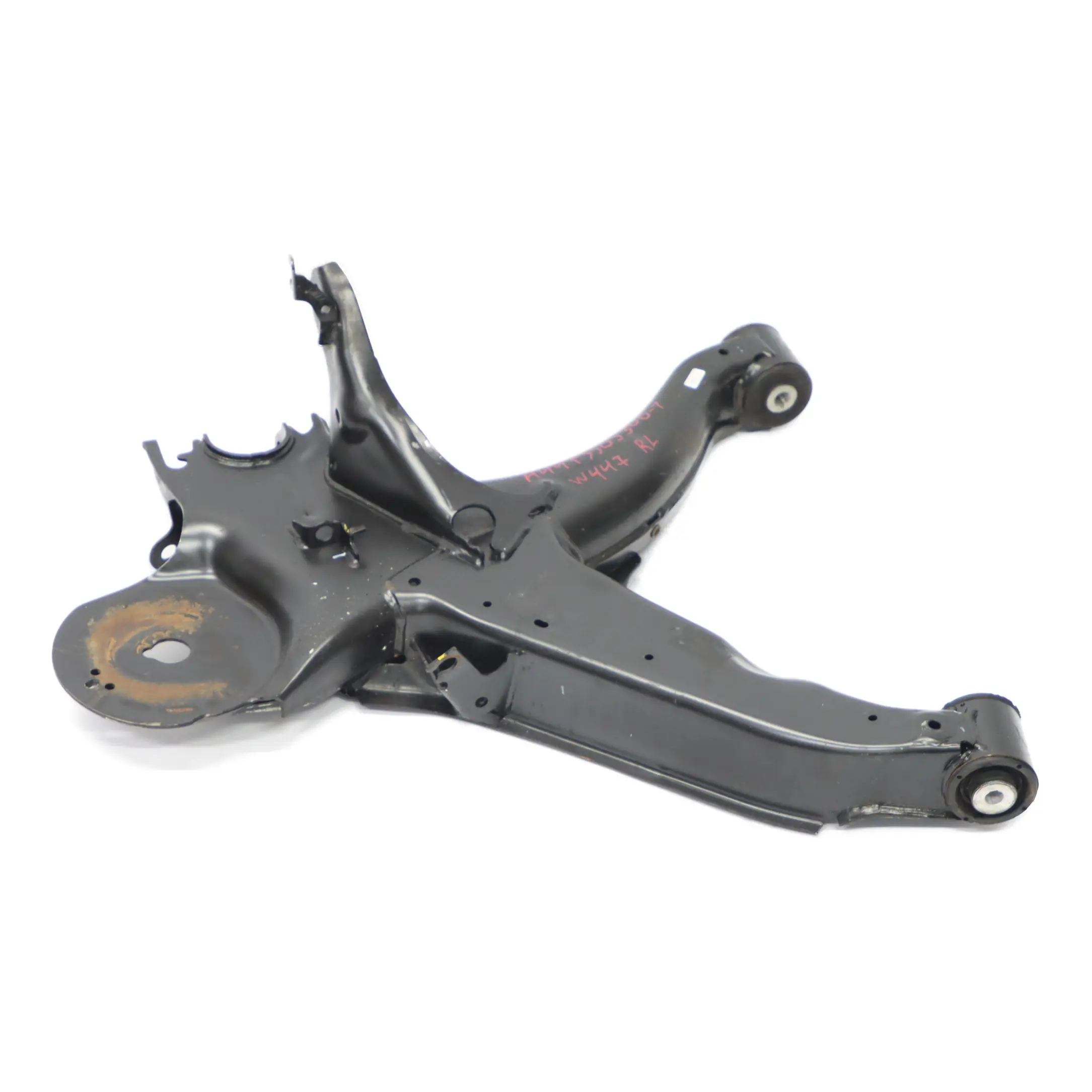
Part no. A4473505300-1
Mercedes W447 Rear Left N/S Suspension Leg Wheel Hub Mount Holder A4473505300
£80.95
Free delivery: Oct 30 – Nov 6
If paid before 14:00
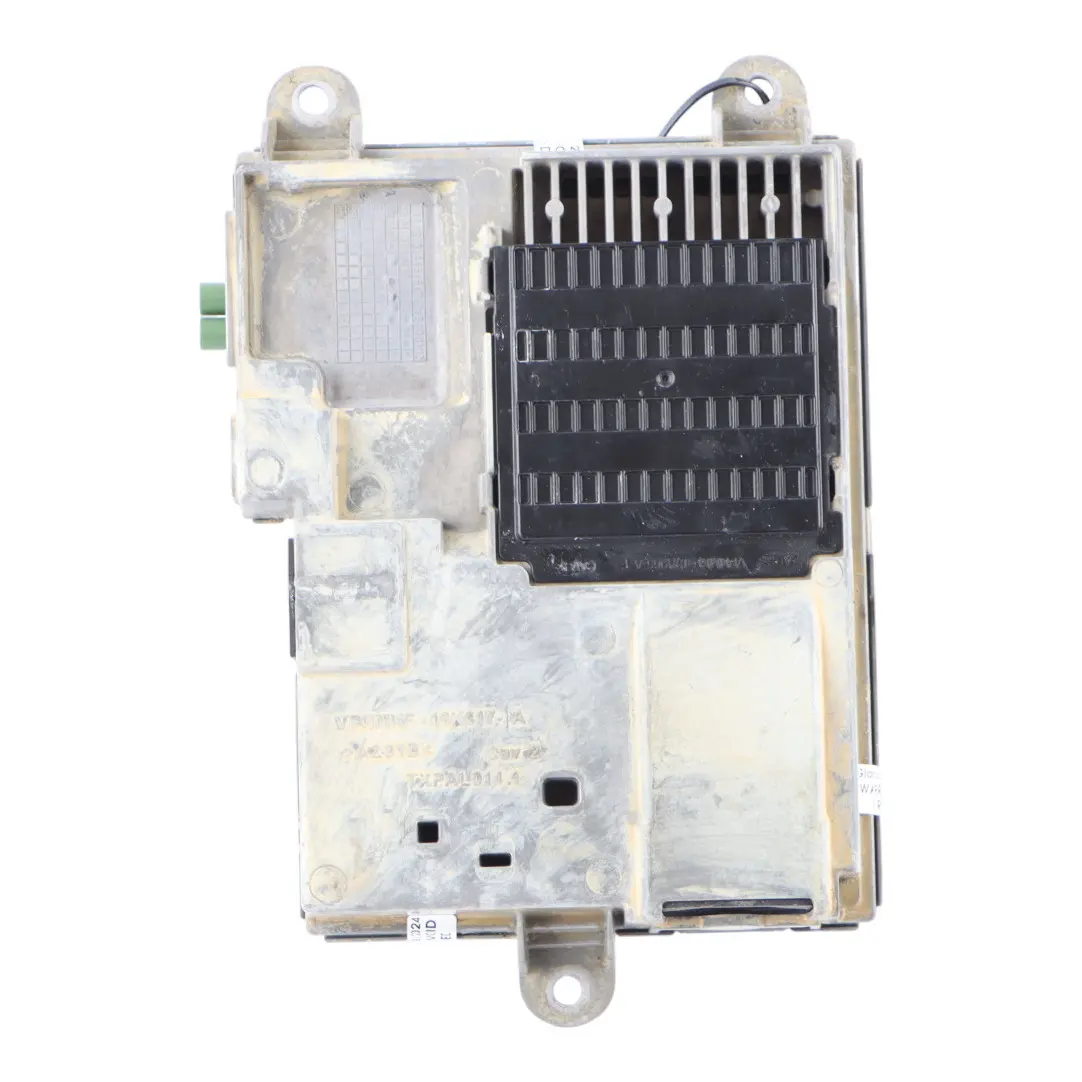
Part no. A1779008716
Mercedes C118 W177 W247 Speedometer Instrument Cluster Control Unit A1779008716
£275.95
Free delivery: Oct 29
If paid before 14:00
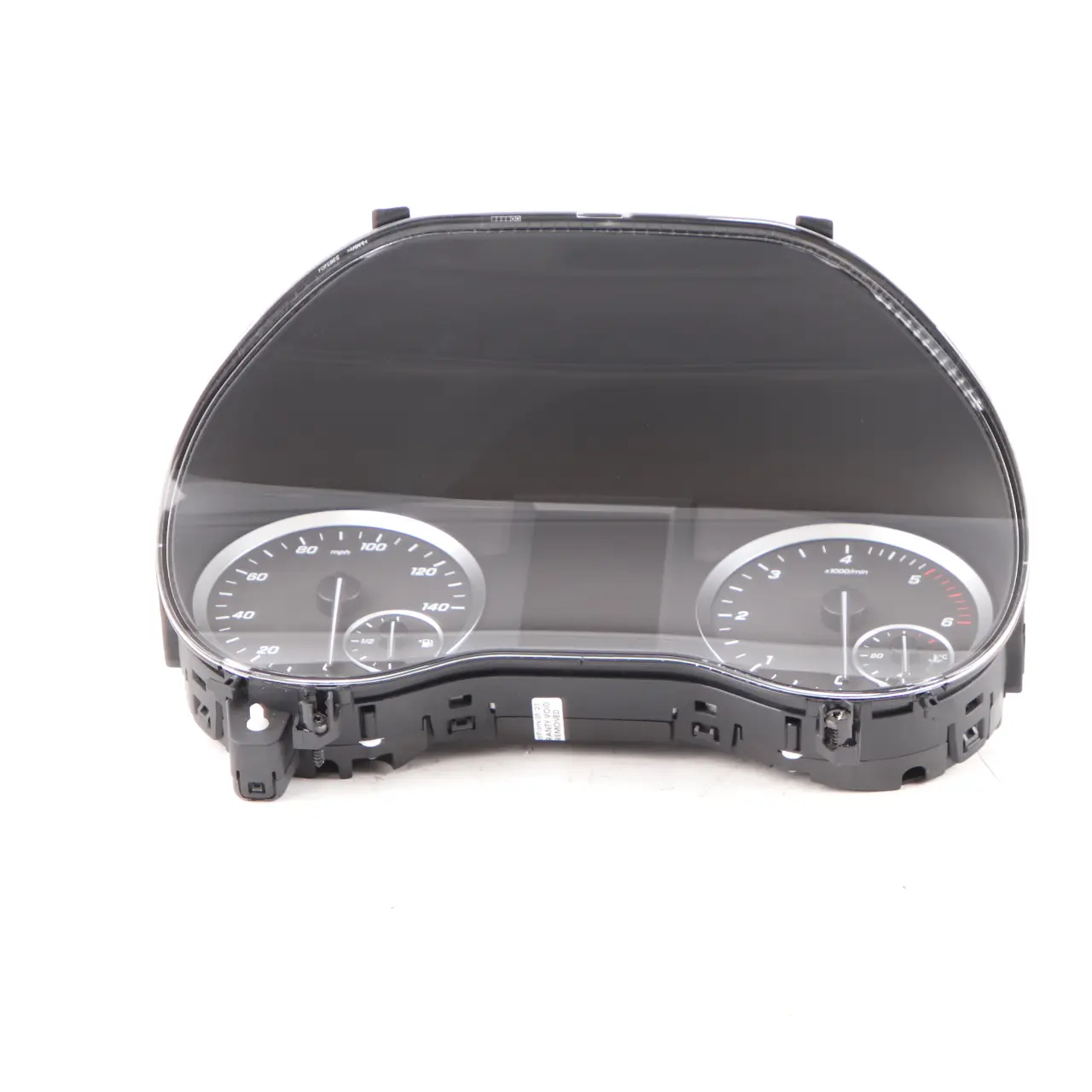
Part no. rhd-A4479002717
Mercedes W447 Instrument Cluster Diesel Speedo Clocks Automatic A4479002717
£189.95
Free delivery: Oct 29
If paid before 14:00
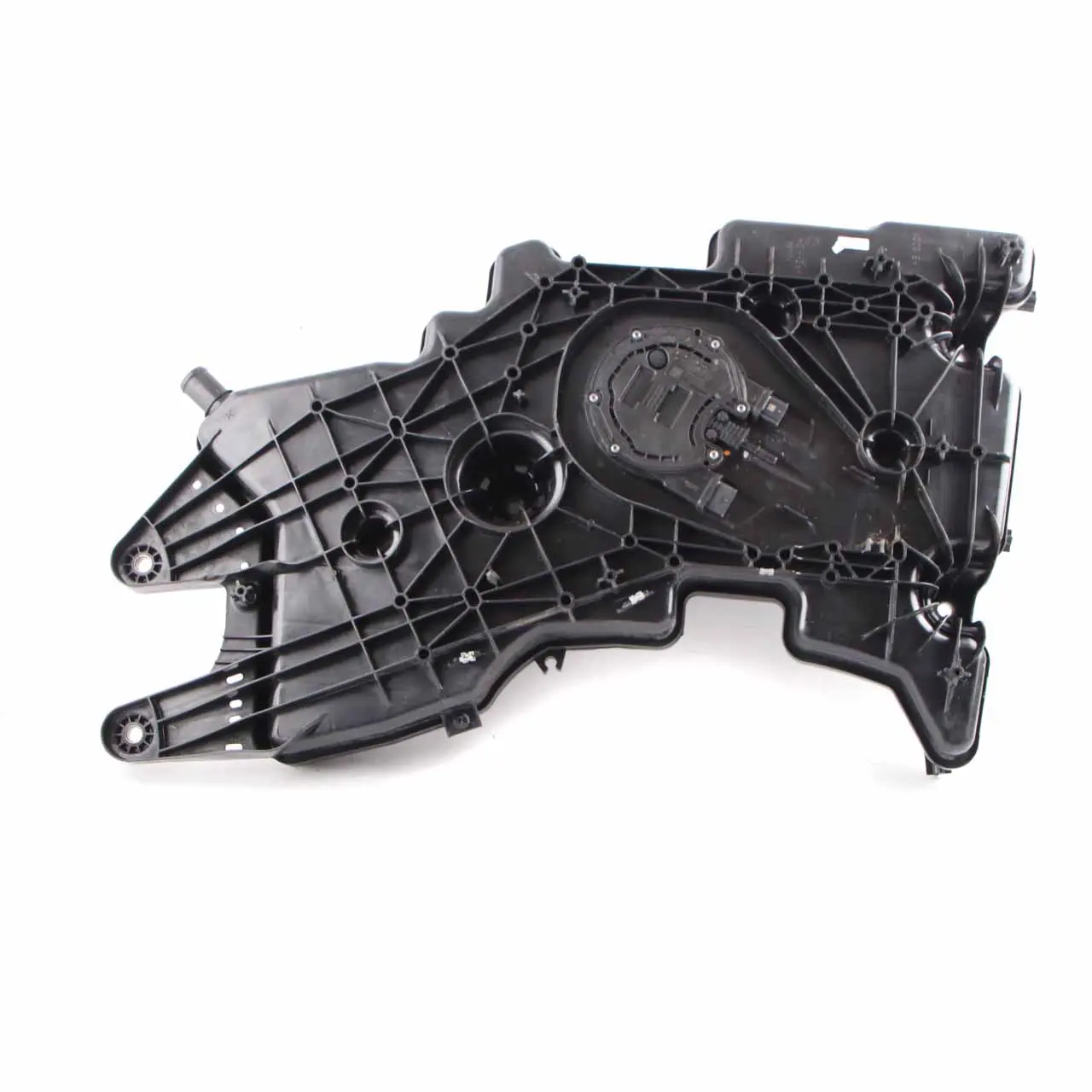
Part no. A4474707700
Additive Tank Mercedes W447 AdBlue BlueTec Diesel Tank V-Class A4474707700
£237.95
Free delivery: Oct 29
If paid before 14:00
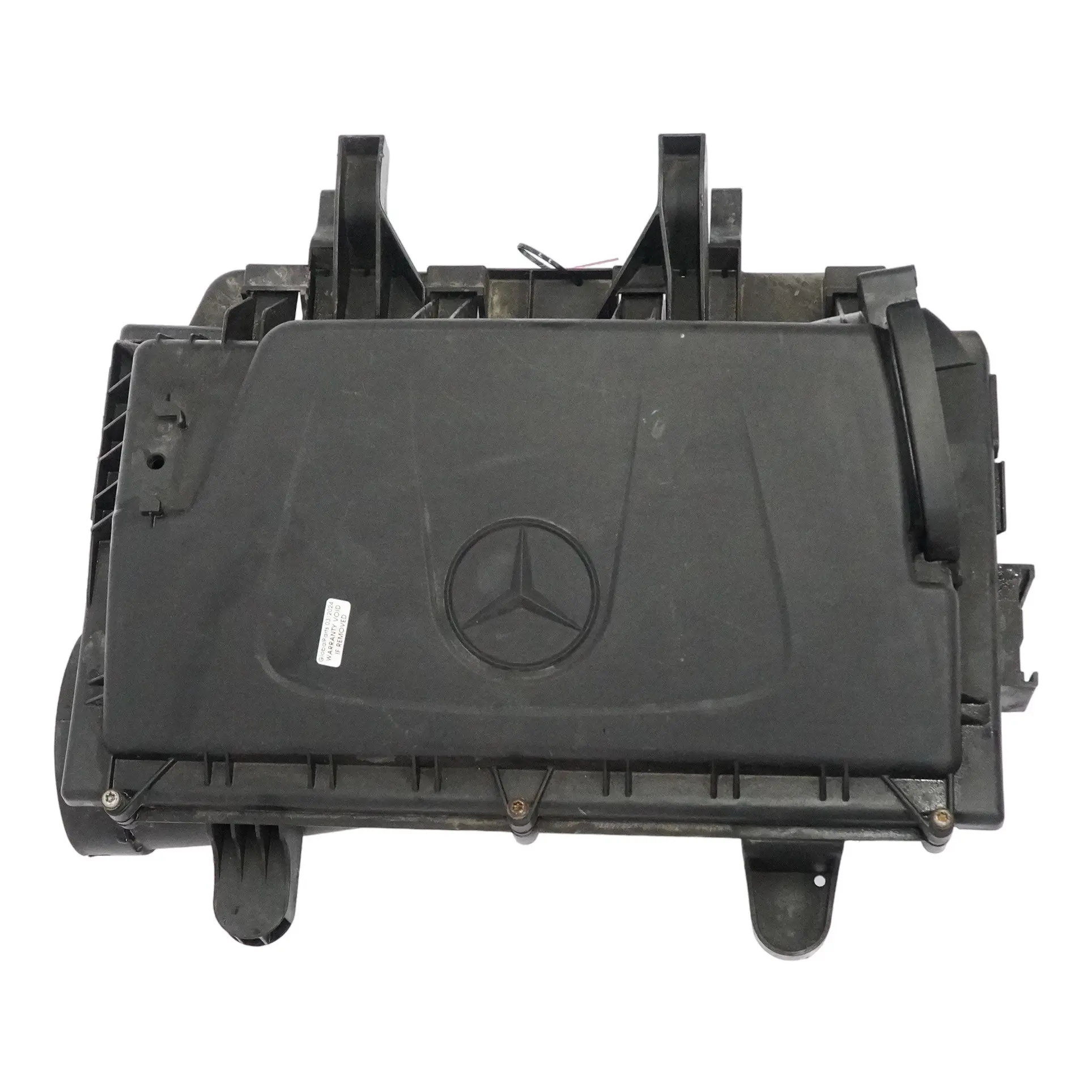
Part no. A4475280406
Mercedes Vito W447 Air Filter Box Air Intake Silencer Housing Diesel A4475280406
£32.95
Free delivery: Oct 29
If paid before 14:00
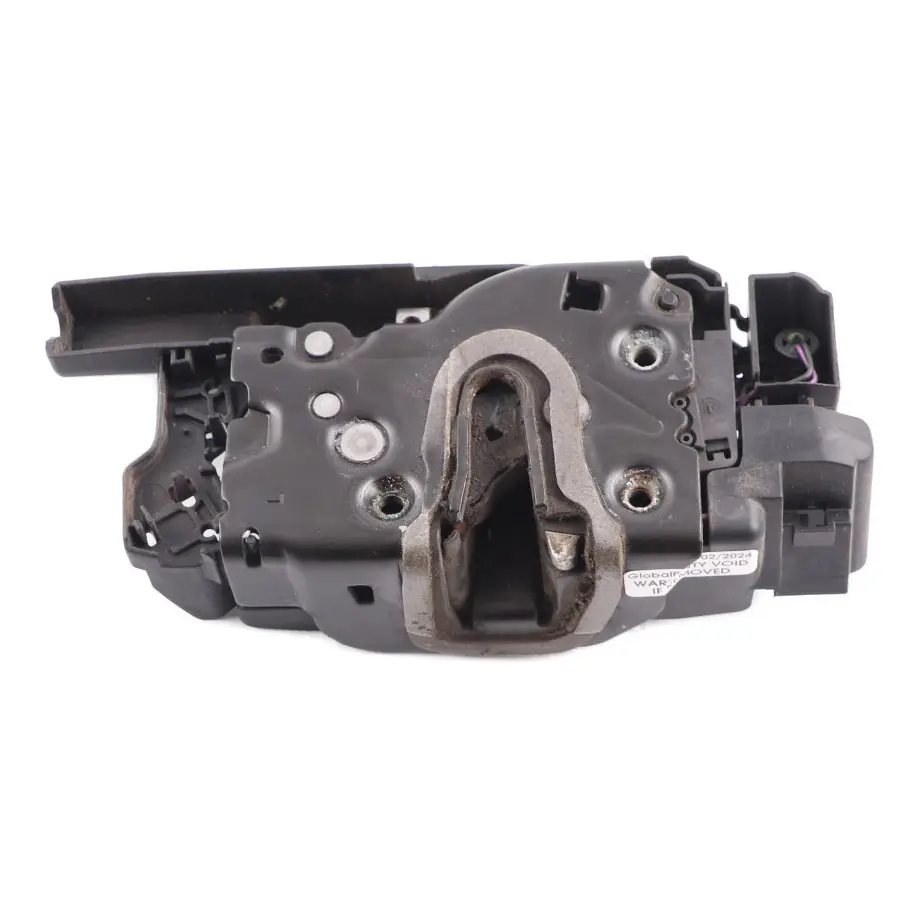
Part no. A4477300702
Mercedes Vito W447 Sliding Side Door Lock Left N/S Catch Latch A4477300702
£142.95
Free delivery: Oct 30 – Nov 6
If paid before 14:00