


Brake hoses, lines and connectors
More informationAt Global Parts, we offer a wide selection of original used car parts, including brake hoses, lines, and connectors for many popular car brands such as BMW, Mini, Mercedes, Audi, Volkswagen, and others. Our brake hoses, lines, and connectors undergo quality control to ensure you receive a top-quality product.
Find it faster
Match to your vehicle
GB
Make
Category
Subcategory
Condition
In Stock
Price
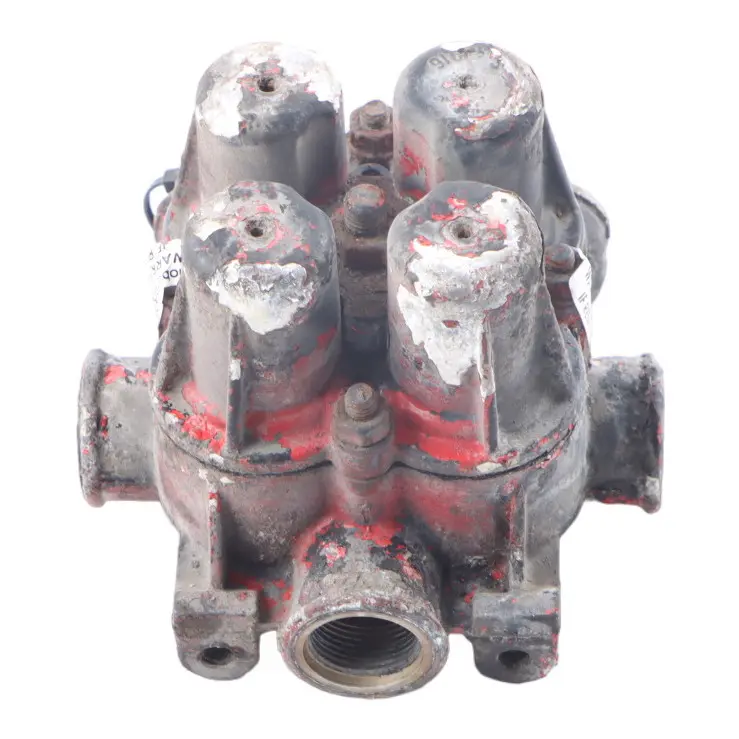
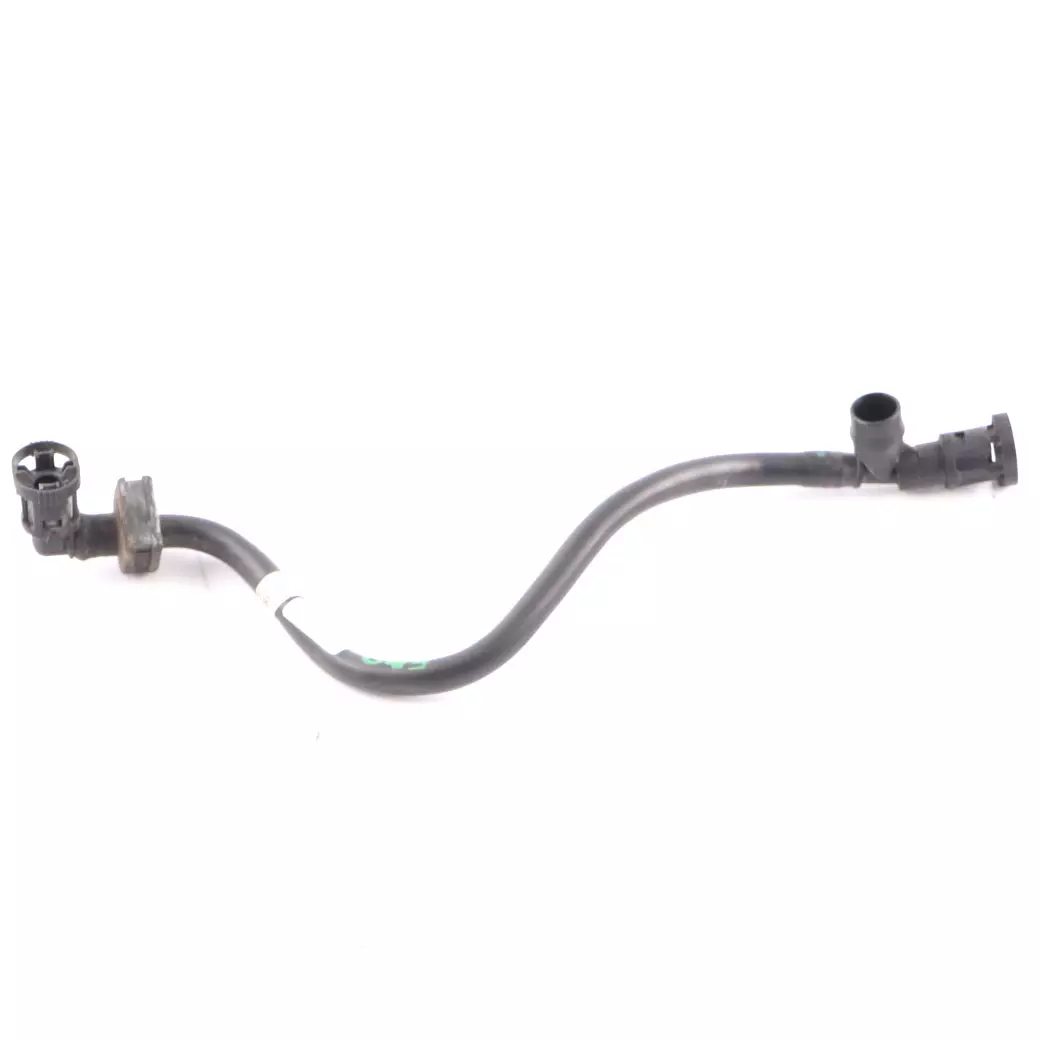
Brake hoses and connectors for durability and effectiveness
Durable brake lines and connectors
Brake hoses, lines, and connectors are essential components of the braking system, responsible for the proper transmission of brake fluid from the master cylinder to the calipers. Their reliability has a direct impact on braking efficiency and driving safety. In the Global Parts automotive store, you will find a wide selection of used car parts, including brake hoses, lines, and connectors, ideal for brands such as BMW, Audi, Mercedes, Volkswagen, Mini, and others.
The role of brake lines and connectors in a modern braking system
The braking system in modern passenger cars operates on a closed hydraulic circuit, where the brake line transfers pressure generated by the master cylinder directly to the calipers. In practice, this means values of 80–120 bar during standard braking and up to 160–200 bar in emergency situations. The brake hose, as a flexible element, compensates for suspension movement and wheel steering, while the brake connector is responsible for a tight and stable connection between individual sections of the installation. Precise matching of these components affects not only braking efficiency but also the smooth operation of ABS and ESP systems.
What elements are included in brake hoses, lines, and connectors?
In our offer, you will find the following elements:
- Brake hoses – flexible lines that connect rigid brake lines to the calipers, allowing for suspension movement during braking.
- Brake lines – rigid pipes transporting brake fluid from the master cylinder to the hoses.
- Brake connectors – components connecting hoses and lines, ensuring the tightness and stability of the braking system.
Construction and purpose of brake hoses, lines, and connectors
Brake hoses, lines, and connectors are a set of hydraulic elements mounted between the master cylinder, pressure distributor, calipers, or wheel cylinders. Their task is the safe transport of brake fluid under high pressure in various operating conditions of the suspension and steering system. A typical set consists of rigid sections, flexible sections, and threaded ends or quick-connectors. In practice, when selecting parts, it is worth checking the OEM number, end type, mounting side, and the routing of the line in a specific car version.
Comparison of brake hose, line, and connector types
| Element type | Construction | Mounting location | What to check before purchase |
|---|---|---|---|
| Brake hose | Flexible multi-layer line with ends | Between the rigid line and the caliper or axle | Length, connector type, mounting side, OEM number |
| Brake line | Rigid metal pipe with a specific bending profile | Along the chassis, by the beam, body, or axle | Diameter, shape, mounting points, body version |
| Brake connector | Nut, coupling, or sealing end | Connections of lines, pump, and calipers | Thread, sealing cone, compatibility with line and socket |
Materials and technical parameters of brake lines
Rigid brake lines are most often made of steel covered with an anti-corrosion coating, copper alloys such as CuNiFer, or stainless steel. Their internal diameter usually ranges from 3.0–4.75 mm, which ensures optimal flow of DOT 4 or DOT 5.1 brake fluid. The brake hose is built from several layers: a chemically resistant rubber core, a reinforcing braid, and a protective layer. Such a solution guarantees resistance to high operating pressure, variable temperatures from approx. -40°C to +120°C, and vibrations generated during driving.
Why is it worth taking care of brake hoses, lines, and connectors?
Damage or wear of brake hoses, lines, and connectors can lead to reduced brake efficiency and serious problems with the braking system. Typical symptoms of failure include:
- Brake fluid leaks – may indicate cracks in the lines or leaks in the connectors.
- Decrease in braking efficiency – damaged hoses or lines may restrict the flow of brake fluid.
- Air bubbles in the system – sealing problems can cause air to enter the braking system, reducing its performance.
- Cracks or corrosion – especially in the case of rigid lines, which are exposed to road salt and moisture. At Global Parts, we offer used brake hoses, lines, and connectors that have undergone detailed quality tests, ensuring their durability and reliability.
Hydraulic function and cooperation with other components
The brake line serves to maintain the continuity of the fluid circuit and transfer pressure without loss between the main elements of the system. The brake connector represents a connection point that must remain tight despite vibrations, temperature changes, and suspension operation. These parts work directly with brake master cylinders, and on the wheel side also with brake calipers and brackets. If you are looking for a component such as a BMW E90 brake line, it is good to compare the OEM number, pipe routing, and thread type at both ends.
Typical symptoms related to brake lines – practical summary
| System element | Function | Effect of proper operation |
|---|---|---|
| Brake hose | Suspension movement compensation | Stable and smooth braking |
| Brake line | High-pressure fluid transport | Immediate system response |
| Brake connector | Tight connection of elements | Maintenance of operating pressure |
How to choose the right brake hoses, lines, and connectors?
When choosing brake hoses, lines, and connectors, you should pay attention to several key aspects:
- Matching the vehicle model – every braking system has its specific technical requirements. In the Global Parts automotive store, you will find brake hoses, lines, and connectors perfectly matched to BMW, Audi, Mercedes, Volkswagen, Mini, and others.
- Technical condition – used hoses and lines should be free from cracks, corrosion, and other mechanical damage.
- Material of construction – choose lines made of durable materials, such as stainless steel or high-quality plastics.
Data needed for proper part selection
The selection of the appropriate brake line or brake connector is based on compatibility with the specific vehicle model, year, and engine version. In practice, compatibility with brake calipers, the master cylinder, and auxiliary systems such as ABS is also important. When completing a repair for a specific model, e.g., Mini R56, it is worth verifying the mounting location, line length, end type, and any interchangeable numbers. When choosing an element like a brake hose for Audi A4 B8, you should additionally check the mounting side and compatibility with the axle version and socket diameter.
Why is it worth choosing used brake hoses, lines, and connectors?
Used car parts, such as brake hoses, lines, and connectors, are a practical solution that allows for savings while maintaining high quality. By choosing used brake hoses, lines, and connectors, you gain:
- Lower costs – used elements are significantly cheaper than new ones but offer equally high quality.
- Ecology – recycling car parts supports environmental protection and reduces waste.
- Wide offer – in our store, you will find brake hoses, lines, and connectors for many car brands.
Installation practice and leak testing after replacement
After installing a line or hose, it is necessary to bleed the system and check the tightness of every connection under load. The brake hose is an element that works in motion, so it must not be twisted, excessively tensioned, or rub against the rim, shock absorber, or control arm. During the repair, it is also worth assessing the condition of adjacent elements, such as the ABS speed sensor or brake discs, because the wear of several components simultaneously affects the operation of the entire system. Further knowledge can be found in the article Brake calipers under the microscope: How to effectively reduce repair costs by choosing proven recycled parts.
How to take care of brake hoses, lines, and connectors?
To ensure brake hoses, lines, and connectors work reliably for a long time, it is worth following a few rules:
- Regularly check the condition of lines and hoses during technical inspections, especially if the vehicle is operated in difficult conditions.
- Replace brake fluid according to the manufacturer's recommendations to prevent internal corrosion of the lines.
- Check the tightness of connectors and react to any signs of brake fluid leaks.
- If replacement is needed, at Global Parts you will find suitable used car parts that will help restore the efficiency of the braking system.
FAQ
| Question | Answer |
|---|---|
| What is the construction and purpose of brake hoses, lines, and connectors? | Brake hoses, lines, and connectors are hydraulic elements responsible for transporting brake fluid between the pump, distributor, and actuators at the wheels. A typical set includes rigid sections, flexible sections, and connection ends with threads or sealing cones. These parts are located in the engine compartment, along the chassis, and by the suspension, where they must remain tight despite vibrations and wheel movement. |
| What are brake hoses, lines, and connectors used for? | Brake hoses, lines, and connectors are used to transfer brake fluid pressure throughout the system. Without their proper operation, the pump will not effectively transfer force to the calipers or cylinders, which reduces braking efficiency. Their role also includes compensating for suspension movement and maintaining a tight connection between different sections of the installation. |
| What is the construction and function of a brake connector? | A brake connector is an element connecting two sections of the hydraulic installation or a line to a working component. It usually consists of a thread, a sealing surface, and a pressure part that stabilizes the connection during operation under pressure. In addition to tightness, it is also responsible for the proper fit of the line with the pump, caliper, or distributor, which is why you must compare the thread type and end shape. |
| How to choose brake hoses, lines, and connectors for a specific car version? | It is safest to compare the OEM part number, line routing, end type, and mounting location. The body version, axle layout, caliper type, and the presence of systems such as ABS or ESP are also important. Information about interchangeable numbers, condition, and brand can also be helpful in product offers. |
| What symptoms indicate problems with brake lines? | Typical symptoms include fluid leaks, a soft brake pedal, uneven system response, or visible corrosion of the rigid pipe. In the case of hoses, warning signs can include cracks in the cover, bulges, or signs of abrasion when turning the wheels. Each of these symptoms requires a check of tightness and connection compatibility. |
| How to take care of brake hoses, lines, and connectors after installation? | After replacement, you must bleed the system, check for leaks at operating pressure, and ensure the line is not twisted. In daily operation, it is worth checking the condition of mounts, covers, and passage points through the body or suspension. A good practice is also regular brake fluid replacement according to the manufacturer's recommendations. |
Summary: brake hoses, lines, and connectors at the Global Parts automotive store
Brake hoses, lines, and connectors are key elements of the braking system that ensure braking efficiency and safety in all conditions. In the Global Parts offer, you will find carefully selected used parts for many car models and versions, including for brands such as BMW, Audi, Mini, and others. When choosing, it is worth comparing the OEM number, connector type, mounting side, and compatibility with other elements of the braking system to maintain the vehicle's factory performance parameters. We invite you to contact us – we are here to help you! For more information and interesting facts, we also invite you to visit our automotive blog.