Discount 40%
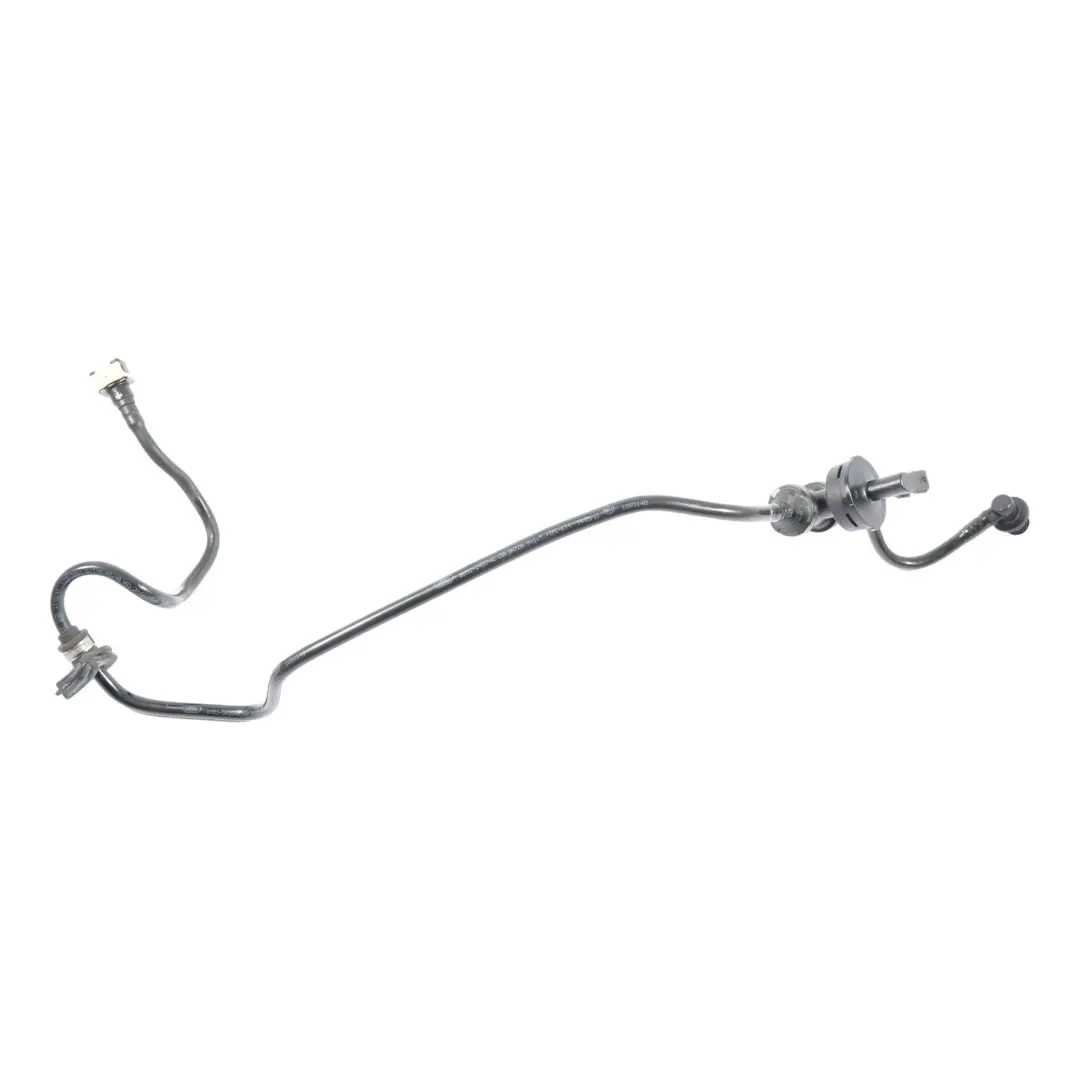
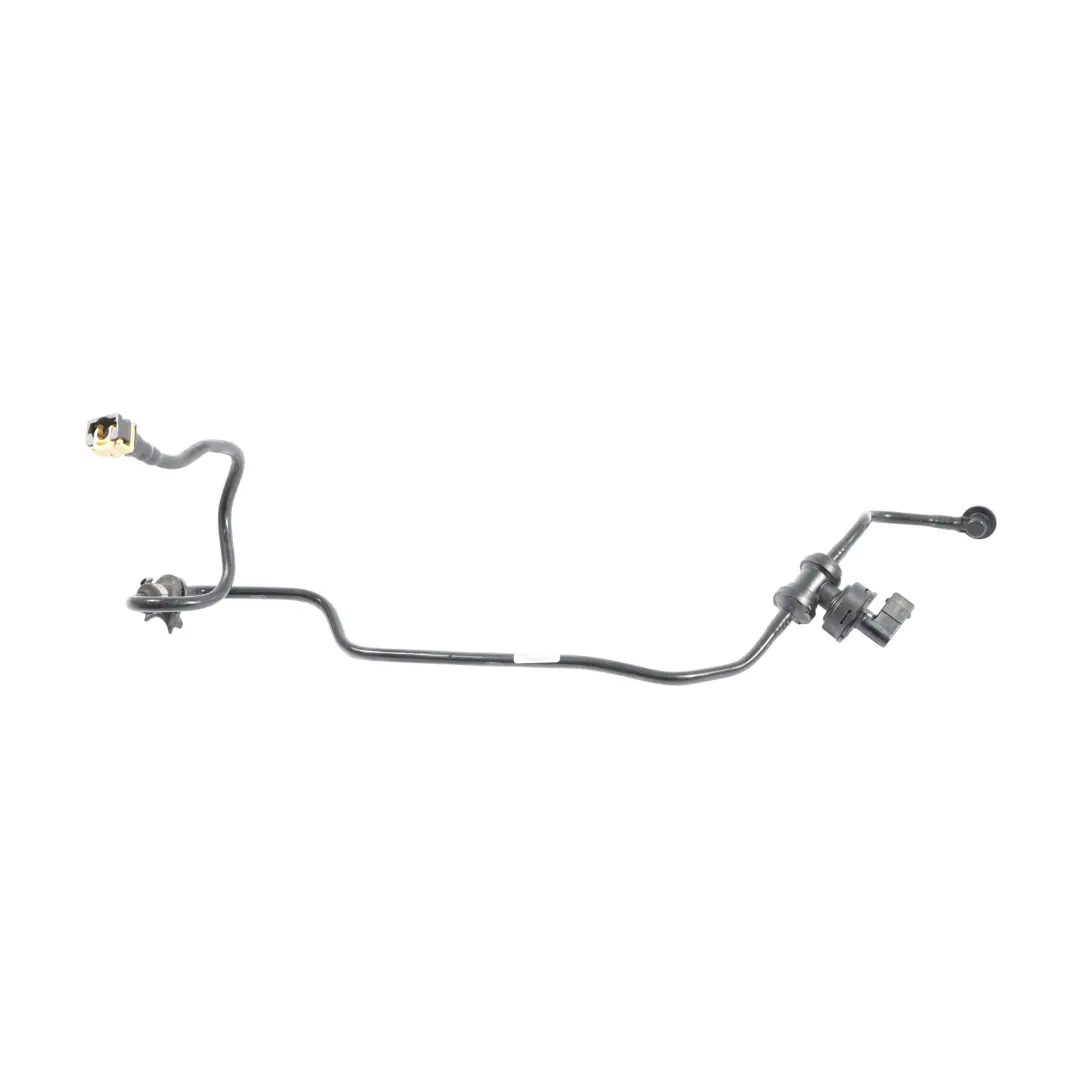
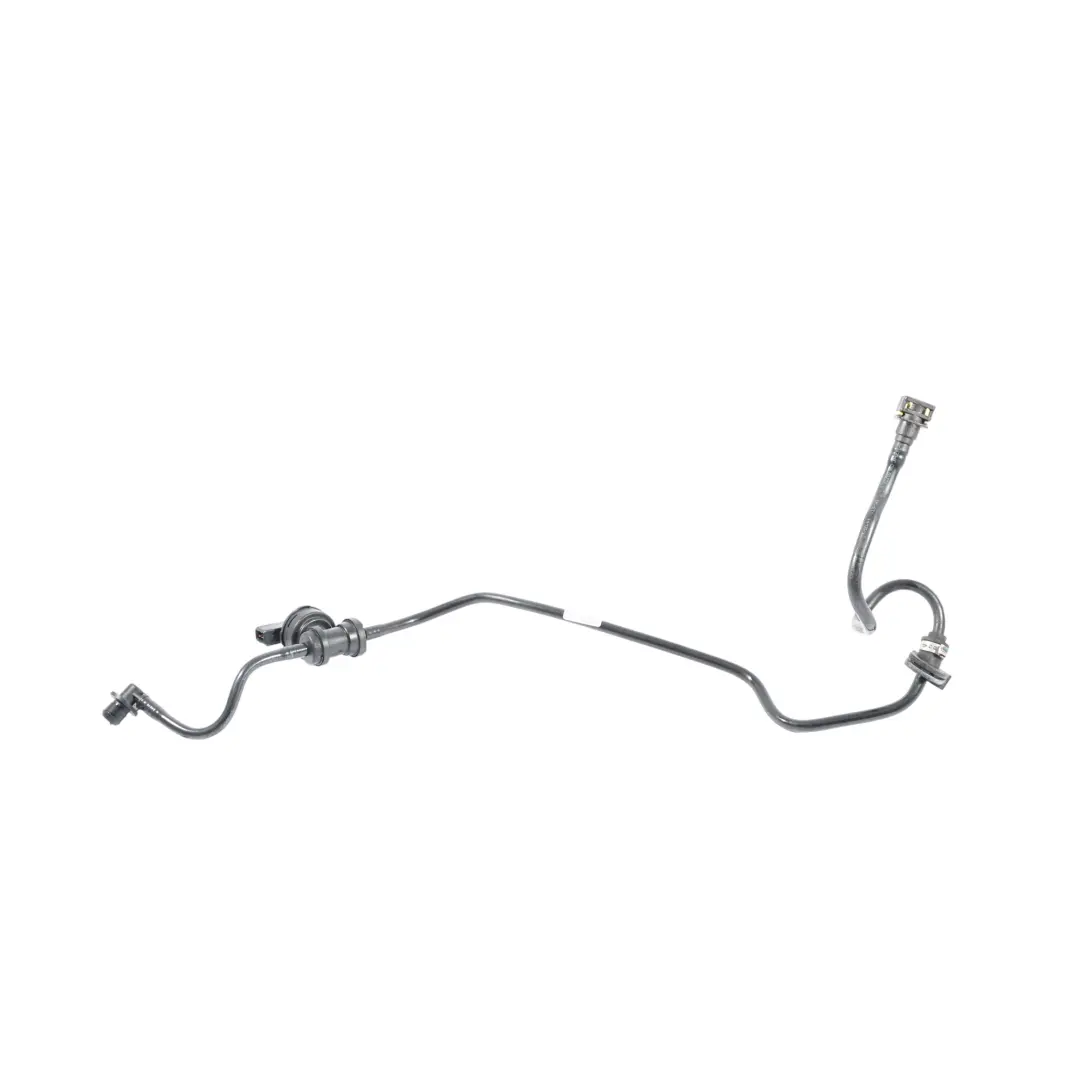
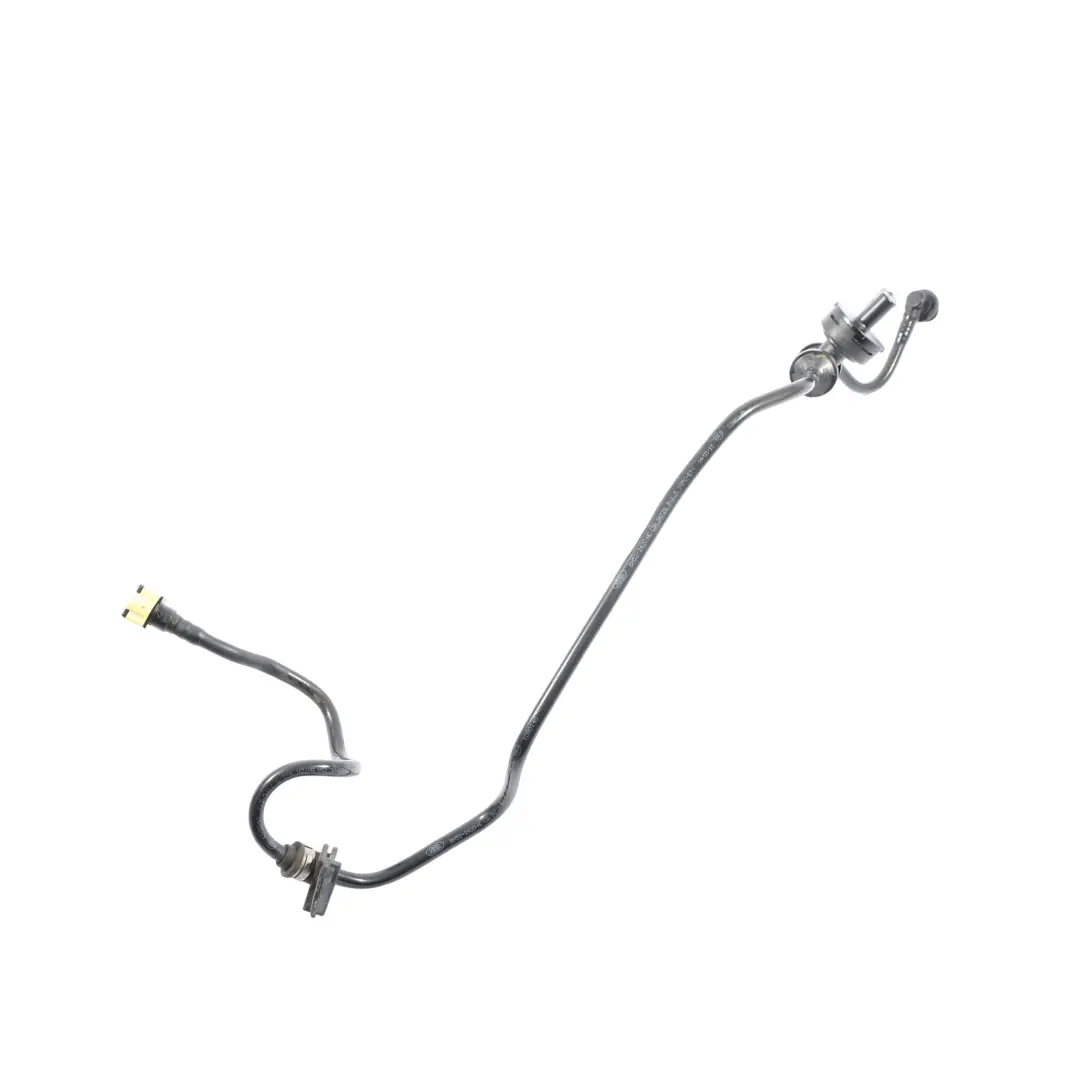
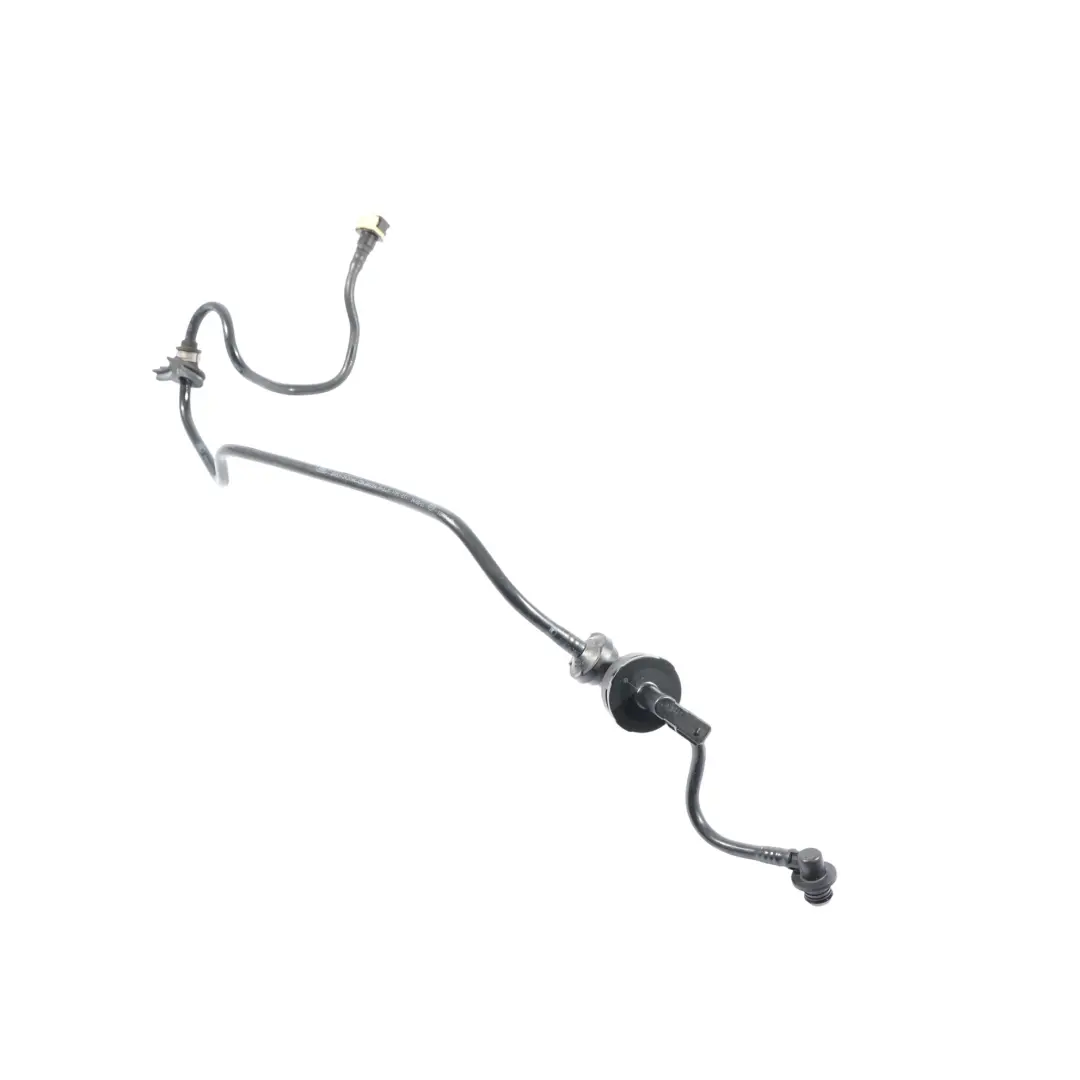
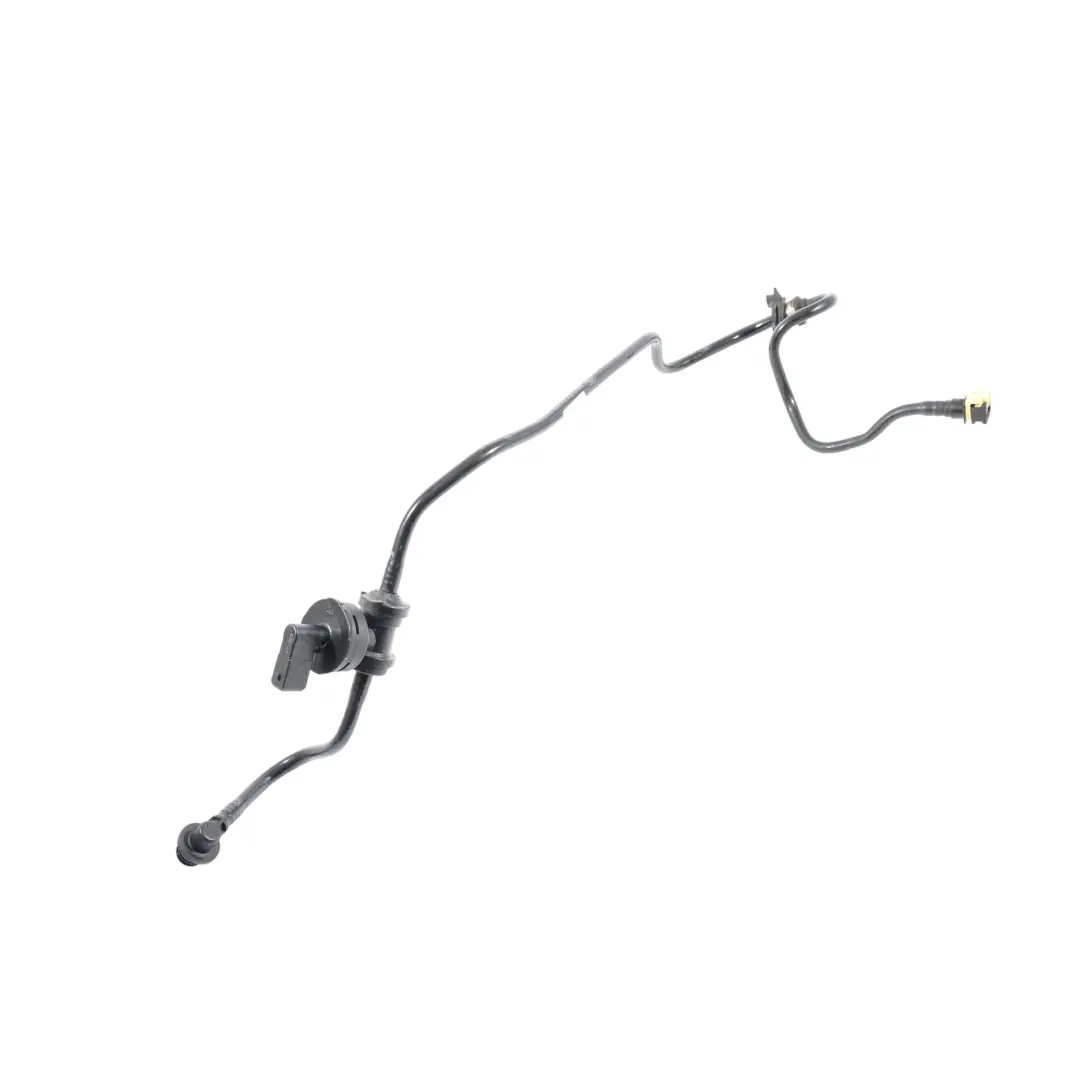
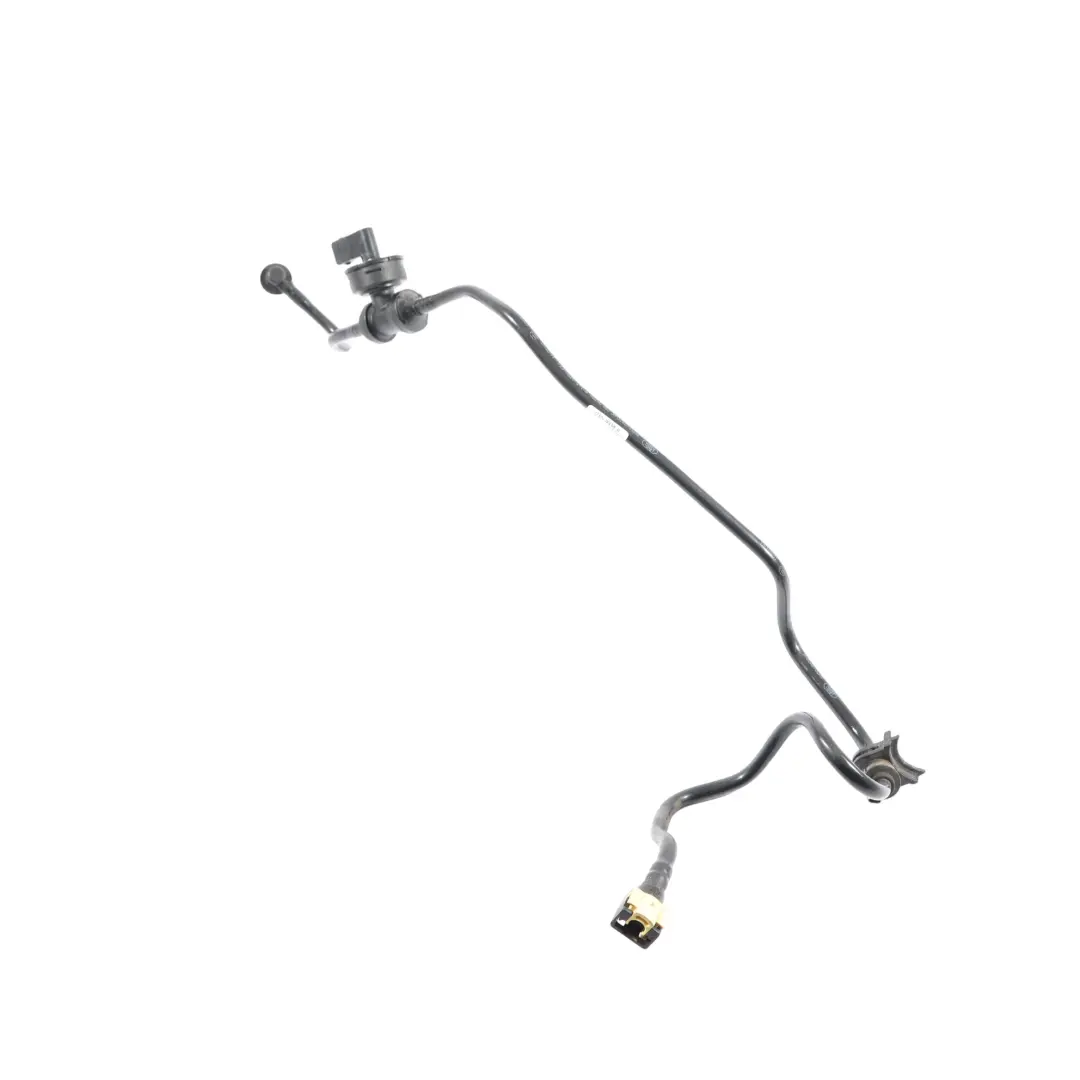
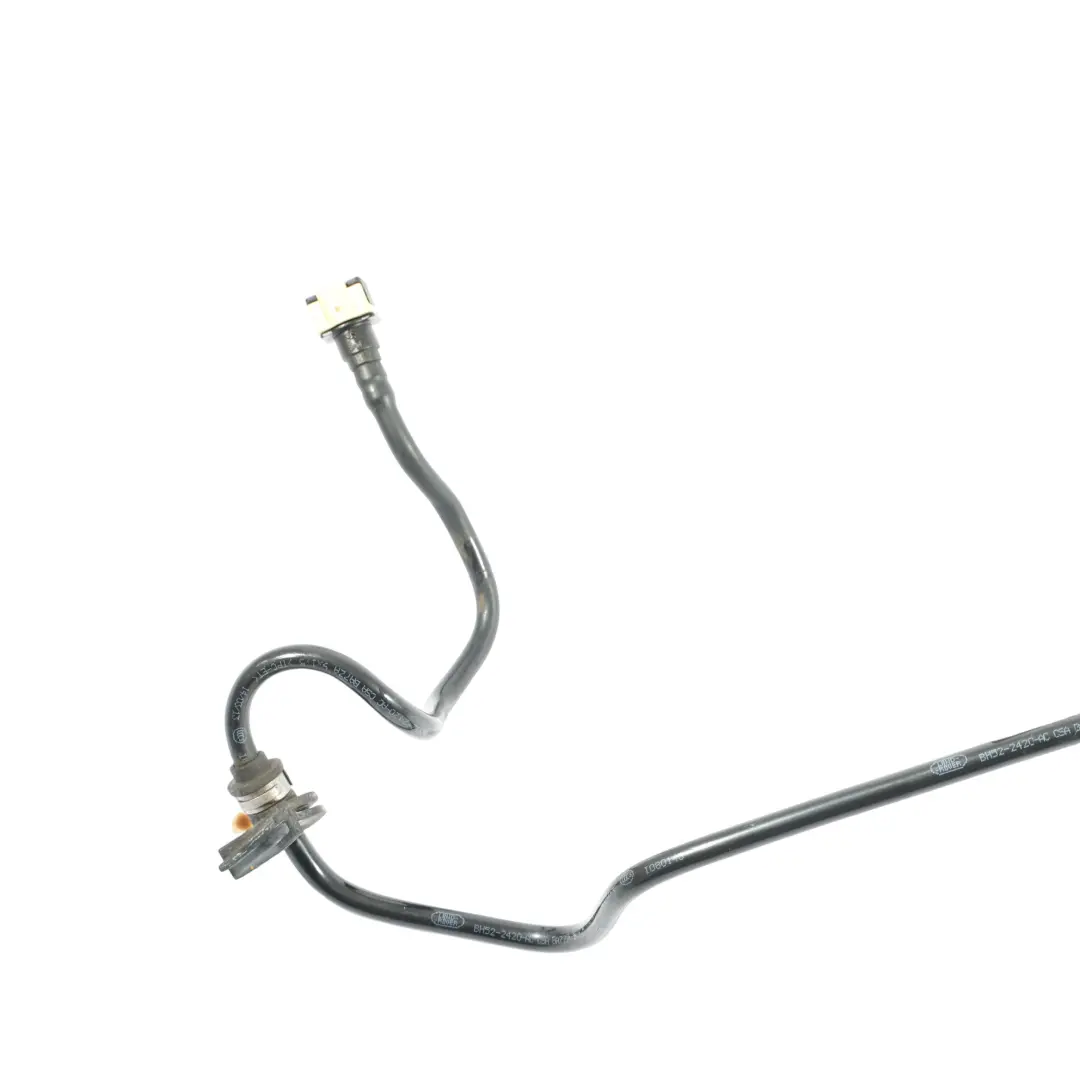
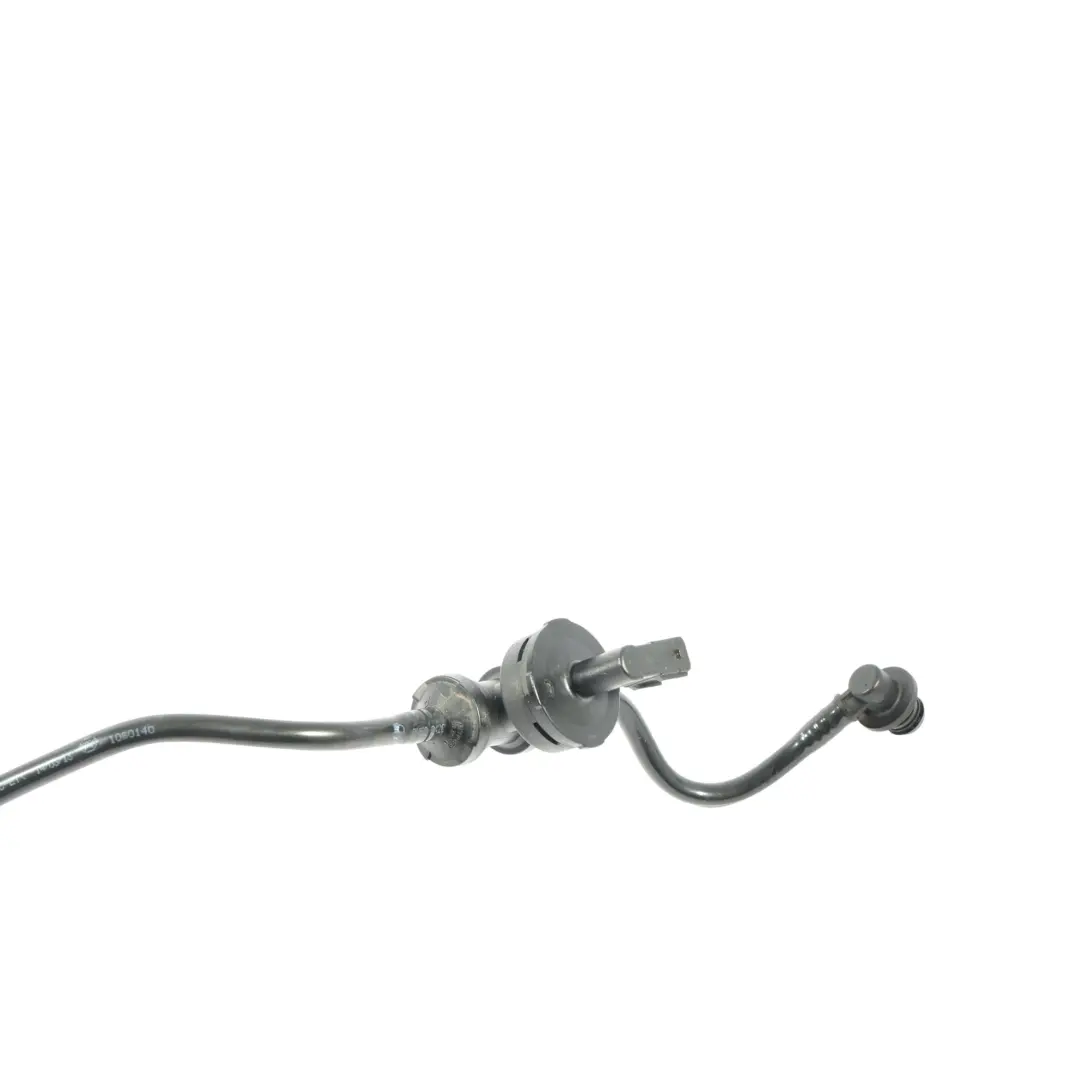
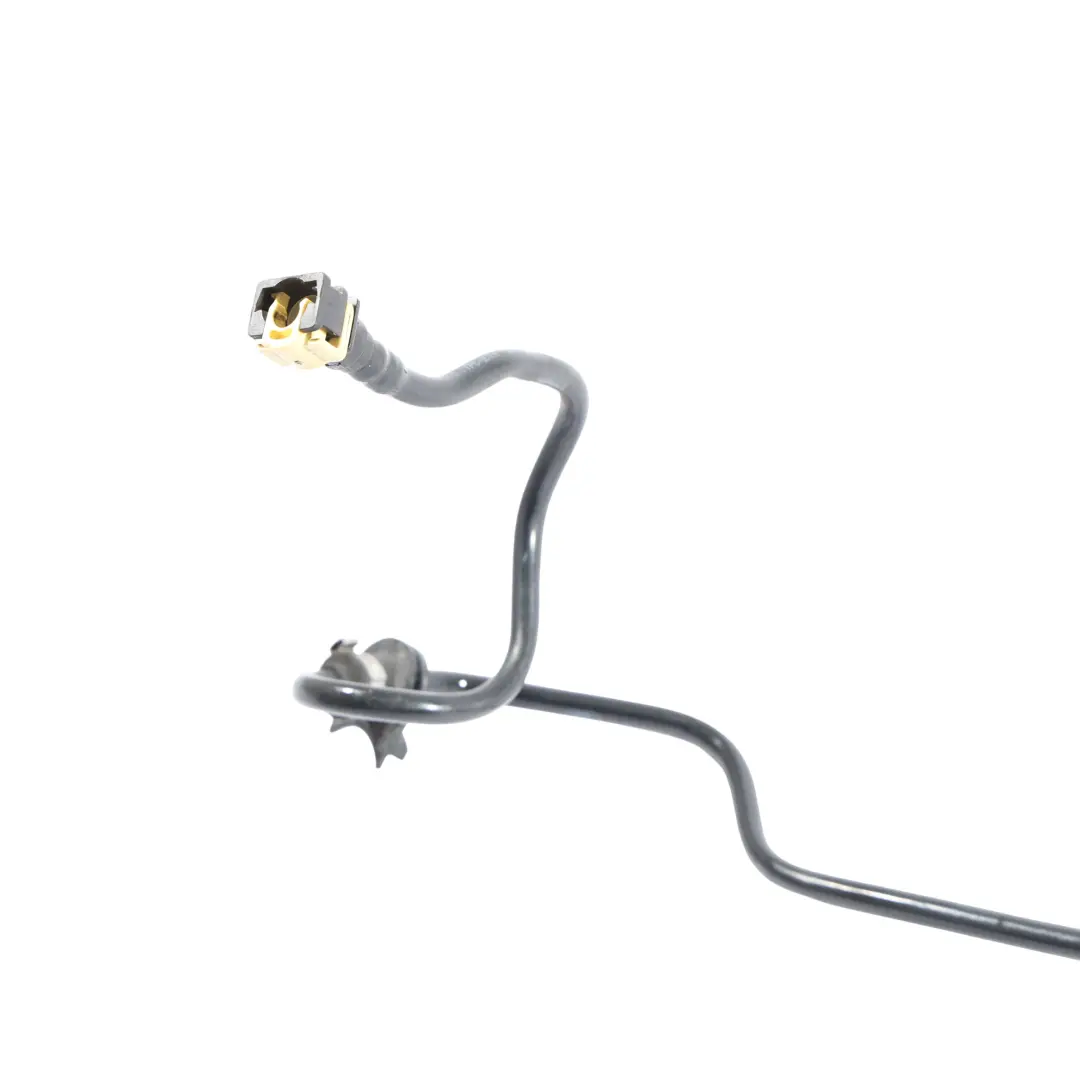
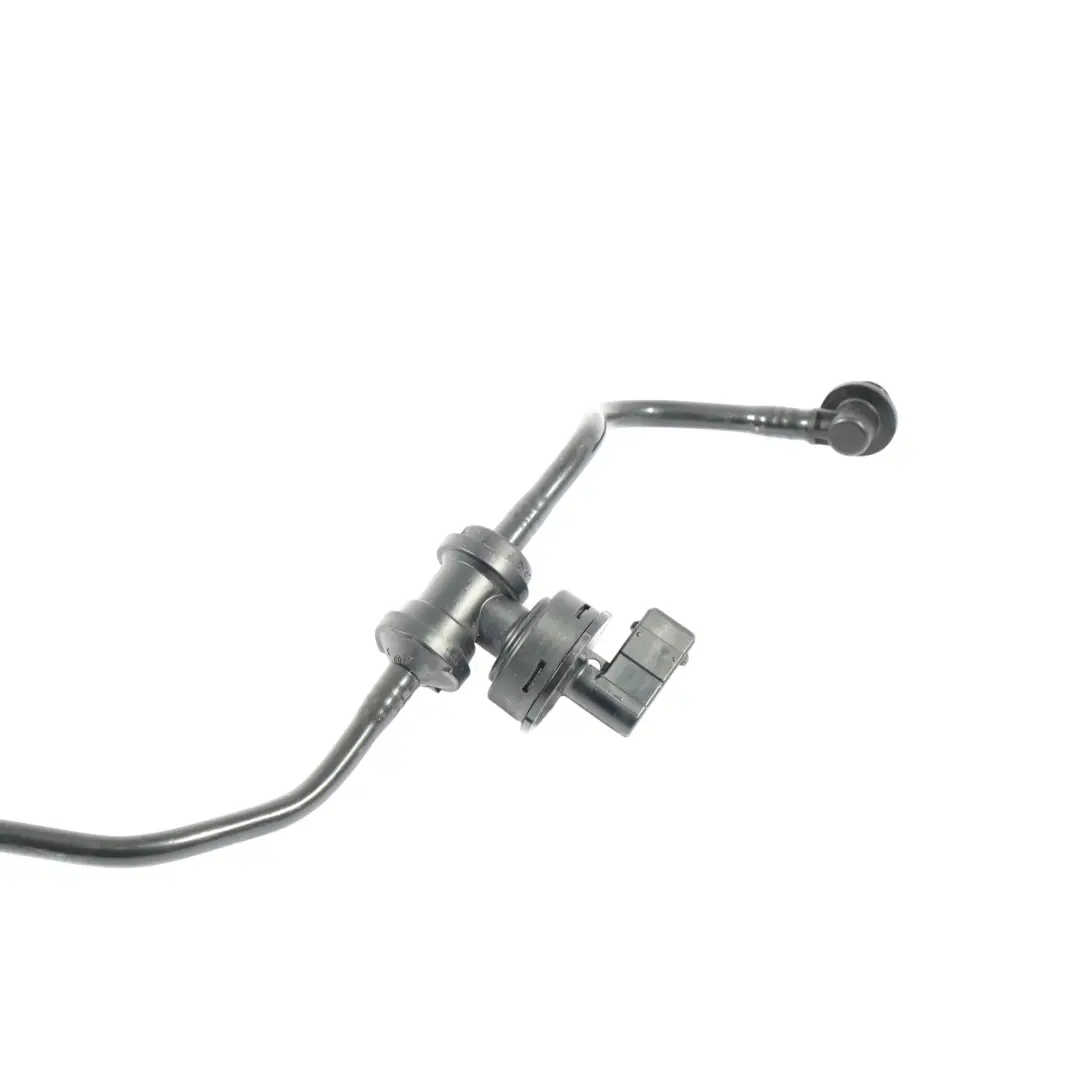
Land Rover Freelander 2 L359 Brake Servo Vacuum Pipe Line Hose BH52-2420-AC
SKU: RHD-LR034390
Product from a certified dismantling facility
Condition:
Used
Available:
1
Delivery time:
Estimated delivery Mon, Sep 21
Dispatched today if paid before 14:00
Payment methods:








Returns:
60 days return for UK 30 days return for other countries
Delivery from:
Free delivery
Retail price£23.95
Promo price£14.37
1
Lowest price in the last 30 days: £23.95
Total for items
£14.37
The Land Rover Freelander 2 L359 Brake Servo Vacuum Hose is an original brake system component from the brake hoses, pipes, and connectors category, designed to work with the brake servo in this model. It ensures stable vacuum routing between the engine and the servo, which translates to predictable brake pedal operation and proper assistance during daily use.
Specifications and technical data
- SKU: RHD-LR034390
- Mark: Land Rover
- Condition: Used
- OEM Part Number: LR034390
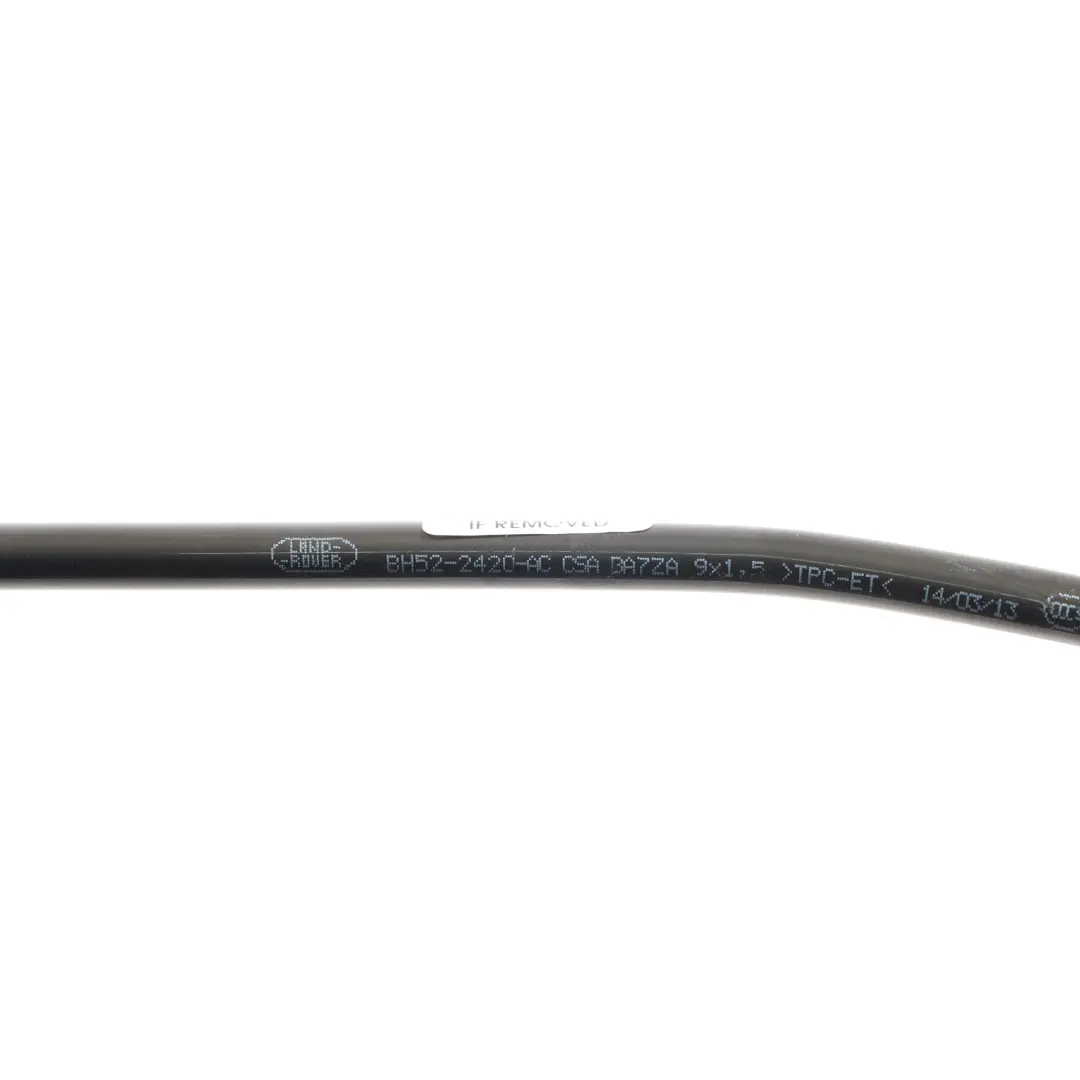
- Substitutable numbers: LR034390, LR175821, BH522420AC, BH52-2420-AC, BH522420AD, BH52-2420-AD
- Part type: Hose
- Category: Brake Hoses, Lines & Fittings
Purpose and Function in the Braking System
The brake servo vacuum hose is responsible for safely delivering vacuum to the servo, which assists the braking force applied to the brake pedal. In the Land Rover Freelander 2 L359, this is a crucial element ensuring:
- stable braking assistance across the full range of engine loads,
- correct brake system response to pedal application,
- maintenance of vacuum line integrity between the engine and the servo. A worn or leaking hose can cause a hard brake pedal, extended braking distance, and engine performance issues. Using an original hose dedicated to this model allows for the restoration of factory-specified power brake assistance parameters.
Construction and Fitment for Land Rover Freelander 2 L359
The hose has been specifically designed for the engine bay geometry of the Freelander 2 L359, taking into account its routing relative to the servo, manifold, and adjacent components. The appropriately selected inner and outer diameter, shape, and mounting points minimize the risk of:
- mechanical stress from engine vibrations,
- abrasion against bodywork or ancillary equipment,
- kinking of the hose during extreme drivetrain movements. This ensures the hose maintains proper flow and seal under the typical on-road and off-road operating conditions often encountered by the Land Rover Freelander 2.
Benefits of Using an Original Land Rover Hose
Choosing a brake servo vacuum hose from the Land Rover range primarily guarantees fitment and compliance with factory technical documentation. In practice, this means:
- maintaining brake system operating parameters as intended by the manufacturer,
- no need for modifications, custom connectors, or adapter fabrication,
- easier future diagnostics and servicing due to compatibility with OEM catalogs. This component, from the brake hoses, pipes, and connectors category, directly impacts driving safety, making the use of an original solution particularly important for vehicles used in diverse road conditions.
Used Condition – A Practical Approach to Servicing
The offered hose is a used part, allowing for economical brake system repair while maintaining original specifications. This is a good solution in situations where:
- the existing hose has suffered mechanical damage or cracking,
- there are leaks in the vacuum line,
- a quick replacement with a part offering factory fitment is required. Prior to installation, a standard check for leaks and correct hose routing in the engine bay is recommended, in accordance with the service procedures for this model.
How to Safely Assemble a Used Braking System
When selecting components such as hoses, servos, discs, or calipers, it is advisable to follow proven procedures and checklists. If you wish to deepen your knowledge on safely choosing used brake components, consult the guide: Used braking system – how to safely select discs, calipers, and ABS. This provides practical knowledge for planning comprehensive brake servicing.
Other Land Rover Brake Hoses, Pipes, and Connectors
If you are assembling the entire vacuum circuit or upgrading the braking system in your Freelander, you can explore available Land Rover brake hoses, pipes, and connectors to select other components from the same category and maintain technical consistency within the vehicle.
Delivery details
Ship to: United Kingdom
Check delivery times for another country
Delivery Price
Service
Postage and packaging
Service
Postage and packaging
Delivery time
Estimated delivery dates include sellers dispatch time, origin postcode,destination postcode and time of acceptance, and will depend on the postage service selected and receipt of cleared payment. Delivery times may vary, especially during peak periods.
Will usually dispatch within same working day if paid before 14:00 BST (excludes weekends and holidays). Expected dispatch time may vary and is based on sellers order cut-off time.
In the automotive store Global Parts, we offer fast and secure deliveries for our customers in United Kingdom, ensuring maximum compliance with local service standards. Each order is processed with the utmost attention, guaranteeing a fluid shopping process and a timely delivery. If you need assistance in choosing the right part, our team of consultants will be happy to help you find the right part for your vehicle and provide information on installation, availability and parameters of the selected components.