Modern engineering is a marvel. Today’s vehicles are designed to last longer, drive smoother, and offer unprecedented levels of comfort and safety. Whether you are behind the wheel of a reliable VW, navigating city streets in a sporty Mini, or cruising the motorway in a luxurious Mercedes, keeping your car in peak condition is a priority for every driver.
But how do you ensure your vehicle stands the test of time? And realistically, how do you know when a car has reached the end of its journey? Here is a look at the lifecycle of modern cars and how to make the most of every mile.
The Foundation: Preventative Maintenance
It sounds incredibly simple, but regular servicing is the absolute lifeblood of any vehicle. Ignoring dashboard warning lights, delaying brake pad replacements, or skipping routine oil changes can quickly turn a minor, inexpensive issue into a catastrophic engine failure.
Protecting Premium Engines
For high-performance and precision-engineered brands like Porsche, Audi, or BMW, preventative maintenance is even more critical. These machines require regular, meticulous attention to their fluids, filters, and timing chains to deliver the driving experience they were built for. Sticking to the manufacturer's service schedule is the single best investment you can make in your car's longevity.
Smart Repairs: Choosing the Right Replacement Parts
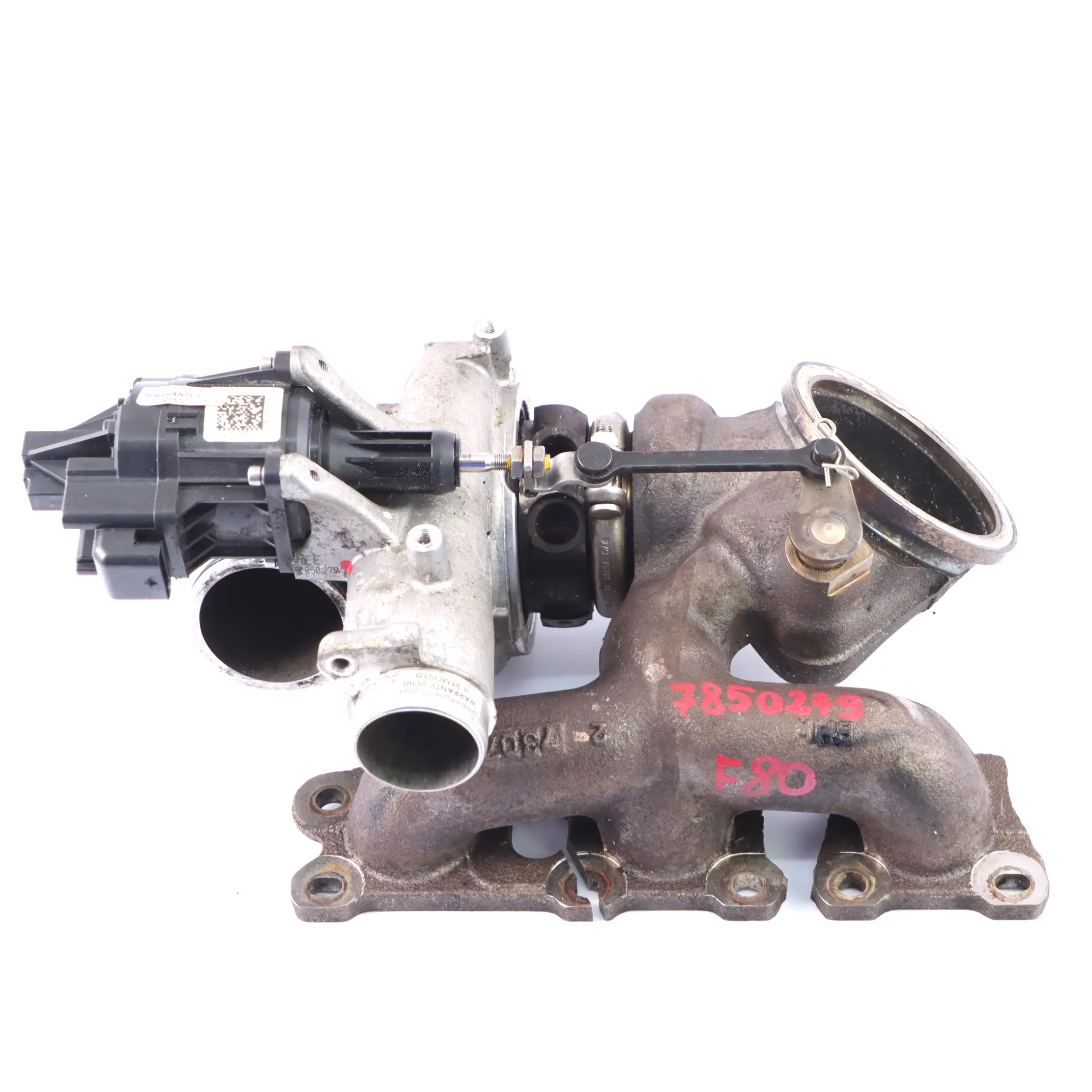
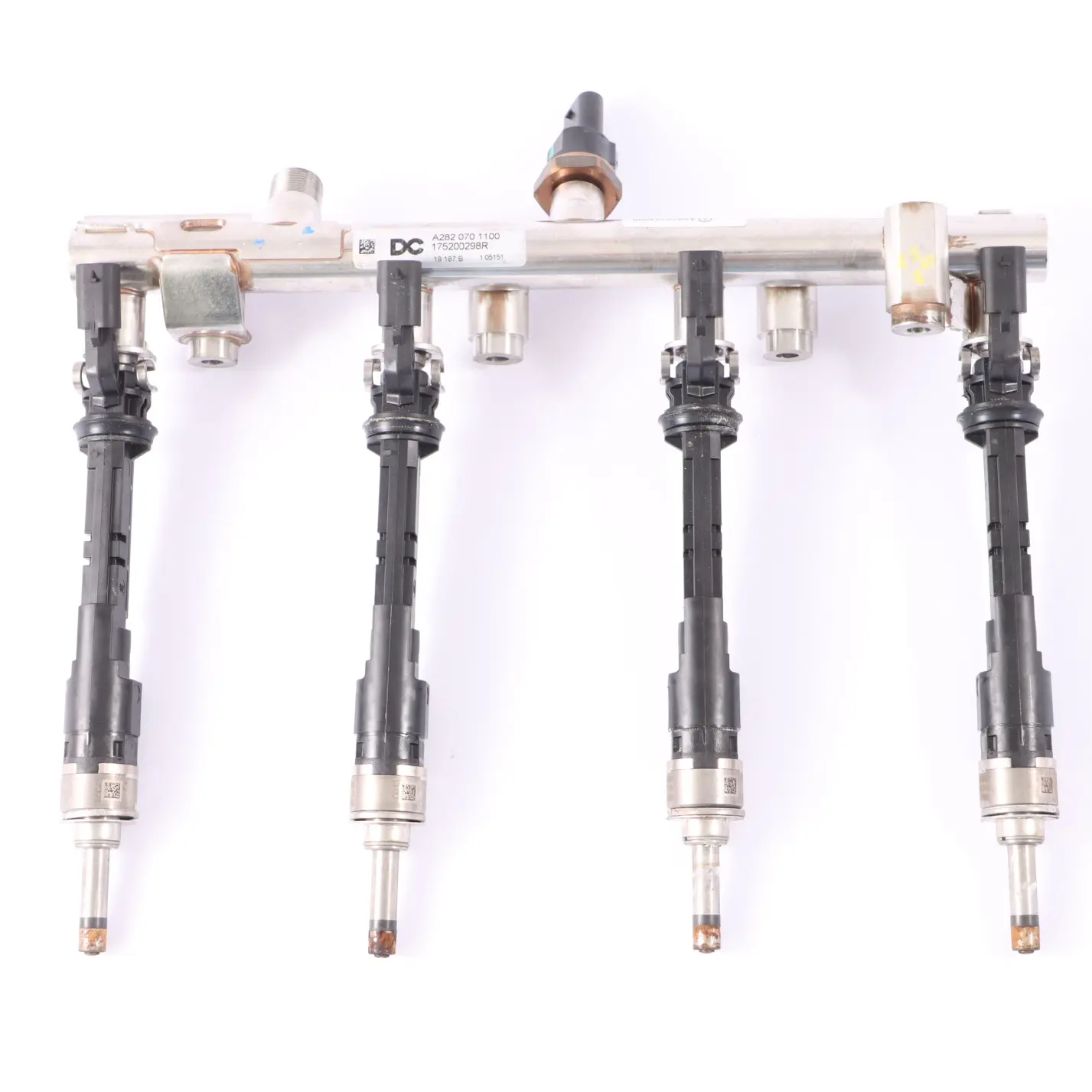
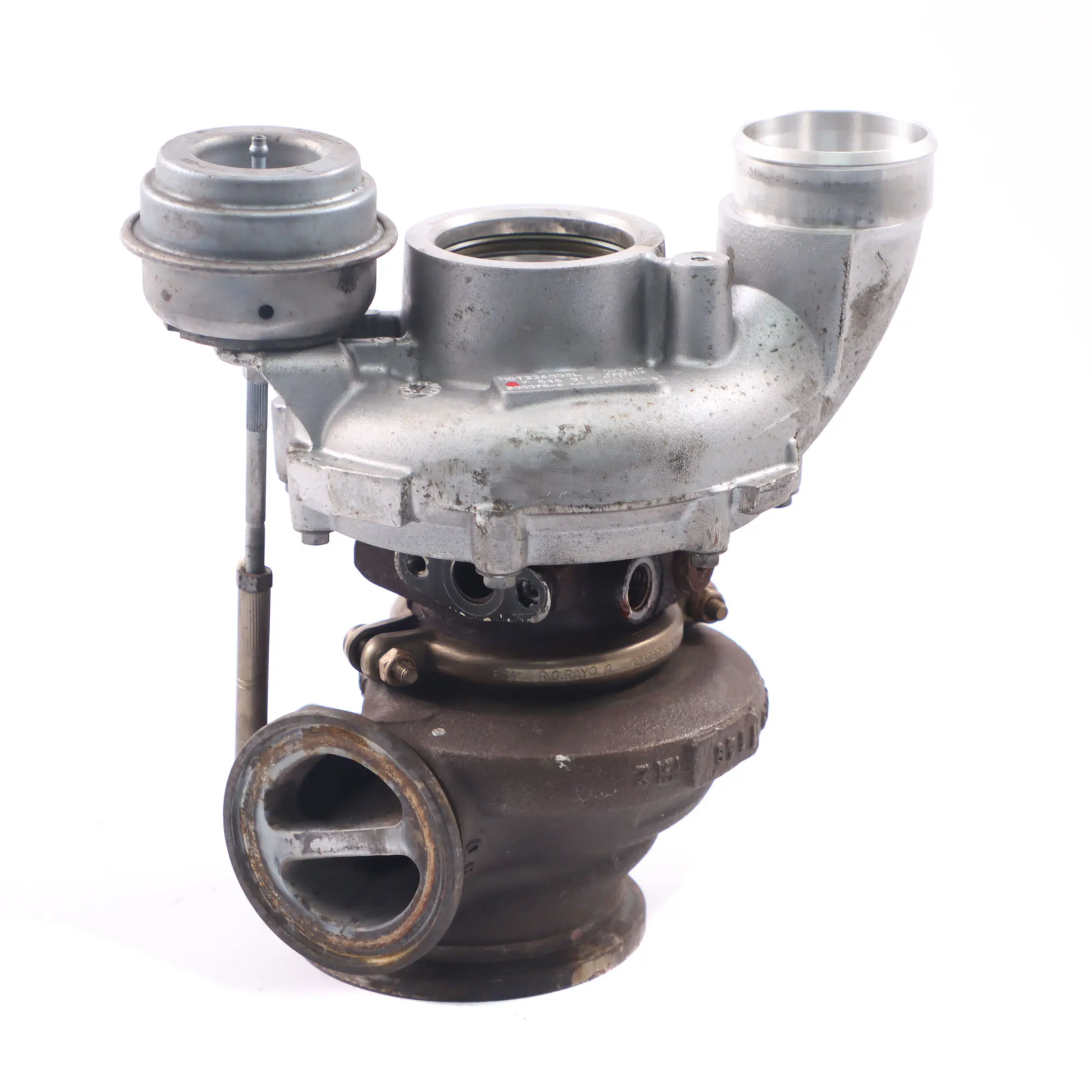
No matter how well you look after your vehicle, eventually, parts will wear out. Alternators fail, suspension components lose their tightness, and electronic modules degrade over time. When it comes to repairs, especially for premium marques like Skoda or Audi, the cost of brand-new OEM (Original Equipment Manufacturer) components direct from the dealership can be eye-watering.
The Environmental and Financial Benefits of Used Parts
This is where smart drivers and mechanics turn to high-quality, salvaged used parts. Sourcing reliable, tested components from a trusted supplier not only saves you a significant amount of money but is also an environmentally friendly choice. By reusing perfectly functioning parts, you reduce the demand for new manufacturing and lower the automotive industry's overall carbon footprint.
The Breaking Point: Knowing When It’s Over
Despite your best efforts, regular maintenance, and smart repairs, every vehicle has a natural lifespan. There inevitably comes a moment when the cost of fixing a blown head gasket, replacing a failing transmission, or repairing extensive MOT-failing rust simply outweighs the actual value of the vehicle itself. When repair bills start looking like a down payment on a much newer model, it is time to make a tough, logical decision. When that day arrives, the most responsible, stress-free, and financially sound option is to scrap a car through a licensed, professional facility. Doing so ensures that the vehicle is disposed of legally, hazardous fluids are safely neutralised, and any remaining viable parts are salvaged to help keep other vehicles safely on the road.
Enjoying the Drive
Cars are more than just transport; they are an integral part of our daily routines, road trips, and family memories. By maintaining them well and choosing smart, sustainable repair options, you can enjoy years of reliable driving. And when the journey finally ends, making the right choice for its disposal ensures the automotive cycle continues responsibly.