The suspension rattles over bumps, and vibrations appear under the floor pan during acceleration—seemingly similar problems may require completely different repairs. In an Audi quattro, it's crucial to determine whether the symptom is coming from the wheel guides or the torque-transmitting components. Simply locating the noise in the rear of the car isn't enough to warrant replacement of the differential or the entire axle. A proven factory component from a disassembly is worth considering if it matches the correct design and the actual extent of the problem. However, this doesn't mean that the entire repair should rely solely on used parts, as worn components and the limitations of their reinstallation require a separate assessment. At Global Parts, you can browse our range of original components and consult on the compatibility of a specific component with your vehicle. Contents
- What does choosing factory dismantled parts actually give you?
- Does every Audi quattro have the same drive system?
- Differential and drive shaft: how to identify the source of the problem?
- Knocking in Audi suspension: bushing, control arm or sled?
- Audi Q7 air suspension: why replacing the compressor may not be enough?
- How do I confirm fit and properly complete the repair?
- FAQ - Questions about quattro drive and used Audi suspension
What does choosing factory dismantled parts actually give you?
The most important advantage of a compatible factory component is maintaining the design intended for a specific vehicle model. However, this doesn't mean that every used original is a better choice than a new part of the same quality. A factory shaft, gearbox, or subframe have specific dimensions, mountings, and applications, which can be compared with the vehicle's documentation. This is especially important when seemingly similar components differ in their gear ratio, connection method to the drivetrain, or additional support points. Therefore, the term " used suspension" should not automatically imply the assembly of the entire assembly along with all the other parts. Worn bushings, damaged boots, and other components requiring replacement must be considered separately. Additionally, Polish regulations list steering and suspension joints among the parts whose reuse poses a safety risk. In practice, selecting a proven structural part from disassembly may therefore involve the use of new mating components rather than replacing them with new used ones.
Does every Audi quattro have the same drive system?
No— the Audi quattro comes in various versions, depending on the model, generation, and engine setup, among other things. Therefore, the name quattro doesn't yet define the type of clutch, center differential, or rear drive unit. In compact models with a transverse engine, such as the Audi TT quattro 8N, a hydraulically controlled multi-plate clutch is used on the rear axle. The clutch regulates torque transfer to the rear, while the rear differential allows the wheels on that axle to rotate at different speeds. In many models with a longitudinally mounted engine, the center differential distributes power between the axles. One solution used by Audi is the Torsen mechanism, which operates on a mechanical design. The newer quattro ultra system is a separate variant, using two clutches to disengage part of the rear drive and should not be confused with the Haldex clutch. Repairing an Audi quattro drive requires first identifying the system, and only then selecting parts and following the appropriate diagnostic procedure.
Differential and drive shaft: how to identify the source of the problem?
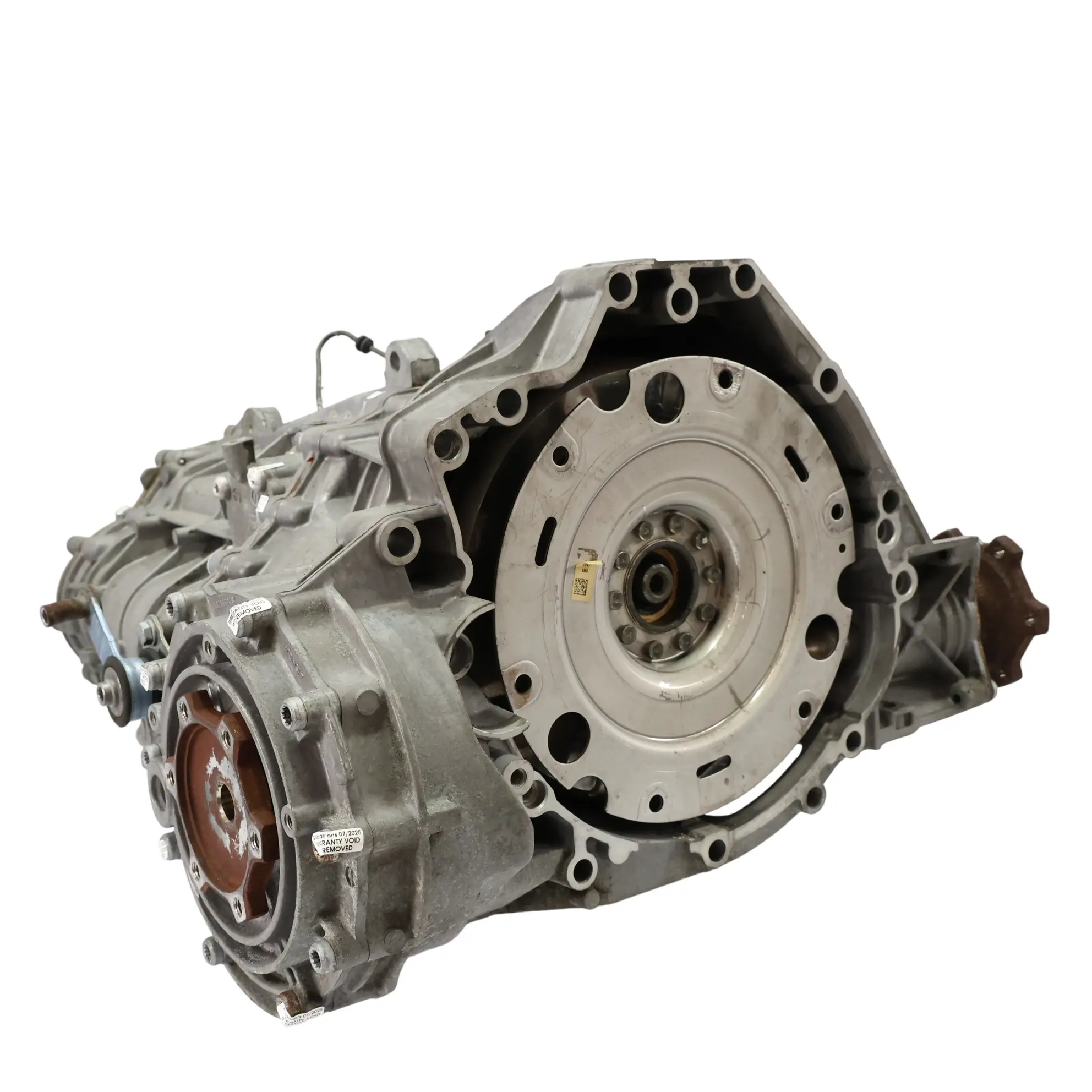
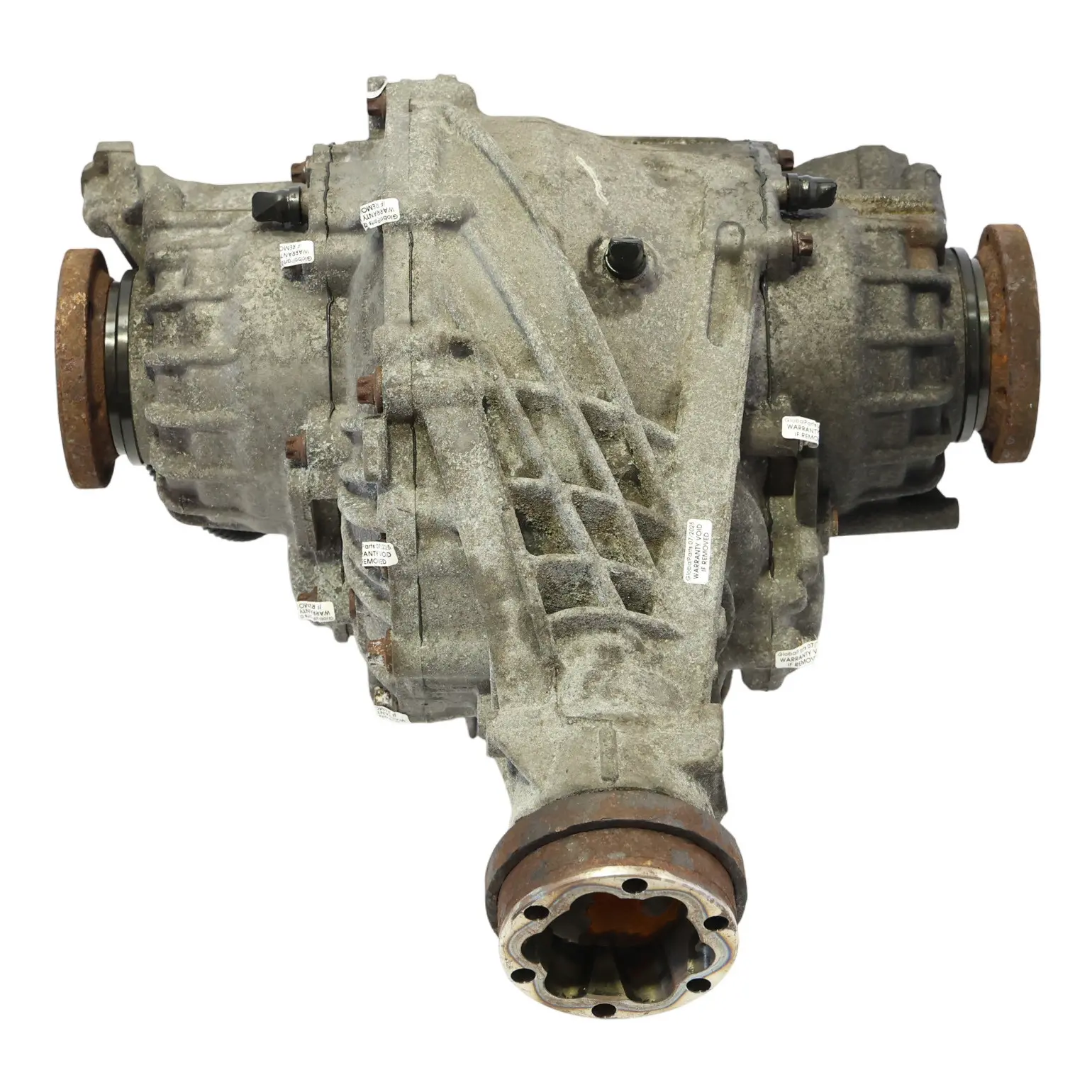
A load-dependent whine may indicate a problem with the transmission or its bearings, but similar noises must be distinguished from noise from other drive components. An important clue is a change in sound during acceleration, deceleration, and cornering. The workshop should check the source of the noise, the condition of the connections, and any leaks, rather than basing a decision solely on the in-cabin recording. If the gearbox damage is confirmed, the repair of the current unit can be compared with the installation of a proven, compatible unit. The used Audi quattro differential must match the drive configuration, including the correct gear ratio and connections to the associated components. A good example is the Audi A4 B6 differential, as the model name alone doesn't identify a single gearbox. The 01R family documentation lists various versions for the A4, including the ETR with a 4.111 gear ratio and the ETS with a 3.889 gear ratio. Therefore, the similar housing appearance is not sufficient to confirm interchangeability.
When does suspicion fall on the drive shaft?
An Audi quattro driveshaft should be inspected primarily if speed- or load-dependent vibrations occur, and diagnostics indicate a problem with the drivetrain. A specialist assesses the condition of the joints, connections, and supports within the assembly. The absence of deformation and proper shaft balance are also important, as the shaft is designed to operate at high speeds without excessive vibration. GKN recommends precise balance, stiffness, and durability as essential characteristics of a properly functioning unit. Therefore, a used driveshaft should be assessed as a complete assembly, not simply a tube with matching ends. The scope of any repair and rebalancing should be determined by a driveshaft repair shop. The table below provides a guide to diagnostics, but does not replace having your car checked at a workshop.
Symptom Items that need to be checked Importance for repair Howling that changes during acceleration and deceleration The main gear and its bearings, excluding other noise sources The sound alone does not determine the need to replace the entire differential. Vibrations that increase with speed Shaft, axle shafts, joints and drive connections It is necessary to check the clearances, deformations and balance of the relevant assembly. Deteriorated handling and abnormal tire wear Shock absorbers and suspension connections Replacement should be for confirmed damage, not a random set of parts. Body sagging and frequent compressor operation Bellows, lines and pneumatic valve block First, the source of the pressure loss must be determined. Knocking in Audi suspension: bushing, control arm or sled?
Replacing the entire assembly is not necessary when the fault involves a single, replaceable component and the rest of the structure remains functional. However, a deformed subframe, a damaged mount, or a control arm whose connection cannot be repaired using the intended technology requires a different approach. The front suspension of the Audi A6 C6 uses a four-link system, so an assessment should include individual wheel guide joints. A damaged ball joint boot allows dirt to enter, accelerating wear and potentially affecting vehicle handling. If the manufacturer specifies separate bushing replacement and the control arm housing is undamaged, the scope of the repair can be limited to this component. However, it should not be assumed that each pin or bushing is individually replaceable. The suspension subframe, or subframe, requires a separate assessment of its geometry, mountings, and structural damage. A used unit should be selected only after such an inspection, without considering straightening or masking damage as a method of preparing the part for assembly.
Why might a rear axle from another Audi not fit?
A similar assembly name does not imply identical construction or compatibility of all fasteners. Audi A3 8P rear suspension It belongs to a multi-link design, in which individual arms are responsible for guiding the wheel and transferring various loads. In larger models, Audi also used a trapezoidal lower wishbone system, characteristic of the rear suspension of the Audi A4 B8, among others. A specific difference is visible in the rear suspension of the Audi A6 C6 : the subframe of the quattro version has an additional structural element for mounting the rear transmission, which is not present in the front-wheel drive version. This is why the term "complete rear axle" should be supplemented with an identification of the drive version and the kit contents.
Audi Q7 air suspension: why replacing the compressor may not be enough?
In an Audi Q7 equipped with pneumatics, frequent compressor operation may be the result of a leak, not the root cause of the problem. Replacing the compressor without repairing the air leak could expose another component to excessive stress. A body corner that sags after a standstill requires inspection of the air springs, hose connections, and valves responsible for maintaining pressure. Diagnostics also includes data from height sensors and control operation, as not every incorrect body position is purely mechanical. When considering a used Audi air suspension, the workshop should separately assess the condition of the air springs, shock absorbers, and air supply components. The absence of a visible leak in the photo does not confirm the operation of the entire strut or its proper damping. With worn air springs and shock absorbers, it may be advisable to use a new or properly reconditioned assembly instead of another part with unconfirmed condition. Air system removal should be performed by a specialist who, according to the manual, will secure the vehicle, disconnect the control, and safely release the pressure from the system.
How do I confirm fit and properly complete the repair?
The basis for selection is vehicle identification, part designation, and factory equipment configuration. Audis use PR codes to aid in this process, which describe installed solutions and are also important for electronics configuration. Before purchasing, the workshop should determine the drivetrain variant and suspension type, rather than limiting itself to model and year. Then, they compare component designations and confirmed applications in the catalog, especially for transmissions compatible with different gearboxes. The scope of installation should also include seals, fluids, and fasteners required by the appropriate repair manual. Connections with rubber-to-metal bushings should be tightened in the position specified by the manufacturer, corresponding to the normal operating position of the suspension, to avoid introducing incorrect rubber tension. After work on the wheel guide elements or subframe, a geometry check is necessary within the scope specified for the given repair. For pneumatic systems, additional height calibration requirements and system operation should be checked after installation. The following list shows what information is worth confirming before selecting a component.
Component The most important data to confirm What is not enough for evaluation? Rear differential Gear code, ratio and drive configuration assignment The name of the Audi model itself. Drive shaft Proper assembly and condition of joints, connections and balance Similar appearance of the ends. Suspension element depending on equipment Factory configuration and proper part marking Year without information about the car version. Pneumatic column Compatibility of use, tightness and efficiency of the shock absorber Photo with no visible damage. FAQ - Questions about quattro drive and used Audi suspension
The most common doubts concern the differences between quattro variants, part identification and the scope of work after assembly.
When purchasing, it's important to separate the component's compatibility from its condition. A matching marking doesn't necessarily confirm the functionality of a specific unit. A functional part, however, doesn't necessarily have to match the vehicle's equipment. Installation procedures and any electronic settings require separate consideration. Therefore, part selection should be based on the identified fault and repair plan, not just the offer name.


| QUESTION | ANSWER |
|---|---|
| What is quattro drive in Audi? | Quattro is Audi's term for four-wheel drive. It encompasses various technical solutions and therefore does not refer to a single type of center differential or clutch. |
| What does used factory part mean? | This is an original component that has already been used in the vehicle. Factory origin does not automatically imply remanufacturing, nor does it replace inspection of its condition. |
| What are PR codes in Audi? | PR codes describe the vehicle's factory equipment. They help identify the solutions used and are important when selecting parts and configuring certain control units. |
| Does a differential from the same Audi model always fit? | No. You must confirm the transmission code, ratio, and application in your specific drive configuration. A similar housing does not constitute proof of interchangeability. |
| Can a whole used control arm be installed without further evaluation? | No. Verification of the design and the admissibility of reusing its components is necessary. Polish regulations include steering and suspension joints in the list of parts hazardous for reuse. |
| Does a sagging Audi Q7 always need a new compressor? | No. The cause could be a leak in the bellows, hose, or valve block. Before replacing the compressor, the entire pneumatic system should be diagnosed. |
| Is it necessary to check the geometry after replacing the sled? | Yes. The position of the subframe affects the alignment of the wheel guides. The workshop should perform the inspection and necessary adjustments according to the documentation for the specific model. |