One Car, Hundreds of Parts: Why End-of-Life Vehicles Are More Valuable Than They Look
A car that can no longer be driven does not necessarily have nothing left to offer. Beneath damaged bodywork, worn suspension and an ageing engine bay, there may still be dozens of perfectly serviceable components. Some can help repair another vehicle, others can be refurbished or professionally assessed for reuse, while the remaining materials can enter established recycling processes. This is one of the most overlooked aspects of the automotive industry. A vehicle might be considered beyond economical repair because restoring it would cost more than its market value. Yet that same car may contain an original gearbox, undamaged doors, working electronic modules, valuable interior components and numerous smaller parts that are increasingly difficult to find new. For professional vehicle dismantlers, end-of-life vehicles are not simply piles of scrap metal. They represent a combination of reusable components, recoverable raw materials and opportunities to extend the service life of other vehicles. Understanding this difference reveals why car dismantling plays an important role in the UK automotive aftermarket, and why the end of one vehicle's journey does not necessarily mean the end of its parts.
What Is an End-of-Life Vehicle?
An end-of-life vehicle (ELV) is a vehicle that has become waste and is intended for disposal or recovery. In the UK, such vehicles must be handled through appropriate authorised facilities, where hazardous substances are removed and components can be assessed for reuse or recycling. A car can reach this stage for many reasons. Serious accident damage, structural corrosion, expensive mechanical failures and long-term deterioration may all make further use impractical. In other cases, the vehicle has simply reached an age where keeping it roadworthy demands increasingly frequent and costly repairs. However, there is an important distinction between a vehicle that is no longer economical to repair and a vehicle in which every component has failed.
For example, a car with severe corrosion around critical structural mounting points may be unsuitable for continued road use, despite having a perfectly functional engine. Similarly, a vehicle damaged in a rear-end collision may still contain an undamaged powertrain, dashboard, steering components and numerous electrical systems.
The condition of the complete vehicle does not automatically reflect the condition of every individual part. This is why professional end-of-life vehicle recycling begins with understanding what can be recovered rather than treating the entire car as a single disposable object.

How Many Reusable Parts Can One Scrap Car Contain?
A modern passenger car contains thousands of individual components when fasteners, electrical connectors, seals and internal assemblies are included. Not all of these items are removable, reusable or commercially worth recovering, but the potential inventory can still be substantial. A single vehicle may provide:
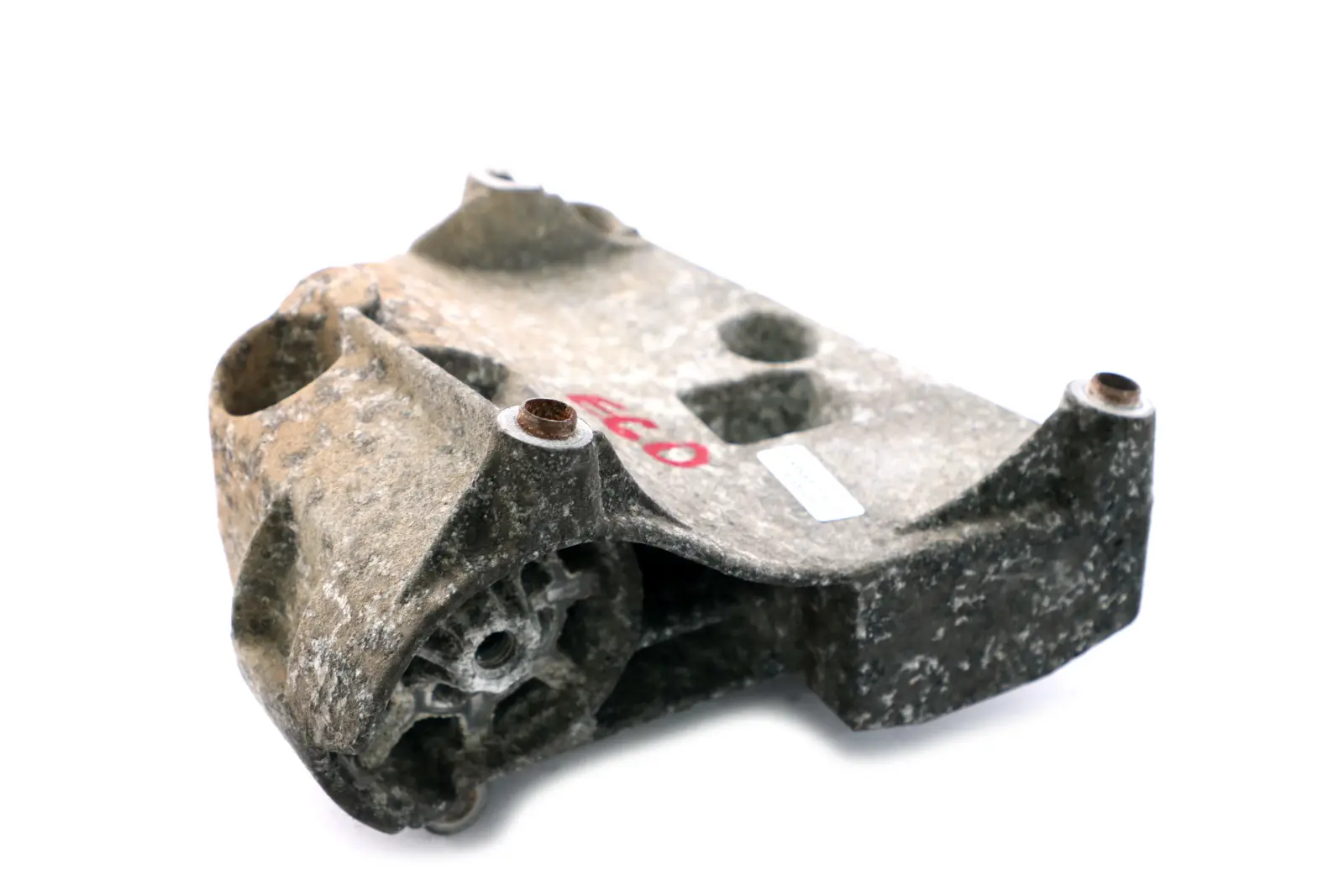
- Engines, gearboxes and drivetrain components
- Alternators, starter motors and selected engine ancillaries
- Doors, bonnets, tailgates and exterior body panels
- Headlights, rear lights, mirrors and window mechanisms
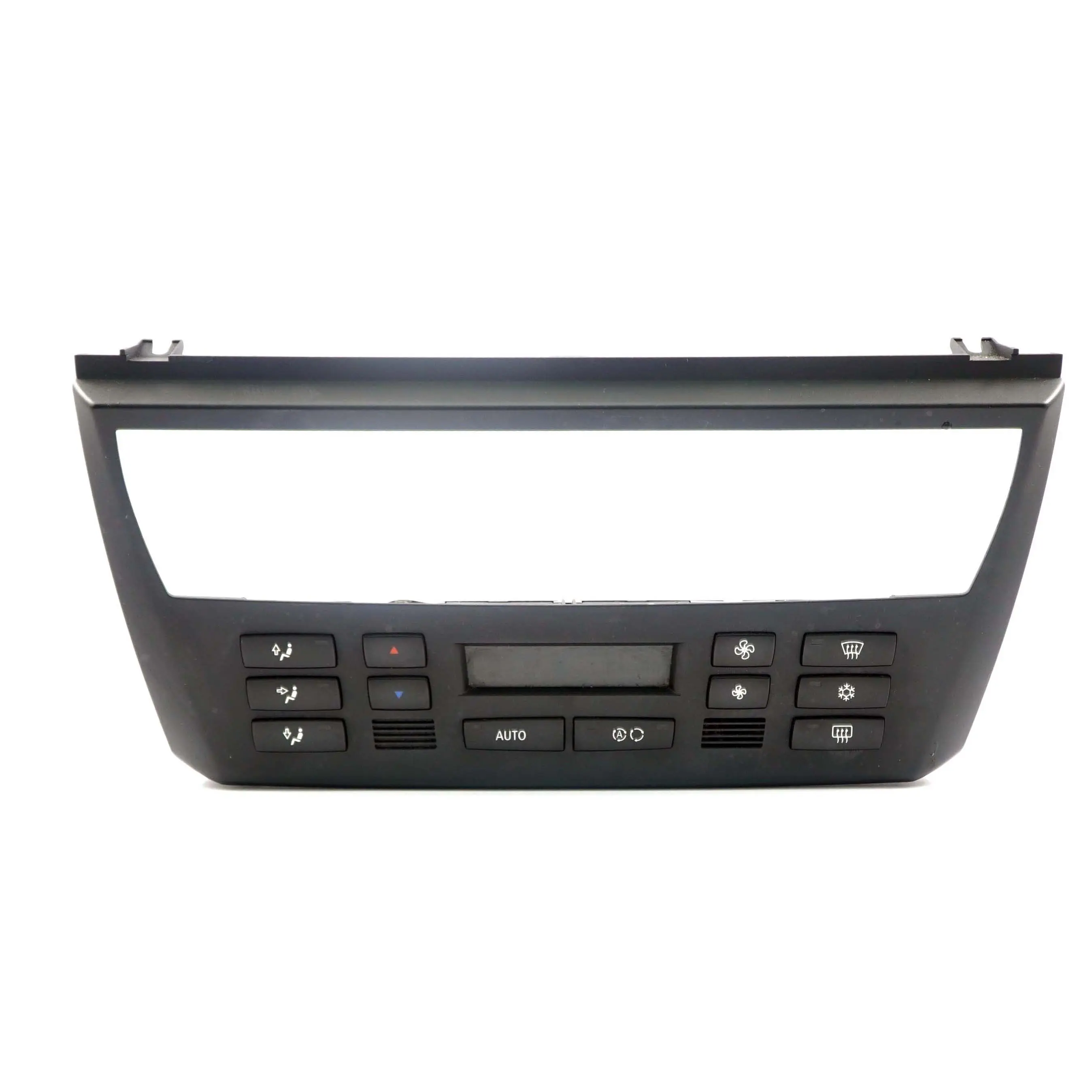
- Seats, dashboards, interior trim and control switches
- Infotainment equipment and electronic control modules
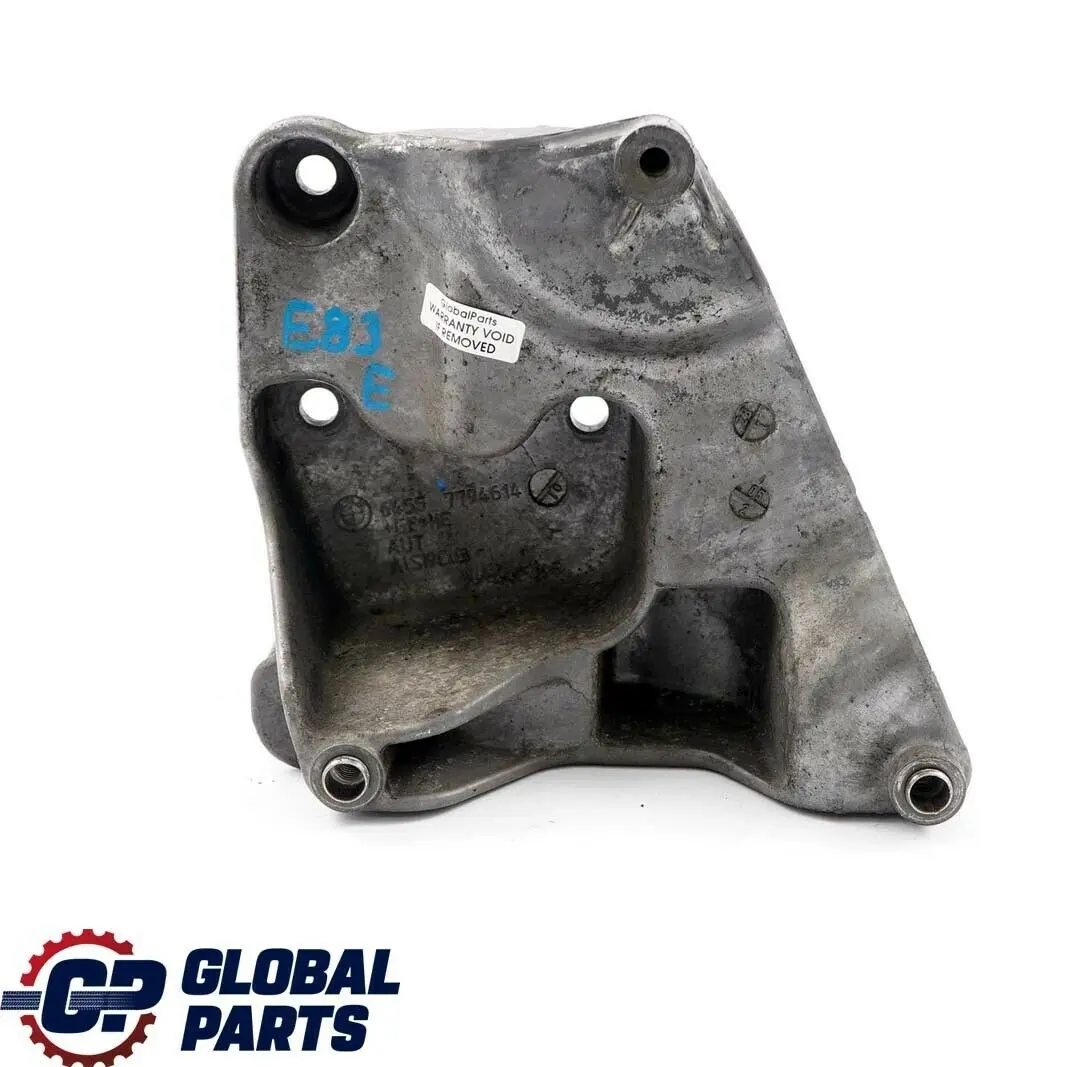
- Wheels, suspension assemblies and selected braking components
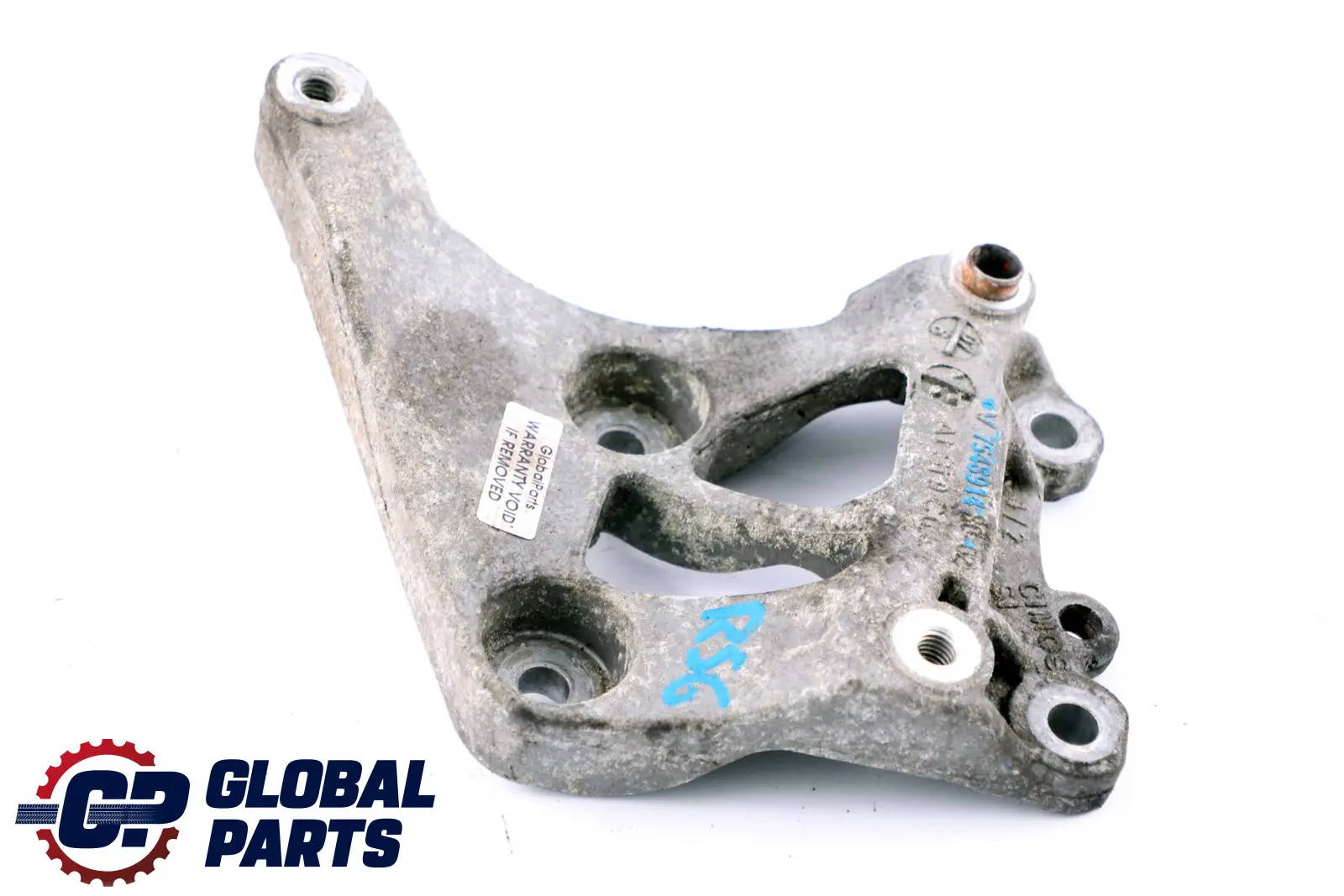
- Wiring harnesses, brackets, mounting hardware and smaller fittings The number of usable components depends on the vehicle's design, condition, mileage, accident history and market demand. A lightly damaged car may provide a wide range of parts, while a heavily corroded or fire-damaged vehicle may offer relatively few components suitable for reuse. There is also a difference between a component being physically present and being suitable for resale. A part must be sufficiently intact, correctly identified and appropriate for its intended use. Safety-critical parts require particular care, and some components should not be reused at all. Nevertheless, a vehicle entering the dismantling process can represent far more than its weight in steel and aluminium.
-
Engines: The Most Complex Component May Still Have Years of Life Left
An engine is often one of the most technically complex and potentially valuable assemblies recovered from a dismantled vehicle. Even when a car is scrapped because of accident damage, electrical faults or extensive corrosion, its engine may remain mechanically sound. The vehicle's overall condition and the engine's condition are separate questions.
A professional assessment considers several factors:
- Engine code and exact technical specification
- Recorded mileage and available service history
- Known mechanical faults or evidence of overheating
- Oil leaks, external damage and contamination
- Timing system condition, where information is available
- Whether the engine was running before dismantling
- Compatibility with other vehicle models and production years Engine identification is especially important because similar-looking power units are not always interchangeable. A manufacturer may use several versions of the same basic engine family, each with differences in sensors, turbochargers, engine management, ancillary equipment or emissions systems. Two vehicles displaying the same engine capacity may therefore require different replacement assemblies. An incorrect engine specification can create expensive complications during installation, even if the unit physically fits into the engine bay. This is one reason why used OEM engines from dismantled cars should be selected using engine codes, part numbers and the recipient vehicle's technical details rather than relying on a general model description. For older vehicles, a suitable used original engine can provide an alternative to replacing the entire car. However, installation costs, component condition and the underlying cause of the original failure must still be considered. A recovered engine is not automatically a guaranteed working engine. Its value depends on identification, condition and the evidence available to support its suitability for further use.
-
Gearboxes and Drivetrain Components: More Than a Replacement Transmission
Gearboxes are another important category within the market for salvage car parts. Manual and automatic transmissions contain precisely manufactured components designed to operate together under substantial loads. Replacing a faulty gearbox with a new assembly can be expensive, particularly on older premium vehicles where the cost may be disproportionate to the car's current market value. A correctly matched used gearbox may offer a more economical repair route. However, compatibility is rarely determined by transmission type alone. Gearbox codes, drive configuration, final-drive ratios, software versions and production changes can all influence whether an assembly is suitable. For example, a transmission taken from a rear-wheel-drive version of a particular model may not be interchangeable with one used in an all-wheel-drive configuration. Automatic gearboxes may also require specific electronic adaptations or software procedures after installation. Professional dismantling can additionally recover components such as differential assemblies, driveshafts, transfer cases and selected transmission-related equipment. These parts illustrate an important principle: a vehicle that has suffered a major engine failure may still contain a valuable, functional drivetrain. Instead of treating every mechanical component as waste because the complete car has reached the end of its life, suitable assemblies can be assessed individually. 3. ## Body Panels: When Accident Damage Makes One Car a Donor for Another A damaged vehicle can sometimes provide exactly the bodywork needed to repair a different car. Consider two identical vehicles involved in different accidents. One has severe front-end damage but an intact rear section. The other has suffered a rear-end collision while its front body panels remain undamaged. Although neither vehicle may be economical to repair in full, their undamaged components can potentially support repairs elsewhere. Commonly recovered body components include bonnets, doors, tailgates, boot lids, wings, bumpers, mirror assemblies and various exterior trim pieces. The appeal of genuine used car body parts is often their original design and fitment. Factory components were manufactured for a particular vehicle platform and specification, reducing some of the uncertainties associated with poorly fitting aftermarket alternatives. There are still important limitations. Body panels can differ between model generations, facelift versions, trim levels and regional specifications. A door from a vehicle with one equipment package may have different wiring, locks or fittings from another visually similar version. Colour matching also requires care. Two panels carrying the same paint code may have slightly different appearances because of age, exposure to sunlight or previous refinishing. Most importantly, visible cosmetic condition does not establish structural safety. Deformed or compromised structural elements cannot be treated as suitable replacement parts merely because they appear repairable. The useful distinction is between recovering undamaged, appropriate components and attempting to reuse parts whose integrity may have been affected by an accident. 4. ## Electronics: Small Components With Surprisingly Complex Roles Modern cars depend on extensive electronic systems. Engine management, lighting, climate control, comfort functions, driver assistance and entertainment systems may all rely on interconnected control modules. As vehicles become more electronically sophisticated, dismantling is no longer purely a mechanical operation. A relatively small electronic component can have considerable replacement value. A failed infotainment display, climate control module, seat control unit or body control module may be expensive to purchase new, even when the car itself is more than a decade old. This can make used car electronic modules an important part of the automotive aftermarket. However, electronic compatibility is considerably more complicated than matching the physical shape of a component.
A control module may have:
- A specific manufacturer part number
- Hardware and software revisions
- Vehicle-specific coding or configuration
- Security or immobiliser-related restrictions
- Dependencies on other control units
- Requirements for calibration or programming For example, an electronic module sourced from the correct car generation may still require coding before it functions properly in another vehicle. Some modules are security-linked and cannot simply be transferred without specialist procedures or manufacturer support. The growing use of cameras, radar sensors and driver assistance systems adds another layer of complexity. These components may require precise calibration, and their suitability after accident damage must be established carefully. Consequently, the value of recovered vehicle electronics depends not only on whether a part powers on, but also on whether it can be identified, safely reused and correctly integrated into another vehicle.
-
Interior Components: The Parts That Often Survive Mechanical Failure
Many cars are scrapped because of failures that have little connection with their interiors. An engine may suffer a major mechanical fault while the dashboard remains undamaged. Structural corrosion may make the body unsuitable for further use, even though the seats, door trims, centre console and switches are still in good condition. These components can be particularly useful for owners repairing older vehicles. Interior trim is frequently specific to a model generation, equipment level or colour combination. Manufacturers may discontinue individual decorative panels, switches and fittings long before the last example of a car disappears from UK roads. A damaged interior component can therefore be surprisingly difficult to replace with a new original part. Professional car breaking can help make such items available again, including centre consoles, trim panels, dashboard fittings, seat adjustment mechanisms, ventilation grilles, interior handles and selected electrical switches. Even small parts matter. A missing cover, broken mounting bracket or damaged switch surround can make an otherwise well-maintained interior look neglected. There are important safety considerations, particularly with seats incorporating airbags, belt pretensioners, occupancy sensors or other restraint-related equipment. Cosmetic suitability does not establish that an integrated safety system is safe to reuse. The value of interior components lies in preserving usable original equipment while respecting the technical and safety requirements of modern vehicles. 6. ## Headlights, Mirrors and Exterior Equipment: Why Exact Specifications Matter Lighting and exterior equipment are among the areas where vehicle specification can make a substantial difference. A particular model may have been sold with halogen, xenon, LED or adaptive headlights depending on its production year and equipment package. Units that look similar from the outside may have completely different internal electronics, connectors and control requirements. The same problem appears with wing mirrors. One version may have basic electrical adjustment, while another includes heating, power folding, memory functions, cameras or blind-spot monitoring. This explains why a headlight or mirror from a scrap vehicle can be valuable even when the donor car has suffered a serious mechanical failure. It also explains why original car parts from dismantled vehicles need careful identification. Part numbers, connector types, left- or right-hand drive specification and equipment codes can all affect compatibility. On UK vehicles, headlamp beam pattern and road-use requirements must also be considered when selecting replacement lighting components. A component should not be assumed compatible simply because it comes from a car with the same badge and model name. For certain older or less common vehicles, a suitable original component may also be difficult to source new. Reuse can help extend the practical service life of those cars. 7. ## Wheels, Suspension and Braking Components: Reuse Requires Judgement Not every component should automatically be reused just because it can be removed. Wheels and selected suspension assemblies may be recoverable, particularly when a vehicle is dismantled for reasons unrelated to those systems. However, parts exposed to impact, corrosion or substantial mechanical stress require careful inspection. An alloy wheel may look undamaged but have suffered deformation during an accident. Suspension arms can be bent or weakened without obvious visible signs. Wear-sensitive components may also have reached the end of their service life independently of the vehicle. Braking systems present additional concerns. Certain housings or assemblies may be suitable for professional assessment or refurbishment, while consumable and safety-critical components must be judged according to their condition, applicable standards and intended use. This is why responsible vehicle dismantling does not mean reselling everything that can be unscrewed. The aim is to identify components with genuine further-use potential and separate them from those that are unsuitable for safe reuse.
Why Genuine OEM Parts Can Matter More as Cars Get Older
One of the most interesting aspects of automotive dismantling is that the usefulness of a component does not always decline at the same rate as the value of the complete vehicle.
As a car ages, its market value usually decreases. At the same time, some original replacement parts may become harder to obtain. Manufacturers change platforms, introduce facelifts, revise electronic systems and eventually discontinue individual components. The supply of new original parts can become more limited, especially for older model generations or vehicles produced in relatively small numbers. This creates a situation where a 15-year-old car may contain certain components that are still in demand. For an owner maintaining an older BMW, Audi, Mercedes-Benz, Volkswagen or another established European model, locating the correct original module, trim piece or mechanical assembly can be more important than obtaining a generic part that merely looks similar. Used OEM car parts have already been manufactured to the original specification of their donor vehicle. That does not guarantee compatibility with every version of the same model, nor does it guarantee their present condition. However, when the exact specification is matched and the component is suitable for reuse, an original used part can provide a practical alternative to a new replacement. This is one of the reasons why vehicle dismantling supports more than scrap metal recovery. It helps maintain the availability of components for vehicles that remain in everyday use.

How Do Professional Dismantlers Decide Which Parts Are Worth Recovering?
The potential value of an end-of-life vehicle is not determined simply by counting how many components it contains. Professional dismantling involves deciding which parts are suitable for recovery, which have realistic demand and which can be removed without compromising safety or environmental requirements.
Technical condition
A component with visible damage, serious corrosion, fluid contamination or evidence of excessive wear may not be appropriate for reuse. The condition assessment varies depending on the type of part. A body panel can be inspected for dents, cracks and damaged mounting points, while a gearbox requires different information and may need specialist evaluation.
Compatibility and identification
Correct identification is essential. A part number may be more useful than a general model description. Manufacturers sometimes revise components during production without making visible changes to the vehicle. Where appropriate, VIN information, engine codes, gearbox codes and manufacturer catalogues can help identify a recovered part accurately.
Demand in the replacement-parts market
Not every technically usable component has sufficient demand to justify recovery and storage. A common component that rarely fails and is inexpensive to buy new may have limited resale potential. Conversely, an original component for a popular model may remain useful for many years. Dismantlers must balance potential demand against removal time, storage requirements, handling costs and the likelihood that a component will find a suitable buyer.
Storage and traceability
Recovering a part is only the beginning. Once removed, it should be stored appropriately so that its condition does not deteriorate. Sensitive electronics, delicate interior components and mechanical assemblies may require different storage conditions. Accurate labelling and identification also help prevent incorrect parts from being supplied. A component with clear identification and a known donor specification is generally easier to evaluate than one removed without any reliable information about its origin.
Car Breaking, Salvage and Recycling: Three Different Concepts
The terms car breaking, salvage and recycling are often used together, but they describe different aspects of recovering value from vehicles. Car breaking generally refers to dismantling vehicles to recover individual parts for reuse or other appropriate treatment. Salvage describes the recovery of value from damaged or otherwise unwanted vehicles or components. Depending on the situation, this may involve repairable vehicles, reusable assemblies or recoverable materials. Recycling involves processing materials so they can be used again, potentially in new products. A steel body shell being processed into recyclable metal is an example of material recycling. A suitable original gearbox being removed and installed in another vehicle is an example of component reuse. The distinction is significant because reusing a component may avoid the need to manufacture a direct replacement. Recycling its raw materials can also be beneficial, but it involves a different process. For example, melting down a usable aluminium component recovers material. Reusing the component for its intended purpose can preserve more of the manufacturing work already embodied in it. That does not mean reuse is always preferable in every case. Safety, reliability, condition, transport requirements and repair needs must be considered. Some parts are unsuitable for reuse, and material recycling is then the appropriate route. The most effective approach is to identify which components have a realistic further purpose before treating the remaining vehicle as recyclable material.
What Happens to Parts That Cannot Be Reused?
Not every component recovered from a scrap vehicle can return to the road. Some parts are damaged beyond repair. Others are worn, contaminated, obsolete or unsuitable for safe reuse. Certain materials also require specialist handling because of their chemical composition or environmental risks. After a vehicle has undergone the required depollution and dismantling procedures, its remaining materials can be directed towards appropriate recycling or recovery processes. Steel and aluminium are important examples because both are widely used in vehicle construction and have established recycling routes. Copper may be recovered from suitable electrical equipment and wiring. Glass, plastics, rubber and other materials have different treatment requirements, and their recovery depends on the material type, condition and available processes. The remaining body shell can be further processed to separate recoverable metals from other materials. This is another reason why a scrap car should not be regarded as ordinary household waste. The vehicle contains several material streams requiring different treatment methods. Effective vehicle recycling UK operations depend on controlled handling and appropriate separation, not simply crushing everything together.
Why Depollution Is Essential Before Vehicle Dismantling
An end-of-life car contains substances and components that can present environmental and safety hazards. Engine oil, gearbox fluids, brake fluid, coolant, fuel, refrigerants and batteries all require appropriate handling. Airbags and other pyrotechnic safety systems also need specialist procedures. In the UK, authorised treatment facilities operate within a regulatory framework governing the treatment of end-of-life vehicles, including depollution and the management of hazardous materials. Depollution is a critical stage because a vehicle cannot be treated like an ordinary collection of dry mechanical parts while hazardous substances remain present. Removing and managing those substances correctly reduces the risk of contamination and allows subsequent dismantling and material recovery activities to take place under controlled conditions. Hybrid and electric vehicles introduce additional considerations. High-voltage battery systems and associated equipment require specialist knowledge, procedures and suitable facilities. This reinforces the difference between professional dismantling and attempting to strip an unwanted vehicle without the necessary equipment. Recovering useful parts should never come at the expense of safety or environmental protection.
Can a Car Be Valuable for Parts Even If It Has Failed Its MOT?
Yes. A failed MOT does not necessarily mean that every component of the vehicle is unusable. The significance of an MOT failure depends on the defects involved. A vehicle with severe corrosion around structural mounting points may require repairs that are financially unjustifiable. Nevertheless, its engine, gearbox, interior and certain body panels may remain in serviceable condition. A car that fails because of emissions problems may still have usable doors, seats, electrical modules, windows and suspension components. Similarly, a vehicle with a major transmission failure may provide a functioning engine and numerous other assemblies. However, the failed components and anything potentially affected by related damage must not be assumed suitable for reuse. The key principle is that the economic life of a complete vehicle and the service life of its individual components are not always identical. This distinction is particularly relevant when owners must decide whether to repair or scrap a car after receiving an expensive workshop estimate. The complete vehicle may no longer justify further investment, yet professional dismantling may still recover components capable of serving other vehicles.
Is a Non-Running Car Worth Anything Beyond Scrap Metal?
A vehicle does not need to start or drive to contain usable parts. A non-running car may have suffered an engine failure, a damaged electrical system, a fuel supply problem or a fault involving one specific component. Those defects do not automatically render unrelated systems unusable. For example, an engine that cannot be economically repaired may coexist with a functional gearbox, undamaged interior, serviceable body panels and intact lighting equipment. In some cases, the cause of the breakdown may be unknown. That uncertainty can limit the potential for reusing mechanical components, but other parts may still be assessed separately. The value of non-running vehicles therefore depends on their individual condition and available recovery opportunities. A professional assessment can distinguish between components with reasonable reuse potential and those that should be recycled or otherwise treated appropriately.
Why Some Older Cars Become Important Sources of Rare Parts
Modern vehicle production changes continuously. Equipment packages evolve, electronic systems are revised and new generations replace older ones. For owners of ageing vehicles, finding a replacement part can become more difficult even when the car itself remains roadworthy. This is especially apparent with model-specific interior components, electronic modules, body trim and less common factory options. A switch, instrument cluster or decorative panel may be mechanically simple but unavailable from the manufacturer. A specialist original component may also be incompatible with generic alternatives. Dismantled vehicles can help supply parts that are no longer available through conventional new-parts channels. This is particularly relevant to enthusiast-owned vehicles, older premium models and cars being maintained for long-term use. The recovered component must still be properly identified and suitable for installation, but its continued availability can make a meaningful difference to the feasibility of a repair. A car that has reached the end of its own road life can therefore support the maintenance and preservation of other vehicles from the same generation.
Does Reusing Car Parts Really Help the Environment?
The environmental benefits of automotive parts reuse are linked to resource consumption, manufacturing and waste reduction. Producing new automotive components requires raw materials, energy, industrial processing and transport. A suitable existing part may reduce the need for some of those activities when it genuinely replaces a newly manufactured equivalent. However, the overall environmental benefit depends on several factors, including the part involved, its remaining service life, refurbishment requirements and transport. It would be misleading to claim that every used component is automatically more environmentally friendly in every situation. An unreliable part that fails quickly and requires repeated replacement may offer little practical benefit. A safety-critical component that cannot be assessed reliably should not be reused simply to avoid waste. Where a recovered part is suitable, correctly matched and capable of further reliable service, reuse can contribute to a more resource-efficient automotive aftermarket. This forms part of the wider circular economy, in which products and materials remain useful for as long as practicable rather than being discarded after their first application. For vehicle dismantling, the objective is not merely to increase the number of recovered components. It is to recover the right components and direct the rest towards appropriate recycling or treatment.
What Makes a Professional Vehicle Dismantling Facility Different?
A professional dismantling facility is more than a location where unwanted cars are stored. Vehicle treatment requires systems for environmental protection, controlled removal of hazardous substances and the safe management of dismantling activities. A permitted Authorised Treatment Facility (ATF) handles end-of-life vehicles under applicable environmental requirements. These include appropriate depollution, storage and treatment procedures. From the perspective of component reuse, technical knowledge is equally important. Understanding the difference between similar engines, identifying gearbox variants, recognising electronic module revisions and assessing potential accident damage all help determine whether parts can be recovered responsibly. The same applies to organisation and documentation. Parts that are properly identified and stored can be more useful to the replacement-parts market than components removed without reliable information. For a business specialising in genuine used automotive components, the connection between vehicle dismantling and parts identification is particularly significant. Global Parts operates its own vehicle dismantling station and specialises in used original automotive parts. This combination reflects the relationship between vehicles reaching the end of their service life and the continued demand for correctly identified replacement components. Rather than functioning solely as a destination for unwanted metal, vehicle dismantling can support a broader system of component recovery and reuse.
When Should a Vehicle Be Considered for Dismantling?
The decision to retire a vehicle is usually influenced by economic, mechanical and safety considerations. A car may be considered for end-of-life treatment when extensive corrosion affects its structural integrity, accident damage makes repair impractical, or the cost of major mechanical repairs approaches or exceeds its realistic market value. Long-term reliability can also be relevant. A vehicle requiring repeated expensive repairs may no longer be practical for an owner who depends on it for everyday transport. However, an expensive repair quote alone does not automatically mean that a car should be scrapped. The vehicle's market value, the nature of the fault, possible repair alternatives and expected future reliability should all be considered before making a decision. Where dismantling becomes the appropriate route, the process should be handled through an authorised facility. For owners researching how to scrap a car in the UK, it is important to distinguish between ordinary vehicle resale, disposal of an end-of-life vehicle and the professional recovery of reusable automotive components. Global Parts provides information about its vehicle dismantling service through its Scrap a Car page. Individual vehicle enquiries can be considered according to the vehicle and the arrangements available, rather than assuming that every unwanted car will automatically be purchased or collected.
Frequently Asked Questions About End-of-Life Vehicles and Reusable Car Parts
What is the difference between a scrap car and an end-of-life vehicle?
A scrap car is a common term for a vehicle intended for disposal or dismantling. End-of-life vehicle is the more specific regulatory term for a vehicle that has become waste. Not every damaged or non-running vehicle is automatically an end-of-life vehicle; its legal status and intended treatment matter.
Can parts from a scrapped car be reused legally in the UK?
Yes, suitable components recovered through lawful vehicle dismantling can be reused, subject to applicable requirements. Parts must be appropriate for their intended purpose, and safety considerations are essential. End-of-life vehicles must undergo the required treatment at authorised facilities.
Which parts are commonly recovered from end-of-life vehicles?
Depending on their condition, reusable components may include engines, gearboxes, body panels, headlights, mirrors, interior trim, electronic modules, wheels and selected drivetrain assemblies. Not every part is suitable for reuse, particularly if it has been damaged or compromised by an accident.
Are used OEM car parts better than aftermarket replacements?
Genuine OEM parts were originally manufactured to the vehicle manufacturer's specification. A correctly matched used OEM component can offer original fitment and design, but its condition and remaining service life must also be considered. New aftermarket parts vary in quality, so neither category is automatically superior in every situation.
Can a car with a broken engine still provide valuable spare parts?
Yes. A failed engine does not necessarily affect the condition of the gearbox, body panels, electronics, interior or other independent components. These parts may still have reuse potential, depending on their individual condition and compatibility.
Why are some parts from old cars difficult to find?
Manufacturers periodically discontinue components as models age and production changes. Parts specific to particular trim levels, electronic systems, body styles or limited-production vehicles can become scarce. Professional dismantling can help maintain a supply of suitable original replacements.
What happens to parts that cannot be reused?
Components that are unsuitable for reuse may be directed towards recycling, specialist recovery or appropriate disposal. Steel, aluminium, copper and other materials follow different processing routes. Hazardous substances and components require controlled handling under relevant regulations.
Is car dismantling the same as vehicle recycling?
Not exactly. Dismantling involves removing and separating components from a vehicle. Reuse allows suitable parts to perform their original function in another vehicle, while recycling involves processing materials for further use. Both can form part of the overall treatment of end-of-life vehicles.
Does scrapping a car mean all its parts are destroyed?
No. End-of-life vehicle treatment can involve recovering suitable components before the remaining materials are processed. The exact proportion depends on the vehicle's condition, technical specification, recoverable materials and the suitability of individual parts.
Does an end-of-life vehicle always have to be crushed?
No. Crushing or shredding may form part of later material processing, but it is not the only activity involved. Authorised treatment includes depollution and can involve dismantling and recovery of suitable components before the remaining structure undergoes further treatment.
Conclusion: The End of a Car Is Not Necessarily the End of Its Components
A vehicle can become unsuitable for continued road use long before every individual component reaches the end of its working life. Its engine may remain serviceable after body damage. Its interior may survive a major mechanical failure. Its original electronic modules, headlights, mirrors and trim pieces may help maintain other vehicles that are still on the road. Professional car dismantling creates opportunities to identify and recover those components while ensuring that hazardous substances and unusable materials are managed appropriately. For the UK automotive aftermarket, this connection between end-of-life vehicles and genuine used car parts is increasingly relevant. It supports the availability of replacement components, provides alternatives for maintaining older vehicles and contributes to more efficient use of existing resources. The most important question is therefore not simply what a scrap car weighs, but which parts still have a safe, practical and useful purpose. A car may have reached the end of its journey, but the right components can continue theirs in another vehicle.