


Car batteries
More informationAt Global Parts, we offer a wide selection of original used car parts, including batteries for many popular car brands such as BMW, Mini, Mercedes, Audi, Volkswagen, and others. Our batteries undergo quality control to ensure you receive a top-quality product.
Find it faster
Match to your vehicle
GB
Make
Category
Subcategory
Condition
In Stock
Price

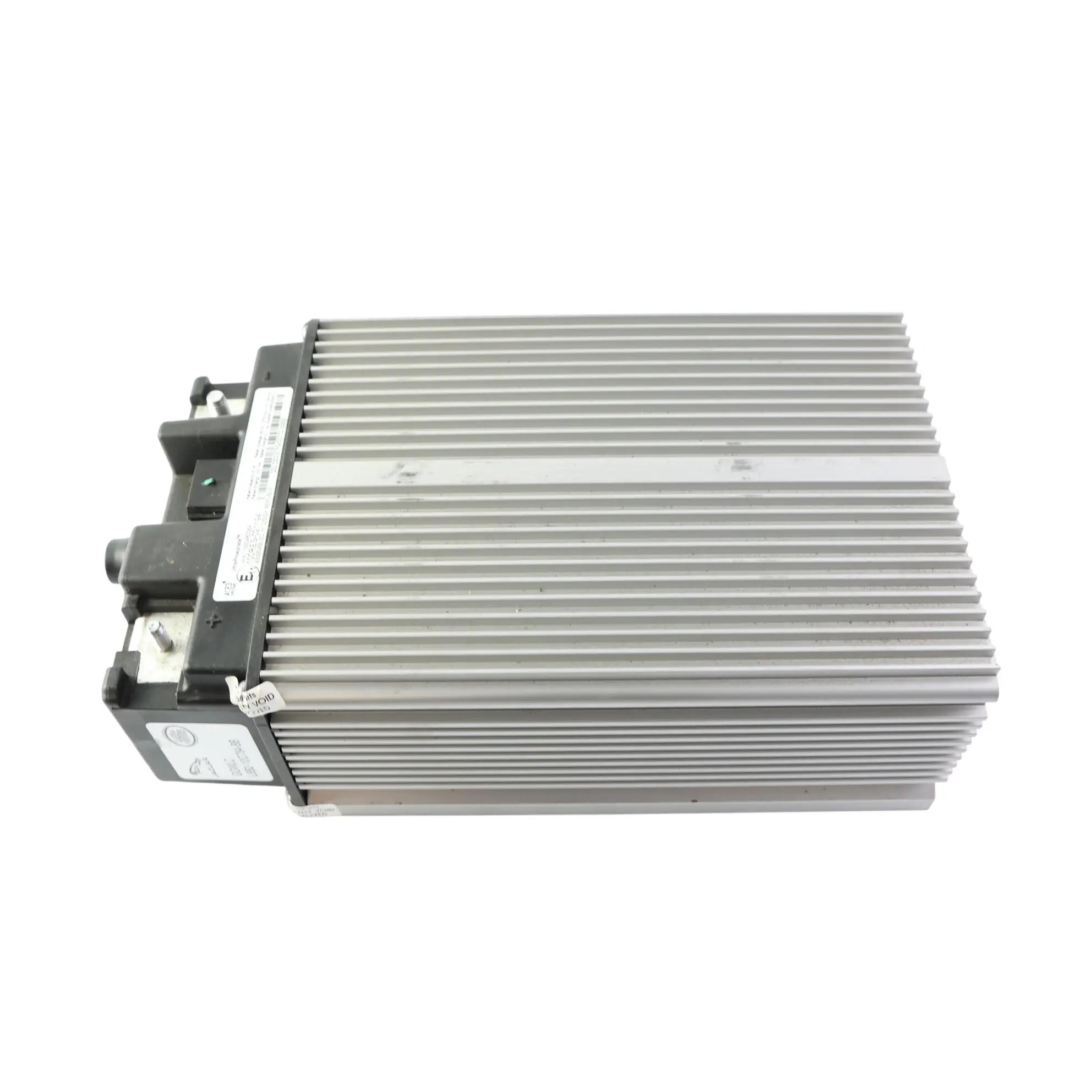

Car batteries for independent power supply across vehicle types
High-performance, long-lasting batteries powering a variety of vehicles
Batteries are key components of a vehicle's electrical system, providing power to all electrical devices, including the starter, lights, radio, and onboard systems. A functional battery is essential for trouble-free vehicle starting and stable operation of the electrical system. In the Global Parts automotive store, you will find a wide selection of used car parts, including batteries, perfectly matched to brands such as BMW, Audi, Mercedes, Mini, and others.
Construction and operation of a car battery
A car battery is an electrochemical energy source that stores direct current with a nominal voltage of 12 V (in passenger cars). It consists of 6 cells of approximately 2.1 V each, immersed in an electrolyte (a sulfuric acid solution in lead-acid batteries). Its main task is to provide a high cold cranking current (CCA – Cold Cranking Amps), which, depending on the model, can range from 360 A to as much as 900 A. In practice, this means that a car battery must simultaneously:
- provide energy for starting the engine (a few seconds of very high load),
- stabilize the voltage in the 12 V system,
- work with the alternator, which recharges it while driving (typical charging voltage: 13.8–14.4 V). In vehicles from brands like BMW, Audi, or Mercedes, AGM (Absorbent Glass Mat) or EFB (Enhanced Flooded Battery) batteries are increasingly used, which are adapted to Start-Stop systems and higher energy demands.
Characteristics of car batteries
Car batteries are energy storage units mounted in the engine compartment, trunk, or under the floor, depending on the car's design. Their task is to provide current for starting and to maintain the operation of electrical consumers when the engine is not running. A typical unit consists of a casing, terminals, cells, separators, and a venting system. In practice, the OEM part number, interchangeable numbers, and placement on the vehicle are also important when selecting one.
What functions do batteries perform?
Batteries perform many important functions in a vehicle's electrical system:
- Starter power supply – They provide the energy necessary to start the engine.
- Maintaining electrical systems – They provide power for lighting, radio, air conditioning, and other devices.
- Cooperation with the alternator – They allow for the storage of electrical energy generated by the alternator.
- Electrical system protection – They stabilize voltage, preventing power surges and overloads.
Comparison of technologies and data to check before purchase
| Battery type | Application | What to check before installation |
|---|---|---|
| SLI | Classic starting systems without advanced Start-Stop | Capacity, CCA, terminal layout, mounting type, casing dimensions |
| EFB | Cars with increased energy demand and selected Start-Stop systems | Technology compatibility with car equipment, OEM number, mounting location, venting |
| AGM | Models with advanced electronics and intensive cyclic operation | Required technology, charging parameters, BMS, registration method after replacement |
Key technical parameters – capacity, CCA, dimensions
When choosing a car battery, you should pay attention to specific technical data that affects compatibility and fitment for the vehicle:
| Parameter | What it means | Typical values |
|---|---|---|
| Capacity (Ah) | Amount of energy the battery can deliver over time | 45–110 Ah |
| Cold Cranking Amps (CCA) | Maximum current at -18°C for 30 sec. | 360–900 A |
| Voltage | Nominal system voltage | 12 V |
| Technology type | Battery construction | SLI, AGM, EFB |
| Casing dimensions | Length / width / height | e.g., 242x175x190 mm |
Fitment includes not only electrical parameters but also:
- terminal layout (positive on right/left),
- mounting type (e.g., B13),
- compatibility with the Start-Stop system.
Importance of operational parameters and related components
The cold cranking current is used for a short but very intense power supply to the starter during engine ignition. A CCA that is too low can cause voltage drops, slower starting, and errors in control units, so it is worth comparing it with the condition of alternators and generators and the state of connections within cables, wiring harnesses, and connectors. When choosing, the OEM part number, interchangeable numbers, and the mounting method in the battery tray are also important.
Why is it worth taking care of batteries?
Wear or failure of a battery can lead to problems with starting the vehicle and disruptions in the operation of electrical systems. Typical symptoms of failure include:
- Difficulty starting the engine – Especially noticeable in low temperatures.
- Dimming lights and electrical devices – A weak battery may not provide enough energy to power vehicle systems.
- Battery warning light on the dashboard – May indicate problems with charging or the battery's condition.
- Corrosion on terminals – Can reduce connection efficiency and cause problems with current flow. If a replacement is needed, at Global Parts you will find suitable used car parts that will restore full functionality to your electrical system.
Battery fitment procedure – step by step
To ensure full compatibility and correct installation, it is worth following this procedure:
- Check the capacity (Ah) recommended by the vehicle manufacturer.
- Verify the required cold cranking current (CCA) – especially important in 2.0–3.0 diesel engines, where demand is higher.
- Determine the technology (standard SLI, AGM, EFB).
- Check dimensions and mounting method.
- Match the terminal layout. In modern BMW models, battery adaptation in the energy management system (BMS) may be required, which ensures optimal cooperation with the alternator.
Selecting a battery by car version and catalog numbers
Selecting a battery means comparing the part with the vehicle's factory data, not just choosing a similar capacity. For parts such as a w221 auxiliary battery, it is worth checking the component's function in the system, mounting location, OEM number, and compatibility with comfort equipment and the energy management system. If you are looking for a component such as n000000004039, it is best to verify the manufacturer's marking, construction technology, and interchangeable numbers before ordering.
How to choose the right batteries?
When choosing batteries, you should pay attention to several key aspects:
- Fitment to the vehicle model – Every electrical system has its specific technical requirements. At Global Parts, you will find batteries perfectly matched to BMW, Audi, Mercedes, and Mini.
- Capacity and cold cranking current – Make sure the selected battery has the appropriate technical parameters to meet your vehicle's requirements.
- Technical condition – Used batteries should have an appropriate charge level and be free from mechanical damage.
Battery connections with the starting system and vehicle electronics
The battery works not only with the charging system but also with elements responsible for starting and voltage distribution. When symptoms of power loss occur during ignition, it is worth checking car starters and the condition of connections within fuses and fuse boxes. Complementing the knowledge about conscious part selection is the article Original used parts vs. car resale price – how not to lose money?, which shows why component compatibility with the car also matters when selling the vehicle later.
Battery and alternator – cooperation in practice
The car battery and alternator form a closed system. After starting the engine, the alternator takes over the function of powering energy consumers and charges the battery. The correct charging voltage is usually 13.8–14.4 V. Too low can lead to undercharging, and too high can lead to overcharging the system. In vehicles with a lot of electronics (multimedia systems, heated seats, driving assistants), energy demand can exceed 2–3 kW at peak moments, which is why proper battery selection has a direct impact on the stability of the entire electrical system.
Why is it worth choosing used batteries?
Used batteries are an economical solution that allows for savings while maintaining high quality. By choosing used electrical system components, you gain:
- Lower costs – Used batteries are significantly cheaper than new ones but offer equally high quality.
- Ecology – Battery recycling supports environmental protection and reduces waste.
- Wide offer – In our store, you will find used batteries for the most popular car brands.
How to take care of batteries?
To ensure batteries work reliably for a long time, it is worth following a few rules:
- Regular charge level check – Check the battery charge level, especially before winter or longer trips.
- Keep terminals clean – Remove corrosion from connections to ensure stable current flow.
- Avoid complete discharge – Frequent discharges can shorten the battery's lifespan.
- Check charging voltage – Ensure the alternator is charging the battery correctly.
FAQ
| Question | Answer |
|---|---|
| What is the construction and purpose of car batteries? | Car batteries are electrical energy sources mounted in a vehicle for the purpose of starting the engine and powering the system when the engine is off. A typical battery consists of a casing, terminals, a set of cells, electrolyte or separator mats, and a vent. Depending on the car model, it can be located in the engine compartment, trunk, or under the floor. In addition to basic power supply, it also affects the stability of onboard electronics. |
| What are car batteries used for? | Car batteries are used to provide the energy needed to start the engine and maintain the operation of electrical consumers. Their role also includes stabilizing voltage in the system and cooperating with the charging system while driving. Without a functional battery, problems with starting, control unit operation, lighting, and comfort systems may occur. In cars with a Start-Stop system, the battery additionally handles frequent charge and discharge cycles. |
| What is the construction and function of the BMS energy management system? | The BMS energy management system is a circuit that monitors the battery's state, charging, and energy consumption in the vehicle. It is used to control voltage, temperature, and charging strategy, and in many cars, it requires registering a new battery after replacement. BMS works with the alternator and vehicle control units, thereby reducing the risk of undercharging or overcharging. This is of particular importance in cars with advanced electronics and energy-saving systems. |
| How to select a battery for a specific vehicle version? | It is safest to compare the OEM number, capacity, cold cranking current, construction technology, and casing dimensions. It is also worth checking the terminal layout, mounting type, placement on the vehicle, and whether the car requires AGM or EFB technology. For a used part, interchangeable numbers and data derived from the VIN are also helpful. |
| What symptoms indicate a problem with the battery or charging? | Most often, these are difficulties with starting, dimming lights, error messages, and a battery warning light on the dashboard. In practice, it is worth distinguishing between the wear of the battery itself and faults in charging, ground connections, or power cables. Therefore, in addition to the battery's condition, it is good to assess the charging voltage and the condition of electrical equipment. |
| How to properly operate car batteries? | In daily operation, it is worth checking the cleanliness of terminals, charge level, and mounting stability in the vehicle. Long periods of inactivity, frequent short trips, and constant deep discharges can shorten the component's efficiency. Good practice is also periodic checking of charging and parameter compatibility after every replacement. |
Summary: car batteries at the Global Parts automotive store
Batteries are the foundation of a vehicle's electrical system, ensuring stable power and reliable engine starting. The Global Parts offer includes solutions matched to many car models, including brands like Mercedes, BMW, Mini, and others. When choosing, it is worth comparing technical parameters, OEM part numbers, interchangeable numbers, mounting method, and construction technology to maintain full compatibility with the vehicle. We invite you to contact us – we are here to help you! For more information and interesting facts, we also invite you to our automotive blog.