


Additional Distributor Parts
More informationAt the Global Parts automotive store, we offer a wide selection of original used car parts, including ignition parts for many popular car brands such as BMW, Mini, Mercedes, Audi, Volkswagen and others. The ignition parts we offer undergo quality control so that you can be sure that you are receiving a top-class product.
Find it faster
Match to your vehicle
GB
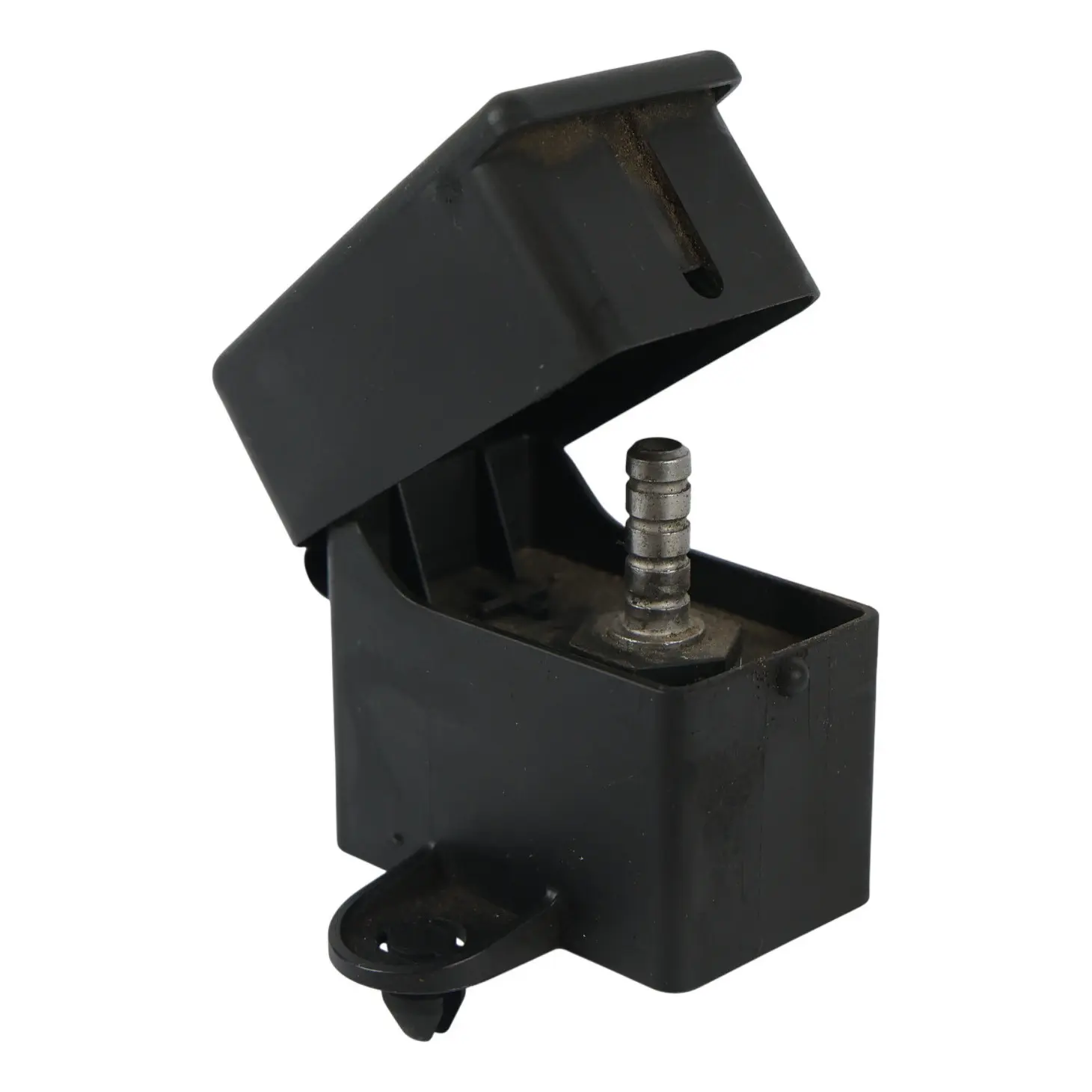
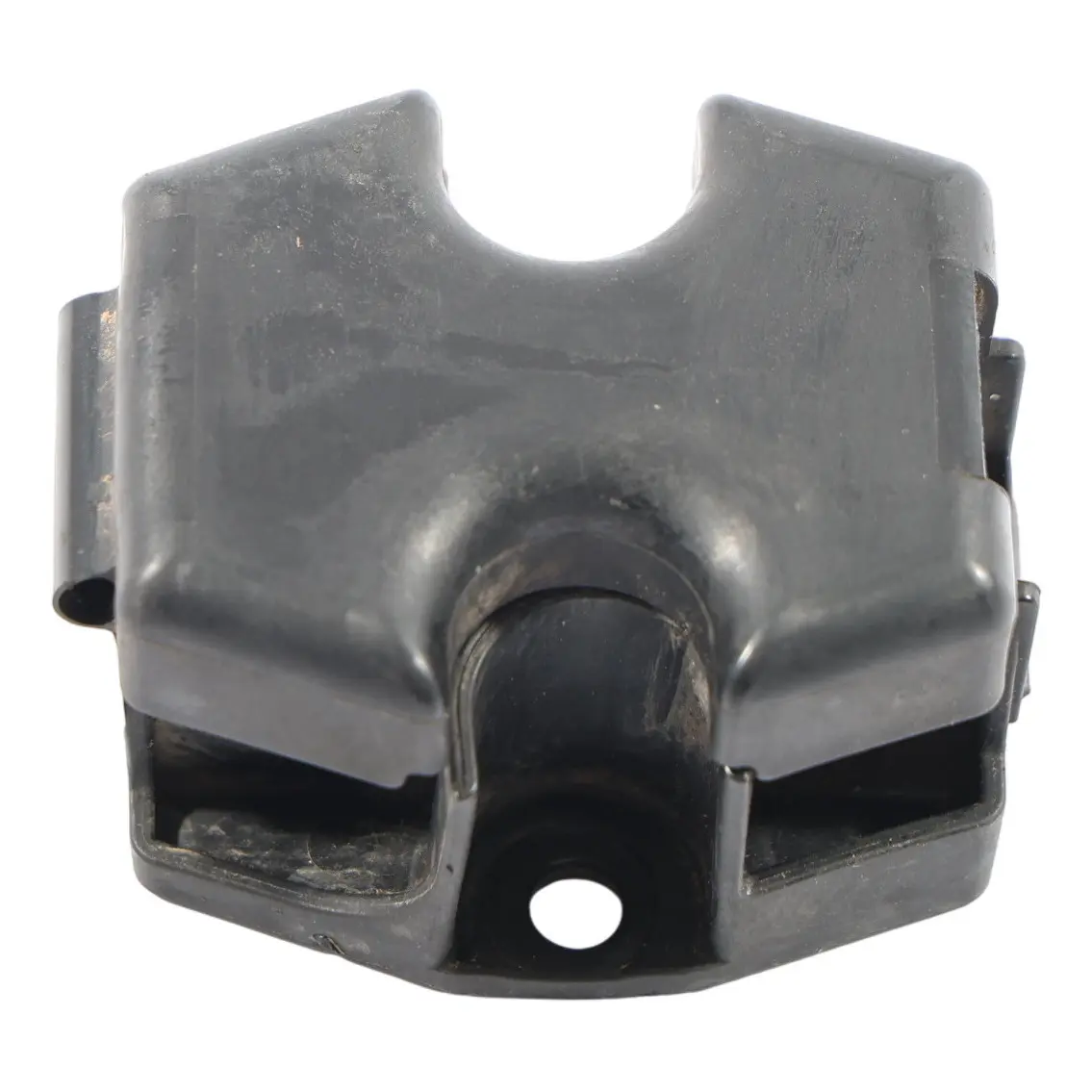

Compatible ignition system spare parts for quality and reliability
Compatible ignition parts ensuring reliability and quality
Other ignition parts are a group of components that support the operation of the ignition system, ensuring efficient starting and smooth engine performance. They include elements such as ignition modules, coils, cables, and connectors, which play a key role in the process of generating a spark and transmitting electrical energy. In the Global Parts automotive store, you will find a wide selection of used car parts, including ignition parts, perfectly matched to brands such as BMW, Land Rover, Mercedes, and others.
What functions do other ignition parts perform?
Other ignition parts play an essential role in a vehicle's ignition system:
- Spark generation – Ignition modules and coils convert battery voltage into the high voltage required for ignition.
- Precise energy transmission – Ignition cables and connectors ensure the efficient delivery of energy to the spark plugs.
- Ignition timing control – Electronic ignition modules ensure the precise timing of the air-fuel mixture ignition.
- Interference reduction – Well-designed components eliminate electromagnetic interference, protecting the vehicle's electronics. Used car parts, such as ignition parts, are a cost-effective solution that restores the full functionality of the ignition system.
Construction and purpose of other ignition parts
Other ignition parts are supplementary system components that work with the distributor, coil, spark plugs, and the vehicle's electrical installation. Their task is to transmit voltage, control the ignition pulse, or ensure a stable connection between subassemblies. In practice, this group includes modules, connectors, covers, mounting elements, and small consumables installed on or near the ignition distributor.
Comparison of typical variants of other ignition parts
| Component type | Main function | Location | What to check before purchase |
|---|---|---|---|
| Ignition module | Control of ignition timing and pulse | Near the ignition distributor or in the engine bay | OEM number, plug type, number of pins, engine version |
| Ignition cable or connector | Transmission of high voltage or signal | Between the coil, module, and spark plugs | Length, terminal shape, insulation, system compatibility |
| Mounting or cover element | Component stabilization and connection protection | On the distributor housing or near the wiring harness | Mounting points, material, pre-facelift or facelift version |
Cooperating elements and the importance of a correct ignition signal
The ignition module is used to control the electrical pulse that initiates the spark at the appropriate moment of engine operation. It does not work independently, as it cooperates with the coil, cables, sensors, and elements from the Ignition distributors category. When choosing an element such as a BMW E36 ignition module, it is worth comparing the OEM number, pin layout, and the method of mounting to the housing.
Why is it worth taking care of other ignition parts?
A functional ignition system ensures efficient engine operation and driving comfort. Typical problems include:
- Ignition coil wear – Coil damage can cause uneven engine operation and ignition problems.
- Breaks in ignition cables – These can lead to energy loss and difficulties in high-voltage transmission.
- Corrosion of connectors and cables – Contamination can reduce conductivity and system efficiency.
- Ignition module failure – Electronic issues can cause ignition delays or a lack of spark. If a replacement is needed, choose used car parts that will ensure durability and reliability.
Symptoms of wear and the importance of a proper connection
An ignition connector is an element responsible for a stable electrical connection between the module, coil, or engine wiring harness. Its damage can manifest as engine misfiring, starting problems, or a momentary loss of spark under load. When completing a repair for a specific model, e.g., Mercedes W124, it is good to verify the condition of the pins, the presence of the plug lock, and compatibility with the engine version.
How to choose the right ignition parts?
- Vehicle model fitment – At Global Parts, you will find ignition parts perfectly suited to BMW, Land Rover, Mercedes, and others.
- Technical condition – Used ignition parts should be free from mechanical and electrical damage.
- Compatibility with vehicle systems – Ensure that the components work with the ignition system in your car.
- Material durability – Choose components made of high-quality materials resistant to high voltages and temperatures. Auto parts, such as ignition parts, must be precisely selected to ensure efficiency and safety.
Selection criteria based on OEM, connectors, and vehicle versions
The selection of other ignition parts is best based on the OEM part number, interchangeable numbers, and compatibility with a specific engine version. In the case of parts such as Mini Cooper ignition cables, the length of the cables, type of terminals, shielding, and wiring harness routing are important. For more extensive repairs, it is also worth comparing elements from the Ignition coils and Ignition cables and coil connectors groups to maintain full system compatibility.
How to maintain other ignition parts?
- Regular inspection – During technical inspections, check the condition of ignition modules, coils, and cables.
- Cleaning connectors – Remove deposits and contaminants that may reduce electrical conductivity.
- Moisture protection – Ensure the system is sealed to prevent corrosion and ignition malfunctions.
- Timely repair or replacement – In case of damage, choose car parts that will quickly restore the full functionality of the ignition system.
Practical tips for installation and system inspection
During installation, it is worth checking the cleanliness of the sockets, the condition of the insulation, and the security of the connectors, as a loose connection can cause symptoms similar to a coil or spark plug failure. If the repair also includes elements from the Ignition distributor caps group, compare the mounting points, the presence of seals, and compatibility with the ignition distributor. Supplementary knowledge on component selection can be found in our guide How to buy a used car engine without getting scammed – a step-by-step guide, which shows how to verify markings and the technical condition of parts.
FAQ
| Question | Answer |
|---|---|
| What is the construction and purpose of other ignition parts? | Other ignition parts are a group of components that supplement the operation of a car's ignition system. They include modules, connectors, cables, covers, and small mounting elements that are responsible for transmitting signals or voltage to the appropriate components. They are usually installed in the engine bay, near the ignition distributor, coil, or electrical wiring harness. |
| What are other ignition parts used for? | Other ignition parts are used to ensure the proper transmission of electrical energy and the stable cooperation of all system components. Thanks to them, the spark occurs at the right moment, and the engine can start and run smoothly. Damage to these components can cause ignition failure, engine misfiring, or starting difficulties. |
| What is the construction and function of an ignition module? | An ignition module is an electronic component that controls the pulse responsible for generating the ignition spark. Its housing contains an electronic circuit, a connector, and mounting points matched to the manufacturer's specific solution. In addition to control, it works with the coil, distributor, sensors, and the vehicle's electrical installation. |
| How to choose other ignition parts for a specific car? | It is safest to compare the OEM number, interchangeable numbers, connector type, and engine version. It is also worth checking the installation location, number of pins, and mounting method, as even similar-looking elements may differ in construction. Data on the brand, condition, and compatibility with the car's equipment are also helpful when purchasing. |
| What symptoms indicate a problem with other ignition parts? | Typical symptoms include difficulty starting the engine, jerking while driving, uneven idling, and sporadic power loss. In practice, the cause may be a damaged connector, a broken cable, an overheated module, or poor electrical contact. Such symptoms should be verified before replacing other cooperating elements. |
| How to maintain other ignition parts after installation? | After installation, it is good to periodically check the tightness of the engine bay, the condition of cable insulation, and the cleanliness of contacts. Avoid leaving moisture near connectors and check that cables do not rub against hot or moving parts. Regular inspection reduces the risk of voltage drops and unstable ignition system operation. |
Summary: other ignition parts at the Global Parts automotive store
Other ignition parts are important components that affect engine reliability, proper starting, and the stable operation of the entire ignition system. In the Global Parts offer, you will find used subassemblies for many car brands, including BMW, Land Rover, Mercedes, and others, with the ability to check data such as brand, condition, OEM part number, and interchangeable numbers. This makes it easier to match the right element to the car version, equipment, and installation location. We invite you to contact us – we are here to help! For more information and interesting facts, we also invite you to visit our automotive blog.