


Condensers (coolers)
More informationAt Global Parts, we offer a wide selection of original used car parts, including condensers for many popular car brands such as BMW, Mini, Mercedes, Audi, Volkswagen, and others. Our condensers undergo quality control to ensure you receive a top-quality product.
Find it faster
Match to your vehicle
GB
Make
Category
Subcategory
Condition
In Stock
Price

Part no. AH32-19C600-CA
Land Rover Discovery 4 L319 Air Conditioning AC Condenser Radiator AH3219C600CA
£28.95
Free delivery: Oct 06
If paid before 14:00
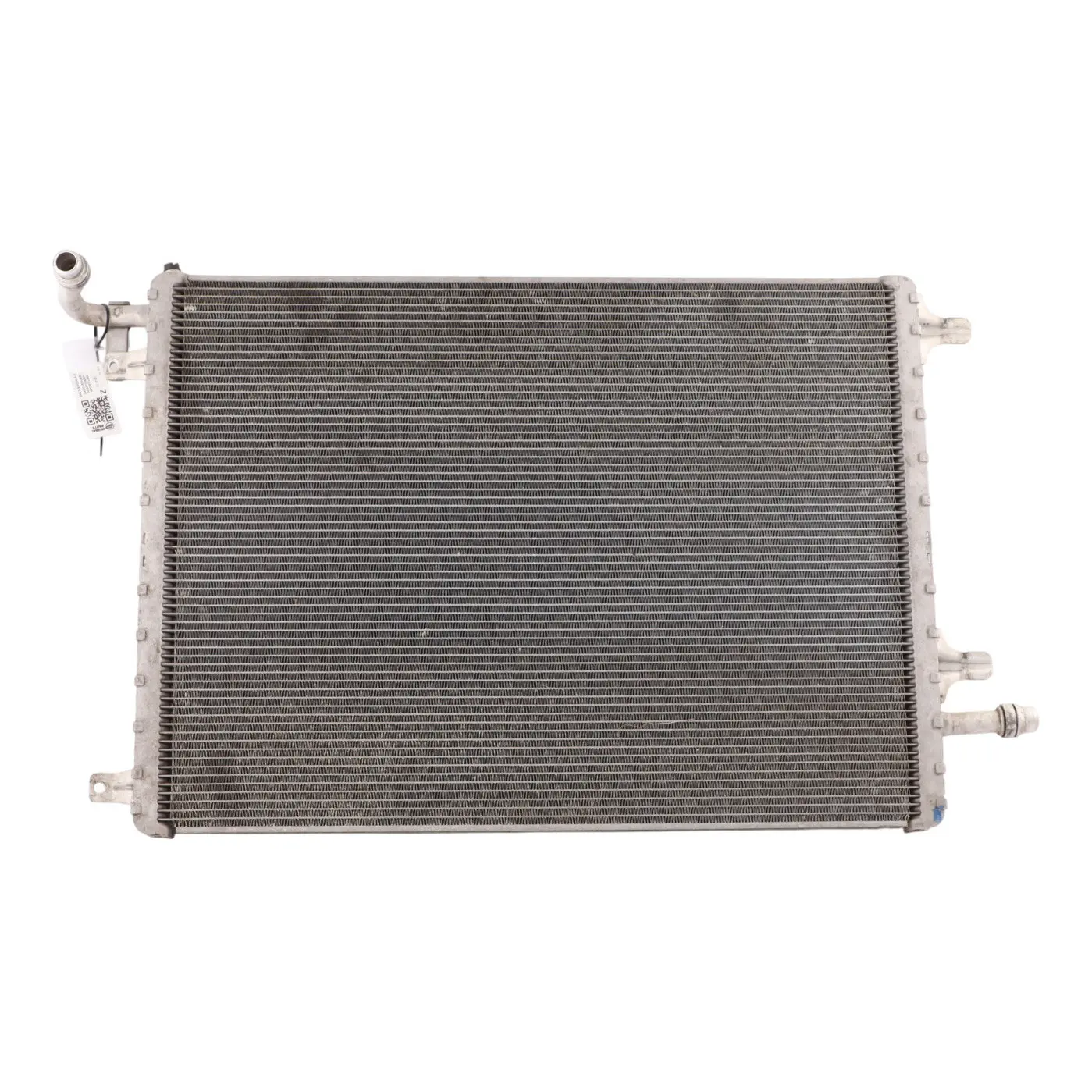
Part no. J9C3-8K230-AB
Land Rover Discovery Sport L550 Water Charge Air Cooler Radiator J9C38K230AB
£132.95
Free delivery: Oct 06
If paid before 14:00
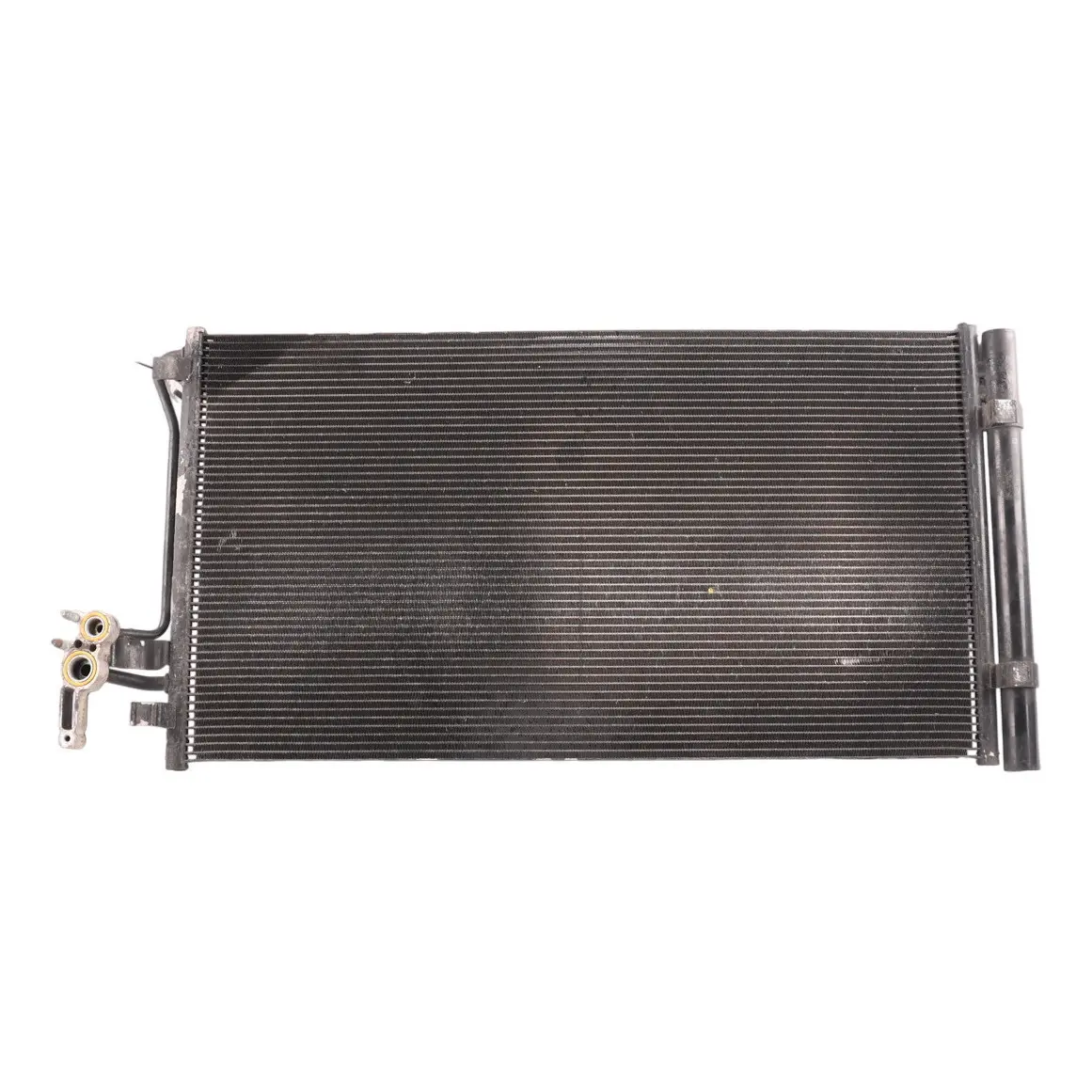
Part no. GJ32-19710-AB
Land Rover Discovery Sport L550 Air Conditioning A/C Radiator Unit GJ32-19710-AA
£32.95
Free delivery: Oct 06
If paid before 14:00
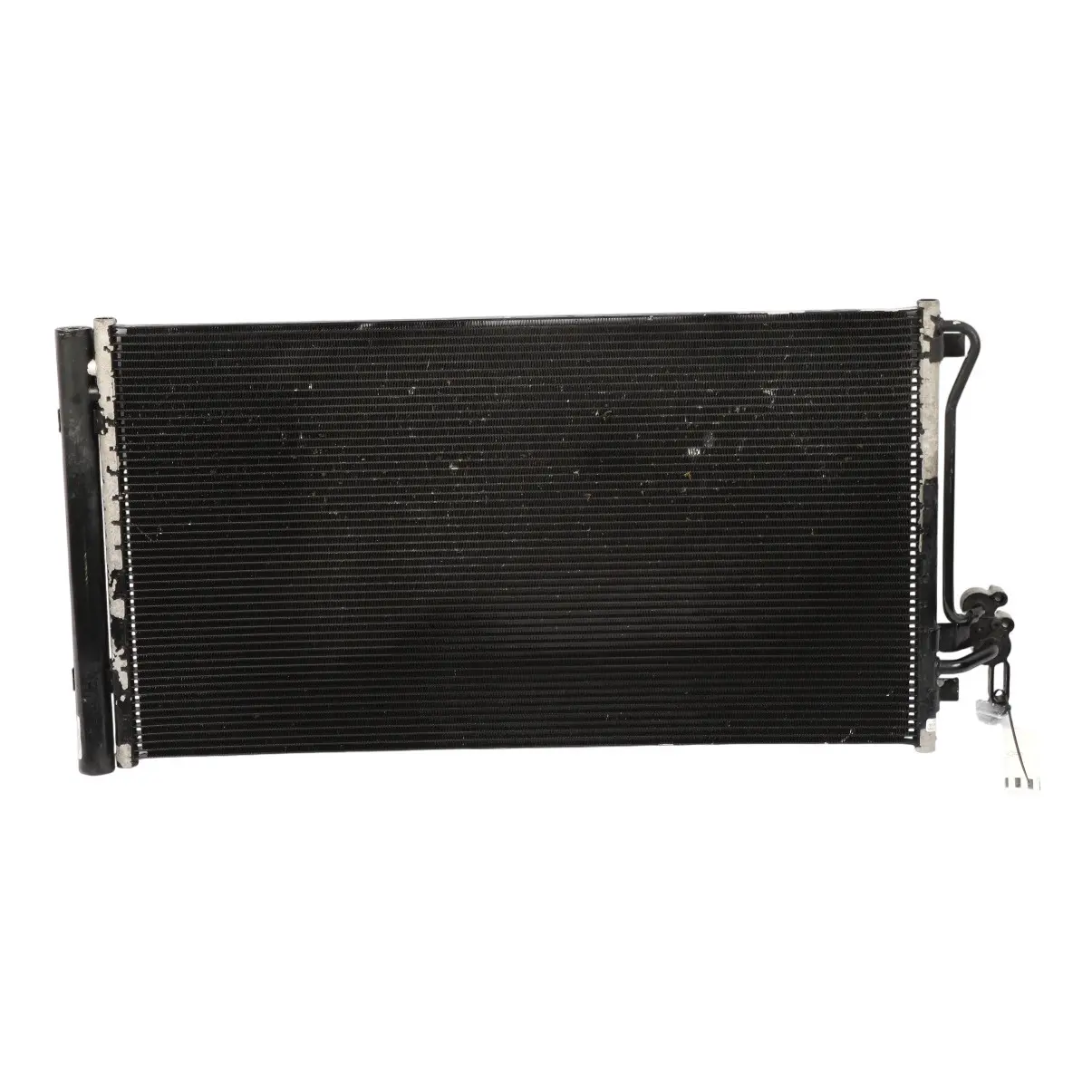
Part no. GJ32-19710-AA
Land Rover Discovery Sport L550 Air Conditioning Radiator GJ32-19710-AA
£23.95
Free delivery: Oct 06
If paid before 14:00
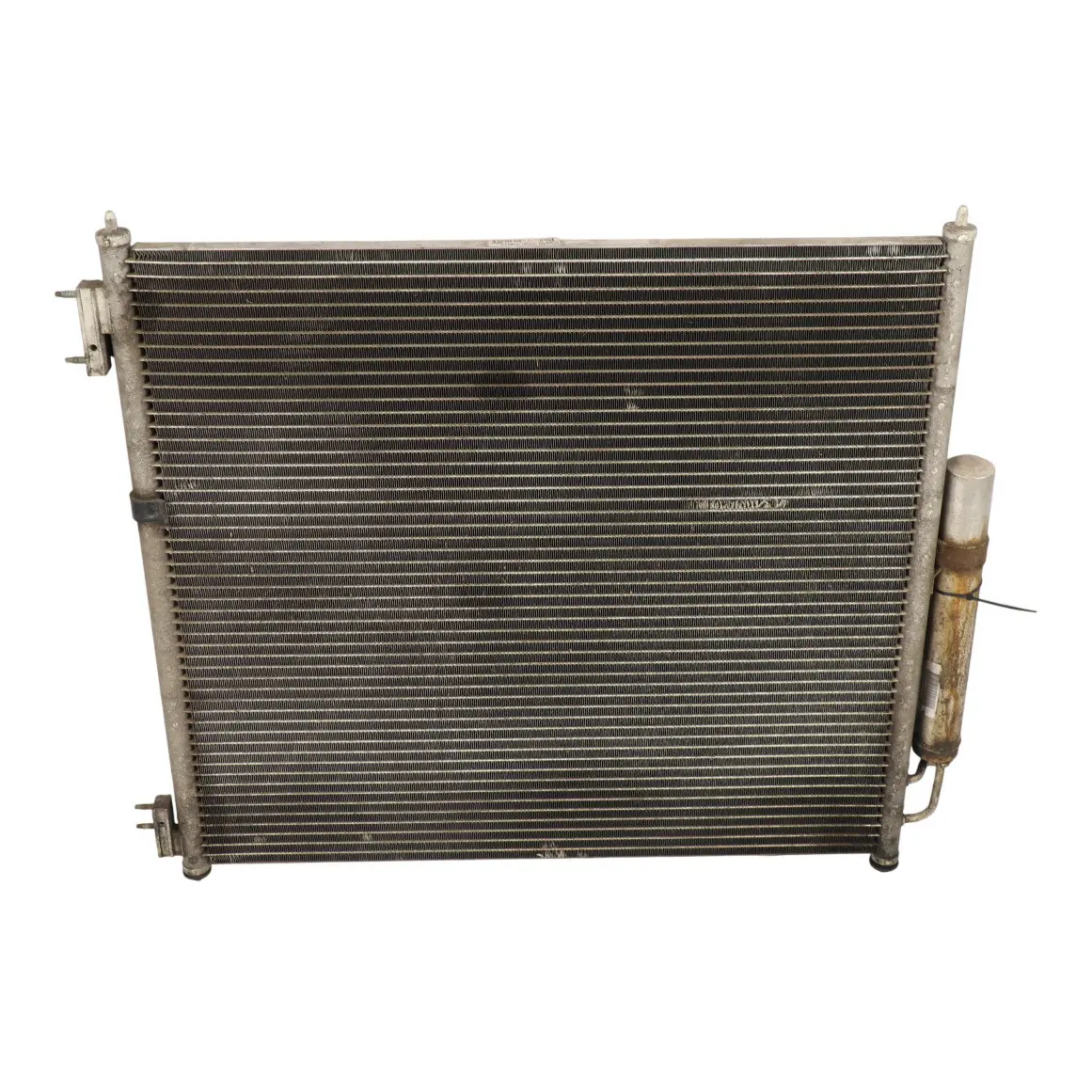
Part no. CPLA-19C600-AD
Range Rover L405 Sport L494 Air Conditioning A/C Condenser CPLA-19C600-AD
£51.95
Free delivery: Oct 06
If paid before 14:00

Part no. LR075358
Land Rover Discovery Sport L550 Air Condenser Radiator Dryer LR075358
Product currently unavailable
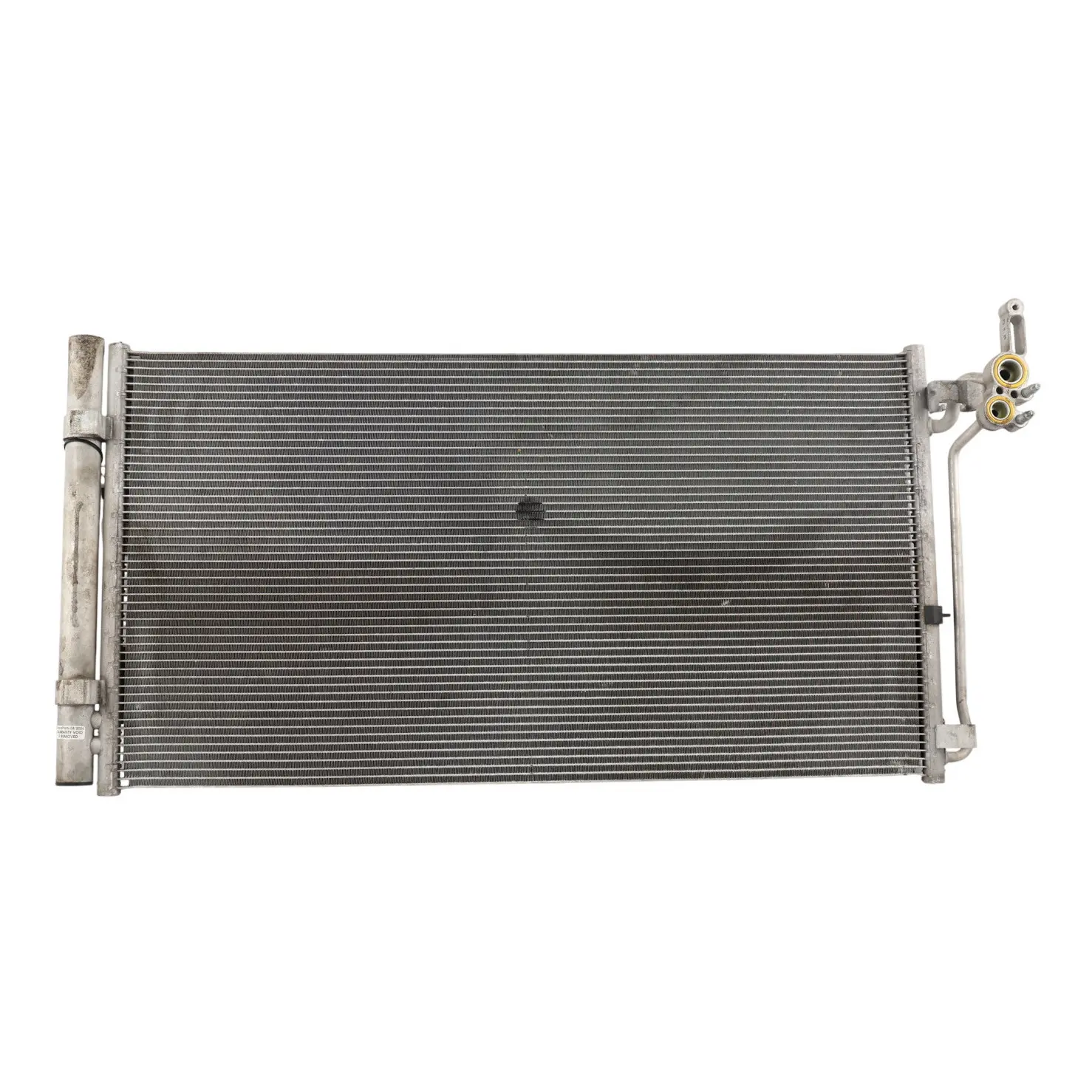
Part no. L8D2-19710-AA
Land Rover Discovery Sport L550 Air Conditioning A/C Condenser L8D2-19710-AA
Product currently unavailable
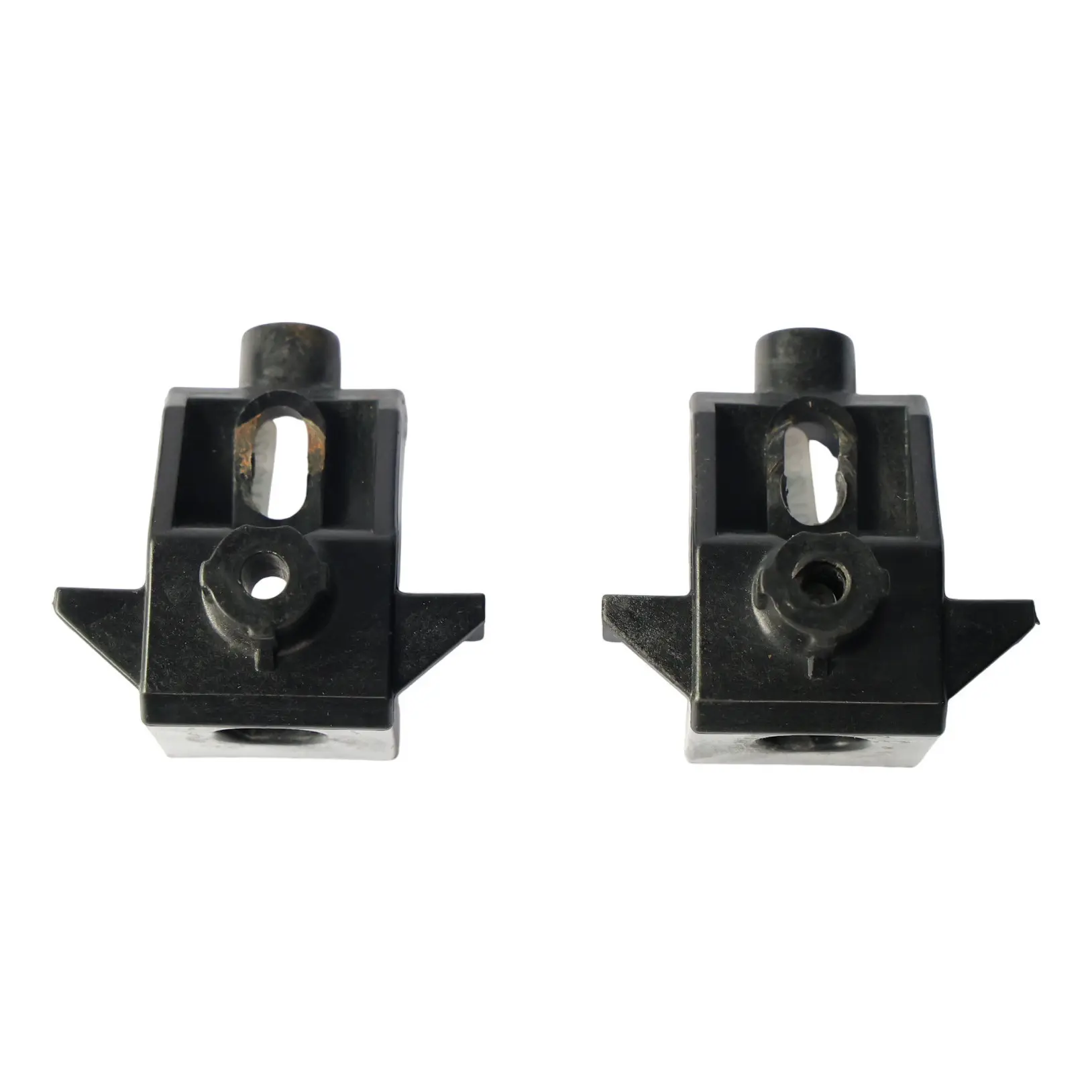
Part no. LR034502
Range Rover L405 Air Conditioning Condenser Bracket Mount Set LR034502
Product currently unavailable
Condensers and radiators for air conditioning – system efficiency and durability
Condensers and coolers in air conditioning systems
Condensers, also known as A/C radiators, are essential components of a vehicle's air conditioning system. They are responsible for dissipating heat from the refrigerant, converting it from a gas into a liquid. Thanks to this process, the air conditioning system can deliver cooled air into the vehicle's interior. In the Global Parts automotive store, you will find a wide selection of used car parts, including condensers, perfectly matched to brands such as BMW, Audi, Mercedes, Volkswagen, Mini, and others. The A/C condenser is a heat exchanger typically located in front of the engine radiator, where it has maximum airflow. During system operation, the refrigerant leaves the compressor at temperatures as high as 70–90°C, and its effective cooling in the condenser enables the evaporator to function. In practice, this means that a functional A/C radiator has a direct impact on the cooling speed of the cabin and the stability of the entire system.
What functions do condensers (A/C radiators) perform?
Condensers play a key role in the proper operation of the air conditioning system:
- Heat dissipation – They remove heat from the refrigerant, enabling its condensation and temperature reduction.
- Ensuring effective cooling – Through heat exchange, the condenser allows cooled air to be delivered to the vehicle's cabin.
- Supporting the entire system – The condenser works with other A/C components, such as the compressor, receiver-drier, and evaporator. In practice, the condenser operates in close dependence with other elements, such as the A/C receiver-drier, radiator fan, and pressure sensors. For instance, the A/C radiator must be perfectly matched in terms of design to ensure proper refrigerant and airflow. Dimensional compatibility and an appropriate heat dissipation surface are crucial for the stable operation of the system.
Construction and purpose of condensers
Condensers are heat exchangers mounted in the front part of the vehicle, most often in front of the liquid radiator. They consist of thin channels, heat-dissipating fins, and refrigerant line connections. Their task is to cool the compressed refrigerant after it leaves the compressor and prepare it for further circulation in the system. For parts such as a BMW F10 A/C radiator, it is worth comparing the OEM number, connection type, and mounting layout.
Comparison of A/C condenser variants
| Variant | Construction | What to check before purchase | Cooperating elements |
|---|---|---|---|
| Condenser with integrated receiver-drier | Heat exchanger and drying cartridge in one assembly | OEM number, connector type, mounting compatibility, system version | Receiver-drier filters and accumulators, A/C lines, hoses, and connectors |
| Condenser without receiver-drier | Heat exchanger only with a separate receiver-drier in the system | Connection spacing, core width, mounting points | A/C compressors and clutches, Evaporators |
| Version for specific body configuration | Different mountings and frame shapes depending on the car version | VIN, pre-facelift/post-facelift version, mounting location, and interchangeable numbers | Radiator fan, refrigerant lines, pressure sensors |
Why is it worth taking care of condensers?
A faulty condenser can lead to reduced air conditioning efficiency and refrigerant overheating. Typical symptoms of failure include:
- Lack of cooling – The air in the cabin remains warm despite the air conditioning being turned on.
- Irregular A/C operation – The system works inefficiently or interrupts cooling.
- Refrigerant leaks – Damage to the condenser can lead to a loss of system tightness.
- Excessive heating – The condenser does not dissipate heat effectively enough, which puts a strain on the entire system. If a replacement is needed, at Global Parts you will find suitable used car parts that will restore the full functionality of your air conditioning system.
Condensation function and impact on system operation
Condensation is a process in which hot refrigerant releases heat to the surroundings and changes state from gaseous to liquid. The condenser serves to maintain the proper course of this process, so its permeability and tightness affect the cooling efficiency in the cabin. If you are looking for a component such as a BMW E90 A/C radiator, you should check the connection compatibility, the presence of mountings, and the vehicle's equipment version.
How to choose the right condensers (A/C radiators)?
When choosing condensers, you should pay attention to several key aspects:
- Matching the vehicle model – Every air conditioning system has its specific technical requirements. At Global Parts, you will find condensers perfectly matched to BMW, Audi, Mercedes, Volkswagen, Mini, and others.
- Technical condition – Used condensers should be free from mechanical damage, corrosion, and leaks.
- System compatibility – Ensure that the selected condenser is compatible with the design and specifications of your air conditioning system. The Global Parts offer includes, among others, the BMW E60 A/C condenser, BMW E46 A/C condenser, Audi A4 B8 A/C condenser, Audi A6 C6 A/C condenser, and Peugeot 307 condenser. In many models, such as the BMW E90, this element works directly with the engine liquid radiator, so proper fitting affects not only comfort but also the stability of the operating temperatures of the entire powertrain.
Selection by OEM number and mounting data
The OEM number is the manufacturer's designation that allows you to compare the part with the car's factory equipment. When selecting a condenser, it is also worth checking interchangeable numbers, vehicle placement, fuel type, component condition, and compatibility with the body version. When choosing an element like a BMW E60 A/C radiator, it is important to compare the connection spacing, mounting type, and the point of interaction with the fan.
Why is it worth choosing used condensers?
Used car parts, such as used condensers, are an economical solution that allows for savings while maintaining high quality. By choosing used air conditioning system components, you gain:
- Lower costs – Used condensers are significantly cheaper than new ones but offer equally high quality.
- Ecology – Recycling parts supports environmental protection and reduces waste.
- Wide selection – In our store, you will find Condensers (radiators) for many car brands.
Table - types of A/C condensers
| Vehicle model | Type of element | Application |
|---|---|---|
| BMW E60 / E61 | A/C radiator | Automatic air conditioning system |
| BMW E46 | A/C condenser | R134a refrigerant cooling |
| Audi A4 B8 / A6 C6 | A/C radiator | Single- and dual-zone system |
| Peugeot 307 | Condenser / radiator | Manual and automatic air conditioning |
How to take care of condensers?
To ensure condensers work reliably for a long time, it is worth following a few rules:
- Regular cleaning – Remove dirt from the outer surface of the condenser to ensure proper airflow.
- System tightness check – Regularly check for refrigerant leaks in the system.
- A/C service – Regular air conditioning system inspections help detect potential problems early.
- Replacement of damaged components – Worn or damaged condensers should be replaced to ensure effective cooling.
Cooperating elements and system control
The A/C receiver-drier is the component responsible for capturing moisture and impurities from the refrigerant. In practice, the condenser works together with the compressor, lines, fan, and receiver-drier, so it is worth evaluating the entire circuit during replacement. If the system was leaking or contaminated, you should also check the condition of the connections and the permeability of the lines, not just the condenser core itself.
FAQ
| Question | Answer |
|---|---|
| What is the construction and purpose of condensers? | Condensers are heat exchangers used in automotive air conditioning systems, usually mounted at the front of the vehicle in front of the liquid radiator. A typical element consists of a core with refrigerant flow channels, fins that increase the heat dissipation surface, and connection ports. Their purpose is to cool the compressed refrigerant and prepare it for further circulation in the system. |
| What are condensers used for? | Condensers are used to dissipate heat removed from the vehicle's interior by the refrigerant. They enable the refrigerant to transition from a gaseous to a liquid state, allowing the evaporator to effectively cool the air in the cabin later. Their efficiency also affects the stability of operating pressure and the performance of the entire air conditioning system. |
| What is the construction and function of an A/C receiver-drier? | The A/C receiver-drier is a component responsible for retaining moisture and small impurities circulating in the system. Depending on the design, it can be integrated with the condenser or exist as a separate element. Its proper operation protects lines, valves, and the compressor from the effects of moisture and refrigerant contamination. |
| How to choose a condenser for a specific car? | It is safest to compare the OEM number, interchangeable numbers, fuel type, and body/equipment version. It is also worth checking the placement on the vehicle, connection type, mounting points, and compatibility with the fan or receiver-drier. For used parts, the condition of the core and the tightness of the element are also important. |
| What symptoms indicate a problem with the condenser? | The most common symptoms are poor cabin cooling, irregular A/C operation, and refrigerant loss. In practice, you may also notice dirt or damage to the fins, signs of corrosion, and leaks at the connections. Such symptoms should be verified along with system pressure and the condition of cooperating lines. |
| How to take care of condensers after installation? | After installation, it is worth regularly removing dirt from the front of the exchanger and checking system tightness during A/C service. You should also monitor the condition of mountings and lines, as looseness and leaks reduce cooling efficiency. A well-chosen and maintained condenser supports stable air conditioning operation for a long time. |
Summary: condensers (A/C radiators) at the Global Parts automotive store
Condensers are key components of the air conditioning system that ensure effective cooling and comfort in the vehicle's cabin. At Global Parts, used parts are available that are matched to many models, including brands such as BMW, Mercedes, Audi, and others. When selecting, it is worth comparing the OEM number, interchangeable numbers, component condition, and compatibility with the vehicle version and A/C equipment. We invite you to contact us – we are here to help you! For more information and interesting facts, we also invite you to visit our automotive blog.